
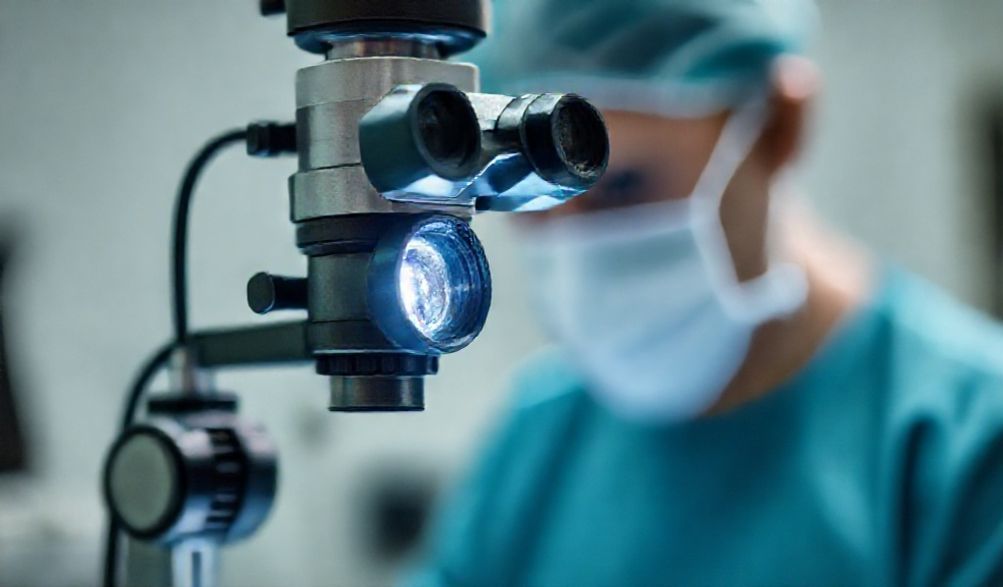
Surgical Loupes with Light: A Surgeon’s Guide to Enhanced Precision & Illumination
Imagine this: you’re deep in a critical procedure, navigating a complex anatomical landscape. The overhead lights are bright, yet a crucial detail remains hidden in a shadow cast by your own instrument or the angle of your head. You lean in, straining your neck and eyes, trying to discern a subtle tissue plane or a minute vessel. This scenario, a daily reality for many surgeons and dentists, highlights a fundamental limitation of traditional setups. In precision-driven medicine, optimal visualization is not a luxury—it is the bedrock of accuracy, efficiency, and patient safety.
Enter surgical loupes with integrated light, a transformative evolution of the classic magnification tool. This technology is more than just loupes with a flashlight attached; it is a sophisticated fusion of optics and illumination engineered to work in harmony. By delivering bright, shadow-free light directly into your magnified field of view, these systems address the core visual challenges that can lead to eye strain, procedural inefficiency, and compromised ergonomics.
This guide synthesizes insights from optical engineering, clinical studies, and professional best practices to serve as your comprehensive resource. We will explore how lighted surgical loupes work, their undeniable benefits, the critical features to consider, and how to seamlessly integrate them into your practice. Whether you’re a seasoned practitioner or a resident selecting your first pair, understanding this technology is an investment in elevating your craft and safeguarding your most important tool: your vision.
What Are Surgical Loupes with Light?
At its core, a surgical loupe with light is a precision optical device that combines magnification with a dedicated, focused light source. It is designed to overcome the two main obstacles to perfect visualization: insufficient detail and inadequate, poorly directed light.
Defining the Technology
The device consists of two primary systems:
1. The Magnification System: This utilizes either Galilean (lower power, lighter, less expensive) or Prismatic (Keplerian) optics (higher power, wider field of view, generally heavier). These lenses enlarge the surgical site, bringing minute structures into clear focus.
2. The Illumination System: Integrated directly onto the loupe frame or the lens barrel is a high-intensity, cool-running LED (Light Emitting Diode) light source. This light is engineered to project a beam that is coaxial or near-coaxial with the user’s line of sight.
Unlike overhead OR lights which cast shadows and require constant repositioning, this integrated light moves with your gaze, illuminating exactly what you are looking at.
Core Components & How They Work Together
The synergy between the components is what creates the transformative experience:
- Optics: The magnification power (e.g., 2.5x, 3.5x, 5.0x) determines how much larger the object appears. The field of view is the diameter of the area you can see at a set distance. The depth of field is the range within which objects remain in sharp focus without needing to refocus. Higher magnification typically narrows both field and depth of view.
- Illumination: The LED provides bright, white light with a long lifespan. Key specifications include:
- Lumens: A measure of total visible light output (brightness).
- Beam Pattern: Ranges from a focused spot for deep cavities to a wider flood for larger surface areas.
- Color Temperature: Measured in Kelvins (K), it affects how “warm” or “cool” the light appears. A neutral white (4500-5500K) is often preferred for true tissue color rendition.
- CRI (Color Rendering Index): A critical but often overlooked metric. A high CRI (90+) ensures that tissue colors—differentiating between artery, vein, nerve, and healthy vs. inflamed tissue—are rendered accurately and naturally.
Primary Users and Specialties
While beneficial to many, lighted loupes are particularly transformative for specialists who work in confined spaces or on highly detailed structures:
- Dental Professionals: Oral Surgeons, Periodontists, and Endodontists benefit immensely during extractions, implant placements, root planing, and root canal therapy, where blood and saliva can obscure vision.
- Medical Surgeons: Plastic & Reconstructive Surgeons, Neurosurgeons, Otolaryngologists (ENT), and Vascular Surgeons rely on them for microsuturing, nerve repair, and delicate dissection where shadow-free, magnified vision is paramount.
- Veterinarians: Especially those in small animal surgery or exotic animal practice, where precision is required on a small scale.
- Other Specialists: Podiatrists, Ophthalmologists, and Hand Surgeons also find significant advantages in their detailed procedural work.
Key Benefits of Using Lighted Surgical Loupes
The integration of light with magnification yields a suite of benefits that directly impact both the practitioner and the patient.
Unparalleled Visual Clarity and Shadow Reduction
This is the most immediate and obvious benefit. Traditional overhead lighting creates shadows from the surgeon’s head, hands, and instruments. Lighted loupes provide coaxial illumination—light that travels along the same axis as your line of sight. This effectively eliminates these obstructive shadows, revealing true tissue planes, tiny vasculature, and subtle anatomical details that might otherwise be missed. The surgical site becomes a uniformly lit, high-definition field.
Reduced Eye Strain and Fatigue
Performing surgery under magnification requires intense visual focus. In suboptimal light, your pupils dilate to let in more light, and your ciliary muscles work harder to accommodate (focus). Over hours, this leads to significant visual fatigue, headaches, and even premature end to a procedure. Proper, targeted illumination from lighted loupes reduces the need for constant pupil adjustment and accommodative effort. The result is noticeably less eye strain, allowing you to maintain peak visual performance throughout long and complex cases.
Enhanced Surgical Precision and Accuracy
Improved visualization translates directly to improved technique. With clear, shadow-free, magnified vision, you can achieve more accurate incisions, more precise dissection along anatomical planes, and neater, more consistent suturing. This can lead to better hemostasis, reduced tissue trauma, and potentially improved healing outcomes and reduced complication rates. It allows for a level of finesse that is difficult to achieve with standard lighting.
Improved Ergonomics and Posture
Poor visualization is a primary driver of poor surgical posture. Surgeons often crane their necks, hunch their backs, or bring their eyes dangerously close to the field to “get a better look.” Lighted loupes, by providing a perfectly clear view at the designed working distance, empower you to maintain a neutral spine and neck position. This reduces the risk of chronic musculoskeletal disorders—a prevalent issue in surgery—and contributes to your long-term physical health and career longevity.
Critical Features to Consider When Choosing Loupes with Light
Selecting the right system is a personal and professional decision. Here are the key features to evaluate:
Magnification & Working Distance
- Magnification: Start with the power appropriate for your specialty. 2.5x to 3.5x is common for general dentistry and many surgical procedures. 4.5x to 5.5x+ is used for microsurgery and highly detailed work. Higher power narrows the field and depth of view.
- Working Distance: This is the distance from your eye to the surgical site when you are in a comfortable, upright posture. It is measured during a professional fitting and is critical for maintaining ergonomics. Common ranges are 14-18 inches for dentistry and 18-22 inches for surgery.
Light Source Specifications: LED Quality, Lumens, & Beam
- LED Quality & Lumens: Seek high-quality LEDs known for reliability. Brightness (lumens) should be sufficient for your needs—typically 200-500+ lumens is effective for most procedures. Adjustable brightness settings are essential.
- Beam Pattern & CRI: Determine if you need a spot, flood, or adjustable beam. Most importantly, inquire about the Color Rendering Index (CRI). A CRI of 90 or higher is recommended for accurate tissue differentiation.
Power System and Battery Life
- Battery Type: Options include integrated rechargeable batteries in the frame (sleek but may be heavier on the head) or a belt-clip battery pack (shifts weight to the waist, often allows for larger capacity).
- Battery Life: Ensure the system can last through your longest procedures on a single charge—6-10 hours on a medium setting is a good benchmark. Features like quick-swap batteries or pass-through charging (use while plugged in) are valuable for marathon cases.
Weight, Balance, and Comfort
The addition of a light source adds weight. A lightweight frame (e.g., titanium) and a well-balanced design are non-negotiable for all-day comfort. The weight should be distributed between the nose, ears, and potentially the back of the head or waist (with a belt pack) to prevent pressure points.
Durability and Ease of Maintenance
Surgical tools must withstand rigorous environments. Consider:
* Sterilization: Are the light head and frame autoclavable, chemical-clavable, or wipeable only? This dictates your sterilization workflow.
* Warranty & Service: Look for a strong warranty (often 2-5 years) and a manufacturer with a reliable service network for repairs and adjustments.
* Lens Coatings: Anti-fog, anti-reflective, and scratch-resistant coatings protect your investment and maintain optimal performance.
How to Integrate Lighted Loupes into Your Surgical Practice
Successfully adopting this technology requires more than just unboxing it.
The Fitting Process is Paramount
A proper fitting by a certified, experienced representative is not optional—it is essential. This process ensures:
* The interpupillary distance (IPD) is set correctly for your eyes.
* The declination angle positions the lenses comfortably.
* The working distance matches your natural, ergonomic posture.
* The light beam is centered in your field of view.
A poor fit will lead to discomfort, headaches, and subpar performance.
Developing a Sterilization and Care Routine
Protect your investment with a consistent care protocol:
* Lenses: Clean daily with a microfiber cloth and lens-specific solution. Avoid harsh chemicals.
* Frame & Light Head: Follow the manufacturer’s instructions precisely for disinfection (e.g., using approved wipes for the frame, proper sterilization cycles for the light module).
* Storage: Always store in a hard, protective case when not in use.
Optimizing the Light for Different Procedures
Learn to use the light as a dynamic tool:
* Use lower brightness for initial incisions or highly reflective surfaces to reduce glare.
* Increase to higher brightness for deep cavity work or when differentiating subtle tissue colors.
* Adjust the beam focus (if available) from flood for a wide area to spot for a deep, narrow field.
Troubleshooting Common Issues
- Fogging: Ensure anti-fog coatings are present and properly maintained. Allow loupes to acclimate to room temperature before use. Anti-fog sprays or wipes can help.
- Battery Management: Always start the day with a full charge. Have a backup battery charged and ready. Know how to quickly swap batteries if your system allows it.
- Adjustments: Minor tweaks to nose pads or temple arms can often be done by the user, but for optical alignment or major issues, contact the manufacturer or your representative.
Frequently Asked Questions (FAQ)
Q: Are surgical loupes with light worth the investment compared to standard loupes?
A: For specialists performing intricate, detailed work, the answer is overwhelmingly yes. While the initial cost is higher, the combined benefits of dramatically reduced eye and neck fatigue, enhanced precision, and improved procedural efficiency often lead to a rapid return on investment. Many practitioners find they can work longer, with greater accuracy and less physical toll.
Q: How do I prevent the light from causing glare or reflection off wet surfaces?
A: High-quality systems address this with polarized light filters or specialty anti-reflective lens coatings designed to minimize glare from wet tissue or instruments. Slightly adjusting your angle of view or reducing the brightness setting can also help. Ensuring your lenses are clean is crucial.
Q: Can I add a light to my existing loupes?
A: Some manufacturers offer clip-on or attachable light systems that can be added to existing frames. While more affordable, these can affect balance and may not provide perfect coaxial alignment. An integrated system, designed as a single unit, typically offers superior performance, weight distribution, and reliability.
Q: What is the typical battery life, and how do I manage it during long surgeries?
A: Modern systems typically offer 6 to 10+ hours of runtime on a medium brightness setting. For exceptionally long procedures, management strategies include: using a belt-pack battery (higher capacity), having a second, fully charged battery ready for a quick swap, or utilizing a system with pass-through charging that allows you to operate while plugged in.
Q: How do lighted loupes compare to a surgical headlight?
A: Both provide hands-free illumination, but they differ fundamentally. A surgical headlight provides broad illumination and is often very bright, but it is a separate device from your magnification (loupes). Lighted loupes integrate magnification and light into a single, cohesive line of sight. This integration often provides better shadow reduction (true coaxial light) and is simpler to don/doff. Headlights may be preferred for procedures requiring extremely broad, deep-cavity lighting without magnification.
Conclusion
Surgical loupes with integrated light represent a significant technological leap, moving beyond simple magnification to provide a complete visual solution. By fusing crystal-clear optics with targeted, shadow-free illumination, they address the core challenges of surgical visualization that impact precision, practitioner health, and patient outcomes.
The decision to invest in this technology hinges on the specific visual demands of your practice and a recognition of the tangible benefits: reduced physical strain and enhanced visual clarity. As with any precision instrument, the key to success lies in informed selection and proper implementation.
We advise consulting with experienced colleagues, seeking hands-on demonstrations from reputable manufacturers with strong clinical support, and, above all, prioritizing a comprehensive professional fitting. View this not merely as a purchase, but as an evidence-based investment in the quality of your craft and your own long-term professional well-being.
Call to Action: Reflect on the visual challenges you face in your daily procedures. Is shadowing, eye fatigue, or the need for better detail a constant companion? Research brands renowned for quality in your specialty. Take the decisive next step: schedule a consultation and a professional demo to experience the transformative difference of true, integrated illumination firsthand.
p>