
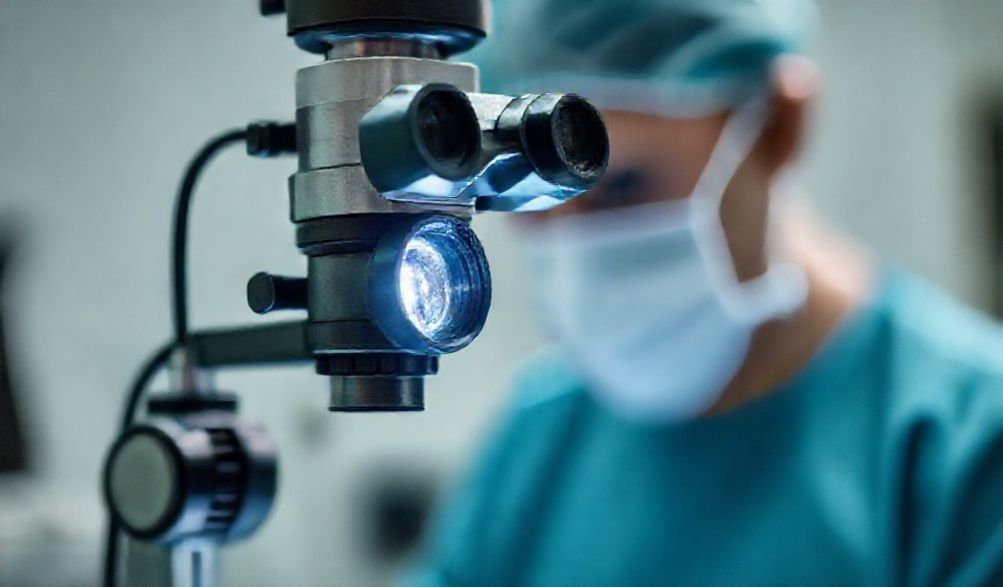
Surgical Loupes with Light: A Surgeon’s Guide to Enhanced Precision, Ergonomics, and Visualization
For the surgeon, dentist, or any medical professional engaged in precision procedures, the operating field is a world of minute detail. The success of a microvascular anastomosis, the accuracy of a dental margin preparation, or the delicate dissection of a nerve bundle hinges on one fundamental requirement: optimal visualization. Yet, the quest for this clarity often comes at a physical cost—the hunched posture, the strained neck, and the fatigued eyes after hours of intense focus under inadequate light. This universal challenge in modern medicine is where the traditional surgical loupe evolves into something far more powerful.
This comprehensive guide synthesizes insights from peer-reviewed surgical journals, ergonomic studies, and leading manufacturer specifications. Our goal is to move beyond seeing illuminated loupes as a simple tool. Instead, we will explore them as an integrated surgical system—a deliberate fusion of magnification, shadow-free illumination, and ergonomic design engineered to elevate surgical outcomes and protect the surgeon’s most valuable instrument: their own body. Whether you are a resident selecting your first pair or an experienced practitioner considering an upgrade, this post will provide the knowledge to understand the key features, tangible benefits, critical selection criteria, and essential considerations for investing in surgical loupes with light, ultimately enhancing both your practice and the standard of care you provide.
What Are Surgical Loupes with Light? Understanding the System
At its core, a surgical loupe with an integrated light source is a paradigm shift in personal surgical magnification. It addresses the two primary limitations of overhead operating lights and standard unmagnified vision: insufficient detail and obstructive shadows.
The Core Components: Magnification Meets Illumination
The system is elegantly dual-purpose:
- Magnification Optics: Utilizing either Galilean (lower power, lighter, wider field) or Prismatic (Keplerian) (higher power, greater depth of field, potentially heavier) lens systems, the loupes bring the surgical site into crisp, enlarged view. This allows for identification of structures invisible to the naked eye.
- Integrated Illumination: A cold, bright LED (Light Emitting Diode) light source is coaxially aligned with the line of sight. This is the game-changer. Unlike overhead lights that cast shadows from your head and hands, this integrated light shines directly down the optical path, illuminating the deepest recesses of a wound or cavity. Modern LEDs offer exceptional color accuracy (high CRI – Color Rendering Index), which is vital for distinguishing tissue types, and they produce minimal heat, protecting delicate tissues.
Primary Applications in Modern Medicine
The synergy of light and magnification has become indispensable across a wide range of specialties:
- Dentistry: In endodontics, locating canal orifices; in periodontics, performing precise scaling and root planing; in restorative dentistry, ensuring marginal integrity of preparations and crowns.
- Plastic & Reconstructive Surgery: For delicate nerve repairs, microvascular anastomoses for free flaps, and intricate scar revisions where precision is paramount.
- Neurosurgery & Spine Surgery: Illuminating deep surgical corridors during discectomies or laminectomies, and aiding in the dissection of fine neural structures.
- Ophthalmology: Though operating microscopes are standard for many procedures, illuminated loupes are invaluable for minor procedures, lacrimal surgeries, or in settings where a microscope is unavailable.
- Vascular Surgery: For distal bypass surgeries and arteriovenous fistula creations requiring precise suture placement.
In any procedure where the surgical site is deep, narrow, or obscured, the integrated light source becomes not just beneficial, but critical.
Key Benefits of Using Illuminated Surgical Loupes
Investing in this technology yields a compelling return across three key areas: visual performance, physical well-being, and operational efficiency.
Unparalleled Visual Acuity and Surgical Precision
This is the most immediate benefit. The combination creates a “headlamp on steroids” effect specifically for microsurgery.
- Reduced Eye Strain: The eye muscles work less to focus when the target is magnified and perfectly lit, reducing fatigue during long procedures.
- Enhanced Depth Perception & Detail: Coaxial illumination eliminates shadows that flatten the visual field. This restored three-dimensionality and the revelation of subtle tissue planes, capillary bleeding, or minute cracks in tooth structure allow for more accurate dissection, cleaner margins, and gentler tissue handling.
- Direct Link to Outcomes: This heightened visual control translates clinically into the potential for fewer intraoperative errors, reduced operative times, and ultimately, improved patient outcomes and satisfaction.
Enhanced Surgeon Ergonomics and Reduced Fatigue
Perhaps the most significant long-term benefit is the protection of the surgeon’s musculoskeletal health. Poor visualization is a primary driver of poor posture.
- Promotes Neutral Spine: When you can see clearly, you are less likely to contort your neck and back to get a better view. Properly fitted loupes with the correct working distance and declination angle allow you to sit or stand upright while keeping the site in perfect focus.
- Evidence-Based Relief: Numerous ergonomic studies have documented a high prevalence of neck and back pain among surgeons. Research indicates that using properly adjusted surgical magnification can significantly reduce the incidence and severity of these work-related musculoskeletal disorders, potentially extending a surgeon’s career.
Improved Efficiency and Procedure Workflow
The practical, day-to-day advantage is a smoother, more controlled operative experience.
- Hands-Free, Always-Aligned Light: The light is always where your eyes are looking. This eliminates the constant, distracting need for an assistant to readjust overhead lights or for you to reposition your head to chase the light, maintaining a state of “flow.”
- Consistent Visualization: Regardless of your position or the angle of the wound, your field is consistently bright and shadow-free. This reliability builds confidence and speed.
Critical Factors to Consider When Choosing Loupes with Light
Selecting the right system is a highly personal decision that must be tailored to your specialty, anatomy, and practice patterns.
Magnification Power and Working Distance: Finding Your Match
- Magnification (2.5x to 5.0+): Higher is not always better. 2.5x-3.5x is versatile for general procedures, offering a good field of view and depth of field. 4.0x-5.0x+ is reserved for microsurgery (e.g., nerve repair, endodontics) but has a smaller field and requires steadier hands. Start with what your peers in your specialty recommend.
- Working Distance: This is the critical distance from your eye to the surgical site when your posture is neutral. Measure it accurately during a fitting. A distance that’s too short will force you to hunch; too long will cause you to lean back and lose stability.
Light Source Specifications: Brightness, Beam, and Battery
- Brightness (Lumens) & Adjustability: Look for systems with adjustable intensity settings. You need high brightness for deep cavities but may want to dial it down for superficial work to avoid glare and preserve battery. A uniform, wide beam that covers your entire magnified field is essential.
- Battery System: Modern systems use lightweight Lithium-ion (Li-ion) batteries. Key questions: Does it use a belt-clip battery pack or an integrated battery? How many hours of runtime on a full charge (aim for 4-8+ hours for a full day)? Is a spare battery included? How quick is the recharge?
Frame Design, Fit, and Personalization
- Style: Through-the-Lens (TTL) vs. Flip-Up: TTL loupes are custom-made with the optics permanently mounted in the lenses, offering perfect optical alignment and a lighter weight. Flip-up loupes have a movable magnification barrel, allowing you to look over them without removing the frame, and can be shared or have their magnification changed, but may be slightly heavier.
- Professional Fitting is Non-Negotiable: This cannot be overstated. The declination angle, interpupillary distance, and frame tilt must be meticulously set for you. A poor fit will nullify all ergonomic benefits and cause discomfort.
- Customization: Ensure the manufacturer can incorporate your prescription lenses (either as inserts or ground into the loupe lenses). Consider comfort accessories like padded nose bridges and temple tips.
Top Considerations for Purchase and Investment
This is a significant professional investment, and the decision extends beyond the specs sheet.
Reputable Brands and Manufacturer Credibility
The market is led by established companies with long histories in medical optics, such as Carl Zeiss, Orascoptic, Designs for Vision, SurgiTel, and Heine. Choose a brand known for clinical research, optical clarity, and durable construction. Their reputation is often built on supporting surgical excellence.
The Essential Role of Professional Fitting and Training
This is the cornerstone of the entire purchase. You would not buy a custom-tailored suit online without measurements; your loupes are the optical equivalent of that suit.
- E-E-A-T Imperative: A proper fitting by a certified, experienced company representative is mandatory. This “first-hand” expert step ensures the tool is calibrated for your unique physiology and practice. It is the only way to guarantee the promised ergonomic and visual benefits.
- Demand Training: A reputable vendor will not just drop off the loupes. They should provide training on donning/doffing, adjusting the light, maintaining the system, and practicing proper posture. This onboarding is crucial for adoption and success.
Cost Analysis, Warranty, and Long-Term Value
- Reframing the Cost: While the upfront cost is substantial ($2,500 – $6,000+), view it as a long-term investment in your clinical capability, your patients’ outcomes, and your own career longevity. The potential reduction in complication rates and the prevention of a career-ending musculoskeletal injury offer a significant return.
- Warranty and Service: Scrutinize the warranty (typically 1-3 years on optics/frame, less on electronics). Understand what it covers (defects, accidental damage?) and the repair process. A strong service plan adds immense long-term value.
Frequently Asked Questions (FAQ)
Q: Are surgical loupes with light worth the investment compared to standard loupes?
A: For any procedure where depth illumination or critical shadow reduction is needed, they are often considered essential. The ergonomic benefits—reducing strain for a full-time practitioner—combined with the precision advantage, typically justify the additional cost over standard loupes for serious professionals.
Q: How long does the battery typically last, and is the light intensity adjustable?
A: High-quality systems offer 4 to 8+ hours of runtime on a single charge, sufficient for a full day of surgery. Most premium models feature multiple intensity settings (e.g., 3-5 levels), allowing you to match the brightness to the tissue and task, which also helps conserve battery life.
Q: Can I get prescription lenses integrated into surgical loupes?
A: Absolutely. This is a standard offering from all major manufacturers. You can choose between custom-ground prescription lenses built into the loupe optics or a separate prescription lens insert that sits behind the magnification lenses. An accurate, current prescription from your eye doctor is required.
Q: What is the typical warranty, and what does it cover?
A: Warranties vary but commonly span 1 to 3 years for the optical components and frame against manufacturing defects. The light source and battery usually have a shorter warranty period (e.g., 1-2 years). Always read the specific terms to understand what is included and the process for repairs.
Conclusion
Surgical loupes with an integrated light source represent more than an equipment upgrade; they are a transformative commitment to a higher standard of practice. By merging magnification with perfect illumination, they unlock a new level of visual acuity that enhances precision, improves patient outcomes, and safeguards the surgeon’s physical well-being through superior ergonomics.
The path to reaping these benefits is not through an online order. It requires diligent research, consultation with experienced colleagues, and, most importantly, scheduling a professional, in-person fitting with a reputable vendor. This expert consultation is non-negotiable. It is the bridge between a piece of advanced technology and a personalized tool that becomes a seamless extension of your skill.
Ultimately, choosing the right surgical loupes with light is an investment in the twin pillars of a sustainable surgical career: excellence in patient care and longevity in professional practice. Take the next step. Research the certified dealers for leading brands, and arrange a live demonstration to experience the profound difference for yourself.
p>