
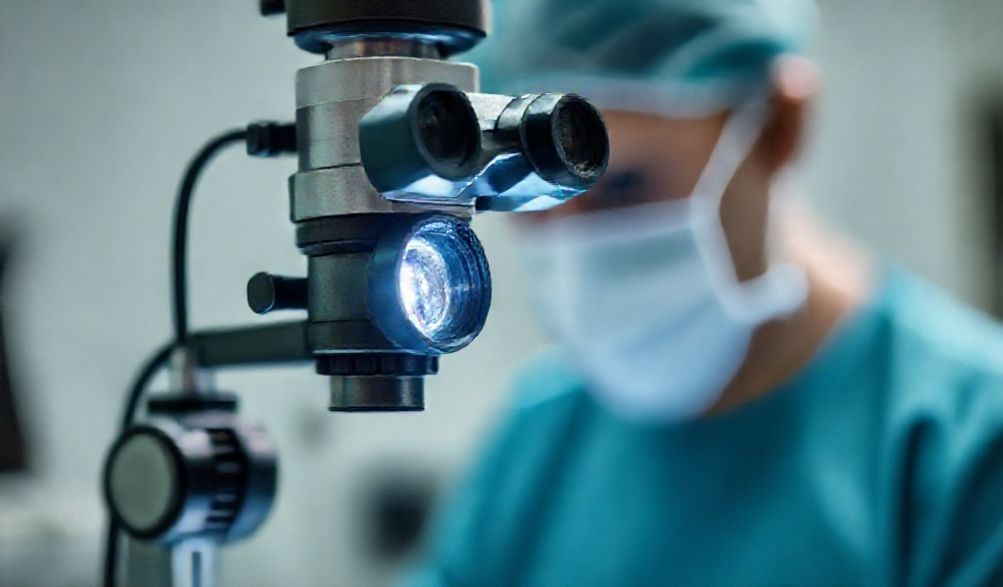
Surgical Loupes with Light: A Surgeon’s Guide to Enhanced Precision, Ergonomics, and Visual Acuity
You’re three hours into a complex microvascular anastomosis. The surgical site is deep, the margins are tight, and despite the powerful overhead OR light, you find yourself subtly tilting your head, straining to see past the shadow cast by your own instrument. A dull ache begins to creep up your cervical spine. In the dental operatory, the challenge is the opposite: the intense, focused beam of your curing light illuminates one spot brilliantly, but leaves the surrounding anatomy in relative darkness as you work to restore a subgingival margin. This constant battle for visual clarity and physical comfort isn’t just an inconvenience; it’s a barrier to peak performance and a contributor to the career-limiting fatigue endemic to surgical and dental professions.
This scenario underscores a fundamental truth in modern precision medicine: optimal outcomes are inextricably linked to optimal visualization. While surgical loupes revolutionized practice by bringing critical details into focus, they addressed only half of the visual equation. Traditional overhead or assistant-held lights are often misaligned with the surgeon’s line of sight, creating shadows, glare, and inconsistent illumination. The solution? Integrated surgical loupes with light—a transformative tool that merges high-quality magnification with coaxial illumination (light perfectly aligned with your line of sight).
This guide is designed to be your authoritative, experience-based resource for navigating this critical equipment decision. Drawing on clinical evidence, ergonomic principles, and practical insights, we will dissect the compelling benefits, break down the key technical features, and provide a framework to help you select the illuminated loupe system that best aligns with your discipline, your physiology, and your commitment to exceptional patient care. We’ll cover the undeniable advantages, the must-know specifications, leading brands, and essential maintenance, empowering you to make an informed investment in your craft and your well-being.
Why Integrated Illumination is a Game-Changer: Core Benefits
Moving from standard loupes to an illuminated system is not a minor upgrade; it’s a paradigm shift in how you see and work. The integration of light delivers a suite of interconnected benefits that directly impact procedure quality and practitioner health.
Unparalleled Shadow-Free Visualization
The primary and most immediate advantage is the elimination of shadows. In conventional setups, your head and hands are the most frequent culprits, blocking the overhead light source and creating dark zones exactly where you need to see most. Coaxial illumination solves this by projecting light directly down your visual axis, flooding the entire magnified field with consistent, uniform brightness. This isn’t just about “more light”; it’s about better light. It dramatically improves depth perception and the ability to differentiate between subtle tissue types, vascular structures, and marginal boundaries. In dentistry, it means clearly seeing the full prep wall and margin in a deep sulcus without constant mirror adjustments. In surgery, it means visualizing the depths of a wound without awkward head contortions.
Enhanced Surgical Precision and Accuracy
When shadows vanish and tissue planes are rendered with high fidelity, your manual precision naturally improves. Enhanced visualization translates directly to more accurate incisions, cleaner dissections along anatomical planes, and more meticulous suturing. The confidence that comes from seeing every detail can reduce procedural time by minimizing hesitation and the need for repeated checks. For procedures where tenths of a millimeter matter—from placing a dental implant to repairing a nerve—this level of visual control is not an advantage; it’s a prerequisite for excellence. The potential positive impact on patient outcomes, from reduced trauma to improved healing, is a powerful justification for the technology.
Superior Ergonomics and Reduced Fatigue
Perhaps the most significant long-term benefit is ergonomic. Surgeons and dentists have a staggeringly high incidence of neck and back pain, directly linked to sustained static postures. A major contributor is the need to crane and tilt the neck to keep the surgical site within the often narrow “sweet spot” of a fixed overhead light. With a personal light source attached to your loupes, the light moves with you. You are free to maintain a neutral, healthy spine posture. This liberation from a fixed light path can significantly reduce the musculoskeletal strain that accumulates over a career, helping to preserve your physical ability to practice.
Portability and Consistency Across Environments
Whether you operate in multiple hospital ORs, different clinic operatories, or even in field settings, your illumination is no longer at the mercy of variable ambient lighting. The quality, intensity, and color of your light remain constant. This reliability ensures that whether you’re in a brightly lit teaching hospital or a more modest clinic, your visual working conditions are standardized, removing a key variable and allowing you to focus solely on the procedure at hand.
Key Features to Evaluate When Choosing Illuminated Loupes
Selecting an illuminated system requires careful consideration of both the optical components and the illumination technology. Here’s what you need to know.
Magnification & Depth of Field
The foundational loupe specifications remain critical. You must first select the appropriate magnification (e.g., 2.5x, 3.5x, 5.0x+) and working distance based on your specialty and posture. Remember, higher magnification typically comes with a narrower depth of field (the vertical zone that remains in sharp focus). The type of optics—Galilean (lighter, lower mag) or Prismatic (Keplerian) (higher mag, wider field of view but heavier)—forms the base of your system. An integrated light must complement, not compromise, this optical foundation.
Light Source Technology: LED Fundamentals
Virtually all modern surgical lights use LEDs, and for good reason: they are cool-running, energy-efficient, and long-lasting. When evaluating the light, look beyond “brightness” and consider three key specs:
* Lumens: A measure of total light output. For most intraoral or microsurgical work, a range of 30,000 to 100,000+ lux at the working distance is common. Sufficient output is needed to overcome the light loss through magnification.
* Color Temperature: Measured in Kelvins (K). A “daylight” temperature around 5500K is considered ideal for surgery and dentistry, as it most closely mimics natural sunlight and provides the most accurate perception of tissue color.
* CRI (Color Rendering Index): This is crucial. CRI measures the light’s ability to reveal the true colors of objects compared to natural light. A high CRI (90+) is essential for distinguishing subtle differences between tissues, identifying inflammation, or matching shades in restorative dentistry.
Beam Pattern and Adjustability
Not all procedures require the same light. A focused spot beam provides intense, deep cavity illumination for endodontics or microsurgery. A flood beam offers broader, more diffuse light for larger operative fields like in plastic surgery or examining a full arch. The most versatile systems offer adjustable focus or interchangeable light guides to modify the beam pattern, allowing you to tailor the illumination to the task.
Power System and Battery Life
The light source needs reliable power. Most systems use a rechargeable lithium-ion battery pack worn on a waist belt or clipped to clothing.
* Battery Life: This varies widely, from 2 to 8+ hours on a single charge. Consider your typical procedure length and caseload.
* Hot-Swappability: A critical feature. Systems that allow you to quickly swap a depleted battery for a fresh one without powering down are invaluable for long or back-to-back procedures.
* Cable Option: Many units can also operate while plugged into a wall outlet via a cable, a useful feature for marathon sessions or as a backup.
Top Considerations for Your Purchase Decision
With the technical specs in mind, narrow your choice by aligning the system with your personal and professional context.
Primary Clinical Application (Discipline-Specific Needs)
Your specialty dictates your needs. A dentist may prioritize a very lightweight system with a focused beam for the oral cavity and easy decluttering for patient interaction. A microsurgeon or ophthalmologist will demand the highest possible magnification and light intensity with a razor-thin depth of field. A veterinary surgeon might need a robust, durable system with a wider field of view for variable anatomy. Communicate your specific procedural demands to vendors.
Comfort and Weight Distribution
This is non-negotiable. The added mass of a light source, battery, and wiring makes proper fit paramount. Custom-molded frames are highly recommended to ensure the weight is distributed evenly across the nose and temples. Consider frame style: Through-the-lens (TTL) loupes often offer better weight balance for integrated lights, while flip-up styles offer versatility but may have a different center of gravity. A lengthy, in-person fitting session is essential.
Budget and Total Cost of Ownership
Illuminated loupes represent a significant investment, often several thousand dollars. View this not as a cost, but as a long-term investment in your capability, health, and practice quality. Consider the total cost of ownership: the initial price, warranty length and coverage, cost of battery replacements (they degrade over years), and service/realignment fees. A slightly more expensive system with a robust warranty and reliable service network may offer better value over a decade of use.
Leading Brands and Systems Overview (A Neutral Comparison)
Note: This is an informational overview of established players known for quality. It is not a ranking, and the “best” system is the one that fits you best after a hands-on demonstration.
Designs for Vision (DFV)
A pioneer in the field, DFV is known for its rugged, high-performance systems. They offer a wide range of custom TTL and flip-up loupes with integrated LED lights, often emphasizing high light output and durability. Their designs are popular in demanding surgical specialties.
Zeiss (MediLive / Proveo)
Leveraging their legendary optics heritage, Zeiss offers systems renowned for exceptional optical clarity, color fidelity, and minimal distortion. They often integrate seamlessly with their documentation cameras, making them a strong choice for clinicians who teach or publish. Their designs tend to focus on advanced ergonomics.
Orascoptic
With a deep focus on dentistry, Orascoptic is known for its ergonomic, lightweight designs. Their illuminated systems, like the Spark, often feature slim light engines and focus on comfort for the unique postures and workflows of dental professionals. They offer both TTL and flip-up options.
SurgiTel (General Scientific Corporation)
SurgiTel is recognized for its innovative optical designs and commitment to ergonomics. They offer unique “wide-field” prismatic loupes and their integrated light systems are designed to be well-balanced. They provide extensive customization in fit and optics.
The Critical Step: This overview is a starting point. You must consult with company representatives, schedule live demos, and seek peer reviews from colleagues in your field. Try them on, simulate your working posture, and assess the view.
Maintenance, Care, and Safety Best Practices
Protecting your investment ensures peak performance and longevity.
Daily Cleaning and Disinfection Protocols
Always follow the manufacturer’s specific instructions. Typically, lenses should be cleaned first with a soft brush or air blower to remove debris, then with a microfiber cloth and approved lens solution. Avoid alcohol or harsh chemicals on coated lenses. For disinfection, use only wipes or solutions specified as safe for optical coatings and plastic housings.
Battery Care and Longevity Tips
- Avoid fully depleting the battery whenever possible; partial discharges are better for lithium-ion health.
- Store batteries in a cool, dry place.
- If storing the system long-term, leave the battery at approximately 50% charge.
- Use only the manufacturer-provided charger.
Routine Performance Checks
Periodically inspect your system:
* Check for dimming or flickering of the light.
* Verify the optical alignment remains true (look at a straight line).
* Ensure all screws are tight and cables are free of fraying.
* Schedule professional servicing as recommended by the manufacturer.
Frequently Asked Questions (FAQ)
Q: Are surgical loupes with light significantly heavier than regular loupes?
A: Modern systems are engineered with lightweight polymers and compact LEDs. While there is added weight from the light source, battery, and wiring, a proper custom fit distributes this weight effectively across the head and bridge of the nose. For most users, the profound ergonomic and visual benefits far outweigh the minimal weight increase, which is often barely noticeable after a short adjustment period.
Q: How long does the battery typically last, and what happens if it dies mid-procedure?
A: Battery life varies by model and light intensity setting, typically ranging from 2 to 6+ hours on a full charge. Reputable systems are designed for clinical reality: many feature hot-swappable batteries that can be changed in seconds without interrupting surgery. Most can also operate via a power cable plugged into an outlet, providing a seamless backup for long procedures.
Q: Can I add a light to my existing loupes?
A: Some manufacturers and third-party companies offer clip-on or attachable light systems. While this can be a lower-cost entry point, it often comes with compromises. These add-ons may not provide perfect coaxial alignment, can upset the balance of your loupes, and are generally less integrated and robust than a purpose-built system. For optimal performance, a factory-integrated unit is recommended.
Q: Is the investment in illuminated loupes worth it for a resident or new practitioner?
A: Absolutely. While the cost is substantial, building correct ergonomic posture and visualization habits from the very start of your career is invaluable. It can help prevent the development of chronic pain and instill a standard of precision from day one. Many companies offer financing plans, educational discounts, or bundled packages for residents. Consider it the foundational tool for a long, healthy, and precise surgical career.
Conclusion
Surgical loupes with integrated light have evolved from a niche luxury to a fundamental instrument for the modern precision clinician. They address the twin pillars of successful practice: unparalleled visual data for the task at hand, and sustainable ergonomics for the professional performing it. The benefits—shadow-free visualization, enhanced accuracy, reduced physical strain, and consistent performance—represent a tangible advancement in both the standard of care and the quality of the clinician’s work life.
The choice, however, is profoundly personal and clinical. This guide provides the framework, but the final decision must be informed by direct, hands-on experience. We cannot overstate the importance of a live demonstration. You must feel the weight distribution, assess the comfort over simulated procedure time, and, most importantly, look through the optics under conditions that mimic your real work. Consult with experienced colleagues, engage with knowledgeable equipment specialists, and test multiple brands.
Ultimately, selecting an illuminated loupe system is an investment in your most critical asset: your ability to see and perform at your absolute best. It is an investment in your patients’ outcomes and in your own long-term professional health and satisfaction.
p>