
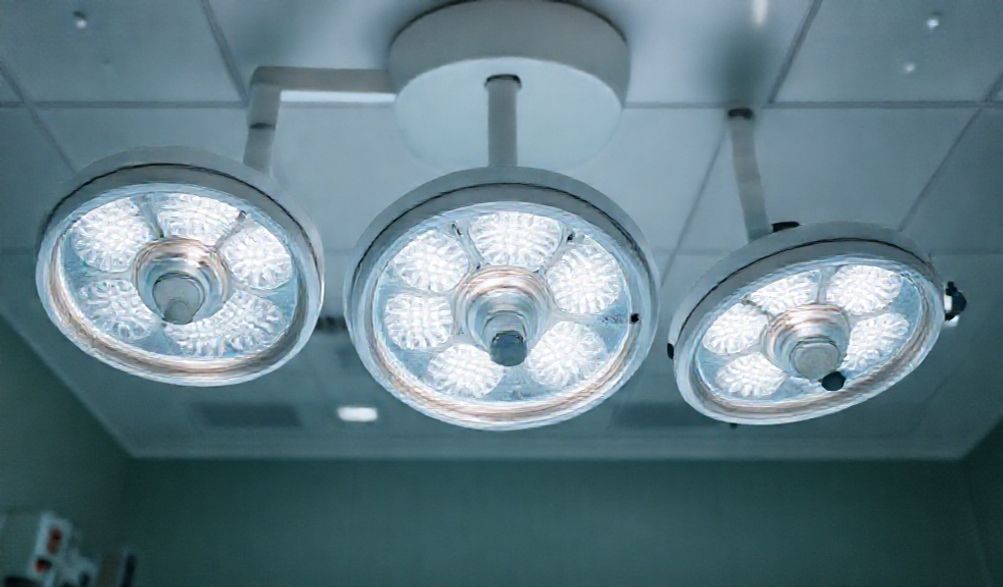
Surgical Operating Room Lights: A Guide to Technology, Selection & Safety Standards
Imagine a master sculptor, tools in hand, attempting to create a delicate masterpiece in near darkness. No matter their skill, the result would be compromised. In the high-stakes environment of the operating room (OR), the surgeon is that sculptor, and the surgical site is the masterpiece. The critical tool that bridges skill and outcome is often the most fundamental: light. What if the most skilled surgeon’s hands were hampered by poor visibility, shadow, or inaccurate color rendition? The consequences—prolonged procedure time, increased surgeon fatigue, and, most critically, elevated risk to patient safety—are unacceptable.
This guide is built on a foundation of industry research, direct manufacturer specifications, and a deep understanding of clinical safety protocols. It synthesizes principles from biomedical engineering standards, surgical best practice guidelines, and healthcare facility planning resources to provide a comprehensive overview. Our goal is to address the core needs of hospital administrators, surgical facility planners, biomedical engineers, and procurement specialists tasked with the critical responsibility of evaluating, specifying, and purchasing operating room lighting systems.
We will navigate the evolution from simple bulbs to intelligent light engines, decode the essential technical features that impact clinical utility, outline the non-negotiable safety and regulatory standards, and provide a practical framework for selecting the right system for your facility’s needs and budget.
The Evolution of Surgical Lighting: From Shadow to Precision
The history of surgical lighting is a direct reflection of the progress of surgery itself, moving from a battle against shadows and infection to a pursuit of precision and integration.
Early Incandescent Systems and Their Limitations
The earliest dedicated surgical lights were simple incandescent bulbs, often mounted on movable stands. While an improvement over ambient daylight or oil lamps, they presented severe limitations. They generated intense radiant heat, raising the temperature of the surgical field and increasing patient dehydration and staff discomfort. Their light output was poor, with a warm, yellowish color that distorted tissue appearance. Most problematic was the single-point source, which cast harsh, obstructive shadows from the surgeon’s head and hands, constantly requiring repositioning.
The Halogen Revolution: Improved Intensity and Color
The introduction of halogen bulbs marked a significant leap. Halogen technology offered a whiter, more intense light with a better Color Rendering Index (CRI) than incandescent, allowing for improved differentiation between tissues, blood vessels, and organs. Reflector technology advanced, with parabolic mirrors helping to collimate and direct the light. However, the heat problem persisted—halogen lamps are extremely hot, posing a burn risk and still contributing to thermal load in the OR. Their lifespan also remained relatively short, leading to higher maintenance and replacement costs.
LED Dominance: Efficiency, Lifespan, and Cooler Operation
Light Emitting Diode (LED) technology has decisively become the standard for modern surgical illumination. LEDs represent a paradigm shift due to several key advantages:
* Cool Operation: LEDs emit minimal infrared radiation, drastically reducing heat transfer to the surgical site and improving patient and staff comfort.
* Exceptional Efficiency & Lifespan: They consume significantly less power than halogen systems and boast lifespans of 50,000 hours or more, slashing energy and maintenance costs over the total ownership period.
* Design Flexibility: Hundreds of small LED diodes can be arranged in arrays, enabling sophisticated optical designs for unparalleled shadow reduction and field uniformity.
* Enhanced Control: LED systems allow for precise electronic control of intensity and, in advanced models, adjustable color temperature.
The Future: Integration with Imaging and Robotic Systems
The frontier of surgical lighting lies in integration and intelligence. Modern systems are no longer isolated fixtures but nodes in the integrated OR. We now see lights with built-in 4K cameras for recording and telemedicine, and interfaces that allow lighting presets to be tied to specific procedure steps or integrated with robotic surgery consoles. The next wave may include ambient lighting systems that adjust dynamically based on the image on a monitor or augmented reality overlays projected directly into the surgeon’s field of view, with the physical light providing the optimal canvas for digital information.
Core Technical Features of Modern Operating Lights
Understanding the technical specifications is crucial for making an informed comparison between systems. These metrics translate directly to clinical performance.
Illumination Metrics: Lux, Lumen Output, and Depth of Field
- Lux: This is the key metric, measuring illuminance—the amount of light falling on a surface (lumens per square meter). Surgical lights must deliver a high, consistent lux level (typically 40,000 to 160,000 lux at the center, adjustable) at a defined working distance (e.g., 1 meter). This ensures the surgical field is brightly lit without causing glare or eye strain.
- Lumen Output: A measure of the total quantity of visible light emitted by the source. While important, it’s less clinically direct than lux, as it doesn’t account for focus or distance.
- Depth of Field: This refers to the vertical distance over which the light maintains adequate and uniform illumination. A deep depth of field (e.g., 20-30 cm) is vital, as it ensures consistent lighting even as instruments and hands move in and out of the wound cavity, minimizing the need for constant refocusing.
Color Rendering Index (CRI) and Color Temperature
Accurate color perception is non-negotiable in surgery.
* Color Rendering Index (CRI): Rated on a scale of 0-100, CRI measures a light source’s ability to reveal the true colors of objects compared to natural light. A high CRI (>90, with >95 being ideal) is essential for correctly distinguishing between arterial and venous blood, healthy and necrotic tissue, and subtle variations in organ morphology.
* Color Temperature: Measured in Kelvin (K), this describes the “warmth” or “coolness” of white light. Adjustable color temperature (e.g., from 3500K to 5000K) is a premium feature. Surgeons may prefer a cooler, bluer light (5000K+) for enhanced contrast in deep cavities or a warmer light for surface procedures, allowing personalization for optimal visual comfort and tissue differentiation.
Shadow Management: Multi-Diode Arrays and Light Field Design
Eliminating obstructive shadows is a primary engineering goal. Modern systems achieve this through:
* Multi-Diode LED Arrays: A single light head contains hundreds of individual LEDs.
* Overlapping Light Fields: These LEDs are arranged in concentric rings or clusters, each projecting a slightly offset beam. Where one LED’s light is blocked by an obstacle (a surgeon’s head), the others fill in the gap. This creates a phenomenon called “shadow dilution,” where any remaining shadow is faint and diffuse, not dark and obstructive.
* Light Field Diameter: The diameter of the illuminated area is adjustable. A large field provides broad coverage for open procedures, while a focused, small field offers high-intensity light for deep, minimally invasive surgery.
Handling and Ergonomics: Reach, Maneuverability, and Sterility
A light that can’t be positioned easily is ineffective. Key ergonomic features include:
* Reach and Articulation: Ceiling-mounted systems use multi-jointed booms to provide extensive horizontal and vertical reach, allowing the light to be positioned directly over the field from almost any angle in the room. Counterbalance systems ensure the light stays in position smoothly, without drift.
* Sterile Handles: Light heads are equipped with handles that can be covered with disposable sterile sleeves. These handles allow the scrub nurse or surgeon to make fine adjustments during the procedure without breaking the sterile field.
Critical Safety and Regulatory Standards
Compliance with stringent international standards is not optional; it is a fundamental requirement for patient and staff safety and a core component of a facility’s risk management.
Key Global Standards: IEC 60601-2-41 and ISO 9680
These are the cornerstone standards for surgical luminaires.
* IEC 60601-2-41: This is the comprehensive international standard for the basic safety and essential performance of surgical lights. It specifies requirements for light field uniformity (maximum-to-minimum lux ratio), depth of field, color rendering, protection against excessive heat (surface temperature limits), mechanical stability, and electrical safety.
* ISO 9680: This standard focuses specifically on the performance requirements of surgical lights, detailing test methods for measuring illuminance, light field diameter, depth of field, and color characteristics. Compliance with these standards is verified through rigorous independent testing.
FDA Clearance and CE Marking: What They Mean for Procurement
- FDA Clearance: In the United States, surgical lights are classified as Class II medical devices by the Food and Drug Administration. Manufacturers must submit a premarket notification [510(k)] demonstrating their device is substantially equivalent to a legally marketed predicate device, proving safety and efficacy.
- CE Marking: For the European market, the CE mark indicates the product conforms to the relevant EU health, safety, and environmental protection legislation (the Medical Devices Regulation (MDR)). Procurement specialists should always request and verify the manufacturer’s Declaration of Conformity.
Infection Control: Sealed Designs and Cleanability
The physical design of the light must support infection control protocols to prevent Surgical Site Infections (SSIs).
* Sealed Enclosures: Light heads should be completely sealed to prevent dust, fluids, or pathogens from entering internal components.
* Smooth, Cleanable Surfaces: Exterior surfaces must be seamless, without cracks or crevices, and made of materials that can withstand frequent cleaning and disinfection with hospital-grade chemicals without degrading.
Electrical and Thermal Safety in the OR Environment
The OR is a unique environment with flammable anesthetic gases (though less common today) and abundant fluids. Surgical lights must be designed for electrical safety, with appropriate ingress protection (IP) ratings against fluid intrusion. Thermal safety, as defined by standards, ensures no part of the light that might contact staff or patient reaches a temperature that could cause a burn.
How to Choose the Right Surgical Light System: A Buyer’s Framework
Selecting a system requires balancing clinical needs, operational workflow, and financial considerations.
Assessing Surgical Specialty Needs
Different specialties have unique lighting priorities:
* General & Abdominal Surgery: Require a large, uniform light field with excellent depth of field for deep cavity work.
* Neurosurgery & Spinal Surgery: Demand extremely high, shadow-free illumination in a deep, narrow wound. Focusability and intensity are paramount.
* Cardiac Surgery: Similar needs to general surgery, often with an emphasis on color rendition to distinguish myocardial tissue and vasculature.
* Orthopedic Surgery: Benefit from lights that can illuminate both the surface anatomy and the deep joint cavity during arthroscopy or open procedures.
* Minimally Invasive Surgery (MIS): While monitors provide the primary image, room lighting must be adjustable to reduce glare on screens without plunging the room into darkness.
Evaluating Mounting Options: Ceiling, Wall, or Mobile?
- Ceiling-Mounted (on Booms): The most common and versatile. Offers maximum floor space clearance, excellent reach and maneuverability, and easy integration with other ceiling-mounted services (gas columns, monitors). Ideal for dedicated ORs.
- Wall-Mounted: A space-saving solution for smaller rooms or where ceiling infrastructure is limited. May have slightly less flexible reach than ceiling booms.
- Mobile (Floor-Stand): Offers ultimate flexibility, allowing the light to be moved between rooms. Essential for minor procedure rooms, emergency departments, or multi-purpose spaces. Can be an obstruction in a crowded OR and requires storage space.
Total Cost of Ownership: Initial Price vs. Long-Term Value
The purchase price is just the beginning. A true evaluation considers:
* Energy Consumption: LED systems can reduce power consumption by 50% or more compared to halogen.
* Lamp Replacement: With a 50,000+ hour lifespan, LED modules may last over a decade, eliminating frequent and costly bulb changes.
* Maintenance & Service: Consider the warranty period, availability of service contracts, and the manufacturer’s support network. Downtime in an OR is extremely expensive.
* Durability: A robustly built system will withstand years of daily use and cleaning.
Integration with OR Infrastructure: Booms, Video, and HVAC
The light should be considered part of the OR ecosystem. Can it be mounted on the same boom as a 4K camera? Does it have a video output port? Does its heat output affect the room’s HVAC load? Planning for integration during initial design prevents costly retrofits later.
Installation, Maintenance, and Best Practices
Proper implementation ensures the system performs as designed throughout its lifespan.
Pre-Installation Planning: Structural and Electrical Considerations
Engage with the manufacturer and facilities team early. Ceiling-mounted systems require verified structural support for the weight. Electrical conduits and data cables must be routed to the correct termination points. The planned location must provide unobstructed travel for the boom arms.
Routine Cleaning and Disinfection Protocols
Establish and train staff on a daily and post-procedure cleaning regimen using approved disinfectants. Pay special attention to handles, control panels, and any seams. Never spray liquids directly onto the light head; apply to a cloth first.
Scheduled Preventive Maintenance Checks
Follow the manufacturer’s recommended maintenance schedule. This typically includes annual inspections by a biomedical technician to check mechanical balance, electrical safety, light output (lux measurement), and color metrics to ensure no degradation has occurred.
Staff Training for Optimal and Safe Use
All OR staff—surgeons, nurses, and techs—should receive training on how to properly position, focus, and adjust the lights. This maximizes the technology’s benefit and prevents damage from improper handling (e.g., forcing joints, hanging items on the boom).
FAQ Section
Q1: What is the typical lifespan of an LED surgical light?
A: The LED modules themselves are typically rated for 50,000 to 100,000 hours of operation. Assuming 10 hours of daily use, this translates to 15-30 years before light output degrades significantly. Other mechanical and electronic components may require service sooner.
Q2: How often should surgical lights be serviced or calibrated?
A: Manufacturers generally recommend a comprehensive preventive maintenance check by a qualified technician at least once per year. This service should verify illuminance levels, color temperature, mechanical function, and electrical safety.
Q3: Can older halogen light systems be retrofitted with LED?
A: Some manufacturers offer LED retrofit kits for their own legacy halogen models. However, this is not always possible or advisable. A retrofit may not achieve the same optical performance, shadow management, or integration features as a purpose-built, modern LED system. A cost-benefit analysis versus full replacement is necessary.
Q4: What is the difference between “central” and “peripheral” illumination in a light field?
A: The central illuminance is the maximum lux level at the very center of the light field. The peripheral illuminance is the level at the edge of the defined field diameter. A key quality metric is the uniformity ratio (e.g., max:min of 1.5:1 or better), ensuring there are no drastic “hot spots” or dark rings, providing consistent visualization across the entire surgical site.
Q5: How do I know if a surgical light meets current safety standards?
A: Look for clear labeling and documentation. The device should be marked with compliance to IEC 60601-2-41 and ISO 9680. Always request the manufacturer’s Declaration of Conformity (for CE marking) or FDA 510(k) clearance number for verification. Reputable manufacturers will provide this documentation readily.
Conclusion
Surgical operating room lights are far more than simple illumination fixtures; they are a critical capital investment in patient safety, surgical efficacy, and operational efficiency. The choice directly impacts a surgeon’s ability to perform at their peak and influences clinical outcomes.
As this guide has emphasized, an informed decision must prioritize evidence-based technical specifications—lux, CRI, shadow management—and verified compliance with authoritative international safety standards like IEC 60601-2-41. This approach fulfills the core principles of E-E-A-T (Expertise, Authoritativeness, Trustworthiness), ensuring your facility’s investment is sound.
Our final recommendation is to move beyond spec sheets. Consult directly with your clinical teams to understand their procedural needs. Involve your biomedical engineering department in evaluating serviceability and safety. Then, engage with reputable manufacturers to conduct hands-on evaluations, ideally in a simulated or real OR environment, to see and feel the performance differences firsthand.
As we look forward, the integration of lighting with digital OR ecosystems promises even greater synergy between the surgeon’s vision and the technology that supports it. Choosing a system with an eye on this future-ready capability will ensure your facility remains at the forefront of surgical care for years to come.
p>