
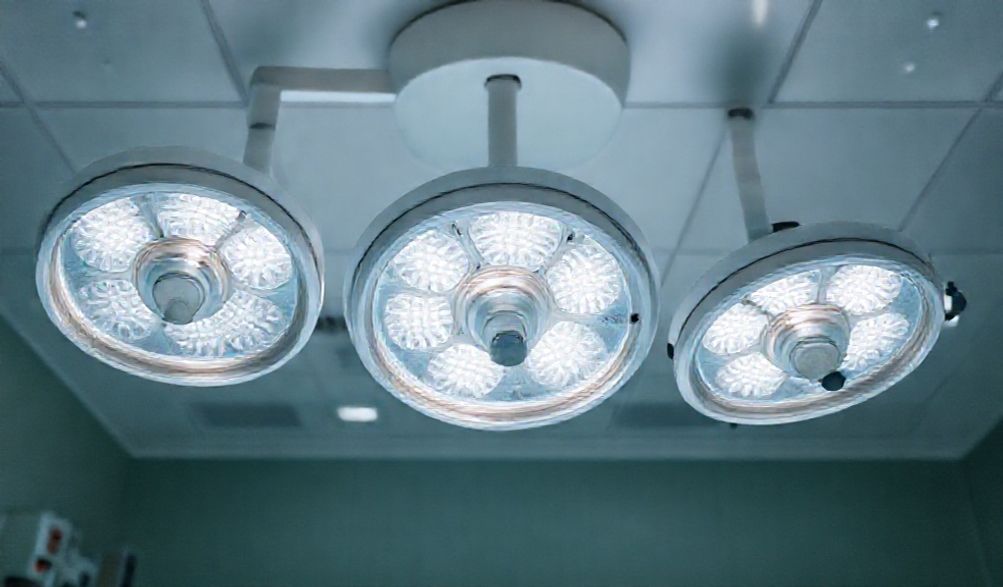
Surgical Operating Room Lights: A Guide to Technology, Selection & Safety
Introduction
What if the single most important tool in an operating room isn’t held by a surgeon, but hangs from the ceiling? While scalpels, clamps, and imaging systems rightfully command attention, the quality of illumination is the foundational element that makes every precise cut, delicate suture, and critical identification of tissue possible. Inadequate lighting isn’t just an inconvenience; it’s a direct risk to patient safety and surgical outcomes, contributing to visual fatigue, errors, and prolonged procedure times.
This comprehensive guide is built on a foundation of industry research, clinical literature, and manufacturer engineering specifications. It is designed to serve the key decision-makers responsible for the surgical environment: hospital procurement teams, surgical facility managers, head nurses, and architects. Whether you are specifying lights for a new build, upgrading an existing suite, or simply seeking to understand the current standards, this post will serve as your unbiased, authoritative resource.
We will journey through the remarkable evolution of surgical lighting, demystify the core technologies and performance metrics that define modern systems, and provide a structured framework for selection based on clinical need and total cost of ownership. We’ll also cover critical safety, maintenance, and compliance protocols, and finally, peer into the future where lights become intelligent hubs of the digital operating room. Our goal is to equip you with the knowledge to make informed, confident decisions about this pivotal investment.
The Evolution of Surgical Lighting: From Shadow to Precision
The history of surgical lighting is a relentless pursuit of banishing shadow and revealing true color, a quest that has fundamentally shaped the possibilities of surgery itself.
Early Days: The Battle Against Shadow and Heat
The earliest dedicated surgical lights were simple incandescent lamps. Their light was warm, yellow, and fraught with problems. They generated intense radiant heat, which could dry out tissues and cause discomfort for the surgical team. Most critically, they cast sharp, deep shadows from the surgeon’s head and hands, constantly obscuring the field of view. Color rendering was poor, making it difficult to distinguish between subtle tissue types, such as arteries, veins, and nerves.
The Halogen Revolution
The introduction of halogen bulbs marked a significant leap forward. Operating at higher temperatures and pressures within a quartz envelope, halogen lights produced a whiter, more intense beam. They allowed for better focus and control of the light field. However, this came with trade-offs. The bulbs still generated considerable heat, required frequent replacement (with lifespans often under 1,000 hours), and were energy inefficient, converting most of their power into heat rather than usable light. The mechanical systems of the era were also often cumbersome and difficult to position precisely.
The LED Era: A Paradigm Shift
The adoption of Light Emitting Diode (LED) technology represents a true paradigm shift, solving the core historical limitations. LEDs produce virtually no infrared radiation, eliminating the problem of radiant heat at the surgical site. They offer exceptional longevity, with lifespans measured in decades of typical use. Their energy efficiency is superior, drastically reducing operational costs. Most importantly, LED technology provides unparalleled control over Color Rendering Index (CRI) and color temperature, enabling light that mimics natural daylight and reveals tissue with stunning accuracy. This transition has moved surgical lighting from a utility to a high-precision visual instrument.
Core Technologies & Features of Modern OR Lights
Today’s surgical lights are sophisticated medical devices. Understanding their core specifications is essential for meaningful comparison and selection.
LED Technology Deep Dive
- Color Rendering Index (CRI): This is arguably the most critical optical metric. CRI measures a light source’s ability to reveal the true colors of objects compared to natural light. In surgery, differentiating between shades of red (arterial vs. venous blood), yellow (adipose tissue), and pink (muscle) is vital. A CRI of >95 (out of 100) is now the industry standard for high-end surgical luminaires. Settling for less can compromise visual diagnosis.
- Color Temperature: Measured in Kelvins (K), this describes the “warmth” or “coolness” of the white light. Surgical lights typically operate in the 4000K to 5000K range—a neutral to cool “daylight white.” This spectrum promotes visual acuity and reduces eye strain over long procedures compared to warmer, yellower light.
Illumination Performance Metrics
Raw brightness isn’t enough; the quality and behavior of the light field are paramount.
* Lux/Lumens (Intensity): Lux measures illuminance (light falling on a surface). Modern lights deliver intense, focused illumination, often exceeding 160,000 lux at the center, with adjustable intensity to suit the procedure. This ensures sufficient light even in deep cavities.
* Depth of Illumination: This measures how effectively light penetrates into a cavity (e.g., the pelvis or chest) without a rapid fall-off in intensity. A light with excellent depth of illumination will maintain a bright, usable field even when focused 20-30cm into a wound.
* Homogeneity: This refers to the evenness of the light field. A high-quality light produces a uniform “pool” of light without bright, glaring hot spots at the center or dim, shadowy edges. Good homogeneity eliminates the need for constant refocusing and reduces visual fatigue.
Advanced Mechanical & Ergonomic Systems
The best optical performance is useless if the light is difficult to position.
* Sterile Handles & Controls: Lights feature large, easy-to-grip handles designed for sterilization. Control panels are intuitive, often allowing adjustment of intensity and focus without breaking sterility.
* Balance Systems: Counterweight or spring-balanced arms allow for effortless, fluid, and stable positioning with a single touch. They should move precisely and stay exactly where placed, without drift.
* Coverage Patterns: Systems may offer a single spotlight or multiple (e.g., two) independent light heads. Multi-spot systems allow light to be directed from different angles to eliminate shadows cast by instruments or hands, a feature particularly valued in deep-cavity surgery.
Key Selection Criteria for Your Surgical Suite
Selecting the right light requires moving beyond spec sheets to a holistic view of clinical need, physical space, and long-term value.
Assessing Surgical Specialty Needs
One size does not fit all. The primary procedures in a room should dictate the light’s specification.
* General & Abdominal Surgery: Require excellent depth of illumination and large, homogeneous field size for open cavities.
* Neurosurgery & Spinal: Demand extremely high intensity and shadow reduction for deep, narrow wounds. Compatibility with intraoperative MRI or CT may be needed.
* Cardiac: Similar needs to general surgery, with added emphasis on minimizing heat near sensitive tissues.
* Orthopedic: Need broad, even coverage for large incisions and often must work around large imaging C-arms without creating glare or interference.
* Minimally Invasive/Laparoscopic: While the camera provides internal light, overhead lighting remains crucial for external port sites, instrument handling, and safety. Lights with a “low-reflection” mode to reduce monitor glare are beneficial.
Architectural & Integration Considerations
The light must fit the room, both physically and systematically.
* Ceiling Infrastructure: Assess load-bearing capacity, ceiling height, and the presence of existing tracks. Single-point pendant mounts offer flexibility, while track systems allow for lateral movement and sharing lights between rooms.
* Integration: The light must coexist with other ceiling-mounted equipment like anesthesia booms, surgical displays, and HVAC vents. Planning for clear zones of movement is essential to avoid collisions.
* Sightlines: Ensure the mounting position provides an unobstructed path to the surgical table from multiple angles, considering standard table heights and surgeon positioning.
Total Cost of Ownership (TCO) Analysis
The purchase price is just the beginning. A true financial analysis includes:
* Energy Consumption: LED systems consume 50-70% less power than halogen equivalents, leading to substantial annual savings.
* Bulb Replacement: With LED lifespans of 40,000-60,000 hours, replacement costs are virtually eliminated for a decade or more.
* Service & Maintenance: Factor in the cost and terms of preventive maintenance contracts. A robust warranty (often 5+ years on LED modules) and the manufacturer’s local service network are critical components of value.
* Downtime: The cost of an OR being closed due to light failure is enormous. Reliability and swift service response are paramount.
Safety, Maintenance & Compliance
Surgical lights are regulated medical devices. Their safe operation depends on rigorous protocols.
Ensuring Patient and Staff Safety
- Thermal Management: Despite being “cool,” LEDs still generate heat at the source. Effective heat sinking and ventilation are crucial to prevent overheating of the light head itself.
- Fail-Safe Systems: Redundancy is key. This includes backup LED modules that activate if the primary fails, and battery packs that power a minimum level of illumination (often for 1-2 hours) in case of a power outage.
- Electrical Safety: All lights must comply with the IEC 60601-1 series of standards for medical electrical equipment, ensuring protection against electrical shock and mechanical hazards.
Routine Maintenance & Sterilization Protocols
- Daily Cleaning: All external surfaces, especially sterile handles, must be cleaned and disinfected after each procedure using hospital-approved agents that do not damage the materials.
- Professional Inspection: An annual preventive maintenance check by a certified technician is standard. This includes inspecting mechanical arms for wear, checking brake function, verifying electrical safety, and calibrating sensors.
Navigating Regulatory Standards
Purchasing from a certified manufacturer is non-negotiable. Key standards include:
* ISO 9680: The international standard specifying the performance requirements and test methods for surgical luminaires, covering everything from light output and color rendering to mechanical strength and electrical safety.
* FDA Clearance: In the United States, surgical lights are Class II medical devices requiring 510(k) clearance from the Food and Drug Administration.
* Other Regional Standards: Ensure compliance with local regulations (e.g., CE marking in Europe, TGA in Australia).
The Future of Operating Room Illumination
The surgical light is evolving from a passive illuminator into an active, connected node in the digital ecosystem.
Integration with Digital ORs
Modern lights are increasingly offered with integrated 4K/8K cameras, enabling seamless recording of the surgical field for documentation, tele-mentoring, and training. These systems can connect directly to the hospital’s video network and Electronic Health Record (EHR).
Advanced Imaging & Guidance
- Fluorescence Imaging: Some lights now incorporate specific wavelengths (e.g., near-infrared) to excite fluorescent dyes. This allows surgeons to visualize blood flow (indocyanine green angiography) or identify cancerous margins in real-time, without additional bulky equipment.
- Augmented Reality (AR): Future systems may project vital data, anatomical guides, or navigation pathways directly onto the surgical field through the light, creating a heads-up display for the surgeon.
Smart Lighting & Adaptive Systems
Imagine a light that automatically adjusts its intensity, focus, and even color spectrum based on the phase of surgery, the specific instrument in use, or the tissue being visualized. AI-driven, context-aware lighting systems are on the horizon, promising to further reduce cognitive load and enhance precision.
Frequently Asked Questions (FAQ)
Q1: What is the most important factor when choosing an operating room light?
A: There is no single factor. A combination of excellent depth of illumination, high CRI (>95), and reliable, ergonomic maneuverability is critical. The primary surgical specialty will weight these factors—e.g., neurosurgery prioritizes intensity and shadow reduction, while general surgery may prioritize field size and homogeneity.
Q2: How long do modern LED surgical lights typically last?
A: LED modules often have lifespans of 40,000 to 60,000 hours, which can equate to 10+ years of normal use. It’s important to note that the mechanical arm and balance system will likely require servicing or refurbishment before the LEDs themselves fail.
Q3: Can existing halogen light systems be upgraded to LED?
A: Some manufacturers offer retrofit LED modules for their own older systems. However, a full system replacement is often recommended to gain all the benefits of modern mechanics, controls, balance, and integrated safety features that come with a new pendant or track system.
Q4: What are the sterilization requirements for OR light handles?
A: Handles must be designed for easy wiping with hospital-grade disinfectants (e.g., wipes containing bleach or quaternary ammonium compounds). They should be seamless, non-porous, and withstand frequent chemical exposure without degrading. Always follow the manufacturer’s specific IFU (Instructions for Use) for compatible cleaning agents and methods.
Q5: How often should surgical lights undergo professional servicing?
A: A yearly preventive maintenance check by a certified technician is the industry standard. This ensures all mechanical joints, brakes, electrical connections, balance systems, and safety backups (like batteries) are functioning optimally and safely.
Conclusion
Surgical operating room lights are far more than simple fixtures; they are high-technology capital investments that directly influence surgical precision, team ergonomics, and ultimately, patient safety. The transition to LED technology has set a new benchmark for performance, efficiency, and reliability.
When evaluating options, base your decision on verified performance data (lux, depth of illumination, CRI), adherence to international standards (ISO 9680), and the manufacturer’s proven track record for clinical support, service, and long-term partnership. The spec sheet is a starting point, but it cannot replace hands-on experience.
Therefore, our strongest recommendation is to conduct live, hands-on demonstrations in a simulated OR environment. Involve the clinical end-users—surgeons, nurses, and technicians—in the evaluation. Their feedback on handling, glare, and overall usability is invaluable.
As we look forward, the role of the surgical light will continue to expand. It is poised to become the central visual hub of the smart operating room, integrating imaging, data, and guidance to empower surgical teams like never before. Making an informed choice today ensures your facility is illuminated for the future of surgery.
p>