
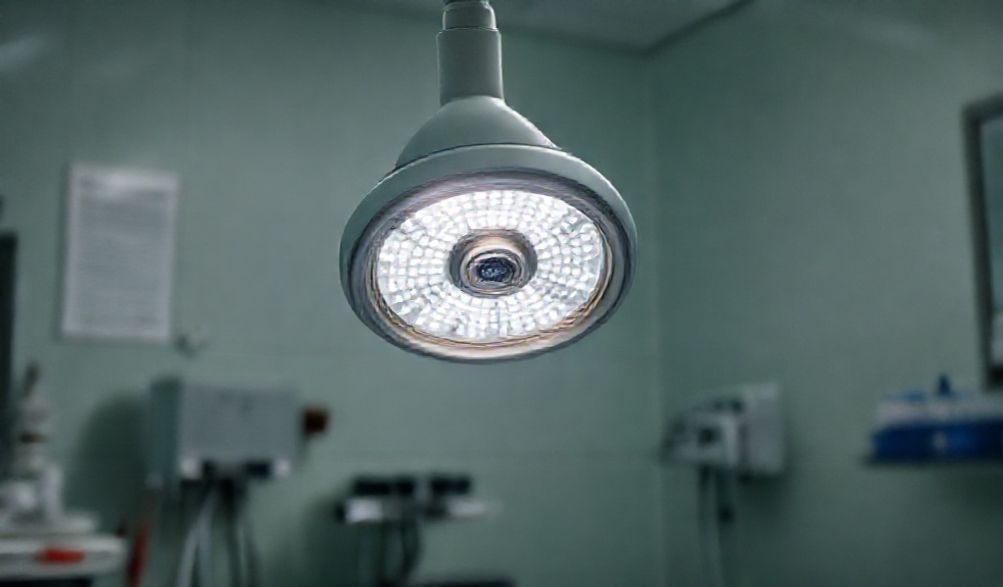
Veterinary Lighting: A Complete Guide to Optimal Animal Care & Clinic Efficiency
In the high-stakes world of veterinary medicine, every detail matters. From sterile instruments to advanced imaging, clinics are equipped with technology designed for precision. Yet, one fundamental element is often overlooked: lighting. Far more than just a utility for visibility, specialized veterinary lighting is a critical tool that sits at the intersection of science, welfare, and operational excellence. It directly impacts diagnostic accuracy, surgical success, patient recovery, and the long-term well-being of your staff.
This guide delves deep into the why and how of veterinary lighting. We’ll move beyond basic illumination to explore how the right light supports animal physiology, enhances clinical decision-making, and creates a more efficient, humane practice. Whether you’re a clinic owner planning a renovation, a practice manager optimizing workflows, or a veterinarian seeking to elevate your standard of care, understanding this essential component is the first step toward a brighter future for your patients and your team.
Why Specialized Veterinary Lighting is Non-Negotiable
Choosing the right lighting isn’t an interior design afterthought; it’s a core clinical and ethical decision. Standard office or retail lighting fails to meet the complex demands of a veterinary environment, potentially compromising care, safety, and efficiency.
Beyond the Exam Room: Lighting’s Impact on Animal Health & Behavior
Animals perceive light differently than humans. Proper lighting is a key environmental enrichment tool that directly influences their well-being.
- Circadian Rhythms and Recovery: Just like humans, animals have internal biological clocks regulated by light-dark cycles. Consistent, appropriate lighting in recovery wards and boarding kennels helps regulate sleep patterns, hormone production, and metabolism, which can accelerate healing and reduce stress.
- Stress Reduction: Harsh, flickering, or glaring lights can significantly elevate anxiety in patients. A nervous dog in a brightly lit, echoing kennel or a cat under a scorching exam light is already at a disadvantage. Calmer, diffuse lighting in waiting and recovery areas can create a more soothing atmosphere, making examinations easier and recovery more peaceful.
- Species-Specific Needs: This is paramount for exotic animals. Reptiles, for instance, often require specific UVB lighting to synthesize vitamin D3 for calcium metabolism. Birds have highly sensitive eyes and can be stressed by certain light spectrums. A one-size-fits-all approach can be detrimental to their health.
Enhancing Diagnostic Accuracy and Surgical Precision
This is where lighting transitions from a welfare concern to a direct clinical instrument. The ability to see clearly and accurately is non-negotiable.
- The Critical Role of CRI (Color Rendering Index): CRI measures a light source’s ability to reveal the true colors of an object compared to natural sunlight. A low CRI can distort colors, making it difficult to accurately assess tissue health, identify the subtle yellow tinge of jaundice, discern capillary refill time, or differentiate between shades of red that indicate oxygenation levels. For accurate diagnostics, a CRI of 90+ is essential.
- Shadow Reduction and Detail: In surgery and detailed examinations, shadows can hide crucial anatomy, a bleeding vessel, or a foreign body. Specialized surgical and exam lights are engineered with multiple LED points or reflective technology to “fill” shadows, providing uniform, deep-cavity illumination.
- Consequences of Poor Lighting: Fatigue, eye strain, and color distortion can lead to delayed diagnoses, missed details during surgery, and increased procedural time. In short, inferior lighting is a silent contributor to clinical risk.
Protecting Your Team: Ergonomics and Staff Fatigue
Your staff is your most valuable asset. The lighting they work under for 8-12 hours a day has profound effects on their health and performance.
- Combating Eye Strain and Headaches: Flickering fluorescent lights (a common issue with aging fixtures) are a major culprit behind headaches, migraines, and visual fatigue among veterinary professionals. Modern, high-frequency LED drivers eliminate perceptible flicker.
- Ergonomics in Surgery: A surgeon leaning in to see past a shadow or squinting under poor light is at risk for chronic neck, back, and shoulder strain. A high-quality surgical light provides brilliant, shadow-free illumination exactly where it’s needed, allowing for a more neutral, sustainable posture.
- Long-Term Occupational Health: Consistent exposure to glare and poorly directed light contributes to long-term visual problems. Investing in staff comfort is an investment in reduced absenteeism, higher job satisfaction, and retained expertise.
Key Types of Veterinary Lighting and Their Specific Applications
Veterinary lighting is not monolithic. Different areas of your practice require specialized solutions designed for specific tasks.
Surgical Lighting Systems: The Gold Standard for Procedures
The operating room demands the pinnacle of lighting technology. A surgical light is a precision instrument.
- Key Features:
- High Intensity & Adjustability: Must provide intense, focused light that can be dimmed for sensitive procedures or brightened for deep cavities.
- Exceptional Shadow Dilution: Achieved through multiple LED clusters or a ring design, virtually eliminating shadows from the surgeon’s head and hands.
- Color Temperature: Typically 5000K to 6700K (daylight white) to ensure true tissue color representation.
- Low Heat Emission: LED technology ensures minimal radiant heat on the surgical site, preventing tissue desiccation.
- Sterilizability: Lights must have sealed, smooth surfaces and often feature sterilizable handles or touch-free control sensors to maintain aseptic technique.
Examination & Diagnostic Lighting
This category requires versatility and accuracy to support the detective work of physical exams.
- Overhead Exam Lights: Adjustable-arm lights that provide bright, focused light for general exams, wound inspection, and dental procedures. They should be easy to position and have a high CRI.
- Portable Penlights & Transilluminators: Essential for checking mucous membrane color, pupil response, and for transillumination of small body parts. Bright, white LED sources are standard.
- Integrated Scope Lighting: The quality of light in your otoscopes and ophthalmoscopes is fundamental. Ensure these tools have bright, clear bulbs or LEDs for optimal visualization of ears, eyes, and nasal passages.
General Ambient & Ward Lighting
This lighting sets the overall tone of the clinic and supports animal welfare in housing areas.
- Waiting Areas: Should be welcoming and calm. Use warmer color temperatures (2700K-3500K) and diffuse lighting to reduce anxiety for pets and owners.
- Kennels & Recovery Wards: Require durable, easy-to-clean fixtures. Lighting should be uniformly bright for cleaning and observation but must be dimmable for overnight periods to allow animals to rest and maintain circadian rhythms. Avoid direct light shining into cages.
- Hallways & Treatment Areas: Need uniform, shadow-free general illumination for safe movement and ancillary tasks. Cool white light (4000K-5000K) is often suitable here for alertness.
Critical Technical Specifications to Evaluate
Navigating product specifications can be daunting. Here’s what those terms mean for your practice.
Understanding Color Temperature (Kelvin) and CRI
- Color Temperature (Measured in Kelvin/K): This describes the “warmth” or “coolness” of the light’s appearance.
- Warm White (2700K-3500K): Yellowish hue. Ideal for waiting rooms, client consultation areas, and overnight ward dimming. Promotes calm.
- Cool White/Natural White (4000K-4500K): Neutral white. Good for hallways, treatment areas, and offices.
- Daylight White (5000K-6700K): Crisp, blue-white light that mimics noon sunlight. Essential for surgery, dentistry, lab work, and exam areas where color accuracy is critical.
- Color Rendering Index (CRI): On a scale of 0-100, this measures color accuracy. Aim for a CRI of 90 or higher for any clinical task area (surgery, exam, lab). A CRI >95 is considered excellent for surgical applications.
Lumens, Lux, and Intensity: Measuring Light Output
- Lumens: Measures the total amount of visible light emitted by a source (its “brightness”).
- Lux: Measures how many lumens fall on a square meter of surface (illuminance). This is the practical metric.
- General Kennel/Ward: 200-300 lux
- Examination & Treatment: 500-1000 lux
- Surgery & Detailed Procedures: 10,000 to 160,000+ lux at the center of the field.
LED Technology: Why It’s the Modern Standard
Gone are the days of hot, energy-hungry halogen surgical lights and flickering fluorescents. LED is the unequivocal choice for modern clinics.
- Energy Efficiency: Uses a fraction of the electricity of halogen or fluorescent systems, significantly reducing operational costs.
- Long Lifespan: Rated for 30,000-50,000 hours or more, minimizing replacement frequency and maintenance downtime.
- Low Heat Output: Emits very little infrared radiation, keeping the surgical field and staff cooler.
- Instant On & Dimmable: Provides full brightness immediately and offers smooth, flicker-free dimming.
- Durability: Solid-state construction with no fragile filaments or glass tubes, making them more resistant to vibration.
Selecting the Right Lighting for Your Veterinary Practice
Armed with knowledge, how do you make the right choice for your unique clinic?
Assessing Your Clinic’s Layout and Needs
Start with an audit. Walk through each space and ask:
* What is the primary function of this room? (Surgery, exam, recovery, boarding)
* What are the critical visual tasks performed here? (Suturing, vein finding, reading charts, observing animals)
* What is the existing electrical infrastructure? Can it support new fixtures?
* What are the room dimensions and ceiling height? This affects light spread and mounting options.
* What color are the walls and ceilings? Light colors reflect light; dark colors absorb it.
Budgeting: Initial Cost vs. Total Cost of Ownership
While high-quality veterinary LED lighting requires a higher initial investment, its Total Cost of Ownership (TCO) is almost always lower.
* Factor in: Energy savings (60-80% less than halogen), reduced bulb replacement costs and labor, and the clinical benefits of improved accuracy and staff comfort. View it as a long-term investment in your practice’s quality and efficiency, not just an expense.
Installation and Maintenance Best Practices
- Positioning: Place exam and surgical lights to minimize obstructions. Ensure general ambient lighting is even to avoid dark corners and harsh shadows.
- Cleanability: Choose fixtures with smooth, sealed surfaces that can withstand frequent disinfection with veterinary-grade cleaners.
- Maintenance Schedule: Implement a routine check for flickering lights, dimming output, or damaged diffusers. Keep spare bulbs or modules for critical lights.
- Crucial Note: Always consult with a qualified electrician or a specialist in medical/veterinary equipment installation. Proper mounting, electrical safety, and ensuring warranties remain valid are paramount.
Frequently Asked Questions (FAQ)
What is the best color temperature for a veterinary surgery light?
Daylight white, in the range of 5000K to 6700K, is ideal. It most closely replicates natural sunlight, providing the best possible color accuracy for distinguishing between tissue types, assessing blood oxygenation, and identifying subtle changes in physiology.
Can I use standard LED bulbs from a hardware store in my exam rooms?
While a significant upgrade over old incandescent or fluorescent bulbs, standard commercial LEDs often have a CRI below 80, which is insufficient for accurate diagnostics. For exam rooms, seek out “high-CRI” (90+) or specifically “clinical-grade” LED panels or fixtures designed for color-critical environments.
How does lighting affect anxious pets in the clinic?
Harsh, flickering, or overly bright direct light can significantly increase stress and anxiety. In waiting areas, recovery wards, and kennels, use dimmable fixtures with warmer color temperatures (2700K-3500K) and indirect or diffuse lighting to create a calmer environment. Always avoid shining lights directly into an animal’s eyes.
Are there lighting considerations for exotic animals?
Absolutely. Reptiles, such as bearded dragons or turtles, often require specific UVB lighting for calcium metabolism and overall health. Avian patients have sensitive visual systems and may require full-spectrum lighting. For any exotic species, research their specific photoperiod and spectral needs or consult with an exotics specialist when designing their housing within your clinic.
What are the most important features in a surgical light?
Prioritize these features: 1) High intensity with adjustable levels for different procedures, 2) Excellent shadow dilution via a multi-point light source, 3) A Color Rendering Index (CRI) of 95 or higher, 4) Minimal heat radiation (inherent to good LEDs), and 5) Hygienic design with sterilizable handles or touch-free control to maintain the sterile field.
Conclusion
Investing in specialized veterinary lighting is an investment with a multifaceted return: superior patient outcomes, enhanced staff well-being, and greater clinic efficiency and safety. It is a foundational element that touches every aspect of practice, from the first impression in the waiting room to the final stitch in a complex surgery.
By focusing on the application, understanding the critical technical specifications like CRI and Kelvin, and evaluating products based on long-term value rather than just upfront cost, you can make informed decisions that elevate your standard of care. We encourage you to take a fresh look at your clinic’s illumination. Conduct an audit, consult with reputable veterinary equipment providers, and make lighting a priority in your planning—because in the mission to provide exceptional care, every detail, especially the light you work by, truly matters.
p>