
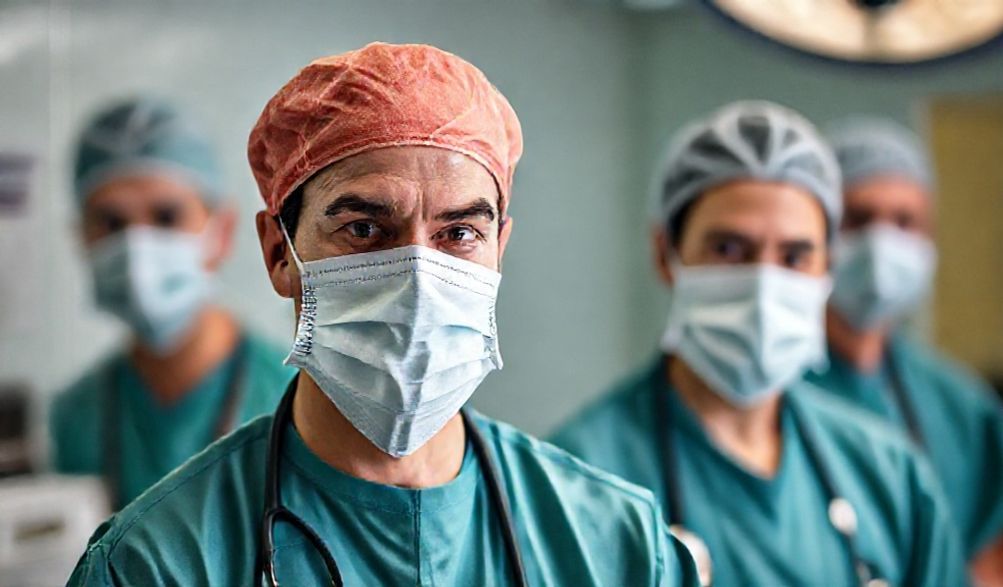
What Do Doctors Wear on Their Head? A Guide to Medical Headgear
Have you ever sat in a waiting room or watched a medical drama and found yourself wondering about the distinctive items on doctors’ heads? That simple question—what do doctors wear on their head—is a gateway to understanding the invisible principles that govern modern healthcare. It’s not about fashion or tradition; it’s a visible manifestation of science, safety, and specialization. From the simple blue cap to complex helmet systems, every piece of headgear is a functional tool with a critical purpose.
This guide will demystify the array of medical headgear you might encounter. We’ll explore the fundamental reasons behind their use, catalog the common types you’ll see, delve into specialized equipment, and even look at how headgear varies across different medical fields. By the end, you’ll see these items not as mere accessories, but as essential components in the mission to heal and protect.
The Primary Purpose: Hygiene and Infection Control
Before we identify specific hats and helmets, it’s crucial to understand the why. The overarching, non-negotiable reason for medical headgear is infection control. In healthcare, preventing the transmission of pathogens is a matter of life and death, and head coverings are a first line of defense in creating a sterile environment.
Containing Hair and Skin Particles
The human body is constantly shedding. Every day, we lose hundreds of skin cells and strands of hair. While invisible to the naked eye, these particles can harbor bacteria and other microorganisms. In a sensitive environment like an operating room or during a sterile wound dressing, introducing these particles could contaminate the “sterile field”—the meticulously prepared area around a surgical site or procedure. A head covering acts as a physical barrier, containing this natural shedding and dramatically reducing the risk of surgical site infections (SSIs), which are a major concern for patient safety.
Protecting the Patient and the Practitioner
This protection is a two-way street. Primarily, the gear protects the patient from contaminants originating from the healthcare team. However, it also protects the practitioner. During procedures, there is always a risk of exposure to splashes of blood, bodily fluids, or other potentially infectious materials. A cap prevents these fluids from contaminating the healthcare worker’s hair and scalp. In more extreme cases, like during the height of the COVID-19 pandemic, specialized hoods and helmets became critical in protecting staff from airborne pathogens. Thus, headgear is a key part of the universal precautions taken to ensure safety for all.
Common Types of Medical Headgear and Their Uses
Now that we understand the core principle, let’s look at the most common items you’ll see in hospitals and clinics. Each is designed with specific scenarios and requirements in mind.
The Bouffant Cap (Disposable Surgical Cap)
- Description: This is likely the image that comes to mind. It’s a loose-fitting, puffier cap made of lightweight, non-woven fabric (like a stiffer tissue paper). They are ubiquitous in shades of blue, green, and sometimes pink.
- Primary Use: The gold standard in operating rooms, catheterization labs, delivery rooms, and any environment requiring a high level of asepsis. Their design prioritizes full coverage.
- Key Features: The bouffant is designed to completely envelop all hair, including at the back and sides. It typically has an elastic band or tie strings to secure it comfortably under the chin. Its disposable nature ensures a fresh, sterile cap for every procedure.
The Surgeon’s Skull Cap (or “Beanies”)
- Description: A tighter-fitting, knit cap that conforms closely to the shape of the head, resembling a beanie or skullcap.
- Primary Use: Favored by many surgeons and proceduralists for long operations. Because it fits snugly, it’s less likely to shift, fall off, or obstruct peripheral vision. Its use can be a matter of personal preference and institutional policy.
- Key Features: Often made of a more durable, breathable material, skull caps can be disposable or reusable (made of cloth that is laundered under strict sterile conditions). It’s important to note that some infection control studies have debated their efficacy compared to bouffants, as tighter caps may not cover all hair at the nape of the neck as effectively. Many hospitals now require a bouffant to be worn over a skull cap for this reason.
The Surgical Hood
- Description: Think of this as a bouffant cap with an extended cape. It covers the head and has a generous drape that covers the neck, the top of the shoulders, and often has side flaps to cover sideburns and beard areas.
- Primary Use: Reserved for the most sterile of procedures. You’ll commonly see these in orthopedic surgeries (like total joint replacements) and organ transplants, where even the slightest contamination could be catastrophic. They are also mandatory for any staff member with facial hair (beards, sideburns) that extends beyond the coverage of a standard cap.
- Key Features: The surgical hood provides the most comprehensive barrier of any standard head covering, minimizing skin shedding from a larger area of the body.
Specialized Functional Headgear
Beyond basic coverage, some headgear provides active enhancement to a doctor’s capabilities or offers a higher tier of protection.
Surgical Loupes and Headlights
- Description: These are the magnifying lenses or focused LED lights you see perched on a surgeon’s or dentist’s forehead. Loupes are binocular telescopes mounted on a glasses frame or headband. Headlights are often integrated into the same system or worn separately.
- Primary Use: Precision. In fields like microsurgery, vascular surgery, neurosurgery, dentistry, and ophthalmology, seeing minute details is everything. Loupes provide essential magnification, allowing the surgeon to distinguish tiny nerves, blood vessels, and tissue planes. Headlights provide shadow-free, focused illumination deep into a surgical site.
- Key Features: They are ergonomic tools that reduce severe neck and back strain (by allowing the surgeon to sit or stand more upright) and prevent eye fatigue. They are a direct investment in surgical accuracy and patient outcomes.
Protective Face Shields and Helmets
- Description: This category ranges from simple clear plastic visors attached to a headband to sophisticated integrated systems like PAPRs (Powered Air-Purifying Respirators). A PAPR consists of a helmet or hood with a clear visor, connected to a battery-powered unit that blows filtered air across the wearer’s face.
- Primary Use: Barrier protection against high-risk exposures. They are essential for procedures that generate aerosols (tiny airborne particles) or splashes. Dentists and dental hygienists use them during cleanings and drilling. ENT surgeons use them during procedures on the sinuses or throat. They became a common sight during the COVID-19 pandemic for staff treating infectious patients.
- Key Features: These systems offer full facial protection, shielding the eyes, nose, and mouth from direct impact and fluid splashes. PAPRs add the crucial element of respiratory protection by providing a constant stream of clean air, which is more comfortable and secure than tight-fitting N95 masks for long procedures.
Beyond the Hospital: Headgear in Different Medical Fields
The principles of hygiene and protection extend throughout the medical and scientific world, with slight variations based on the work.
- Veterinarians: In the operating room, vets use the same disposable bouffant caps and surgical loupes as their human-medicine counterparts. In large animal practice, you might also see them wearing sturdy riding helmets or hard hats for protection when handling horses or cattle.
- Dentists & Dental Hygienists: Given that nearly every procedure creates aerosols (sprays of water, saliva, and debris), face shields or surgical loupes with attached shields are standard issue. They are a critical part of infection control in the dental office.
- Laboratory Scientists: In research, pharmaceutical, or clinical labs, scientists often wear simpler bouffant caps or hair nets. The goal here is twofold: to prevent their hair from contaminating sensitive experiments or sterile cell cultures, and to protect themselves from potential splashes of chemical or biological agents.
Frequently Asked Questions (FAQ)
Q: Why do surgeons sometimes wear those funny-looking magnifying glasses?
A: Calling surgical loupes “funny-looking” undersells their critical role. They are sophisticated optical instruments that provide vital magnification, often between 2.5x to 5.5x. This allows surgeons to perform delicate tasks—like suturing tiny blood vessels or repairing nerves—with superhuman precision, directly leading to better healing and outcomes for patients.
Q: Is there a difference between a nurse’s cap and a surgeon’s cap?
A: Yes, historically. The iconic white, origami-like nurse’s cap was a symbol of the profession but was phased out decades ago due to hygiene concerns—it was difficult to clean and could harbor pathogens. In modern sterile environments, all team members—surgeons, nurses, anesthesiologists, and technicians—wear the same standardized head coverings (bouffants, skull caps, or hoods) based on procedure requirements, not profession.
Q: Can doctors choose any hat they want to wear?
A: Not exactly. While there is some room for personal preference regarding fit and comfort (e.g., choosing a cloth skull cap over a bouffant if policy allows), the choice is ultimately dictated by strict hospital infection control protocols and the specific demands of the procedure. A surgeon performing a knee replacement doesn’t have the option to forgo a hood. Safety and evidence-based practice always trump personal style.
Q: Why are most surgical caps and scrubs blue or green?
A: This is a brilliant example of ergonomic design. These colors are opposite red on the color wheel. During long surgeries, a surgeon’s eyes are fixated on red and pink internal tissues. Looking away at a white wall or drape can create distracting green “afterimages” or ghosting on their retina. By providing a blue or green background in their peripheral vision (from colleagues’ scrubs and caps), this visual fatigue and distraction are minimized, helping them maintain focus and visual accuracy.
Conclusion
The next time you find yourself asking, “what do doctors wear on their head?” you’ll know you’re inquiring about much more than fabric and fashion. You’re asking about the pillars of modern medicine: sterility, safety, and precision. From the humble bouffant cap that guards against invisible threats to the high-tech loupes that bring the microscopic into view, each piece of headgear is a testament to a relentless commitment to patient care. It’s a daily, visible reminder that in medicine, every detail matters—right down to what’s on top of their heads.
p>