
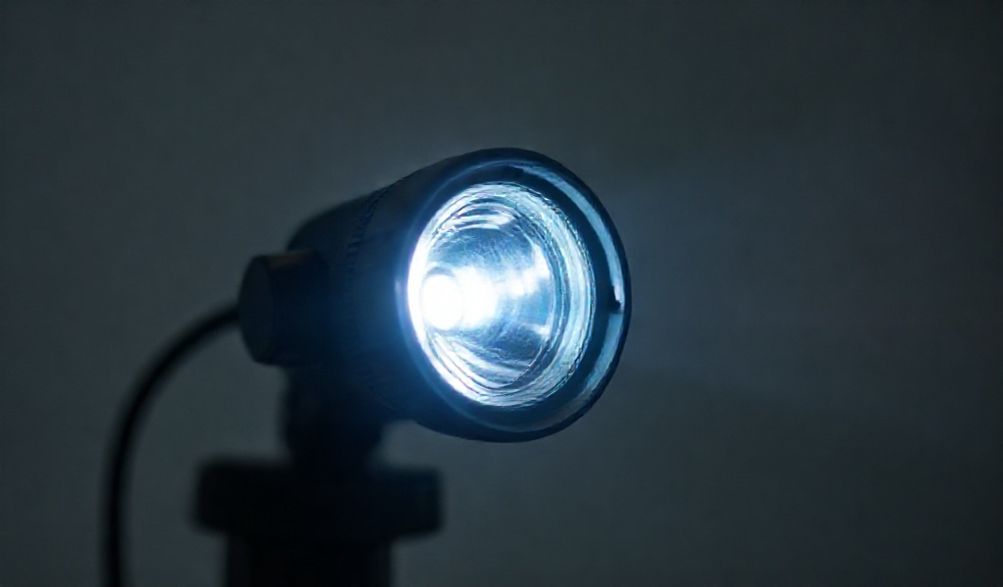
Wireless Loupe Light: The Ultimate Guide to Hands-Free Illumination for Precision Work
You’re hunched over your workbench, squinting at a tiny component. Your neck is stiff, your eyes are straining, and the single overhead lamp casts a frustrating shadow right where you need to see most. You shift your posture, trying to catch the light, but it’s no use. A tangled cord from your magnifying lamp snags on your tools, and you let out a sigh of frustration. This scenario—a battle against poor lighting, restricted movement, and physical strain—is a daily reality for countless professionals and dedicated hobbyists.
But what if you could shed those constraints? Enter the wireless loupe light, the modern liberator for anyone performing detailed, precision work. This ingenious tool seamlessly merges hands-free magnification with brilliant, cordless LED illumination, transforming cluttered, frustrating workspaces into zones of focused clarity and freedom.
This guide is designed to be your comprehensive, expert-driven resource. We’ve distilled technical specifications, analyzed user experiences across industries, and compiled industry best practices to cut through the noise. Our goal is to provide you with the authoritative knowledge needed to make a confident, informed decision. By the end of this post, you’ll understand exactly what a wireless loupe light is, who benefits most from it, the critical features to look for, and how to integrate this powerful tool into your workflow to achieve new levels of precision and comfort.
What is a Wireless Loupe Light? Defining the Tool
At its core, a wireless loupe light is a wearable optical system. It combines a magnifying lens (loupe) with an integrated array of LED lights, all powered by a rechargeable battery and mounted on an adjustable headband or frame. This design delivers bright, focused light directly in your line of sight, leaving both hands completely free to work.
Core Components Explained
- Magnification Loupe: This is the heart of the system. Loupes come in various powers, typically ranging from 2x to 5x or higher. Unlike a simple magnifying glass, these are often multi-lens Galilean or prismatic systems that provide a wider, clearer field of view with reduced distortion. The magnification level is a key choice, balancing the need for detail with the available working area and depth of field.
- Integrated LED Light Array: The illumination source is a ring or cluster of LEDs mounted around the loupe. Key specifications include:
- Brightness: Measured in lumens; higher lumens mean a brighter light, often adjustable to suit the task.
- Color Temperature: Ranging from warm white (2700K-3500K) to cool, daylight white (5000K-6500K). Daylight-balanced light is often preferred for its neutral, shadow-reducing qualities.
- CRI (Color Rendering Index): A critical metric (on a scale of 0-100) that measures how accurately the light source reveals the true colors of an object. A high CRI (90+) is essential for color-critical tasks.
- Rechargeable Battery & Charging System: The “wireless” capability comes from a built-in lithium-ion battery pack, usually housed on the back of the headband for balance. Modern models feature USB-C charging for convenience and fast recharge times, offering several hours of cord-free operation.
- Adjustable Headband or Mounting Options: Comfort and stability are paramount. A high-quality headband will be padded, adjustable, and designed to distribute weight evenly across the head. Some models offer alternative mounts, such as clips for attaching to glasses or articulating arms for bench use.
The Evolution from Traditional to Wireless
The wireless loupe light represents a significant evolution from its predecessors. Traditional setups often involved a bulky, corded magnifying lamp that occupied desk space and limited movement, or a separate headlamp paired with standalone magnifiers—a clumsy combination that rarely aligned light and magnification perfectly.
The key advantage of the wireless model is the elegant integration and liberation from the power outlet. By eliminating the cord, it removes a major safety hazard (tripping), a source of clutter, and a significant constraint on movement. This allows the user to maintain a natural, ergonomic posture and move freely around their work, whether it’s a patient, a circuit board, or a miniature figurine.
Key Applications: Who Needs a Wireless Loupe Light?
The fusion of magnification, perfect lighting, and total mobility makes this tool indispensable across a wide range of fields.
Dentistry & Medical Procedures
For dentists, surgeons, and veterinarians, visibility is non-negotiable. A wireless loupe light illuminates deep cavities and surgical sites with co-axial light (light aligned with the line of sight), eliminating shadows. The cordless design is a sterility boon, removing a potential contaminant from the field, and allows for unimpeded movement around the patient, improving both outcomes and practitioner ergonomics.
Electronics Repair & PCB Soldering
Working with surface-mount devices (SMDs) and tiny solder joints demands extreme precision. A wireless loupe light provides the shadow-free illumination needed to see minute components and solder pads clearly. The hands-free nature is crucial when both hands are occupied with a soldering iron and tweezers, increasing accuracy and reducing costly errors.
Jewelry Making, Watchmaking, & Crafting
From setting microscopic gemstones and repairing intricate watch movements to detailed metal engraving, these crafts live in the realm of the minute. A high-magnification loupe with a high-CRI light ensures accurate color assessment of gems and metals and reveals the finest details, enabling flawless workmanship.
Tattoo Artists & Aesthetic Practitioners
Consistent, shadow-free lighting is vital for executing crisp lines and ensuring even pigment placement. A wireless loupe light allows tattoo and permanent makeup artists to maintain their preferred working angle without fighting overhead lights, ensuring their view of the skin’s canvas is always perfectly lit.
Model Building & Miniature Painting
Hobbyists painting warhammer miniatures or assembling detailed scale models rely on the ability to see fine textures and apply precise brushstrokes. A loupe light brings these tiny details into sharp focus under neutral, bright light, allowing for astonishing levels of detail and color accuracy that are impossible under normal room lighting.
Critical Features to Consider When Buying
Choosing the right model requires careful consideration of several technical and ergonomic factors.
Magnification Power and Field of View
This is your primary decision. Lower magnification (2x-3.5x) offers a larger field of view and greater depth of field, making it excellent for general tasks, soldering, and work where you need spatial context. Higher magnification (4x-6x) provides extreme detail for micro-soldering, fine engraving, or dental procedures but comes with a smaller field of view and shallower depth of field, requiring you to stay at a very specific working distance.
Lighting Quality and Adjustability
- CRI (Color Rendering Index): Do not overlook this. For any task involving color matching—dental shade selection, gem grading, painting—insist on a CRI of 90 or higher. It reduces eye strain and ensures your work is color-true.
- Brightness & Dimmability: Look for a model with multiple brightness levels. The ability to dim the lights prevents glare on reflective surfaces and allows you to tailor the intensity to the task.
- Light Modes: Some models offer switchable color temperatures (e.g., warm and cool white). This can be useful, but a high-CRI, daylight-balanced (5000K-6000K) mode is the most versatile standard.
Battery Life and Charging
Manufacturer claims can be optimistic. Seek out real-world user reviews about battery life. A good benchmark is 4-8 hours of continuous use on a medium setting. USB-C charging is now standard and highly recommended for its universality and potential for faster charging. A battery level indicator is a helpful feature.
Comfort and Ergonomics
You may wear this for hours. Key comfort features include:
* Weight Distribution: A counterweighted battery at the back balances the front loupe.
* Padded Headband: A wide, breathable, and adjustable headband relieves pressure points.
* Adjustable IPD & Depth: The loupe should allow you to adjust the interpupillary distance (lens spacing) and the distance from your eyes to fit your face and whether you wear glasses underneath.
Build Quality and Durability
This is a professional tool. Look for robust materials like magnesium alloy frames, which are strong and lightweight. Lenses should have anti-reflective, anti-fog, and scratch-resistant coatings. The overall construction should feel solid, not flimsy, to withstand daily use.
Advantages of Going Wireless: Beyond the Cord
The benefits extend far beyond simply cutting a cord.
Unmatched Mobility and Flexibility
You are no longer a prisoner of the outlet radius. Move around your workspace, stand up, lean in, or reposition yourself without a second thought. This fluidity is transformative for dynamic tasks.
Enhanced Safety and Cleanliness
The tripping hazard of a cord is eliminated—a major safety win in any workshop or clinic. In sterile environments, the absence of a cord simplifies setup and reduces contamination vectors.
Improved Ergonomics and Reduced Fatigue
By bringing optimal light and magnification directly to your eyes, you can maintain a healthier, more upright posture. You no longer need to crane your neck to catch light from a fixed source, significantly reducing long-term strain on your neck, back, and shoulders.
Consistent, Shadow-Free Illumination
Because the light source is co-axial (centered on your line of sight), it illuminates your focal point directly. Shadows, the eternal enemy of detail work, are virtually eliminated. What you look at is perfectly lit.
Potential Limitations and How to Mitigate Them
Being aware of potential drawbacks allows you to plan for them.
Battery Dependency
The Limitation: You are reliant on the battery. Running out of power mid-task is a real disruption.
The Mitigation: Develop a charging routine—plug it in at the end of every work session. Know the real-world battery life of your model and plan long tasks accordingly. Consider a model with a “quick charge” feature for a mid-day boost.
Initial Investment Cost
The Limitation: High-quality wireless loupe lights represent a significant upfront cost compared to basic magnifying lamps.
The Mitigation: Frame this not as an expense, but as a long-term investment in your productivity, the quality of your work, and your physical well-being. The gains in accuracy, speed, and comfort often lead to a rapid return on investment for professionals.
Adjustment Period and Depth Perception
The Limitation: First-time users often need time to adapt to working under magnification. Depth perception can be altered, and hand-eye coordination must recalibrate.
The Mitigation: Acknowledge the learning curve. Start with shorter sessions for simple tasks. Practice picking up and placing small objects. Your brain will adapt remarkably quickly, usually within a few hours of total use.
How to Use and Maintain Your Wireless Loupe Light
Proper setup and care will ensure peak performance and longevity.
Initial Setup and Calibration
- Adjust the Headband: Fit the headband so it sits comfortably around the crown of your head, not on your forehead. The back strap should cradle the base of your skull.
- Set the IPD: Look through the loupe at a distant object with straight lines. Adjust the lens barrels until you see a single, clear, circular field of view without black edges (vignetting).
- Set the Working Distance: Loosen the relevant knobs and slide the loupe assembly forward or backward until your hands, in their typical working position, are in sharp focus. Tighten securely.
Best Practices for Optimal Lighting
- Start with a medium brightness setting to avoid glare.
- Position your work so it is fully within the illuminated, magnified field.
- For highly reflective materials (like polished metal), reduce brightness or angle your head slightly to deflect glare.
Cleaning and Care Instructions
- Lenses: Always use a soft, microfiber cloth designed for optics. Use a small amount of lens cleaner if necessary. Never use paper towels or clothing, which can scratch coatings.
- Body: Wipe down with a slightly damp cloth. Avoid harsh chemicals.
- Storage: Keep it in its protective case when not in use to prevent dust, scratches, and accidental damage.
Battery Care for Longevity
- Do: Use the charger provided by the manufacturer. Perform occasional full discharge/charge cycles. Store in a cool, dry place.
- Don’t: Let the battery fully discharge and remain dead for extended periods. Expose it to extreme heat or cold. Use a damaged charging cable.
Frequently Asked Questions (FAQ)
Q1: What is the typical battery life on a single charge for a wireless loupe light?
A: Most quality models offer between 4 to 8 hours of continuous use on a medium setting, but it varies significantly by brightness level and model. Always check real-world user reviews alongside the manufacturer’s specifications.
Q2: Can I wear my prescription glasses with a loupe light?
A: Yes, many models are designed to accommodate prescription glasses. Look for features like generous eye relief (distance from lens to eye), adjustable depth, and flip-up loupes that allow you to wear them comfortably over your glasses.
Q3: Are wireless loupe lights heavy or uncomfortable for long sessions?
A: Modern designs prioritize ergonomics. The best models use lightweight materials (like magnesium frames), wide padded headbands, and counterweighted battery packs to distribute weight. A proper fit is crucial for all-day comfort, so adjustability is key.
Q4: How do I choose between different magnification levels?
A: Consider your primary task. Lower magnification (2x-3.5x) offers a larger field of view and is great for general assembly, soldering, and tasks requiring hand-eye coordination. Higher magnification (4x-6x) provides extreme detail for very fine work like micro-soldering or intricate carving but has a smaller, more focused field.
Q5: Is a high CRI (Color Rendering Index) really important?
A: Yes, especially for color-critical work. A high CRI (90+) ensures the light reveals true, accurate colors, which is vital in dentistry (matching tooth shades), jewelry (grading gems and metals), and any form of artistry or restoration. It also reduces eye strain by providing natural-looking illumination that helps you see subtle contrasts and details.
Conclusion
The wireless loupe light is more than just a convenient gadget; it is a fundamental upgrade to the toolkit of anyone engaged in precision work. By delivering hands-free magnification, brilliant and accurate illumination, and total freedom of movement, it directly addresses the core challenges of detail-oriented tasks: poor lighting, physical strain, and restricted dexterity.
As we’ve explored, investing in the right tool—one chosen with careful attention to magnification, light quality, battery life, and ergonomics—is an investment in the quality of your output, the efficiency of your process, and the long-term health of your body. It bridges the gap between human vision and microscopic detail, empowering you to work with a level of clarity and comfort that was previously difficult to achieve.
Ultimately, selecting a wireless loupe light is about choosing to enhance your capabilities. We encourage you to reflect on your specific needs, weigh them against the criteria outlined here, and take the step toward equipping yourself with a tool that doesn’t just help you see your work—it helps you master it.
p>