
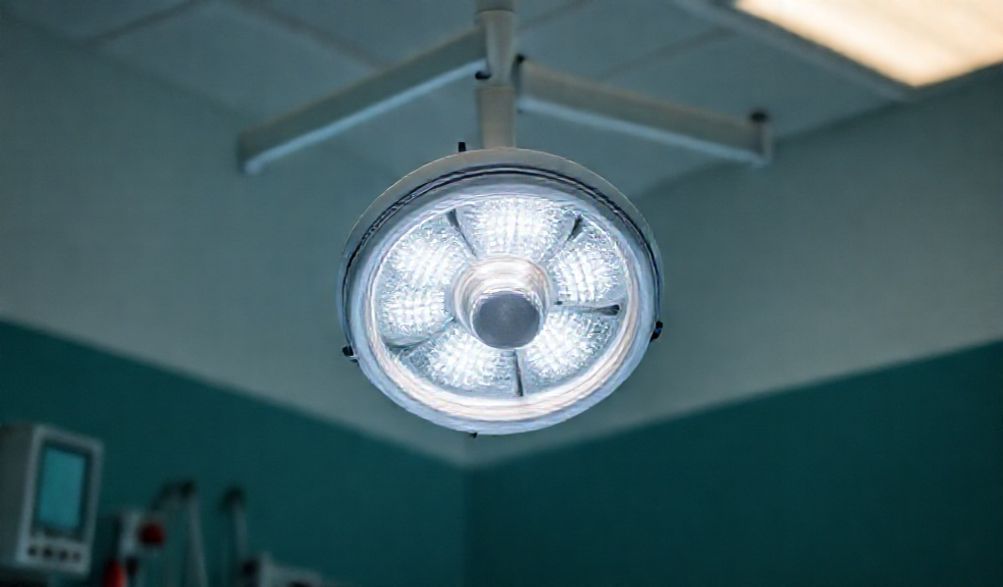
Operating Room Lamps: A Comprehensive Guide to Surgical Lighting Technology
Imagine a master sculptor, chisel in hand, poised to create a masterpiece. Now, imagine they must work in near darkness, with only a flickering candle to guide their cuts. The result would be unthinkable. In the high-stakes environment of modern surgery, the scenario is analogous, but the consequences are measured in human outcomes. What if a surgeon’s most vital tool wasn’t the scalpel, forceps, or imaging screen, but the fundamental element that allows them to see: the light.
This guide is designed as an authoritative resource for the professionals who understand this critical dependency: surgeons, anesthesiologists, OR nurses, clinical engineers, and healthcare facility managers. Compiled from surgical best practices, technical guidelines, and manufacturer specifications, we will dissect the technology behind the modern operating room lamp. We will move beyond viewing it as simple overhead lighting to understanding it as a sophisticated, life-enabling system. By naturally exploring surgical lighting, illumination science, and shadow reduction technology, this article aims to illuminate the path to optimal selection and use. Our thesis is clear: a deep understanding of operating room light technology, features, and protocols is not an administrative detail—it is a direct contributor to surgical precision, patient safety, and successful clinical outcomes.
The Critical Role of Lighting in Modern Surgery
In the operating theater, light is the first and most constant diagnostic and interventional tool. It is the medium through which anatomy is revealed, pathology is identified, and every delicate maneuver is executed.
Beyond Illumination: How Light Impacts Surgical Outcomes
The link between superior visualization and surgical success is unequivocal. Optimal lighting directly contributes to:
- Enhanced Precision and Accuracy: The ability to clearly differentiate between subtle tissue types—distinguishing a nerve from a blood vessel, or identifying the precise border of a tumor—is paramount. High-fidelity lighting reduces guesswork, allowing for more accurate dissections and repairs.
- Reduced Surgeon Fatigue: Straining to see in poor light causes significant visual and cognitive fatigue. Eyestrain, headaches, and decreased concentration can set in during long procedures. A well-lit, homogenous field minimizes this strain, helping to maintain peak surgeon performance throughout an operation.
- Decreased Error Rates: Poor visualization is a root cause of avoidable errors. Inadequate shadow control or poor color rendering can lead to misinterpretation of tissue planes or missed anatomical landmarks. Clinical guidelines, including those from associations like the Association of periOperative Registered Nurses (AORN), emphasize the provision of appropriate illumination as a fundamental patient safety standard.
Core Requirements: What Defines an Effective OR Light?
Not all light is suitable for surgery. Effective operating room illumination must meet several stringent, simultaneous demands:
- Intensity (Illuminance): Measured in lux, it must be powerful enough to illuminate deep cavities (like in cardiac or pelvic surgery) without causing thermal damage or glare. Typical requirements range from 40,000 to 160,000 lux at the center of the field.
- Color Temperature & Rendering: The light’s “whiteness,” measured in Kelvin (K), affects perception. A cooler, daylight-like temperature (4000K-5000K) is often preferred for its bright, alert quality. More critically, the Color Rendering Index (CRI) must be very high (>90) to ensure tissues appear in their true, natural colors.
- Shadow Control: The surgeon’s head and hands are constant obstacles. A premium operating room lamp is engineered to minimize these obstructive shadows, a concept we will explore in depth.
- Homogeneity: The light must be evenly distributed across the entire surgical field, with no hot spots (excessively bright areas) or dim zones at the periphery, ensuring consistent visibility regardless of where the surgeon is working.
Key Technologies & Features of Advanced Operating Room Lamps
The evolution from simple incandescent bulbs to today’s systems represents a revolution in medical technology. Understanding these features is key to evaluating any operating room lamp.
LED Technology: The New Standard for Surgical Lighting
Light Emitting Diode (LED) technology has completely supplanted older halogen and metal halide sources, and for compelling reasons:
- Cool Light Operation: LEDs emit minimal infrared radiation, drastically reducing the heat projected onto the surgical site and the surgical team. This prevents tissue desiccation and improves comfort.
- Exceptional Longevity: LED arrays can last for tens of thousands of hours, far exceeding traditional bulbs. This reduces replacement frequency, maintenance costs, and the risk of lamp failure during a procedure.
- Superior Color Rendering: Advanced LEDs can achieve a CRI of 95 or higher, providing exceptional fidelity for tissue differentiation.
- Energy Efficiency: LEDs consume significantly less power than their predecessors, leading to substantial energy savings for the hospital and a reduced environmental footprint.
- Instant On/Off & Dimming: Unlike some older technologies, LEDs provide full intensity immediately and can be dimmed smoothly without color shift.
Mastering Shadow Management: Multi-Source and Coaxial Systems
The pursuit of “shadow-free” light is central to surgical lamp design. It is achieved through intelligent optical engineering:
- Multi-Source Systems: Modern lamps feature a central array composed of hundreds, even thousands, of individual LED elements arranged in concentric rings. These rings project light from multiple, slightly offset angles. When a surgeon’s head blocks light from one ring, the other rings fill in the shadow from different angles, dramatically reducing its depth and obscurity.
- Coaxial Light Paths: This more advanced design incorporates a parabolic reflector. Light is emitted and then reflected in parallel paths, creating a column of light. This design is exceptionally effective at minimizing the formation of shadows, particularly from instruments and hands deep within a cavity, as the light envelops objects from all sides.
Color Rendering Index (CRI) and Tissue Differentiation
The CRI is a quantitative measure (on a scale of 0-100) of a light source’s ability to reveal the true colors of objects compared to a natural reference light. In surgery, a high CRI is non-negotiable.
- A low-CRI light might make oxygenated arterial blood and deoxygenated venous blood appear similar in hue, or fail to highlight the subtle color difference between healthy parenchyma and ischemic or cancerous tissue.
- A high-CRI operating room lamp (>90, with >95 being ideal) ensures that the surgeon sees a faithful, realistic color palette. This visual accuracy is crucial for identifying anatomical structures, assessing tissue viability, and controlling bleeding.
Ergonomic Design and Maneuverability
A brilliant light is useless if it cannot be positioned precisely and maintained sterility. Key ergonomic features include:
- Sterile Handles: Removable, autoclavable handles allow the surgical team to reposition the light during the procedure without breaking the sterile field.
- Counterbalanced Arms: Sophisticated spring or hydraulic systems allow the heavy lamp head to float effortlessly, enabling smooth, single-handed positioning with minimal effort and no drift.
- Reach and Articulation: The system must have sufficient reach to cover any point on the OR table and enough articulation (through multiple ceiling-mounted or rail-mounted arms) to position the light from almost any angle, including for procedures where the surgeon is seated.
How to Choose the Right Operating Room Light: A Buyer’s Guide
Selecting an operating room lamp is a significant capital investment with long-term clinical implications. The decision should be driven by clinical need, not just initial cost.
Assessing Your Surgical Specialty’s Needs
Different specialties have unique visualization challenges:
- General & Abdominal Surgery: Requires a wide field diameter and good depth of illumination for open cavities.
- Neurosurgery & Spinal Surgery: Demands extremely high intensity and superb shadow control for deep, narrow wounds. A smaller, more focused field diameter may be beneficial.
- Cardiac Surgery: Needs a combination of deep-cavity lighting and the ability to maintain sterility around a crowded surgical field.
- Orthopedic Surgery: Benefits from homogeneous light over large surface areas (like a limb) and robustness to withstand a busy OR environment.
- Endoscopy/Minimally Invasive Surgery: While primary visualization is via the endoscope camera, overhead lighting is still crucial for port placement, instrument handling, and monitoring the patient.
Key Specifications to Compare
When evaluating models, use this checklist to compare core performance metrics:
| Specification | What It Means | Why It Matters |
| :— | :— | :— |
| Illuminance (Lux) | Light intensity at the center of the field. | Determines brightness. 100,000+ lux is common for high-performance lamps. |
| Field Diameter | The size of the illuminated area at a standard distance (e.g., 1m). | Must be large enough to cover the surgical site. Adjustable via the “diapason” feature. |
| Depth of Illumination | How far into a cavity effective light penetrates. | Critical for deep procedures. A good ratio between center and depth (e.g., 60% at 20cm) is key. |
| Diapason | The ability to adjust the focus from a wide field to a small, intense spot. | Provides flexibility for different procedure types and phases. |
| Color Temperature | The perceived “warmth” or “coolness” of the white light. | Often adjustable (e.g., 3500K-5000K) to suit surgeon preference and tissue type. |
Integration with the OR Ecosystem
Today’s OR is a networked environment. Consider how the light integrates:
- Camera & Video Systems: Many lamps offer integrated or attachable 4K/HD cameras for recording and broadcasting the surgical field for teaching and telemedicine.
- Mounting Options: Ceiling-mounted (fixed or on tracks) is standard. Rail systems offer greater flexibility for multi-room use or specific room layouts.
- Control Interfaces: Look for intuitive touchscreen controls, compatibility with OR integration systems (like nurse call or room control panels), and backup manual controls.
Installation, Maintenance, and Safety Protocols
Proper stewardship of an operating room lamp is essential for safety, performance, and longevity. This section underscores the trustworthiness of following rigorous protocols.
Professional Installation and Calibration
Installation is not a DIY task. It must be performed by certified biomedical or clinical engineering technicians. They ensure:
* Secure mechanical mounting to the structure, capable of supporting the dynamic load.
* Correct electrical connection and grounding to prevent shock hazards.
* Initial calibration of light intensity, field homogeneity, and color temperature to manufacturer specifications.
Routine Cleaning and Disinfection Procedures
Maintaining sterility is critical. Always follow the manufacturer’s specific Instructions for Use (IFU). General principles include:
* Between Procedures: Wipe down all non-sterile surfaces, especially the handles and control panels, with an approved hospital-grade disinfectant.
* Daily/Weekly: Perform a more thorough cleaning of the entire arm assembly and lamp head housing.
* Sterile Handles: Ensure handles are properly sterilized (often via autoclave) according to the defined cycle and are stored in a sterile package until use.
Scheduled Preventive Maintenance
A proactive maintenance schedule prevents catastrophic intraoperative failure. This should include, at minimum:
* Monthly/Quarterly Checks: Visual inspection for physical damage, test of all movements and brakes, verification of smooth articulation.
* Bi-Annual/Annual Service: Performed by a qualified technician. This involves measuring and recalibrating light output (lux) and color temperature, checking electrical safety, and lubricating mechanical joints as specified.
* Documentation: All maintenance and repairs must be meticulously logged to comply with regulatory standards (like Joint Commission or FDA) and for asset management.
Frequently Asked Questions (FAQ) About Operating Room Lamps
Q1: Why have LED lights replaced halogen lights in most modern ORs?
A: LEDs have become the standard due to their significant advantages: they produce far less heat (reducing tissue drying and surgeon discomfort), are vastly more energy-efficient, have a much longer lifespan (reducing replacement costs and downtime), and offer superior, more consistent color rendering for accurate tissue visualization.
Q2: How is “shadow-free” light actually achieved?
A: True “shadow-free” light is achieved through optical design. By using multiple light sources (hundreds of LEDs arranged in rings) that converge on the surgical field from slightly different angles, the shadow created by an obstruction (like a surgeon’s head) is filled in by light from the other sources. Coaxial systems use reflected parallel light paths to further envelop objects and minimize shadows.
Q3: What does the Color Rendering Index (CRI) mean for surgery?
A: The CRI measures how accurately a light source reveals the true colors of objects. In surgery, a high CRI (90+) is critical because it allows the surgeon to see tissues, organs, and blood vessels in their natural, realistic colors. This reduces diagnostic uncertainty and is vital for distinguishing between similar-looking tissues, which is fundamental to safe and precise surgical intervention.
Q4: How often should surgical lights be serviced or replaced?
A: Servicing should follow the manufacturer’s recommended preventive maintenance schedule, typically involving professional calibration at least annually. The LED light source itself may last 50,000 hours or more, but the entire system should be evaluated for replacement based on factors like outdated technology, mechanical wear, inability to meet current intensity/color standards, or the cost of maintaining an obsolete model.
Q5: Can operating lights be customized for different procedures?
A: Absolutely. Many advanced lamps offer customizable settings. Surgeons can often save preferences for light intensity and color temperature. Some systems allow adjustment of the color spectrum—for example, enhancing reds for better vascular visualization or using a cooler, bluer light for superficial tissue procedures. The adjustable focus (diapason) also allows customization from a wide field to a concentrated spot.
Conclusion
The operating room lamp stands as a testament to the principle that in surgery, seeing is not just believing—it is succeeding. It is a foundational pillar of the modern OR, a complex piece of technology that directly influences procedural safety, surgical efficiency, and ultimately, patient outcomes. From the cool, precise beam of its LED arrays to the intelligent engineering that banishes obstructive shadows, every aspect is designed to empower the surgical team.
The core advice for any procurement or management decision is to view this equipment strategically. Prioritize clinical performance, ergonomic reliability, and long-term safety over short-term cost savings. Engage your clinical engineers, consult with experienced surgeons from relevant specialties, and demand data-driven specifications from reputable manufacturers.
As we look forward, the integration of surgical lighting with other technologies will only deepen. We are already seeing the convergence with 4K/3D imaging systems, augmented reality overlays for surgical navigation, and even the potential for AI-driven adaptive lighting that adjusts in real-time to the procedure’s phase. By understanding the principles outlined in this guide, healthcare professionals can ensure their facilities are illuminated not just for today’s operations, but for the future of surgery.
p>