
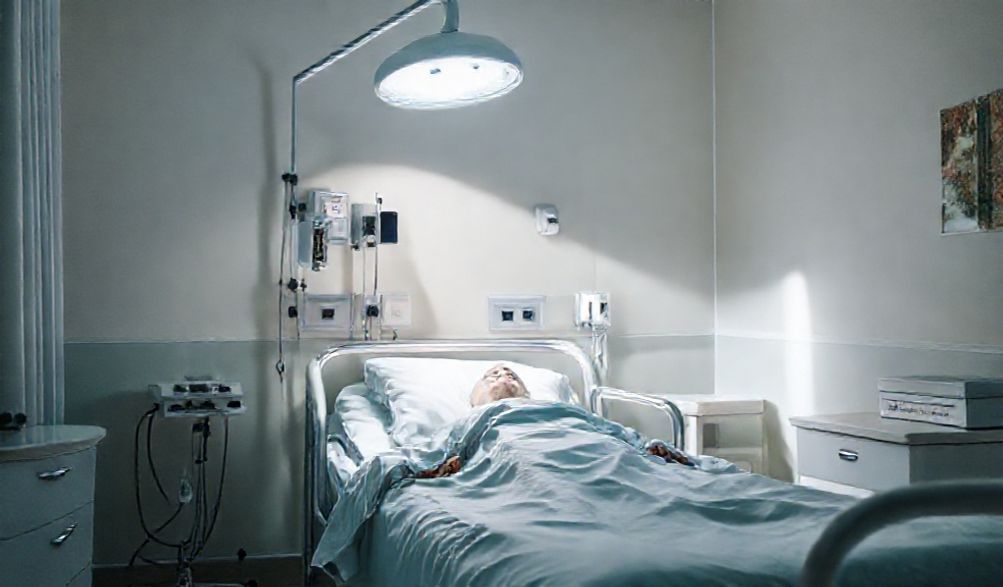
The Ultimate Guide to Patient Bed Lights: Safety, Comfort, and Healing
In the intricate ecosystem of a healthcare facility, where advanced machinery and clinical protocols command attention, the humble patient bed light is often an afterthought. Yet, this singular fixture holds a profound and multifaceted role. Far more than a simple source of illumination, a well-chosen patient bed light is a critical tool at the intersection of clinical efficacy and human-centered care. It directly influences patient safety, empowers medical staff, and subtly orchestrates an environment conducive to healing. This comprehensive guide delves into the essential considerations, technologies, and applications of patient bed lighting, illuminating how this fundamental element supports the complex journey from treatment to recovery.
Why Patient Bed Lighting is Critical for Healthcare Settings
The quality of light surrounding a patient’s bed is not merely a matter of convenience; it is a foundational component of a safe and therapeutic environment. Its impact radiates outward, touching every aspect of the care experience.
Enhancing Patient Safety and Reducing Risks
The most immediate role of a patient bed light is to safeguard the patient. In an unfamiliar room, disoriented by medication or condition, a patient navigating to the bathroom at night is at high risk for falls—a leading cause of injury in healthcare settings. A strategically placed, easily accessible light that illuminates the floor path can prevent trips and stumbles.
Beyond mobility, proper lighting ensures patients can clearly see and identify crucial items: the nurse call button, a glass of water, their personal belongings, or prescribed medications. This visual clarity prevents errors and reduces anxiety. Furthermore, for patients who read, write, or engage in activities to pass the time, adequate task lighting prevents eyestrain and headaches, contributing to their overall physical comfort.
Supporting Clinical Staff and Medical Procedures
For nurses and physicians, the patient bed light is an indispensable partner in delivering precise care. Procedures like wound assessment, dressing changes, IV insertion, and physical examinations demand excellent, shadow-reduced illumination. A high-quality مصباح الفحص allows clinicians to see subtle changes in skin color, wound bed granulation, or vein topography, leading to more accurate assessments and interventions.
This dedicated lighting improves staff efficiency and ergonomics. Instead of relying on overhead room lights that cast shadows and may disturb other patients, a maneuverable bed light provides focused light exactly where and when it’s needed. The color temperature of this light is also crucial; a cooler, daylight-white light (higher Kelvin rating) enhances contrast and visual acuity for detailed tasks, directly supporting clinical accuracy.
Promoting Patient Comfort and Psychological Well-being
Perhaps the most nuanced function of a patient bed light is its influence on a patient’s psychological state and circadian rhythm. Hospitals are inherently disruptive to sleep cycles. Harsh, bluish overhead lights at night can suppress melatonin production, hindering restful sleep which is vital for healing.
A good bed light system counters this. Features like wide-range dimming and warm color temperature settings allow for a gentle, ambient glow that provides orientation without being disruptive. Directional control ensures light can be cast onto a book without shining into the patient’s—or their roommate’s—eyes. Most importantly, giving the patient direct, intuitive control over their immediate light environment fosters a sense of autonomy and normalcy in a setting where they often feel powerless, thereby reducing anxiety and promoting mental well-being.
Key Features to Consider When Choosing a Patient Bed Light
Selecting the right fixture requires moving beyond basic specs to consider how each feature translates into daily use for both patients and staff.
Lighting Technology: LED vs. Traditional Options
The choice today is overwhelmingly clear: LED technology is the standard for modern patient bed lights. Compared to incandescent or fluorescent options, LEDs offer superior benefits:
* التشغيل البارد: They emit minimal heat, eliminating burn risks for patients and staff and increasing comfort during close-proximity exams.
* Energy Efficiency & Longevity: LEDs consume a fraction of the power and have lifespans measured in years (often 25,000+ hours), drastically reducing energy costs and maintenance frequency.
* Quality of Light: High-quality LEDs offer excellent Color Rendering Index (CRI). A CRI above 80 (and ideally above 90 for clinical areas) is essential, as it ensures colors are rendered accurately. This is critical for correctly assessing skin tones (for jaundice, cyanosis) and wound conditions.
Mounting and Flexibility Options
How the light is positioned determines its utility.
* Fixed Wall Lights: Simple and cost-effective, but offer limited adjustability.
* Swing-Arm Lamps: The most common and versatile type. They mount to the wall or bedhead panel and offer extensive horizontal and vertical reach, allowing light to be positioned precisely over the patient or bedside table.
* Overbed Lights: Often ceiling-mounted on a track, these are ideal for rooms where bed positions change or in multi-bed bays, providing flexible coverage without wall obstructions.
* Integrated Bedhead Units: These combine lighting with other services (power, gas, nurse call) into a single streamlined column. They offer a clean, uncluttered look and centralize controls.
The choice depends on the care setting: robust, highly maneuverable swing-arms for acute care; softer, integrated solutions for private rooms; and durable, easy-to-clean designs universally.
Control Systems and Ease of Use
Controls must be accessible and intuitive for all users.
* Manual Switches/Rockers: Simple and reliable, but may be hard for patients with limited mobility.
* Touch Controls: Offer a sleek, wipe-clean surface. Sensitivity and clear visual feedback are key.
* Remote Controls or Bedside Pendants: Provide ultimate ease for the patient, allowing them to adjust light and often other bed functions without reaching. They must be durable, easy to sanitize, and designed to avoid loss.
* التكامل: Advanced systems can integrate light controls with the nurse call system or the bed’s own control panel, creating a seamless user experience.
Durability, Hygiene, and Maintenance
Healthcare environments demand robust products.
* Materials & Design: Housings should be made of high-impact, medical-grade plastics or metals that can withstand frequent cleaning with harsh disinfectants. Seamless, unibody designs with minimal gaps and crevices prevent the harboring of pathogens.
* Ingress Protection (IP Rating): A good IP rating (e.g., IP44) indicates resistance to splashes, making the light suitable for cleaning and use in moist environments.
* قابلية الصيانة: Consider long-term costs. Modular designs where LED engines or drivers can be easily replaced extend the product’s life. A strong warranty and reliable manufacturer support are critical for facility management.
Types of Patient Bed Lights and Their Ideal Applications
Understanding the categories helps match the light to the specific clinical and comfort needs of the space.
Exam Lights for Acute and Critical Care
In settings like the Emergency Room, Intensive Care Unit (ICU), or for procedural areas, lighting needs are highly task-oriented. Exam lights are characterized by:
* High, Adjustable Intensity: Capable of producing very bright, shadow-minimized light for critical visual assessments.
* تفوق في القدرة على المناورة: أذرع أرجحة طويلة المدى بمفاصل متعددة وغالبًا ما تحتوي على مقبض مركزي “معقم” أو نقاط ضبط لا تتطلب اللمس للحفاظ على التقنية العقيمة.
* إخراج ضوئي بارد وأبيض نهار: مُحسَّن لدقة الألوان وانتباه الطبيب.
أضواء القراءة والإضاءة المحيطة لغرف المرضى
بالنسبة لغرف المرضى الداخليين العامة، أو مرافق الرعاية طويلة الأمد، أو مرافق إعادة التأهيل، يتحول التركيز نحو راحة المريض على مدى فترات طويلة. غالبًا ما تتميز هذه patient bed lights بـ:
* أنظمة الإضاءة المزدوجة: تصميم شائع وفعال يجمع بين ضوء قراءة مركز أكثر سطوعًا وإضاءة محيطة منفصلة وألطف للإضاءة العامة للغرفة.
* إخراج دافئ وقابل للتعتيم: يُعطي الأولوية لإحساس دافئ غير سريري يدعم الاسترخاء والاستعداد للنوم.
* ضوابط سهلة الاستخدام: واجهات بسيطة يسهل الوصول إليها تُمكّن المريض.
أضواء متخصصة للاحتياجات المحددة
يقدم السوق حلولًا للمتطلبات المتخصصة:
* أضواء الليل/أضواء الممر: مصابيح LED مدمجة ذات توهج ناعم توفر إضاءة توجيهية كافية للتنقل بأمان ليلاً دون تعطيل النوم.
* أضواء أسرّة المرضى ذوي السمنة المفرطة: مصممة بأذرع طويلة جدًا وأكثر متانة لاستيعاب الأسرة الأوسع وتوفير تغطية كافية.
* أضواء الأطفال: تتميز بتصميمات وألوان أو أشكال صديقة للطفل لخلق بيئة أقل ترهيبًا وأكثر جذبًا للمرضى الصغار.
التثبيت، معايير السلامة، وأفضل الممارسات
التنفيذ السليم بنفس أهمية اختيار المنتج نفسه.
الامتثال لمعايير السلامة الكهربائية الطبية
أي patient bed light ضوء يُستخدم في بيئة سريرية يجب أن يمتثل لمعايير معدات الكهرباء الطبية الصارمة، وأبرزها سلسلة IEC 60601-1 (أو ما يعادلها إقليميًا مثل UL 60601-1 في أمريكا الشمالية). وهذا يضمن الحماية من الصدمات الكهربائية، والمخاطر الميكانيكية، والإشعاع المفرط. تحقق دائمًا من الامتثال للوائح المحلية الخاصة بك.
الموضع الأمثل للوظيفة والسلامة
يجب تخطيط التثبيت من قبل كهربائي مؤهل أو فني أجهزة طبية حيوية.
* الارتفاع والمدى: يجب تركيب الضوء بحيث يمكن للذراع الممتدة بالكامل أن تُضيء مركز السرير وطاولة السرير الرئيسية بشكل مريح. عادةً ما تكون ارتفاعات التركيب القياسية من 60 إلى 70 بوصة من الأرض.
* تجنب الوهج: ضع التركيبة بحيث لا تُضيء في وضعها المحايد مباشرة في عيون الشخص الذي يدخل الغرفة أو يستلقي على السرير.
* منع المخاطر: يجب تأمين إدارة الكابلات. يجب أن ترتد أذرع الأرجحة بالكامل ولا تبرز في مساحة الدوران بالغرفة لتصبح خطر اصطدام أو تعثر.
بروتوكولات الصيانة والتنظيف الدورية
بروتوكول بسيط يضمن طول العمر والسلامة:
1. التنظيف اليومي/قبل كل خروج: يجب على موظفي خدمات البيئة مسح التركيبة بالكامل والذراع والضوابط بمطهر مستشفى معتمد.
2. التفتيش الشهري: يجب على طاقم الهندسة السريرية أو المرافق التحقق من التجهيزات غير الثابتة، والتشغيل السلس للمفاصل، وسلامة الأسلاك والمقابس.
3. الاستبدال الاستباقي: تتبع ساعات الاستخدام لوحدات LED. خطط لاستبدالها على جدول زمني قبل أن تتعطل، وتجنب الظلام غير المتوقع خلال لحظة حرجة.
الأسئلة المتكررة (FAQ) حول أضواء أسرّة المرضى
س1: ما هي درجة حرارة اللون الأفضل لضوء سرير المريض؟
ج: يعتمد على الاستخدام الأساسي. للمهام الطبية (الفحوصات، العناية بالجروح)، يوفر الضوء الأبيض الأكثر برودة في نطاق 4000K إلى 5000K أفضل وضوح وتباين. للإضاءة المحيطة، أو القراءة، أو الاستخدام الليلي، فإن الضوء الأكثر دفئًا والأكثر استرخاءً بين 2700K و 3000K أقل إزعاجًا لإيقاعات الساعة البيولوجية ويبدو أكثر راحة.
س2: هل يمكن استخدام ضوء سرير المريض في المنزل للرعاية المنزلية؟
ج: بالتأكيد. تُعد أضواء الأسرة الطبية درجة استثمارًا ممتازًا للرعاية المنزلية. فهي توفر ضوءًا آمنًا وقابلًا للتعديل وخاليًا من الوهج لمقدمي الرعاية الذين يؤدون المهام، وتوفر للمرضى نفس فوائد الاستقلالية والراحة. العديد من الموديلات مصممة بجمالية أكثر سكنية لهذا الغرض بالذات.
س3: ما مدى أهمية وظيفة التعتيم؟
ج: في غاية الأهمية. التعتيم كامل المدى هو حجر الزاوية في الإضاءة المركزة على المريض. يسمح لتركيبة واحدة بالانتقال من ضوء فحص سريري ساطع إلى ضوء قراءة ناعم إلى ضوء ليل خافت، مما يدعم دورة الـ 24 ساعة للمريض بسلاسة، وهو أمر بالغ الأهمية للتعافي والرفاهية.
س4: هل هناك أضواء أسرّة مرضى مصممة لمكافحة العدوى؟
ج: نعم. بالنسبة للمناطق عالية الحدة، ابحث عن أضواء بتصميمات سلسة أحادية الجسم، وفتحات شقوق قليلة، وأسطح ملساء يمكنها تحمل التنظيف اليومي بمطهرات قوية. تتميز بعض الموديلات أيضًا بطلاءات مضادة للميكروبات على الأسطح التي تُلمس بكثرة لتثبيط نمو البكتيريا.
س5: من المسؤول عادةً عن تركيب وصيانة هذه الأضواء في المرفق؟
ج: يجب دائمًا أن يتم التثبيت من قبل كهربائي مؤهل أو فني معدات طبية حيوية لضمان الامتثال لقوانين الأجهزة الكهربائية والطبية. التنظيف اليومي هو مسؤولية موظفي خدمات البيئة/التنظيف. يقع التفتيش المجدول، والصيانة، والإصلاحات على عاتق قسم الهندسة السريرية/التكنولوجيا الحيوية الطبية أو فريق إدارة المرافق.
الخاتمة
يعد اختيار patient bed light اختيار ضوء سرير المريض المناسب هو قرار يتردد صداه خلال كل وردية وكل تفاعل مع المريض. إنه أكثر بكثير من مجرد مهمة شراء؛ إنه استثمار في بيئة رعاية أكثر أمانًا وكفاءة وإنسانية بعمق. من خلال إعطاء الأولوية للميزات الذكية مثل تقنية LED القابلة للتعديل، والتصميم الصحي والمتين، وضوابط المريض البديهية، والتركيب المتوافق، تقدم المرافق الصحية بيانًا واضحًا عن قيمها. إنها تختار أن تُضيء ليس فقط المهمة السريرية قيد التنفيذ، ولكن أيضًا طريق التعافي - محترمةً الحاجة إلى الدقة في العلاج والسلام في الراحة. في التوازن الدقيق للرعاية الصحية، يُحدث الضوء المناسب كل الفرق.
ص>