
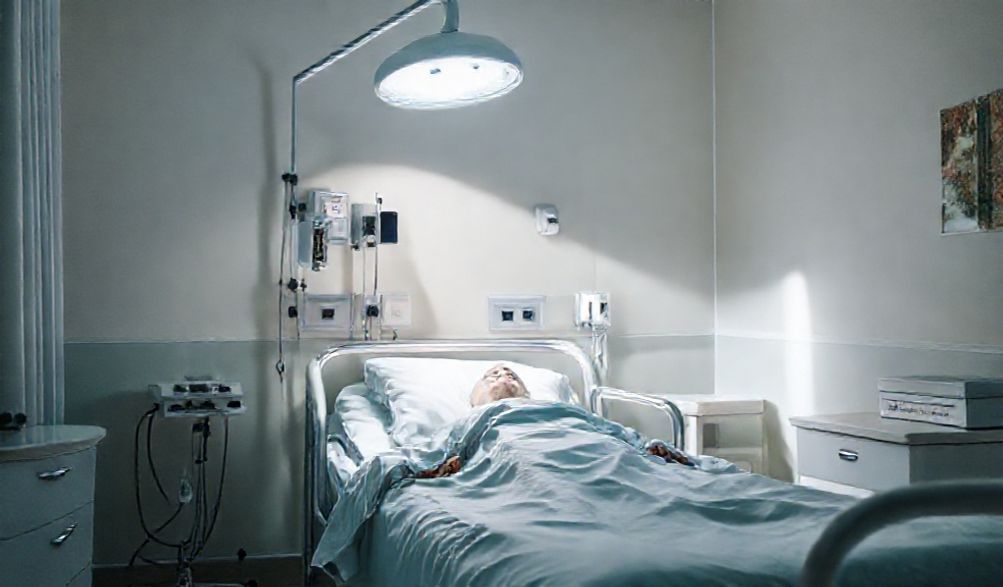
The Ultimate Guide to Patient Bed Lights: Safety, Comfort, and Healing
In the intricate ecosystem of a healthcare facility, where advanced machinery and clinical protocols command attention, the humble patient bed light is often an afterthought. Yet, this singular fixture holds a profound and multifaceted role. Far more than a simple source of illumination, a well-chosen patient bed light is a critical tool at the intersection of clinical efficacy and human-centered care. It directly influences patient safety, empowers medical staff, and subtly orchestrates an environment conducive to healing. This comprehensive guide delves into the essential considerations, technologies, and applications of patient bed lighting, illuminating how this fundamental element supports the complex journey from treatment to recovery.
Why Patient Bed Lighting is Critical for Healthcare Settings
The quality of light surrounding a patient’s bed is not merely a matter of convenience; it is a foundational component of a safe and therapeutic environment. Its impact radiates outward, touching every aspect of the care experience.
Enhancing Patient Safety and Reducing Risks
The most immediate role of a patient bed light is to safeguard the patient. In an unfamiliar room, disoriented by medication or condition, a patient navigating to the bathroom at night is at high risk for falls—a leading cause of injury in healthcare settings. A strategically placed, easily accessible light that illuminates the floor path can prevent trips and stumbles.
Beyond mobility, proper lighting ensures patients can clearly see and identify crucial items: the nurse call button, a glass of water, their personal belongings, or prescribed medications. This visual clarity prevents errors and reduces anxiety. Furthermore, for patients who read, write, or engage in activities to pass the time, adequate task lighting prevents eyestrain and headaches, contributing to their overall physical comfort.
Supporting Clinical Staff and Medical Procedures
For nurses and physicians, the patient bed light is an indispensable partner in delivering precise care. Procedures like wound assessment, dressing changes, IV insertion, and physical examinations demand excellent, shadow-reduced illumination. A high-quality lampe d'examen allows clinicians to see subtle changes in skin color, wound bed granulation, or vein topography, leading to more accurate assessments and interventions.
This dedicated lighting improves staff efficiency and ergonomics. Instead of relying on overhead room lights that cast shadows and may disturb other patients, a maneuverable bed light provides focused light exactly where and when it’s needed. The color temperature of this light is also crucial; a cooler, daylight-white light (higher Kelvin rating) enhances contrast and visual acuity for detailed tasks, directly supporting clinical accuracy.
Promoting Patient Comfort and Psychological Well-being
Perhaps the most nuanced function of a patient bed light is its influence on a patient’s psychological state and circadian rhythm. Hospitals are inherently disruptive to sleep cycles. Harsh, bluish overhead lights at night can suppress melatonin production, hindering restful sleep which is vital for healing.
A good bed light system counters this. Features like wide-range dimming and warm color temperature settings allow for a gentle, ambient glow that provides orientation without being disruptive. Directional control ensures light can be cast onto a book without shining into the patient’s—or their roommate’s—eyes. Most importantly, giving the patient direct, intuitive control over their immediate light environment fosters a sense of autonomy and normalcy in a setting where they often feel powerless, thereby reducing anxiety and promoting mental well-being.
Key Features to Consider When Choosing a Patient Bed Light
Selecting the right fixture requires moving beyond basic specs to consider how each feature translates into daily use for both patients and staff.
Lighting Technology: LED vs. Traditional Options
The choice today is overwhelmingly clear: LED technology is the standard for modern patient bed lights. Compared to incandescent or fluorescent options, LEDs offer superior benefits:
* Cool Operation: They emit minimal heat, eliminating burn risks for patients and staff and increasing comfort during close-proximity exams.
* Energy Efficiency & Longevity: LEDs consume a fraction of the power and have lifespans measured in years (often 25,000+ hours), drastically reducing energy costs and maintenance frequency.
* Quality of Light: High-quality LEDs offer excellent Color Rendering Index (CRI). A CRI above 80 (and ideally above 90 for clinical areas) is essential, as it ensures colors are rendered accurately. This is critical for correctly assessing skin tones (for jaundice, cyanosis) and wound conditions.
Mounting and Flexibility Options
How the light is positioned determines its utility.
* Fixed Wall Lights: Simple and cost-effective, but offer limited adjustability.
* Swing-Arm Lamps: The most common and versatile type. They mount to the wall or bedhead panel and offer extensive horizontal and vertical reach, allowing light to be positioned precisely over the patient or bedside table.
* Overbed Lights: Often ceiling-mounted on a track, these are ideal for rooms where bed positions change or in multi-bed bays, providing flexible coverage without wall obstructions.
* Integrated Bedhead Units: These combine lighting with other services (power, gas, nurse call) into a single streamlined column. They offer a clean, uncluttered look and centralize controls.
The choice depends on the care setting: robust, highly maneuverable swing-arms for acute care; softer, integrated solutions for private rooms; and durable, easy-to-clean designs universally.
Control Systems and Ease of Use
Controls must be accessible and intuitive for all users.
* Manual Switches/Rockers: Simple and reliable, but may be hard for patients with limited mobility.
* Touch Controls: Offer a sleek, wipe-clean surface. Sensitivity and clear visual feedback are key.
* Remote Controls or Bedside Pendants: Provide ultimate ease for the patient, allowing them to adjust light and often other bed functions without reaching. They must be durable, easy to sanitize, and designed to avoid loss.
* Intégration : Advanced systems can integrate light controls with the nurse call system or the bed’s own control panel, creating a seamless user experience.
Durability, Hygiene, and Maintenance
Healthcare environments demand robust products.
* Materials & Design: Housings should be made of high-impact, medical-grade plastics or metals that can withstand frequent cleaning with harsh disinfectants. Seamless, unibody designs with minimal gaps and crevices prevent the harboring of pathogens.
* Indice de Protection (IP) : A good IP rating (e.g., IP44) indicates resistance to splashes, making the light suitable for cleaning and use in moist environments.
* Serviceability: Consider long-term costs. Modular designs where LED engines or drivers can be easily replaced extend the product’s life. A strong warranty and reliable manufacturer support are critical for facility management.
Types of Patient Bed Lights and Their Ideal Applications
Understanding the categories helps match the light to the specific clinical and comfort needs of the space.
Exam Lights for Acute and Critical Care
In settings like the Emergency Room, Intensive Care Unit (ICU), or for procedural areas, lighting needs are highly task-oriented. Exam lights are characterized by:
* High, Adjustable Intensity: Capable of producing very bright, shadow-minimized light for critical visual assessments.
* Superior Maneuverability: Long-reach swing arms with multiple joints and often a central “sterile” handle or touch-free adjustment points to maintain aseptic technique.
* Cool, Daylight-White Output: Optimized for color accuracy and clinician alertness.
Reading and Ambient Lights for Patient Rooms
For general inpatient rooms, long-term care, or rehabilitation facilities, the emphasis shifts toward patient comfort over extended periods. These patient bed lights often feature:
* Dual-Light Systems: A common and effective design incorporating a focused, brighter reading spotlight and a separate, softer ambient light for general room illumination.
* Warm, Dimmable Output: Prioritizes a cozy, non-clinical feel that supports relaxation and sleep preparation.
* User-Friendly Controls: Simple, accessible interfaces that empower the patient.
Specialty Lights for Specific Needs
The market offers solutions for niche requirements:
* Night Lights/Pathway Lights: Integrated soft-glow LEDs that provide just enough orientation lighting to navigate safely at night without disrupting sleep.
* Bariatric Bed Lights: Designed with extra-long reach and heavier-duty arms to accommodate wider beds and provide adequate coverage.
* Pediatric Lights: Feature child-friendly designs, colors, or shapes to create a less intimidating, more engaging environment for young patients.
Installation, Safety Standards, and Best Practices
Proper implementation is as important as the product selection itself.
Compliance with Medical Electrical Safety Standards
Any patient bed light used in a clinical setting must comply with stringent medical electrical equipment standards, most notably the IEC 60601-1 series (or its regional equivalents like UL 60601-1 in North America). This ensures protection against electric shock, mechanical hazards, and excessive radiation. Always verify compliance with your local regulations.
Optimal Placement for Function and Safety
Installation should be planned by a qualified electrician or biomedical technician.
* Height & Reach: The light should be mounted so its fully extended arm can comfortably illuminate the center of the bed and the primary bedside table. Standard mounting heights are typically 60-70 inches from the floor.
* Glare Avoidance: Position the fixture so that in its neutral position, it does not shine directly into the eyes of a person entering the room or lying in the bed.
* Hazard Prevention: Cables must be securely managed. Swing arms should retract fully and not protrude into the room’s circulation space to become a bump or trip hazard.
Routine Maintenance and Cleaning Protocols
A simple protocol ensures longevity and safety:
1. Daily/Per-Discharge Cleaning: Environmental services staff should wipe down the entire fixture, arm, and controls with an approved hospital disinfectant.
2. Monthly Inspection: Clinical engineering or facilities staff should check for loose fittings, smooth operation of joints, and the integrity of cords and plugs.
3. Proactive Replacement: Track the usage hours of LED modules. Plan to replace them on a schedule before they fail, avoiding unexpected darkness during a critical moment.
Frequently Asked Questions (FAQ) About Patient Bed Lights
Q1: What is the best color temperature for a patient bed light?
R : It depends on the primary use. For medical tasks (exams, wound care), a cooler white light in the range of 4000K to 5000K provides the best clarity and contrast. For ambient lighting, reading, or nighttime use, a warmer, more relaxing light between 2700K and 3000K is less disruptive to circadian rhythms and feels more comforting.
Q2: Can a patient bed light be used at home for home care?
R : Absolutely. Medical-grade bed lights are an excellent investment for home care. They provide safe, adjustable, and glare-free light for caregivers performing tasks and offer patients the same benefits of autonomy and comfort. Many models are designed with a more residential aesthetic for this very purpose.
Q3: How important is dimming functionality?
R : Extremely important. Full-range dimming is a cornerstone of patient-centered lighting. It allows one fixture to transition from a bright clinical exam light to a soft reading light to a subtle nightlight, seamlessly supporting the patient’s 24-hour cycle, which is crucial for recovery and well-being.
Q4: Are there patient bed lights designed for infection control?
R : Yes. For high-acuity areas, look for lights with seamless, unibody designs, minimal crevices, and smooth surfaces that can withstand daily cleaning with strong disinfectants. Some models also feature antimicrobial coatings on high-touch surfaces to inhibit the growth of bacteria.
Q5: Who is typically responsible for installing and maintaining these lights in a facility?
R : Installation should always be performed by a qualified electrician or biomedical equipment technician to ensure compliance with electrical and medical device codes. Daily cleaning is the responsibility of environmental services/housekeeping staff. Scheduled inspection, maintenance, and repairs fall to the clinical engineering/biomedical technology department or facility management team.
Conclusion
Choisir la bonne patient bed light is a decision that resonates through every shift and every patient interaction. It is far more than a procurement task; it is an investment in a safer, more efficient, and profoundly more humane care environment. By prioritizing intelligent features like adjustable LED technology, hygienic and durable design, intuitive patient controls, and compliant installation, healthcare facilities make a clear statement about their values. They choose to illuminate not just the clinical task at hand, but also the path to recovery—respecting the need for both precision in treatment and peace in rest. In the delicate balance of healthcare, the right light makes all the difference.
p>