
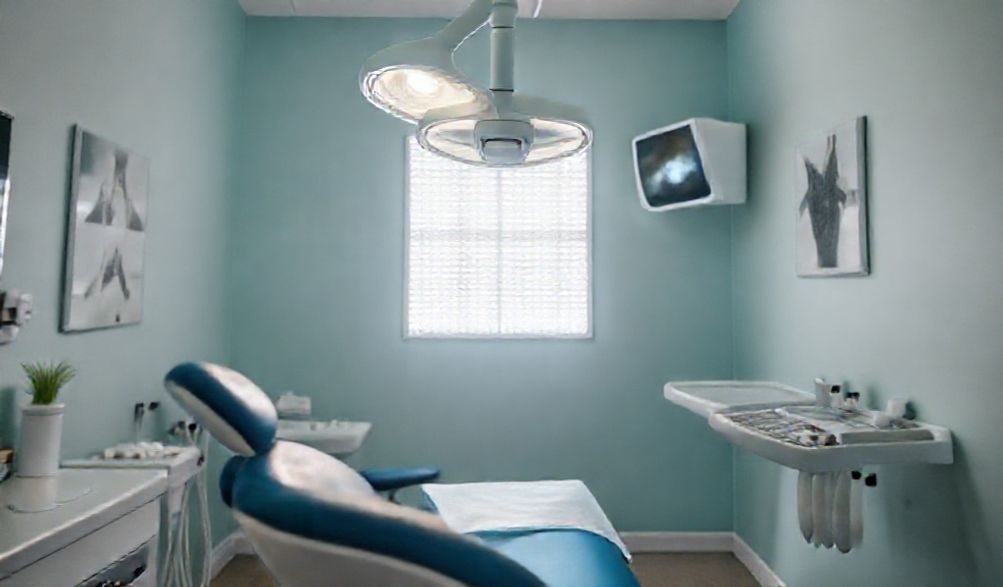
The Ultimate Guide to Choosing the Best Dental Light for Superior Patient Care & Clinical Precision
What if the single biggest factor in your diagnostic accuracy and procedural success wasn’t your skill, your instruments, or your materials, but something far more fundamental? What if it was your light?
In the high-stakes, detail-oriented world of dentistry, illumination is the silent partner in every procedure. It’s the foundation upon which every visual diagnosis is made, every margin is prepped, and every shade is matched. Yet, the dental operatory light is often an afterthought—a piece of equipment chosen by default rather than by design. This oversight can subtly undermine clinical outcomes, accelerate practitioner fatigue, and even affect patient comfort.
This comprehensive pillar page is your definitive resource for cutting through the confusion. We will demystify the technology behind modern dental illumination, compare the key types head-to-head, and provide a clear, actionable framework to help you select the best dentist light for your specific practice needs. Our goal is to empower you to make an investment that directly enhances clinical precision, ergonomic well-being, and patient satisfaction.
This guide synthesizes industry standards, peer-reviewed clinical insights, and practical, real-world experience to support dental professionals in making one of the most vital equipment decisions for their operatory. Let’s shed some light on the subject.
Why Dental Operatory Lighting is a Non-Negotiable for Modern Practices
Moving beyond the simple notion of “brightness,” modern dental lighting is a sophisticated clinical tool. Its impact permeates every aspect of practice, from the accuracy of your first glance to the long-term health of your own posture.
The Impact on Diagnostic Accuracy
The human eye is remarkable, but it is entirely dependent on the quality of light to interpret color, texture, and detail. Subpar lighting is a direct threat to diagnostic precision.
- Color Rendering Index (CRI): A light with a low CRI distorts colors. This can mean the difference between identifying incipient caries, discerning a subtle crack in enamel, or accurately assessing gingival health versus inflammation. True tissue color is critical.
- shadow reduction: Harsh, single-point lighting creates deep shadows that can hide calculus, obscure cavity margins, or mask the full extent of a preparation. Effective lighting systems are engineered to minimize these visual obstructions.
- Intensity & Focus: Adequate lux (illuminance) levels are necessary to reveal micro-details on a tooth’s surface or deep within a cavity. The right intensity, adjustable for the task at hand, ensures nothing is missed.
Enhancing Ergonomics and Reducing Fatigue
Dentistry is physically demanding. Your light should be an ally in combating occupational strain, not a contributor to it.
- Optimal Positioning: A light with a fully articulating, easy-to-position arm allows you to place illumination exactly where you need it without contorting your own neck or back to “chase the light.”
- Automatic Features: Lights with motion sensors that turn on/off or recall preset positions eliminate repetitive manual adjustments, streamlining workflow and conserving energy.
- Glare Reduction: Glare from a poorly diffused light source causes squinting and eye strain over long periods. Advanced optics designed to deliver even, glare-free illumination protect your most valuable diagnostic tools: your eyes.
Improving Patient Experience and Perception
The patient’s chair is a vulnerable place. The operatory environment plays a significant role in their anxiety levels and overall perception of your care.
- Heat Management: A halogen light bombards the patient’s face with radiant heat, creating discomfort and a sense of claustrophobia. Modern LED lights emit virtually no heat, dramatically improving patient comfort, especially during longer procedures.
- Quiet Operation: The faint hum of a fan or the noise of an articulating arm can be unsettling. Premium lights operate with near silence, contributing to a calmer atmosphere.
- Non-Intrusive Design: A bulky, intimidating light fixture hovering overhead can increase anxiety. Sleek, low-profile designs that move smoothly and stay out of the patient’s direct sightlines foster a more relaxed experience.
Core Technologies: Understanding LED vs. Halogen Dental Lights
The fundamental choice in dental lighting today is between Light Emitting Diode (LED) technology and traditional halogen. Understanding this core distinction is key to making a future-proof investment.
LED Dental Lights: The Modern Standard
LED technology has revolutionized dental illumination, becoming the unequivocal leader for new purchases and upgrades.
- Advantages:
- Exceptional Efficiency & Lifespan: LEDs consume up to 80% less energy than halogens. Their lifespan is measured in decades (typically 50,000 to 100,000 hours), virtually eliminating bulb replacement costs and downtime.
- Minimal Heat Output: They produce light with almost no infrared radiation, keeping the operative field and the patient cool—a critical advantage for comfort and material curing.
- Superior Optical Control: LED arrays allow for advanced multi-point designs that drastically reduce shadows. They also offer excellent, stable color temperatures ideal for clinical work.
- Considerations: The initial purchase price is higher than a basic halogen unit. However, the total cost of ownership (energy + replacements) is far lower over time.
Halogen Dental Lights: The Traditional Choice
Halogen lights were the workhorse of dental practices for generations but are now largely considered legacy technology.
- Advantages: The primary advantage is a lower upfront purchase cost. The warm, yellowish light (around 3,500K) is familiar to many practitioners.
- Considerations:
- High Heat & Energy Use: They are inefficient, converting most energy into heat, which is uncomfortable and can affect certain materials.
- Frequent Maintenance: Halogen bulbs have a short lifespan (1,000-2,000 hours), requiring frequent, costly replacements and posing a risk of failure mid-procedure.
- Limited Features: They typically lack the smart features, shadow reduction, and color accuracy of modern LEDs.
Head-to-Head Comparison Chart
| Feature | LED Dental Light | Halogen Dental Light | Verdict |
| :— | :— | :— | :— |
| Lifespan | 50,000 – 100,000 hours | 1,000 – 2,000 hours | LED wins decisively. |
| Heat Output | Very Low (Cool Light) | Very High (Significant Radiant Heat) | LED is superior for patient comfort. |
| Energy Use | Very Low (Highly Efficient) | Very High (Inefficient) | LED saves significantly on operating costs. |
| Cost of Ownership | Higher initial cost, very low running cost | Low initial cost, very high running cost | LED offers better long-term value. |
| Color Rendering (CRI) | Consistently high (often >95) | Can be good, but degrades as bulb ages | LED provides more consistent accuracy. |
| Best For | Modern practices focused on longevity, comfort, and precision. | Budget-conscious temporary setups or as a secondary light. | LED is the recommended standard of care. |
Key Features to Evaluate When Selecting a Dental Operatory Light
Once you’ve committed to LED technology, differentiating between models requires a closer look at specific features that impact daily use.
Illumination Quality Metrics
- Color Rendering Index (CRI): This is non-negotiable. For clinical work where shade matching and tissue assessment are critical, insist on a CRI of 90 or higher. A CRI of 95+ is ideal, approaching the color accuracy of natural daylight.
- Lux Output & Adjustability: Brightness isn’t just about maximum power. Look for a light with a wide, dimmable range (e.g., 10,000 to 30,000+ lux). This allows you to use lower intensity for exams and higher intensity for deep preps or surgery. The field should be evenly illuminated without a glaring “hot spot” in the center.
- Color Temperature: Measured in Kelvins (K). 5000K-5500K is considered the clinical “sweet spot,” providing a bright, neutral white light that enhances contrast and reduces eye strain compared to warmer (yellower) or cooler (bluer) tones.
Design and Functionality
- Mobility & Positioning: The arm is the workhorse. Test for:
- Reach & Axis: Does it easily cover the entire oral cavity from various clinician positions?
- Float & Balance: A well-balanced arm with smooth “float” movement allows for effortless positioning with a light touch and stays firmly in place once set.
- Footprint: Consider the size of the ceiling or chair mount and its intrusion into the operatory space.
- Shadow Management: This is a key differentiator. Multi-point LED arrays (3, 4, or more individual light sources) project light from slightly different angles, filling in shadows cast by your hands and instruments. This is far superior to older single-point designs.
- Sterilization & Infection Control: The light head and arm should have a seamless, non-porous housing that can withstand daily wiping with high-level disinfectants without degrading. No cracks, crevices, or difficult-to-clean joints.
Smart Features and Integration
- Automatic Sensors: Hands-free activation via motion or proximity sensors enhances asepsis and convenience.
- Preset Memory: The ability to save and instantly recall light positions and intensities for different procedures (exam, hygiene, surgery) or clinicians is a major workflow booster.
- Integration: Compatibility with your chair control system (allowing light activation from the chair footpad or touchscreen) creates a seamless, modern operatory.
- Noise Level: Ensure the cooling system (if any) is virtually silent.
Top Dental Light Considerations by Specialty and Procedure
While a high-quality general-purpose LED light serves most needs excellently, specific specialties may prioritize certain features.
- General & Restorative Dentistry: Color accuracy is paramount. The highest possible CRI (>95) is recommended for flawless composite shade matching and detection of subtle tooth defects. Excellent shadow reduction is also critical for visualizing preparation margins.
- Oral Surgery & Periodontics: Prioritize high maximum intensity (30,000+ lux) and a focused, deep field to illuminate surgical sites. The cool operation of LED is a major benefit here to avoid tissue desiccation.
- Endodontics: Intense, cool, and focused light is needed to see deep into access cavities and canals. A light with a very even field helps avoid visual “tunnel vision” during lengthy procedures.
- Orthodontics & Pediatric Dentistry: Patient comfort and perception take center stage. A low-heat, quiet light with a friendly, non-threatening design is ideal. Ease of positioning is also key for frequently changing angles during bracket checks.
Implementing Your New Light: Installation, Calibration, and Maintenance
Your investment doesn’t end at purchase. Proper setup and care ensure you get decades of optimal performance.
- Professional Installation Best Practices: Always use a certified technician. Proper installation ensures:
- The mounting is secure and safely manages the weight.
- The arm is correctly tensioned and aligned for smooth operation.
- Electrical connections are safe and to code, preserving your warranty.
- Daily Use and Calibration Tips:
- Take time to set memory presets for your most common procedures.
- Adjust intensity based on the task—don’t just use “max brightness” all day.
- Periodically verify the light’s color by comparing a shade guide under the light and next to a window in natural daylight.
- Routine Maintenance Schedule:
- Daily: Wipe down the light head and arm with a compatible disinfectant.
- Monthly: Check the arm movement for any stiffness or drift. Clean any visible dust from vents.
- Long-term: While LED modules rarely fail, consult the manual for any recommended service intervals for mechanical parts. There are no bulbs to replace!
Frequently Asked Questions (FAQ) About Dental Lights
Q: What is the typical lifespan of an LED dental light?
A: High-quality LED dental lights are rated for 50,000 to 100,000 hours of use. In a typical clinical setting (8 hours a day, 5 days a week), this translates to over 20 years of service, making it a true long-term investment.
Q: How important is the Color Rendering Index (CRI) really?
A: Extremely important. Think of CRI as the “truthfulness” of the light. A CRI below 90 can make teeth appear yellower or grayer than they are, compromising caries detection, tissue assessment, and most critically, esthetic restorative work. For any practice doing composites, a CRI >95 is a wise standard.
Q: Can a dental light be too bright?
A: Absolutely. Excessive, unfocused brightness causes glare, patient discomfort, and clinician eye fatigue—a phenomenon known as “white-out.” The best dentist light offers high adjustable output, allowing you to dial in the perfect intensity for each specific task, from a soft oral exam to a bright surgical field.
Q: Are there specific lights recommended for dentists who wear loupes?
A: Yes. While loupes have their own coaxial headlights, the operatory light should provide excellent ambient illumination to reduce harsh contrasts and fill in peripheral shadows. Look for lights renowned for their even, shadow-reduced field, as this creates a consistent visual background that works in harmony with your loupe light.
Q: What warranty should I expect?
A: Reputable manufacturers stand behind their products. You should expect a minimum 3-year comprehensive warranty on the entire unit. For the LED engine itself, warranties of 5 years or longer are common and reflect confidence in the solid-state technology’s durability.
Conclusion
Choosing the best dentist light is far more than a simple equipment upgrade; it is a strategic investment in the foundational element of all visual dentistry—illumination. It directly influences diagnostic confidence, restorative excellence, daily ergonomics, and patient perception. As we’ve explored, the decision extends beyond mere brightness to encompass critical factors like color fidelity (CRI), shadow management, thermal comfort, and long-term reliability.
Let this guide serve as your definitive checklist. The evidence and economics are clear: prioritize LED technology for its unparalleled combination of clinical performance, patient comfort, and lifetime value. While specifications are essential, the final test is experiential. Whenever possible, insist on a hands-on demonstration in your own operatory. Feel the balance of the arm, observe the quality of the light on a typodont and typodont, and assess how it integrates into your workflow.
Informed decisions are built on a foundation of knowledge and experience. Use the framework provided here to ask the right questions. Combine this with consultations from trusted colleagues, demonstrations from knowledgeable dealers, and reviews from independent sources. By doing so, you will select a dental light that not only illuminates the oral cavity but also brightens the future of your practice, procedure by precise procedure.
p>