
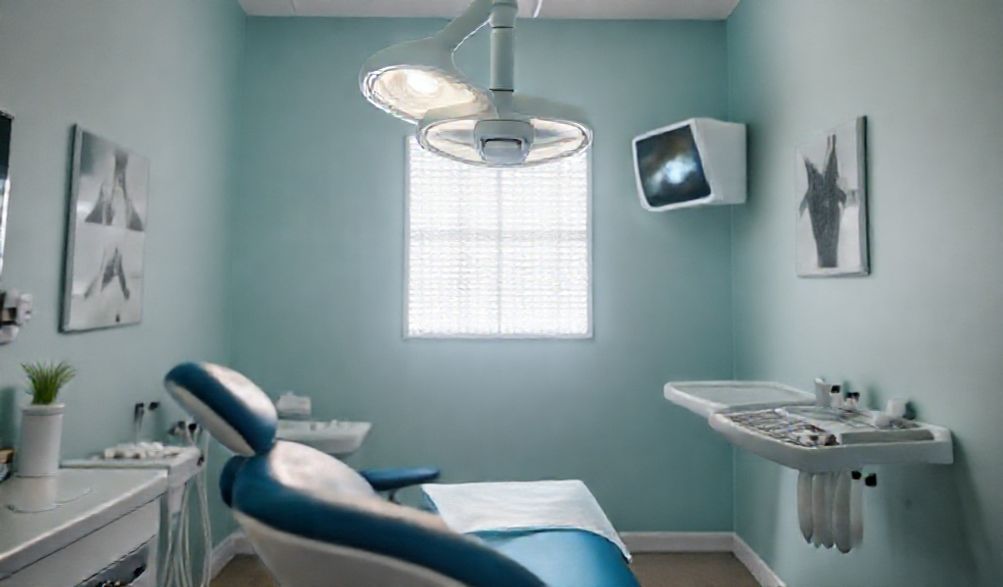
The Ultimate Guide to Choosing the Best Dentist Light for Optimal Patient Care & Precision
Introduction
What if the single most important tool for a successful dental procedure isn’t a drill or scaler, but the light that reveals the problem? In the intricate world of dentistry, where fractions of a millimeter and subtle color variations determine success, illumination is not merely a utility—it is the very foundation of clinical excellence. Yet, this critical component is often an afterthought, leading to compromised outcomes, practitioner fatigue, and operational inefficiencies.
From the perspective of dental professionals and practice consultants who have evaluated countless operatory setups, the consequences of subpar lighting are clear: eye strain that leads to premature burnout, diagnostic errors like missed caries or crack lines, and procedural slowdowns that affect the bottom line. Choosing the best dentist light is a decision that reverberates through every aspect of your practice.
This comprehensive guide is designed to demystify the technical jargon surrounding dental operatory lighting. We will translate specifications into tangible clinical benefits, providing you with a clear, authoritative framework for selecting the ideal LED dental lamp. Our goal is to ensure your investment delivers what matters most: enhanced shadow-free illumination for unparalleled precision, improved ergonomics for your long-term health, and superior outcomes that build patient trust. Let’s shed light on what truly makes a dentist light the best for your practice.
Why Superior Dental Lighting is Non-Negotiable for Modern Practices
In an era defined by digital scanners, CAD/CAM milling, and laser dentistry, the operatory light remains a timeless pillar of clinical capability. It is the primary sense—sight—augmented. Investing in superior lighting is not an upgrade; it’s a prerequisite for a modern, patient-centric, and sustainable practice.
Clinical Precision and Diagnostic Accuracy
The mouth is a cave of shadows, curves, and moisture. Inadequate lighting turns diagnosis into guesswork. The key metric here is the Color Rendering Index (CRI). Measured on a scale of 0-100, CRI indicates how accurately a light source reveals the true colors of objects compared to natural daylight.
- For Detection: A high CRI (90+) is non-negotiable. It allows you to distinguish between demineralized enamel and healthy tooth structure, spot the faint gray line of a vertical root fracture, and accurately assess gingival health and inflammation. Under a light with poor CRI, early caries can be invisible, and tissue can appear misleadingly healthy.
- For Restoration: In aesthetic dentistry, shade matching is an art and a science. The wrong light can lead to a restoration that matches perfectly in the operatory but looks glaringly mismatched in natural light—a surefire path to patient dissatisfaction and costly remakes. The best dentist light provides consistent, daylight-quality illumination to ensure your composites, crowns, and veneers are flawless in any setting.
Ergonomics and Practitioner Health
Dentistry is physically demanding, and poor lighting compounds the strain. Glare, flicker, and uneven illumination force the eyes and brain to work overtime to focus, leading to significant eye fatigue, headaches, and long-term vision issues. A high-quality light eliminates these problems by providing a stable, homogenous beam.
Furthermore, ergonomic lighting is about more than the eyes. A light that is difficult to position, requires constant manual adjustment, or creates shadows forces the dentist and assistant into awkward, static postures. The resulting musculoskeletal strain is a leading cause of career-ending pain. Modern lights with smooth, balanced articulation and wide coverage allow you to maintain a neutral posture, protecting your most valuable asset: your ability to practice.
Patient Comfort and Trust
The patient experience begins the moment they lean back in the chair. A harsh, hot halogen lamp beaming into their eyes is an immediate stressor. Today’s advanced LED dental lamps operate with a dramatically cooler beam, eliminating the uncomfortable heat on the patient’s face that was once a standard (and unpleasant) part of a dental visit.
Beyond physical comfort, perception is powerful. A sleek, intelligently designed light that moves smoothly and quietly into position signals technological sophistication and attention to detail. It subconsciously communicates that your practice invests in the best tools to provide the best care, directly fostering patient confidence and trust.
Key Features to Evaluate in a Dental Operatory Light
Navigating product specifications can be daunting. Here, we break down the essential features of the best dentist light, explaining what they mean for your daily practice.
Light Source Technology: LED vs. Halogen
This is the fundamental choice, and the industry has reached a clear consensus.
- Halogen: The long-standing standard, halogen lights produce a warm, bright light. However, they are highly inefficient, converting over 80% of their energy into heat. This requires large, noisy cooling fans, creates patient discomfort, and leads to bulb degradation. Halogen bulbs typically last only 500-1,000 hours, requiring frequent, costly replacements and resulting in inconsistent light output as they age.
- LED (Light Emitting Diode): The modern standard and the core of any contemporary best dentist light discussion. LEDs offer decisive advantages:
- Cool Operation: Minimal radiant heat on the patient and operator.
- Exceptional Longevity: LED modules are rated for 50,000 to 100,000 hours—essentially the lifetime of the fixture with no bulb changes.
- Consistent Output: Light intensity and color temperature remain stable throughout their lifespan.
- Energy Efficiency: They use a fraction of the electricity of halogen lights.
- High Intensity: Modern LEDs deliver exceptional illumination, often in the range of 20,000 to over 60,000 lux at the focal point, ensuring brilliant visibility deep in the oral cavity.
Verdict: While halogen may still exist in some older setups, a new purchase should unequivocally be LED. The total cost of ownership and clinical benefits make it the only logical choice.
Optical System and Beam Quality
Lumen output is just one number. How that light is delivered is what separates adequate lights from exceptional ones. The goal is a homogeneous, shadow-free field.
- Depth of Field: This refers to the distance range within which the light remains in sharp focus. A great light provides a deep field, so whether you’re working on an anterior incisor or a second molar, the illumination is equally crisp without constant refocusing.
- Multi-Lens Systems: High-end lights use sophisticated lens arrays (often 4-6 lenses) to blend multiple LED points into a single, perfectly even circle of light. This eliminates the “hot spot” in the center and dark edges that cause eye strain, creating uniform illumination across the entire field.
- Shadow Reduction: Advanced optics and larger reflector diameters are designed to minimize the shadows cast by your hands and instruments, providing a clearer view of the operative site.
Maneuverability and Mounting Options
How the light moves is as important as how it shines. The mounting choice impacts your operatory’s workflow and cleanliness.
- Ceiling-Mounted: The gold standard for flexibility and infection control. It keeps cords and arms off the floor and chair, making cleaning easier. It offers the widest range of motion and is easily positioned for both dentist and assistant (in dual-configuration setups). Requires professional installation into a structural ceiling.
- Wall-Mounted: A good space-saving alternative where ceiling mounting isn’t feasible. Offers excellent maneuverability, though its range is limited to the arc of its arm.
- Chair-Mounted: Attached directly to the dental chair. While often more affordable and simple to install, it can limit independent movement of the light and chair, may transmit vibration, and its lower position can make thorough cleaning underneath more challenging.
Intuitive Controls and Sterilization
In a busy practice, convenience and compliance are key.
- Controls: Look for intuitive, touch-free options. Infrared sensors that allow you to turn the light on/off with a wave of the hand are a major infection control win, preventing cross-contamination from switches. Foot controls remain a popular and effective hands-free alternative.
- Sterilization: The light head is a high-touch surface in the splash zone. The best fixtures are designed with this in mind, featuring completely seamless, sealed surfaces with no cracks or crevices. They should be easily wipeable with standard hospital-grade disinfectants without risk of damaging the housing or lenses.
Top Considerations for Your Specific Practice Needs
There is no single “best” light for everyone. The right choice aligns with your clinical focus, physical space, and financial strategy.
Matching the Light to Your Dental Specialties
Different specialties have unique visual demands.
- General & Restorative Dentistry: Prioritize a light with excellent CRI (>95) for shade matching and a large, homogeneous field for versatility across all procedures.
- Endodontics: Intensity and focus are critical. Look for a light with a very high lux output and potentially a smaller spot size to illuminate deep within the pulp chamber and canals, often through the confines of a rubber dam.
- Oral Surgery & Periodontics: A combination of a wide field for overall site assessment and a powerful, focused beam for deep tissue work is ideal. Cool operation is especially important during longer procedures.
- Pediatric Dentistry: A smaller, less intimidating light head can be beneficial. Smooth, quiet movement and gentle, cool light help create a more comfortable experience for young patients.
Operatory Layout and Workflow Integration
Always consider your physical space.
- Ceiling Height: Low ceilings can restrict the range of a ceiling-mounted light. Measure your clearance.
- Dentist & Assistant Lighting: In a four-handed dentistry model, a dual-light system (two independent light heads on one track) is a significant productivity enhancer, allowing the assistant to have their own optimal illumination without disrupting the dentist’s field.
- The Demo is Essential: Never buy based on specs alone. Whenever possible, arrange for a demonstration unit to be installed in your operatory. Test its range of motion, how it interacts with your chair and cabinetry, and assess the real-world quality of the beam.
Budgeting: Initial Investment vs. Total Cost of Ownership
It’s crucial to look beyond the sticker price.
- Initial Investment: High-quality LED dental lamps from reputable brands represent a significant capital expense, often ranging from several thousand dollars per unit.
- Total Cost of Ownership (TCO): This is where the value becomes clear. Over a 5-10 year period, a halogen light will require dozens of bulb replacements (at $50-$150 each), consume far more electricity, and may require earlier fixture replacement due to heat degradation. An LED light has virtually zero consumable costs and minimal energy use. When calculated over its lifespan, the best dentist light (an LED) often proves to be the more economical choice, in addition to providing superior clinical performance.
Maintenance and Calibration for Long-Term Performance
To protect your investment, proper care is simple but essential.
Routine Cleaning and Care Protocols
Follow the manufacturer’s guidelines, but a general protocol includes:
* Daily: After each patient, wipe the entire light head, arms, and handles with a soft cloth dampened with an approved intermediate-level disinfectant. Avoid abrasive cleaners or excessive moisture near seams.
* Weekly/Periodically: Gently clean the optical lenses with a lens-specific cleaner and a microfiber cloth to remove dust and spatter that can diffuse light. Check all joints and arms for smooth movement.
Recognizing Signs of Diminishing Performance
Even the best equipment ages. Be aware of:
* Fading Intensity: The light seems noticeably dimmer, even after cleaning the lenses.
* Color Shift: The light appears yellower or bluer than it originally did, indicating potential LED or driver issues.
* Mechanical Issues: Stiff movement, arms that don’t hold position, or unusual noises.
If you observe these signs, contact an authorized service technician. Most high-end lights have field-replaceable modules and components.
FAQ Section
Q1: What is the most important spec when comparing dental lights?
A: While lumen/lux output is critical for brightness, the Color Rendering Index (CRI) is arguably the most important for clinical accuracy. A CRI >90 (and ideally >95) is essential for true tissue color representation and accurate shade matching. This must be combined with a shadow-free, homogeneous field created by a quality optical system.
Q2: How often do dental LED lights need to be replaced?
A: The LED modules themselves are designed to last for decades of clinical use (typically 50,000+ hours). They will usually outlast the mechanical parts of the fixture. You should not expect to replace LEDs under normal use. Maintenance involves keeping lenses clean and having moving parts serviced or lubricated as needed.
Q3: Can I install a new dental light myself?
A: Strongly advise against it. Installation, particularly for ceiling-mounted units, involves electrical wiring, secure anchoring into structural ceiling elements (not just drywall), and precise balancing. Improper installation is a safety hazard and can lead to poor performance or damage. This should always be performed by a qualified technician or the manufacturer’s certified installer.
Q4: Are there “best” brands for dentist lights?
A: Several manufacturers are consistently recognized for innovation, quality, and reliability (e.g., A-dec, Daray, Midmark, Waldmann, Planmeca). However, the “best” brand is the one whose specific model best fits your operatory layout, clinical workflow, and ergonomic needs. A hands-on demonstration of 2-3 top contenders in your own space is the most reliable method to find your perfect match.
Conclusion
Selecting the best dentist light is far more than a simple equipment purchase; it is a strategic investment in the core of your practice—your ability to see, diagnose, and treat with confidence and care. It directly impacts clinical outcomes, the long-term health and satisfaction of your team, and the comfort and trust of your patients.
Move beyond the specifications sheet. Use this guide as your checklist. Audit your current lighting. List your top three clinical and ergonomic needs. Then, take the crucial next steps: request live demonstrations, speak to colleagues about their experiences, and carefully evaluate the manufacturer’s warranty and the availability of local service support.
The right light doesn’t just illuminate the oral cavity; it illuminates a path to a more precise, efficient, and successful practice. Make the choice that will serve you and your patients brilliantly for years to come.
p>