
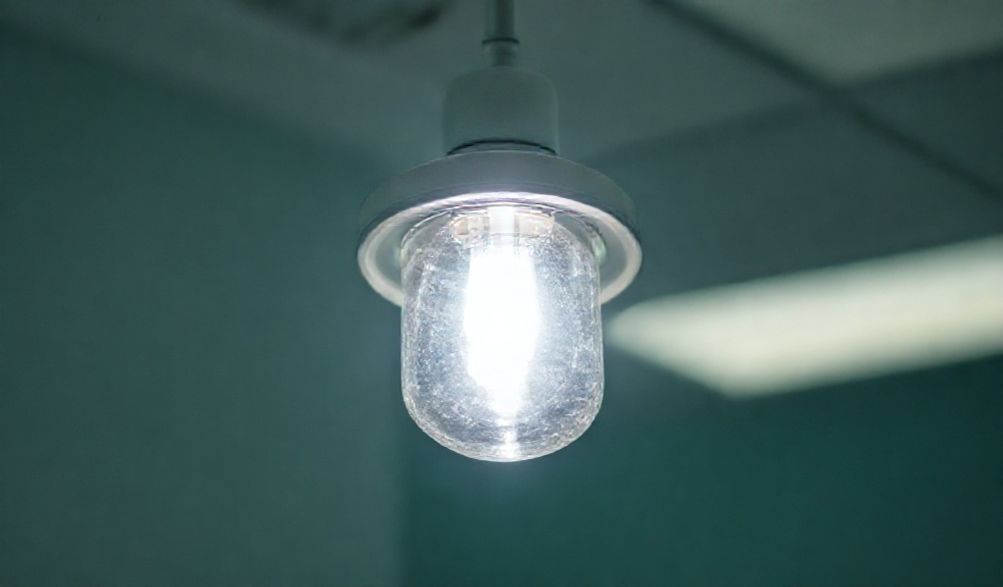
The Ultimate Guide to Medical Lamps: Types, Uses, and How to Choose
In the intricate world of healthcare, where a millimeter can be the difference between success and complication, clarity is non-negotiable. While often overlooked as simple infrastructure, medical lamps are, in fact, critical precision instruments. They are the unsung heroes of accurate diagnosis, surgical mastery, and patient-centered care. Unlike the ambient lighting in your home or office, medical lamps are engineered with a singular purpose: to illuminate truth. They reveal the subtle cyanosis in a newborn’s lips, differentiate a malignant lesion from a benign one, and light the deepest recesses of the human body during life-saving surgery.
For healthcare professionals, facility managers, and even informed patients, understanding this technology is paramount. Choosing the wrong light can lead to eye strain, diagnostic uncertainty, and compromised procedural outcomes. This comprehensive guide synthesizes clinical principles, engineering specifications, and industry best practices to illuminate the path to selecting the right medical lamp. We’ll move beyond lumens and watts to explore how advanced lighting directly impacts patient safety, clinical efficiency, and the quality of care.
What is a Medical Lamp? Defining Clinical-Grade Illumination
At its core, a medical lamp is any lighting device designed and certified for use in a clinical or surgical environment. Its primary function is not just to provide light, but to provide accurate light that supports specific medical tasks. This distinction from commercial lighting is profound and rooted in stringent requirements.
Beyond Basic Lighting: The Core Requirements
Standard lamps prioritize brightness and aesthetics. Medical lamps prioritize fidelity, safety, and control. Here are the non-negotiable parameters:
- Color Rendering Index (CRI): This is arguably the most critical metric for examination and diagnosis. CRI measures a light source’s ability to reveal the true colors of an object compared to natural daylight (which has a CRI of 100). A high CRI (>90 is essential, >95 is ideal) ensures that a rash appears its true red, a bruise its correct shade of purple, and tissue its proper hue. Low CRI lighting can mask critical visual cues.
- Color Temperature (Kelvin): Measured in Kelvins (K), this describes the “warmth” or “coolness” of light. Warm white (2700K-3500K) is relaxing, while cool white (5000K-6500K) is alerting and mimics midday sun. Many advanced medical lamps offer adjustable color temperature, allowing a surgeon to switch to a cooler light for enhanced contrast during delicate tissue work.
- Intensity & Illuminance: While brightness (lumens) is important, what matters clinically is the light that actually falls on the target area—illuminance, measured in lux. A routine exam may require 1,000-2,000 lux, while a major surgical site demands 40,000 to 160,000 lux for deep cavity illumination.
- Shadow Control & Uniformity: Harsh shadows can obscure anatomy. Medical lamps, especially surgical overhead lights, use multiple LED arrays or reflectors to create “shadow dilution,” where light from one point fills the shadows cast by another. The light field must also be uniform, without hot spots or dark edges.
- Heat Management: Traditional halogen lamps emit significant infrared radiation (heat), which can dry out tissue, increase patient discomfort, and compromise sterility. Modern LED systems are fundamentally “cold” light sources, directing energy as visible light with minimal heat output.
Primary Applications in Healthcare Settings
Medical lamps are specialized tools, with designs tailored to specific clinical scenarios:
- Examination and Diagnosis: This is the broadest category. In general practice, dermatology, and ENT, high-CRI wall-mounted or ceiling-mounted lamps provide clear, shadow-reduced light for physical assessments. Dentistry relies on focused, high-intensity headlamps or chair-mounted lights to illuminate the small, shadowed oral cavity.
- Surgical and Procedural Lighting: Here, performance demands peak. Major surgery requires overhead lights with extreme intensity, deep penetration, and flawless shadow control. Minor procedure rooms might use a combination of overhead and mobile surgical lights.
- Specialized Therapies: These lamps are treatment devices. Bilirubin lamps (phototherapy) use specific blue light wavelengths to break down excess bilirubin in newborns with jaundice. Narrowband UVB lamps treat chronic skin conditions like psoriasis and vitiligo.
- Patient Care and Mobility: Often overlooked, ambient lighting in patient rooms affects recovery. Adjustable bedside lamps allow for reading without disturbing roommates, while well-designed general room lighting supports circadian rhythms and improves mood.
Types of Medical Lamps and Their Specific Uses
Navigating the world of medical lighting requires understanding the tool for the task. Here’s a breakdown of the main categories.
Surgical Overhead Lights
The pinnacle of medical lighting technology, these systems are engineered for the most demanding environments.
- Features: They deliver intense, focused light capable of illuminating deep surgical cavities. Key features include sterile, removable handles for positioning; color-corrected light for true tissue representation; and sophisticated optics to create a homogeneous light field. Many offer a “focus” or “spot” setting to concentrate light on a very small area.
- Technology: The shift from halogen/Xenon to LED is complete in modern operating rooms. LED surgical lights offer superior color stability, virtually no heat radiation onto the surgical site, immense energy savings, and lifespans measured in decades, not hundreds of hours.
Examination Lights
These are the workhorses of clinics and examination rooms, designed for flexibility and clarity.
- Clinical Headlamps: Essential for hands-free, line-of-sight illumination. Used by dentists, otolaryngologists, and surgeons for minor procedures. Modern LED headlamps are lightweight, powered by rechargeable batteries, and offer multiple brightness levels. Key considerations are beam pattern (spot vs. flood), battery life, and comfort.
- Wall-Mounted & Ceiling-Mounted Exam Lights: These provide the primary light for physical exams. Gooseneck designs offer maximum flexibility to position light exactly where needed. Fixed-arm or track-mounted lights provide sturdy, reliable positioning. The best models feature high CRI LEDs, smooth maneuverability, and easy-to-clean surfaces.
Specialty Medical Lamps
These devices serve highly specific diagnostic or therapeutic purposes.
- Phototherapy Lamps: As mentioned, these include blue light systems for neonatal jaundice and UVB panels for dermatological treatment. They emit precise wavelengths of light to achieve a biochemical response in the body.
- Endoscopic Light Sources: These are the engines behind scopes. They generate extremely bright “cold” light (typically via a high-intensity LED or Xenon lamp with a heat filter) that is transmitted through a fiber-optic cable to illuminate internal organs for camera visualization.
- Transilluminators: These handheld devices use a bright, focused light to illuminate tissue from one side to make structures visible from the other. Common uses include locating veins in infants or patients with difficult access, or assessing sinus cavities.
Key Features to Consider When Choosing a Medical Lamp
Selecting a lamp is a balance of performance, safety, and practicality. Use this framework to guide your decision.
Lighting Performance Metrics
Don’t just look at the “brightness” claim. Dig into the specs:
- CRI and Color Temperature: Insist on a CRI of 90 or higher. For flexible use, consider lamps with adjustable color temperature (e.g., switching from 4500K for general exams to 6000K for enhanced visual acuity during procedures). Ensure dimming functionality does not cause a color shift, which would distort tissue appearance.
- Luminous Flux & Illuminance: Match the intensity to the task. A lamp for general observation might output 2,000-4,000 lumens. A surgical light will start at 40,000 lux at one meter. Request test data or demonstrations to see the light field quality on a simulated task.
Design, Safety, and Ergonomics
Performance is useless if the device is unsafe or difficult to use.
- Infection Control: The lamp must be designed for the clinical environment. Look for sealed optics to prevent dust and fluid ingress, smooth, cleanable surfaces with minimal seams, and optionally, antimicrobial coatings on frequently touched handles.
- User Safety: Low heat emission (LED) is a major safety advantage. The base and arms must be stable to prevent tipping. Crucially, the device must carry relevant electrical safety certifications (see next section).
- Ease of Use: Can it be positioned smoothly with one hand? Are the controls intuitive? Is maintenance (like cleaning or filter replacement) straightforward? These factors affect daily workflow and staff satisfaction.
LED vs. Halogen: A Technology Comparison
The industry has decisively moved toward LED, and for good reason.
| Feature | LED Medical Lamps | Halogen Medical Lamps |
| :— | :— | :— |
| Energy Efficiency | Excellent. Uses a fraction of the power. | Poor. Converts most energy to heat. |
| Lifespan | Exceptional. 30,000 to 50,000+ hours. | Short. 1,000 to 6,000 hours. |
| Heat Output | Very Low. Minimal radiant heat on the target. | Very High. Significant infrared radiation. |
| Light Quality | Excellent & Adjustable. Stable CRI and CCT. | Good, but fixed. CRI can be high, but color temp is fixed and dimming alters it. |
| Total Cost of Ownership | Lower. Higher initial cost offset by energy savings and no bulb replacements. | Higher. Constant bulb purchases and higher energy bills. |
Conclusion: While legacy halogen systems may still be in use, any new purchase or upgrade should prioritize LED technology for its cool operation, longevity, efficiency, and superior, consistent light quality.
Compliance, Standards, and Safety Certifications
This is where trust is codified. Using uncertified lighting in a medical setting is an unacceptable risk.
Understanding Regulatory Requirements
Medical lamps are classified as medical devices and are subject to regulatory oversight.
- FDA Clearance (USA): The U.S. Food and Drug Administration regulates medical devices. A lamp marketed for surgical or diagnostic use typically requires 510(k) clearance, demonstrating it is substantially equivalent to a legally marketed predicate device.
- CE Marking (Europe): To be sold in the European Economic Area, a medical lamp must carry the CE mark, indicating conformity with the Medical Device Regulation (MDR) which includes rigorous safety and performance assessments.
- ISO Standards: The International Organization for Standardization provides critical performance benchmarks. ISO 9680 specifies the requirements for surgical luminaires (overhead operating lights), covering everything from light field diameter and depth of illumination to color rendering and temperature rise.
Why Certifications Matter for Patient and Practitioner Safety
Certifications are not bureaucratic red tape; they are your guarantee.
- Electrical Safety: Standards like IEC 60601-1 (the international standard for medical electrical equipment) ensure the device is protected against electric shock, mechanical hazards, and excessive temperatures, even under single-fault conditions.
- Electromagnetic Compatibility (EMC): The lamp must not emit electromagnetic interference that could disrupt other life-saving equipment (like ventilators or monitors) and must itself be immune to interference from other devices.
- Performance Verification: Certification bodies verify that the manufacturer’s claims about intensity, CRI, and shadow control are accurate and reproducible.
Always verify certifications. Reputable manufacturers will readily provide certification documents. If they cannot, consider it a major red flag.
FAQ Section
Q: What is the ideal Color Rendering Index (CRI) for a medical exam lamp?
A: For accurate clinical assessment, a CRI of 90 or higher is strongly recommended, with 95+ being ideal for specialties like dermatology or plastic surgery. This ensures colors of skin, tissue, blood, and biomarkers are rendered truthfully, reducing diagnostic error.
Q: Are LED medical lamps better than halogen?
A: In virtually all modern clinical applications, yes. LED lamps offer superior energy efficiency (saving on operating costs), extremely long lifespans (30,000-50,000+ hours, eliminating frequent bulb changes), and produce significantly less radiant heat. This enhances patient comfort, reduces tissue desiccation during surgery, and improves staff working conditions. Modern LEDs also provide excellent, often adjustable, light quality.
Q: Can I use a regular bright lamp for medical examinations?
A: It is not advised and can be professionally negligent. Regular lamps lack the high CRI necessary for accurate color judgment. Their color temperature may be unsuitable and can shift when dimmed. They are not designed for the infection control needs of a clinic (with cleanable, sealed surfaces) and lack the necessary electrical safety certifications (like IEC 60601-1) for use near patients.
Q: How do I maintain and clean a medical procedure light?
A: Always follow the manufacturer’s specific instructions. General guidelines include: using a soft, lint-free cloth dampened with a mild, hospital-grade disinfectant; avoiding abrasive cleaners, aerosols, or spraying liquid directly onto light heads or electrical joints; and ensuring the light is powered off and/or unplugged according to the manual before cleaning. Regular inspection of arms, joints, and cables for wear is also important.
Q: What should I look for in a surgical light for a new operating room?
A: Focus on clinical performance and safety: Depth of Illumination (to light deep cavities without shadows), advanced Shadow Dilution technology, perfect Color Consistency across the entire light field, options for sterile handles, a backup light source (a secondary LED array) in case of primary failure, and full compliance with ISO 9680 and IEC 60601-1. The system’s maneuverability and integration with other OR systems (like cameras) are also key considerations.
Conclusion
Selecting the right medical lamp is a critical decision that resonates through every aspect of patient care. It is an investment in diagnostic confidence, surgical precision, operational efficiency, and fundamental safety. By moving beyond the basic question of “brightness” to a nuanced understanding of CRI, color temperature, intensity, and design, healthcare providers can make informed, evidence-based choices.
Prioritizing modern LED technology from reputable manufacturers who transparently provide essential safety certifications (FDA, CE, IEC 60601) is the surest path to a successful investment. The right light does more than illuminate a room; it illuminates the path to accurate diagnosis, effective treatment, and ultimately, better patient outcomes. Consult with clinical engineering professionals and trusted vendors to ensure your lighting solution is tailored to meet the exacting demands of your specific practice and the patients you serve.
p>