
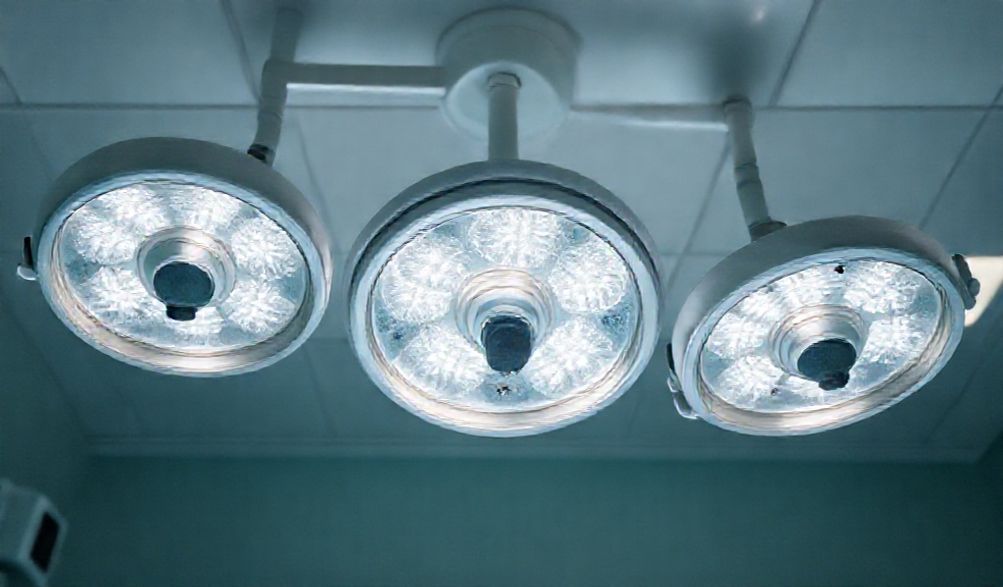
The Complete Guide to Overhead Surgical Lights: Technology, Selection & Safety
Introduction
In the high-stakes environment of an operating room, every detail matters. Yet, one of the most fundamental—and often underestimated—factors in surgical success is something we often take for granted: light. Optimal visualization is the cornerstone of precision, safety, and efficiency in any procedure. While the surgeon’s skill is paramount, that skill is exercised through sight. Inadequate or poor-quality lighting can obscure critical anatomical details, increase surgeon eye strain and fatigue, and potentially lead to errors. Some studies suggest that a significant portion of intraoperative challenges and even preventable complications can be traced back to suboptimal visualization.
This guide is designed to be your definitive resource on overhead luces quirúrgicas halógenas,. Whether you are a surgical director overseeing an OR suite renovation, a hospital procurement specialist evaluating capital equipment, or a biomedical engineer responsible for lifecycle management, making an informed decision requires a deep understanding of both technology and clinical need. You’re likely comparing evolving technologies, deciphering complex specifications, ensuring rigorous compliance, and aiming for a cost-effective, long-term investment.
We will navigate this complex landscape together. This comprehensive post will cover the core technology behind modern surgical lights, break down the key features and specifications you must evaluate, provide a structured framework for selection, outline essential maintenance protocols, and finally, explore the future trends set to redefine OR illumination.
Understanding Overhead Surgical Light Technology
The journey from the simple, hot, and shadow-prone lights of the past to today’s sophisticated systems is a story of technological innovation focused on improving patient outcomes and surgical workflow.
LED vs. Halogen: The Modern Standard
The shift from traditional halogen to Light Emitting Diode (LED) technology represents the most significant advance in surgical lighting in decades. The comparison is stark:
- Lifespan & Cost: A typical halogen bulb lasts about 1,000 hours, requiring frequent, costly replacements and posing a risk of failure during a procedure. Modern LED modules boast lifespans of 50,000 hours or more—effectively a decade or more of normal use—virtually eliminating intraoperative burnout.
- Energy Efficiency & Heat: Halogen lights are notoriously inefficient, converting most energy into heat. This radiant heat can dry out tissues, discomfort the surgical team, and increase room cooling loads. LEDs run cool, directing energy primarily as visible light, which enhances patient safety and staff comfort.
- Color Rendering: While halogen lights have good color quality, LEDs can be engineered to exceed them. Modern surgical LEDs provide exceptional color consistency over their entire lifespan, unlike halogens which dim and yellow with age.
LED is now the unequivocal standard, offering reliability, safety, and a lower total cost of ownership.
The Science of Shadow Reduction
Eliminating shadows is a primary goal of surgical light design. The key is multi-point source technology. Instead of one bright bulb, advanced lights use an array of dozens, even hundreds, of small LED modules arranged on a curved head. Each module projects light from a slightly different angle. Where one module’s light is obstructed (e.g., by a surgeon’s head or hand), light from other modules fills in, dramatically reducing the density and size of any shadow. This creates a phenomenon of “shadow dilution,” where obstructions cast only faint, diffuse shadows rather than dark voids.
Coupled with this is an impressive profundidad de campo. High-quality lights are designed to maintain a consistent, focused light intensity across a range of distances from the patient (e.g., from 60cm to 120cm). This allows surgeons to move in and out of the field without constantly needing to refocus the light, maintaining optimal illumination whether performing delicate superficial dissection or working deep in a cavity.
Color Temperature & Tissue Differentiation
Light isn’t just about brightness; its quality is critical for distinguishing subtle differences in tissue.
- Temperatura de Color Correlacionada (CCT): Measured in Kelvin (K), CCT describes the hue of “white” light. A lower temperature (e.g., 3500K) appears “warm” or yellowish, while a higher temperature (e.g., 5000K) appears “cool” or bluish. For general surgery, a neutral white in the range of 4000K to 4500K is typically preferred. It provides a natural appearance that reduces eye strain over long procedures. Some systems offer adjustable CCT, allowing surgeons to switch to a cooler light for enhanced contrast in specific situations.
- Índice de Reproducción Cromática (IRC): This is the crucial metric for accuracy. CRI (on a scale of 0-100) measures a light’s ability to reveal the true colors of objects compared to natural daylight. A IRC de 90 o superior is essential in surgery. High CRI ensures that the subtle differences between arterial blood, venous blood, fatty tissue, fascia, and organs are rendered with clarity, enabling precise differentiation and reducing diagnostic uncertainty.
Key Features & Specifications to Evaluate
Beyond the core technology, several performance specifications and design features separate adequate lights from exceptional ones.
Illumination Metrics: Lux and Field Diameter
Understanding the units of measurement is key:
* Lumen: A measure of the total amount of visible light emitted by a source.
* Lux: A measure of illuminance—how much light actually falls on a surface (lumens per square meter). This is the critical number for surgery.
Industry benchmarks suggest major procedures require between 40,000 to 160,000 lux at the center of the illuminated field. However, maximum lux alone isn’t enough. The light must provide this intensity uniformly across a useful area. This leads to adjustable field diameter. A light should allow the surgeon to change the size of the illuminated spot—from a small, intense focus for microsurgery to a wide, uniform field for open abdominal procedures. The best lights maintain high, even lux levels across this range of diameters.
Ergonomic Design & Maneuverability
A light that provides perfect illumination is useless if it’s difficult to position or blocks the surgical team. Key ergonomic considerations include:
- Alcance y Articulación: The light must cover the entire surgical table from its ceiling mount. Multiple, fluidly moving joints (often 4 or more) allow precise positioning.
- Balance Systems: Counterbalanced or friction-based systems enable the light head to stay securely in place once positioned, without drift or the need for locking levers that break sterility.
- Esterilidad: The entire handle system must be designed for easy and thorough cleaning. Seamless, closed designs prevent contamination buildup. Some systems offer sterile, single-use handles for the ultimate in aseptic control.
Integration & Smart Features
The modern surgical light is becoming an integrated OR hub.
* Integración de Cámara: Built-in or seamlessly attachable 4K cameras allow for recording, tele-mentoring, and live broadcasting without cluttering the sterile field with additional equipment.
* Control Sin Contacto: Infrared or voice-activated controls allow surgeons to adjust intensity, color temperature, or camera functions without touching non-sterile interfaces.
* Modos Preestablecidos: Programmable settings can instantly configure the light for “Cardiac,” “Orthopedic,” “Endoscopy,” or other specialty-specific needs.
* OR Integration: Connectivity via protocols like ORi™ (Operating Room Integration) allows the light to interface with the room’s control system, enabling centralized command.
How to Select the Right Surgical Light for Your OR
Selection is a strategic process that must balance clinical requirements, operational efficiency, and financial prudence.
Assessing Needs by Surgical Specialty
A “one-size-fits-all” approach fails in the OR. Different specialties have unique demands:
| Surgical Specialty | Key Lighting Priorities | Notes |
| :— | :— | :— |
| General & Abdominal | Large, uniform field diameter; excellent depth of field for deep cavities; high lux for contrast in bloody fields. | The workhorse of the OR. Reliability and shadow reduction are paramount. |
| Neurosurgery & Spine | Extremely high, focused center lux; cool color temperature (4500K+) for optimal contrast on white neural tissue; minimal heat emission. | Precision is critical. Lights often have smaller, intense focal points. |
| Orthopedic Surgery | Deep shadow reduction to illuminate within joints and canals; robust construction to withstand potential impacts. | May require specialized retractor lights for deep wound illumination. |
| Minimally Invasive / Endoscopic | Lower overall intensity to reduce monitor glare; warmer color temperature to ease eye transition between field and screen. | “Endo mode” presets are valuable. The light often plays a secondary role to the tower. |
| Ophthalmic | Extremely high, even illumination without hotspots; often integrated into the surgical microscope. | Governed by specific ISO standards (ISO 15004). |
Total Cost of Ownership (TCO) Analysis
The purchase price is just the entry fee. A true financial analysis includes:
1. Costo Inicial: Equipment and installation.
2. Consumibles: Halogen bulbs (frequent) vs. LED modules (rare).
3. Consumo de Energía: LED systems consume 50-70% less power than halogen.
4. Mantenimiento y Tiempo de Inactividad: Cost of service contracts, parts, and the revenue lost if an OR is down.
5. Sterilization Labor: Designs that are easy to clean reduce FTEs required for turnover.
While LED systems have a higher upfront cost, their TCO over 7-10 years is almost always lower due to massive savings in bulbs, energy, and avoided downtime.
Cumplimiento y Normas de Seguridad
This is non-negotiable. Any light considered must carry essential certifications that validate its safety and performance for medical use.
* IEC 60601-1: The international standard for basic safety and essential performance of medical electrical equipment.
* IEC 60601-2-41: Norma particular para la seguridad básica y el rendimiento esencial de las luminarias quirúrgicas y las luminarias para diagnóstico.
* Autorización de la FDA: In the U.S., surgical lights are Class II medical devices requiring 510(k) clearance.
* ISO 15004: For ophthalmic instruments, if applicable.
Always verify certifications directly and ensure they are current.
Installation, Maintenance & Sterilization Protocols
Proper implementation is as important as the selection itself.
Optimal OR Layout and Ceiling Mount Considerations
A site assessment by the manufacturer or a qualified engineer is essential. Considerations include:
* Ceiling Load Capacity: Ensuring the structure can support the weight of the light, especially during movement.
* Clearance: Verifying the light’s range of motion covers the entire table and anesthesia zone without interfering with booms, monitors, or other equipment.
* Mounting Points: Planning for single-point (pendant) or multi-point (track) systems based on OR flexibility needs.
Routine Cleaning and Disinfection
Protocols must follow both the manufacturer’s Instructions for Use (IFU) and institutional guidelines (e.g., AORN, APIC).
1. Daily/Post-Procedure: Wipe down all accessible surfaces, especially handles and control panels, with a hospital-grade disinfectant compatible with the materials (e.g., plastics, anodized aluminum). Avoid abrasive cleaners or bleach-based solutions that can damage coatings.
2. Weekly/Periodic: A more thorough cleaning of the light head housing and joints.
3. Key Principle: Never spray disinfectant directly onto the light. Spray onto a cloth first to prevent fluid ingress into vents or electrical components.
Preventive Maintenance and Troubleshooting
A proactive PM schedule prevents failures:
* Diariamente: Visual check for smooth movement and full functionality.
* Monthly: Check balance and braking systems; inspect for physical damage.
* Anualmente: Professional inspection and calibration of light intensity and color metrics by biomedical engineering or a service technician.
Problemas Comunes:
* Parpadeo: Often a loose connection or failing power supply. Check connections first.
* Movimiento Rígido: Puede requerir reequilibrado o lubricación (según IFU).
* Intensidad Reducida: Para LED, esto es poco común pero podría indicar falla del driver. Para halógenas, simplemente reemplace la bombilla.
El Futuro de la Iluminación Quirúrgica
La evolución continúa, impulsada por la integración digital y los datos.
Iluminación Adaptativa y Potenciada por IA
Imagine una luz que ajusta automáticamente su espectro e intensidad según el tejido que se visualiza o la fase de la operación. Investigaciones iniciales involucran luces con LED sintonizables que pueden mejorar el contraste vascular o resaltar los márgenes tumorales basándose en firmas espectrales específicas, potencialmente guiadas por análisis de IA del campo quirúrgico.
Integración de Visualización Avanzada
La luz quirúrgica, posicionada perfectamente sobre el campo, es la plataforma ideal para la realidad aumentada (RA). Futuros sistemas podrían proyectar datos de resonancia magnética o tomografía computarizada preoperatorios directamente sobre la anatomía del paciente, dando al cirujano “visión de rayos X” para navegar alrededor de estructuras críticas.
Sostenibilidad en el quirófano
El enfoque en hospitales ecológicos se intensificará. Las tendencias futuras incluyen luces fabricadas con materiales reciclables, diseños que facilitan la reparación y el reemplazo de componentes (economía circular), y avances aún mayores en eficiencia energética, reduciendo la huella de carbono del quirófano.
Preguntas Frecuentes (FAQ)
P1: ¿Con qué frecuencia deben reemplazarse las luces quirúrgicas?
R: Con sistemas LED, el motor de luz en sí está diseñado para durar más de 10 años. El reemplazo total típicamente se debe a la obsolescencia tecnológica, el deseo de nuevas funciones o al desgaste mecánico de los brazos y articulaciones, no a fallas de la fuente de luz. Los sistemas halógenos requieren reemplazo de la bombilla cada pocos meses.
P5: ¿Cuál es el factor más importante al elegir una luz quirúrgica?
R: No existe un único factor. La base es un triunvirato: 1) Iluminancia Adecuada y Uniforme (cumpliendo con los puntos de referencia de lux en todo el campo), 2) Reducción Excepcional de Sombras, y 3) Cumplimiento Total con los Estándares de Seguridad. La “mejor” luz es la que equilibra óptimamente estos fundamentos con las necesidades ergonómicas y de integración específicas de sus equipos quirúrgicos.
P3: ¿Se pueden adaptar luces quirúrgicas de techo en quirófanos antiguos?
R: Sí, las adaptaciones son muy comunes. Sin embargo, requieren una evaluación profesional del sitio. Esta debe verificar la capacidad de carga del techo, el estado y compatibilidad de la infraestructura eléctrica, y la viabilidad estructural de instalar el nuevo sistema de montaje. Nunca asuma que un montaje antiguo será adecuado para una luz nueva, potencialmente más pesada.
P4: ¿Existen luces específicas para cirugía mínimamente invasiva o endoscópica?
R: Aunque se utilizan luces estándar de techo, los requisitos difieren. Dado que la retroalimentación visual primaria del cirujano proviene de un monitor, las luces con menor intensidad general y temperaturas de color más cálidas (ej. 3500K) son beneficiosas para reducir el deslumbramiento y aliviar la fatiga ocular al apartar la vista de la pantalla. Muchas luces modernas cuentan con un preajuste dedicado “Endoscopia” para este propósito.
Conclusión
Seleccionar luces quirúrgicas de techo es una decisión estratégica crítica que va mucho más allá de una simple adquisición. Es una inversión en resultados clínicos, rendimiento del equipo quirúrgico, eficiencia del flujo de trabajo y gestión financiera a largo plazo del quirófano. El proceso debe ser colaborativo, comenzando con un equipo multifuncional —incluyendo cirujanos, enfermeras, personal de procesamiento estéril, ingenieros biomédicos y gerentes de instalaciones— que defina claramente los requisitos clínicos y operativos antes de revisar un solo folleto de producto.
Esta guía subraya la importancia de asociarse con fabricantes de renombre que no solo venden equipos, sino que proporcionan datos técnicos basados en evidencia, capacitación integral para todos los usuarios (clínicos y técnicos) y una red de servicio confiable y receptiva. Su experiencia es parte de su estrategia de mitigación de riesgos.
Su llamada a la acción final: Antes de tomar una decisión, insista en demostraciones prácticas en un entorno de quirófano simulado. Haga que su equipo quirúrgico real manipule las luces, pruebe los controles y evalúe la calidad de la iluminación en modelos de tejido realistas. Finalmente, solicite y compare meticulosamente estimaciones detalladas del Costo Total de Propiedad de sus proveedores preseleccionados. En el campo iluminado de la cirugía, la claridad en la planificación conduce a la excelencia en la ejecución.
p>