
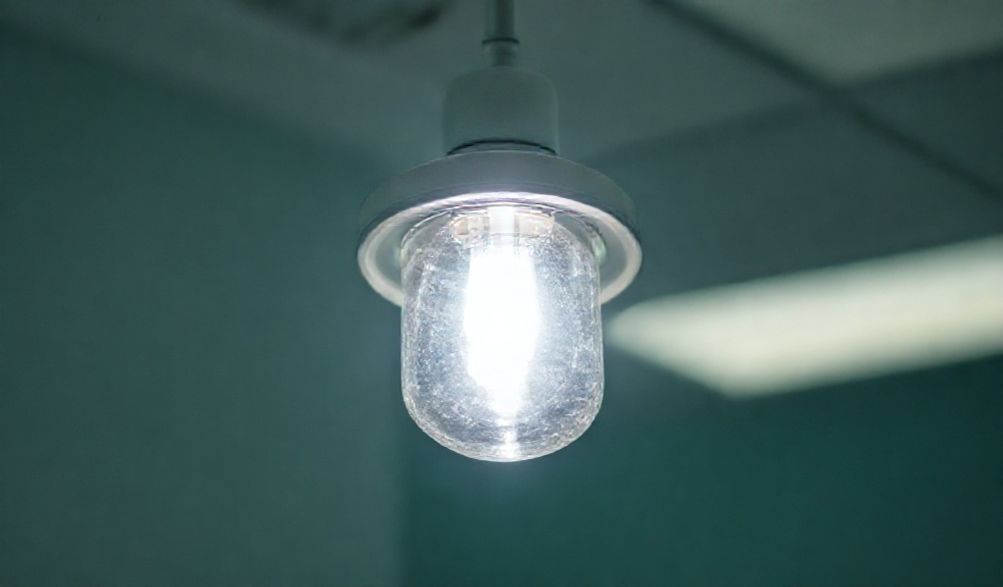
The Ultimate Guide to Medical Lamps: Types, Uses, and How to Choose
In the intricate world of healthcare, where a millimeter can be the difference between success and complication, clarity is non-negotiable. While often overlooked as simple infrastructure, medical lamps are, in fact, critical precision instruments. They are the unsung heroes of accurate diagnosis, surgical mastery, and patient-centered care. Unlike the ambient lighting in your home or office, medical lamps are engineered with a singular purpose: to illuminate truth. They reveal the subtle cyanosis in a newborn’s lips, differentiate a malignant lesion from a benign one, and light the deepest recesses of the human body during life-saving surgery.
For healthcare professionals, facility managers, and even informed patients, understanding this technology is paramount. Choosing the wrong light can lead to eye strain, diagnostic uncertainty, and compromised procedural outcomes. This comprehensive guide synthesizes clinical principles, engineering specifications, and industry best practices to illuminate the path to selecting the right medical lamp. We’ll move beyond lumens and watts to explore how advanced lighting directly impacts patient safety, clinical efficiency, and the quality of care.
What is a Medical Lamp? Defining Clinical-Grade Illumination
At its core, a medical lamp is any lighting device designed and certified for use in a clinical or surgical environment. Its primary function is not just to provide light, but to provide accurate light that supports specific medical tasks. This distinction from commercial lighting is profound and rooted in stringent requirements.
Beyond Basic Lighting: The Core Requirements
Standard lamps prioritize brightness and aesthetics. Medical lamps prioritize fidelity, safety, and control. Here are the non-negotiable parameters:
- Índice de Reproducción Cromática (IRC): This is arguably the most critical metric for examination and diagnosis. CRI measures a light source’s ability to reveal the true colors of an object compared to natural daylight (which has a CRI of 100). A high CRI (>90 is essential, >95 is ideal) ensures that a rash appears its true red, a bruise its correct shade of purple, and tissue its proper hue. Low CRI lighting can mask critical visual cues.
- Temperatura de Color (Kelvin): Measured in Kelvins (K), this describes the “warmth” or “coolness” of light. Warm white (2700K-3500K) is relaxing, while cool white (5000K-6500K) is alerting and mimics midday sun. Many advanced medical lamps offer adjustable color temperature, allowing a surgeon to switch to a cooler light for enhanced contrast during delicate tissue work.
- Intensity & Illuminance: While brightness (lumens) is important, what matters clinically is the light that actually falls on the target area—illuminance, measured in lux. A routine exam may require 1,000-2,000 lux, while a major surgical site demands 40,000 to 160,000 lux for deep cavity illumination.
- Shadow Control & Uniformity: Harsh shadows can obscure anatomy. Medical lamps, especially surgical overhead lights, use multiple LED arrays or reflectors to create “shadow dilution,” where light from one point fills the shadows cast by another. The light field must also be uniform, without hot spots or dark edges.
- Gestión del calor: Traditional halogen lamps emit significant infrared radiation (heat), which can dry out tissue, increase patient discomfort, and compromise sterility. Modern LED systems are fundamentally “cold” light sources, directing energy as visible light with minimal heat output.
Primary Applications in Healthcare Settings
Medical lamps are specialized tools, with designs tailored to specific clinical scenarios:
- Examination and Diagnosis: This is the broadest category. In general practice, dermatology, and ENT, high-CRI wall-mounted or ceiling-mounted lamps provide clear, shadow-reduced light for physical assessments. Dentistry relies on focused, high-intensity headlamps or chair-mounted lights to illuminate the small, shadowed oral cavity.
- Surgical and Procedural Lighting: Here, performance demands peak. Major surgery requires overhead lights with extreme intensity, deep penetration, and flawless shadow control. Minor procedure rooms might use a combination of overhead and mobile surgical lights.
- Specialized Therapies: These lamps are treatment devices. Bilirubin lamps (phototherapy) use specific blue light wavelengths to break down excess bilirubin in newborns with jaundice. Narrowband UVB lamps treat chronic skin conditions like psoriasis and vitiligo.
- Patient Care and Mobility: Often overlooked, ambient lighting in patient rooms affects recovery. Adjustable bedside lamps allow for reading without disturbing roommates, while well-designed general room lighting supports circadian rhythms and improves mood.
Types of Medical Lamps and Their Specific Uses
Navigating the world of medical lighting requires understanding the tool for the task. Here’s a breakdown of the main categories.
Surgical Overhead Lights
The pinnacle of medical lighting technology, these systems are engineered for the most demanding environments.
- Características: They deliver intense, focused light capable of illuminating deep surgical cavities. Key features include sterile, removable handles for positioning; color-corrected light for true tissue representation; and sophisticated optics to create a homogeneous light field. Many offer a “focus” or “spot” setting to concentrate light on a very small area.
- Technology: The shift from halogen/Xenon to LED is complete in modern operating rooms. LED surgical lights offer superior color stability, virtually no heat radiation onto the surgical site, immense energy savings, and lifespans measured in decades, not hundreds of hours.
Examination Lights
These are the workhorses of clinics and examination rooms, designed for flexibility and clarity.
- Clinical Headlamps: Essential for hands-free, line-of-sight illumination. Used by dentists, otolaryngologists, and surgeons for minor procedures. Modern LED headlamps are lightweight, powered by rechargeable batteries, and offer multiple brightness levels. Key considerations are beam pattern (spot vs. flood), battery life, and comfort.
- Wall-Mounted & Ceiling-Mounted Exam Lights: These provide the primary light for physical exams. Gooseneck designs offer maximum flexibility to position light exactly where needed. Fixed-arm or track-mounted lights provide sturdy, reliable positioning. The best models feature high CRI LEDs, smooth maneuverability, and easy-to-clean surfaces.
Specialty Medical Lamps
These devices serve highly specific diagnostic or therapeutic purposes.
- Lámparas de Fototerapia: Como se mencionó, estas incluyen sistemas de luz azul para la ictericia neonatal y paneles de UVB para tratamiento dermatológico. Emiten longitudes de onda precisas de luz para lograr una respuesta bioquímica en el cuerpo.
- Fuentes de Luz Endoscópicas: Son los motores detrás de los endoscopios. Generan una luz “fría” extremadamente brillante (típicamente mediante un LED de alta intensidad o una lámpara de Xenón con un filtro de calor) que se transmite a través de un cable de fibra óptica para iluminar órganos internos y permitir su visualización mediante cámara.
- Transiluminadores: Estos dispositivos portátiles utilizan una luz brillante y enfocada para iluminar el tejido desde un lado y hacer visibles las estructuras desde el otro. Usos comunes incluyen localizar venas en lactantes o pacientes de difícil acceso, o evaluar cavidades sinusales.
Características Clave a Considerar al Elegir una Lámpara Médica
Seleccionar una lámpara es un equilibrio entre rendimiento, seguridad y practicidad. Utilice este marco para guiar su decisión.
Métricas de Rendimiento Lumínico
No se limite a observar la afirmación sobre el “brillo”. Profundice en las especificaciones:
- IRC y Temperatura de Color: Insistir en una IRC de 90 o superior. Para un uso flexible, considere lámparas con temperatura de color ajustable (por ejemplo, cambiar de 4500K para exámenes generales a 6000K para agudeza visual mejorada durante procedimientos). Asegúrese de que la funcionalidad de atenuación no cause un cambio de color, lo que distorsionaría la apariencia del tejido.
- Flujo Luminoso e Iluminancia: Ajuste la intensidad a la tarea. Una lámpara para observación general podría emitir 2.000-4.000 lúmenes. Una luz quirúrgica comenzará en 40.000 lux a un metro. Solicite datos de prueba o demostraciones para ver la calidad del campo de luz en una tarea simulada.
Diseño, Seguridad y Ergonomía
El rendimiento es inútil si el dispositivo es inseguro o difícil de usar.
- Control de Infecciones: La lámpara debe estar diseñada para el entorno clínico. Busque óptica sellada para evitar la entrada de polvo y fluidos, superficies lisas y lavables con un mínimo de juntas, y opcionalmente, recubrimientos antimicrobianos en las empuñaduras de contacto frecuente.
- Seguridad del Usuario: La baja emisión de calor (LED) es una ventaja de seguridad importante. La base y los brazos deben ser estables para evitar vuelcos. Crucialmente, el dispositivo debe contar con las certificaciones de seguridad eléctrica pertinentes (consulte la siguiente sección).
- Facilidad de Uso: ¿Se puede posicionar suavemente con una mano? ¿Son los controles intuitivos? ¿El mantenimiento (como limpieza o reemplazo de filtros) es sencillo? Estos factores afectan el flujo de trabajo diario y la satisfacción del personal.
LED vs. Halógena: Una Comparación Tecnológica
La industria ha avanzado decisivamente hacia el LED, y con buenas razones.
| Característica | Lámparas Médicas LED | Lámparas Médicas Halógenas |
| :— | :— | :— |
| Eficiencia Energética | Excelente. Utiliza una fracción de la energía. | Deficiente. Convierte la mayor parte de la energía en calor. |
| Vida Útil | Excepcional. 30.000 a 50.000+ horas. | Corta. 1.000 a 6.000 horas. |
| Potencia Térmica | Muy Baja. Calor radiante mínimo sobre el objetivo. | Muy Alta. Radiación infrarroja significativa. |
| Calidad de la Luz | Excelente y Ajustable. IRC y CCT estables. | Buena, pero fija. El IRC puede ser alto, pero la temperatura de color es fija y la atenuación la altera. |
| Costo Total de Propiedad | Menor. Mayor costo inicial compensado por el ahorro energético y la ausencia de reemplazo de bombillas. | Mayor. Compra constante de bombillas y facturas de energía más altas. |
Conclusion: While legacy halogen systems may still be in use, any new purchase or upgrade should prioritize LED technology for its cool operation, longevity, efficiency, and superior, consistent light quality.
Compliance, Standards, and Safety Certifications
This is where trust is codified. Using uncertified lighting in a medical setting is an unacceptable risk.
Understanding Regulatory Requirements
Medical lamps are classified as medical devices and are subject to regulatory oversight.
- FDA Clearance (USA): The U.S. Food and Drug Administration regulates medical devices. A lamp marketed for surgical or diagnostic use typically requires 510(k) clearance, demonstrating it is substantially equivalent to a legally marketed predicate device.
- CE Marking (Europe): To be sold in the European Economic Area, a medical lamp must carry the CE mark, indicating conformity with the Medical Device Regulation (MDR) which includes rigorous safety and performance assessments.
- Normas ISO: The International Organization for Standardization provides critical performance benchmarks. ISO 9680 specifies the requirements for surgical luminaires (overhead operating lights), covering everything from light field diameter and depth of illumination to color rendering and temperature rise.
Why Certifications Matter for Patient and Practitioner Safety
Certifications are not bureaucratic red tape; they are your guarantee.
- Seguridad Eléctrica: Standards like la IEC 60601-1 (the international standard for medical electrical equipment) ensure the device is protected against electric shock, mechanical hazards, and excessive temperatures, even under single-fault conditions.
- Compatibilidad Electromagnética (CEM): The lamp must not emit electromagnetic interference that could disrupt other life-saving equipment (like ventilators or monitors) and must itself be immune to interference from other devices.
- Performance Verification: Certification bodies verify that the manufacturer’s claims about intensity, CRI, and shadow control are accurate and reproducible.
Always verify certifications. Reputable manufacturers will readily provide certification documents. If they cannot, consider it a major red flag.
Sección de Preguntas Frecuentes
Q: What is the ideal Color Rendering Index (CRI) for a medical exam lamp?
R: For accurate clinical assessment, a CRI of 90 or higher is strongly recommended, with 95+ being ideal for specialties like dermatology or plastic surgery. This ensures colors of skin, tissue, blood, and biomarkers are rendered truthfully, reducing diagnostic error.
Q: Are LED medical lamps better than halogen?
R: In virtually all modern clinical applications, yes. LED lamps offer superior energy efficiency (saving on operating costs), extremely long lifespans (30,000-50,000+ hours, eliminating frequent bulb changes), and produce significantly less radiant heat. This enhances patient comfort, reduces tissue desiccation during surgery, and improves staff working conditions. Modern LEDs also provide excellent, often adjustable, light quality.
Q: Can I use a regular bright lamp for medical examinations?
R: It is not advised and can be professionally negligent. Regular lamps lack the high CRI necessary for accurate color judgment. Their color temperature may be unsuitable and can shift when dimmed. They are not designed for the infection control needs of a clinic (with cleanable, sealed surfaces) and lack the necessary electrical safety certifications (like IEC 60601-1) for use near patients.
Q: How do I maintain and clean a medical procedure light?
R: Siga siempre las instrucciones específicas del fabricante. General guidelines include: using a soft, lint-free cloth dampened with a mild, hospital-grade disinfectant; avoiding abrasive cleaners, aerosols, or spraying liquid directly onto light heads or electrical joints; and ensuring the light is powered off and/or unplugged according to the manual before cleaning. Regular inspection of arms, joints, and cables for wear is also important.
Q: What should I look for in a surgical light for a new operating room?
R: Focus on clinical performance and safety: Depth of Illumination (to light deep cavities without shadows), advanced Shadow Dilution technology, perfect Color Consistency across the entire light field, options for sterile handles, un backup light source (a secondary LED array) in case of primary failure, and full compliance with ISO 9680 and IEC 60601-1. The system’s maneuverability and integration with other OR systems (like cameras) are also key considerations.
Conclusión
Selecting the right medical lamp is a critical decision that resonates through every aspect of patient care. It is an investment in diagnostic confidence, surgical precision, operational efficiency, and fundamental safety. By moving beyond the basic question of “brightness” to a nuanced understanding of CRI, color temperature, intensity, and design, healthcare providers can make informed, evidence-based choices.
Prioritizing modern LED technology from reputable manufacturers who transparently provide essential safety certifications (FDA, CE, IEC 60601) is the surest path to a successful investment. The right light does more than illuminate a room; it illuminates the path to accurate diagnosis, effective treatment, and ultimately, better patient outcomes. Consult with clinical engineering professionals and trusted vendors to ensure your lighting solution is tailored to meet the exacting demands of your specific practice and the patients you serve.
p>