
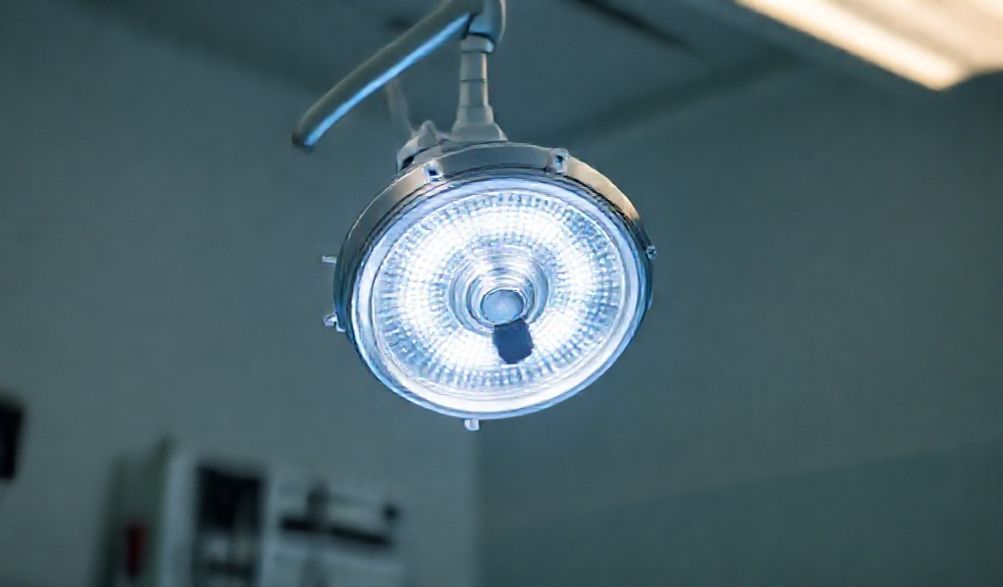
Portable Surgical Lights: A Comprehensive Guide to Mobile Illumination in Modern Medicine
In the high-stakes theater of surgery, where millimeters matter and anatomical clarity is paramount, lighting is far more than a utility—it is a foundational pillar of patient safety and procedural success. For decades, the iconic large, fixed overhead surgical light, or “surgical luminaire,” has dominated the operating room. Its powerful beam has guided countless procedures. However, the evolving landscape of modern medicine—marked by minimally invasive techniques, complex multi-access surgeries, and the need for rapid response in diverse settings—has catalyzed a paradigm shift. Enter the portable surgical light: a nimble, powerful, and indispensable tool that brings precision illumination directly to the point of need.
This article serves as an authoritative, expert-driven resource for surgeons, nurses, hospital administrators, and procurement specialists. Our goal is to demystify portable surgical lighting, moving beyond basic specifications to explore its clinical impact, essential features, and strategic role in contemporary healthcare. Compiled from an analysis of clinical studies, manufacturer specifications, and industry best practices, this guide is designed to inform your evaluation and selection process with expertise and trustworthiness at its core.
What Are Portable Surgical Lights? Defining Mobile Surgical Illumination
Portable surgical lights represent a category of self-contained, movable illumination systems engineered to deliver high-quality, shadow-reduced light directly to a surgical or procedural site. Unlike their fixed ceiling-mounted counterparts, these units are defined by their mobility and flexibility, offering a dynamic solution to the static limitations of traditional OR lighting.
Core Definition and Key Components
At its essence, a portable surgical light is a complete illumination system on a mobile platform. Its design integrates several critical components:
* The Light Head: The core of the system, now almost universally employing Light Emitting Diode (LED) arrays. These provide intense, cool, and consistent light. Advanced designs use multiple LED points from different angles to minimize shadows.
* The Articulating Arm: Typically a series of linked, balanced segments—akin to a high-precision gooseneck or mechanical arm—that allows the light head to be positioned and locked in place with minimal effort. Reach and degrees of freedom are key specifications.
* The Power Source: A dual-power system is standard. This includes a rechargeable, hot-swappable battery pack for cord-free operation and an AC adapter for continuous use or recharging.
* The Mobile Base or Mount: This provides stability and mobility. Common configurations include:
* Floor Stands: Wheeled bases with a central column, offering the greatest range of movement.
* Ceiling Mounts: Units suspended from a ceiling track, keeping the floor clear but requiring installation.
* Table or Wall Clamps: For fixed positioning in specific procedural areas like endoscopy suites or ICUs.
The Evolution from Fixed to Portable Systems
The history of surgical lighting progressed from sunlight and simple lamps to the focused, intense lights of the 20th century. The demand for portability grew from clear clinical needs: the rise of laparoscopic and robotic surgery often required additional illumination from non-standard angles; trauma bays needed immediate, powerful light without waiting for ceiling light positioning; and field hospitals, veterinary clinics, and mobile surgical units required robust, self-sufficient systems. Portability emerged not as a replacement for main overhead lights, but as a critical complement and, in many cases, a primary solution for specialized and flexible care delivery.
Key Benefits and Clinical Advantages of Portable Surgical Lights
The adoption of portable surgical lights is driven by tangible benefits that impact clinical outcomes, operational efficiency, and access to care.
Enhanced Flexibility and Surgical Site Access
This is the paramount advantage. A portable light can be positioned to illuminate deep cavities, secondary incisions, or anatomical structures that are shadowed by the surgeon’s hands, instruments, or the main overhead light. In specialties like plastic and reconstructive surgery, oral and maxillofacial surgery, or orthopedic procedures requiring multiple approaches, the ability to bring optimal, shadow-reduced light from the ideal angle is transformative. It reduces surgeon eye strain, improves depth perception, and enhances visual accuracy.
Critical Support in Emergency and Austere Environments
In time-sensitive and resource-constrained settings, portable lights are indispensable. In the Emergency Room or trauma bay, they can be rolled into position instantly. For military medicine, disaster response, and remote field hospitals, their battery-powered operation and durability are lifesaving. Veterinary medicine has also greatly benefited, bringing surgical-grade illumination to clinics of all sizes. They provide a level of surgical capability where fixed infrastructure is absent or impractical.
Improving Cost-Efficiency and OR Utilization
From a facility management perspective, portable lights offer significant advantages. They can reduce turnover time between procedures by providing immediate light for setup or minor tasks without adjusting the main OR lights. They eliminate the high installation costs associated with fixed ceiling lights, especially in retrofit situations. Furthermore, a fleet of portable lights can be shared between multiple operating rooms, procedure rooms, and departments (like L&D or ICU), optimizing capital investment and resource allocation.
Essential Features to Consider When Choosing a Portable Surgical Light
Selecting the right unit requires a careful evaluation of technical specifications aligned with clinical needs.
Light Quality Parameters: Intensity, Color Temperature, and Shadow Reduction
- Intensity: Measured in lux (illuminance) at a specified distance (e.g., 100,000 lux at 1 meter). Ensure it meets the demands of your deepest or most visually demanding procedures.
- Índice de Reproducción Cromática (IRC): A critical metric for tissue differentiation. A CRI >90 (with some high-end lights offering >95) is essential for accurately distinguishing between shades of red, yellow, and blue in tissue, blood, and organs.
- Temperatura de Color: Typically around 4000K-4500K, providing a neutral, daylight-like quality that reduces eye fatigue.
- Reducción de Sombras: Achieved through multi-point LED arrays and optical design. Look for descriptions like “deep cavity illumination” or “multi-point source” technology that minimizes the obstructive shadows cast by hands and instruments.
Mobility and Ergonomics: Stands, Arms, and Maneuverability
- Base Type: Choose between a mobile floor stand for ultimate flexibility or a ceiling/wall mount for a permanent yet positionable solution in a specific room.
- Arm Reach and Articulation: The arm should have sufficient reach to cover your procedural area and enough joints to position the light head precisely without “fighting” the arm. Smooth movement and positive locking mechanisms are vital.
- Maneuverability: For floor stands, check the wheel design (locking casters), base weight for stability, and overall footprint to ensure it fits in your workspace.
Power Source and Safety Features
- Duración de la Batería: Assess the runtime at full intensity. Look for hot-swappable batteries that allow for continuous use during long procedures. A runtime of 3-8 hours is common.
- Gestión Térmica: LEDs generate less heat than old halogen bulbs, but management is still crucial. The design should dissipate heat away from the light head to maintain a cool surgical field and ensure patient safety.
- Sterilization & Cleaning: The light head and frequently touched handles must be designed for easy and effective disinfection. Sealed surfaces, compatibility with common hospital disinfectants, and clear manufacturer instructions for use (IFU) are non-negotiable for infection control.
Primary Applications and Use Cases in Healthcare
The versatility of portable surgical lights sees them deployed across the entire healthcare continuum.
In the Main Operating Room: Supplementary and Primary Lighting
Here, they most commonly serve as a supplementary light, providing targeted illumination for a second surgical team, a deep cavity, or an area obscured in minimally invasive surgery. Increasingly, they are used as the primary light source for specific specialties, such as in dental implantology, ophthalmic minor procedures, or superficial plastic surgeries, where their precision and flexibility are superior to a large overhead light.
Specialized Departments: Labor & Delivery, ICU, Endoscopy, and Dentistry
- Labor & Delivery: Used for episiotomy repair, perineal laceration suturing, and neonatal procedures right in the delivery suite.
- ICU/CCU: Essential for bedside procedures like tracheostomies, central line insertions, or chest tube placements.
- Endoscopy Suites: Provides bright, focused light for polypectomies or other therapeutic interventions during scoping procedures.
- Odontología y Cirugía Oral: Ideal for illuminating the oral cavity with high-intensity, shadow-free light for implants, extractions, and reconstructive work.
Beyond the Hospital: Veterinary Clinics, Mobile Surgical Units, and MASH Tents
This is where portability is truly mission-critical. Veterinary clinics utilize them for a wide range of animal surgeries. Mobile surgical units (on trucks or ships) and military field hospitals rely on their battery power, ruggedness, and clinical-grade performance to deliver care anywhere, under any conditions.
How to Evaluate and Select the Right Portable Surgical Light: A Buyer’s Checklist
Assessing Your Clinical Needs and Procedural Volume
Begin with a internal audit:
1. Primary Use Case: Will it be a backup, a primary light, or for bedside procedures?
2. Specialties & Procedures: What are the depth, visual complexity, and duration of typical procedures?
3. Users: Involve the surgeons, nurses, and biomedical engineers who will operate and maintain the lights.
4. Entorno: Will it be used in standard ORs, cramped ER bays, or remote locations?
Comparing Top Brands and Models: A Neutral Overview
When researching, objectively compare specifications from leading manufacturers (such as Stryker, Steris, Trumpf Medical, Getinge, Simeon Medical, y Bovie). Create a comparison matrix focusing on:
* Lux output and CRI
* Arm reach and degrees of motion
* Battery life and charge time
* Weight, footprint, and base type
* Warranty length and service network
Understanding Compliance, Standards, and Service
Ensure any light under consideration complies with relevant medical device regulations:
* IEC 60601-1: The general standard for safety and essential performance of medical electrical equipment.
* ISO 9680: The specific international standard for the performance of surgical lighting systems.
* Local Regulatory Approval: Such as FDA clearance in the U.S. or CE marking in Europe.
Finally, prioritize vendors with strong service agreements, readily available parts, and responsive technical support. The total cost of ownership includes long-term maintenance.
Sección de Preguntas Frecuentes
¿Cuál es la vida útil típica de la batería de una luz quirúrgica portátil?
Battery life varies significantly by model and the intensity setting used. It typically ranges from 2 to 8+ hours on a single charge at full power. Factors like battery age, temperature, and use of auxiliary features (like camera lights) will affect runtime. Many professional-grade models feature hot-swappable batteries for uninterrupted use.
Can portable surgical lights be as bright as fixed ceiling lights?
Yes. Modern high-end portable LED surgical lights can produce intensities exceeding 100,000 to 160,000 lux, rivaling or even surpassing many fixed systems. The key difference often lies in the field diameter or coverage area; a large ceiling light may illuminate a wider area, while a portable light provides exceptionally bright, focused illumination on a specific spot.
How do I properly clean and sterilize a portable surgical light?
Always follow the manufacturer’s specific Instrucciones de Uso (IFU) del fabricante. Generally, the light head is designed with a sealed, smooth surface that can be wiped down with hospital-grade disinfectants. Handles and touchpoints (which are non-sterile) require regular disinfection between procedures. The light should never be immersed in liquid, and sterilants should not be sprayed directly onto seams or electrical components.
Are portable lights suitable for major, long-duration surgeries?
They can be used as the primary light source for many major surgeries, provided battery life and thermal management are planned for. They are exceptionally well-suited for procedures under 3-4 hours. For longer surgeries, a unit with hot-swappable batteries or the option to run on AC power is essential. Their role as a flawless supplementary light in long, complex cases is universally valuable.
What is the difference between a portable exam light and a portable surgical light?
This is a crucial distinction. A portable luz quirúrgica is built to much higher performance and safety standards. It offers significantly higher intensity (lux), superior shadow reduction technology, excellent color rendering (CRI >90), and strict thermal management to keep the surgical site cool. A portable luz de examen is designed for general observation and minor procedures; it is less bright, has more basic shadow control, and may not meet the same regulatory standards for surgical illumination.
Conclusión
Portable surgical lights have evolved from simple backup devices into essential, versatile tools that are reshaping the surgical ecosystem. They empower clinicians with unprecedented flexibility, support life-saving interventions in the most challenging environments, and help healthcare facilities optimize their resources and workflows. The advancement of LED technology, ergonomic design, and battery systems has made this possible.
When integrating these tools into your practice or facility, success hinges on a disciplined selection process. Prioritize clinical needs first, then meticulously evaluate light quality parameters, mobility, and safety features against those needs. Ensure regulatory compliance and a reliable service partnership.
En última instancia, la lámpara quirúrgica portátil ya no es un accesorio opcional. Es un distintivo de la medicina moderna adaptativa, centrada en el paciente y eficiente, que aporta la claridad vital de la luz exactamente donde y cuando más se necesita.
p>