
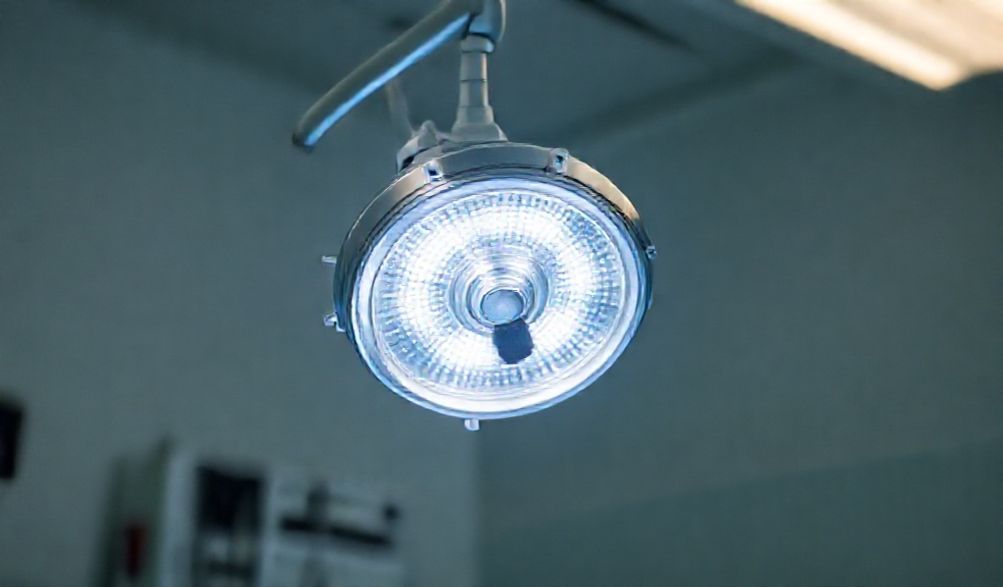
Portable Surgical Lights: A Comprehensive Guide to Mobile, High-Quality Illumination
In the high-stakes environment of surgery, every detail matters. From the skill of the surgeon to the sterility of the instruments, success hinges on a confluence of factors working in perfect harmony. Among these, one element is so fundamental that its importance can be overlooked until it’s absent: light. Proper surgical illumination is not merely about seeing the surgical field; it’s about perceiving depth, differentiating subtle tissue variations, and maintaining visual acuity for hours—all without causing thermal damage or operator fatigue.
The traditional paradigm of the fixed, ceiling-mounted luz quirúrgica in a dedicated operating room is being challenged. Modern healthcare demands portability, flexibility, and adaptability. Whether responding to a mass casualty event, performing a procedure in a rural clinic, or increasing throughput in an ambulatory surgery center, the need for high-quality illumination that can move to the point of care is greater than ever.
This article serves as an authoritative, expert-driven resource for medical professionals, clinical engineers, procurement officers, and healthcare administrators. We will delve into the technology behind portable surgical lights, explore their critical applications, and provide a detailed framework for selecting the right system. Our focus remains steadfast on the highest standards of medical utility, safety, and performance, ensuring you can make an informed decision that enhances both patient outcomes and operational efficiency.
The Critical Importance of Surgical Lighting
Before understanding the portable iteration, one must appreciate the non-negotiable requirements of any surgical light. It is a precision tool, and its performance is measured against several rigorous criteria:
- Shadow Reduction & Depth of Illumination: A quality system minimizes obstructive shadows cast by the surgeon’s head and hands, while providing deep-cavity illumination that reveals anatomical structures clearly.
- Color Accuracy (Color Rendering Index – CRI): The light must render tissue colors as they naturally appear. A high CRI (≥90) is essential for accurately differentiating between arteries, veins, nerves, and various tissue states (ischemic, healthy, etc.).
- Intensity & Adjustability: The light must deliver sufficient luminance (measured in lux) for the procedure at hand, with smooth, intuitive dimming controls to adapt to different surgical stages and surgeon preference.
- Minimal Heat Emission: Traditional halogen and older lights produced significant radiant heat, which could desiccate tissue and increase patient risk. Modern standards demand cool illumination.
The direct impact is profound. Inadequate lighting leads to surgeon eye strain and fatigue, increases procedural duration, and elevates the risk of error. It is, therefore, a patient safety issue. This understanding underscores the growing need for solutions that deliver this caliber of illumination beyond the confines of the traditional, fixed operating room.
What Are Portable Surgical Lights? Core Technology & Evolution
Portable surgical lights are self-contained, mobile units engineered to provide high-intensity, sterile illumination wherever it is needed. They integrate the light source, power supply, and positioning apparatus into a single system on a stable stand or boom, capable of being wheeled or carried to the surgical site.
The evolution from bulky, hot, and short-lived bulbs to today’s sleek units is a story of technological advancement, most notably the rise of LED technology.
LED Technology: The Modern Standard
Light Emitting Diode (LED) technology has become the unequivocal standard for portable surgical lights, and for compelling reasons:
- Operación de Luz Fría: LEDs emit very little infrared radiation, directing energy almost exclusively as visible light. This eliminates the risk of tissue thermal damage and improves surgeon comfort.
- Exceptional Lifespan: LED engines can last for tens of thousands of hours—often the entire lifespan of the device—eliminating the cost and downtime associated with bulb replacements.
- Los LED consumen hasta un 80% menos de energía que los sistemas halógenos para producir la misma o mayor cantidad de luz, reduciendo los costes de servicios. LEDs consume a fraction of the power required by halogen or metal halide bulbs. This efficiency is the cornerstone of viable battery-powered operation.
- Reproducción Cromática Superior: Advanced LED systems can achieve a Color Rendering Index (CRI) of 95 or higher, providing exceptional tissue differentiation that rivals or surpasses daylight.
Key Components of a Portable System
Understanding the anatomy of a portable surgical light is key to evaluation:
- Light Head/Engine: The core containing the LED array, optics (lenses and reflectors to shape the beam), and heat sink.
- Boom or Stand: The articulating arm(s) and vertical column that provide positioning flexibility. Look for smooth, gas-spring-assisted movement and the ability to hold position without drift.
- Power Source: Typically a rechargeable lithium-ion battery pack. Specifications for runtime (e.g., 4+ hours at full intensity), recharge time, and the availability of hot-swappable batteries are critical.
- Control Interface: User controls for on/off, intensity adjustment, and sometimes light field diameter. These should be intuitive, accessible, and easily cleanable.
- Sterilization Capabilities: The housing must be completely sealed (no vents or crevices) to withstand rigorous wiping with hospital-grade disinfectants without compromising the electronics.
Primary Applications & Use Cases
The versatility of portable surgical lights makes them indispensable across a wide spectrum of healthcare delivery models. Their real-world utility is a testament to their design.
Emergency & Trauma Situations
In chaotic or resource-constrained emergency settings, rapid deployment of adequate lighting is lifesaving. Portable lights are essential in field hospitals, at accident sites for immediate life-saving interventions, and in busy emergency department trauma bays where fixed lighting may be inadequate or obstructed.
Low-Resource & Remote Medicine
This is where portable lights truly shine. They are the primary light source for:
* Military Medicine: Forward surgical teams and combat support hospitals.
* Rural & Remote Clinics: Facilities without the infrastructure for fixed ORs.
* Humanitarian Missions: Disaster response and medical charity work in developing regions.
* Veterinary Surgery: In both field and clinical settings for animal care.
Supplemental & Specialized Surgical Lighting
Even in well-equipped facilities, portable lights add crucial capability:
* In-Office Minor Procedures: Dermatology, plastic surgery, or wound care clinics.
* Dental Surgery: Providing focused, shadow-free illumination in the oral cavity.
* Endoscopy Suites: As an overhead light for the procedure room.
* Backup in Main ORs: An immediate solution if a primary ceiling light fails.
Increasing Surgical Suite Flexibility
Healthcare facilities are optimizing space and workflow. Portable lights enable:
* Multi-Purpose Rooms: Converting a standard procedure room into a minor OR as needed.
* Outpatient Surgery Centers: Maximizing utilization of operating rooms without the capital expense of multiple fixed lights per room.
* Teaching & Visualization: Providing ideal light for observers or recording equipment.
How to Choose the Right Portable Surgical Light: Expert Buying Guide
Selecting a portable surgical light is a significant investment in clinical capability. This guide provides a framework for evaluation, prioritizing the factors that matter most in practice.
Key Performance Specifications to Evaluate
- Luminance (Lux) and Depth of Illumination: Lux measures light intensity at the surface. For minor surgery, 40,000 – 100,000 lux at the center of the field is common. More important is depth of illumination—how well the light penetrates into a cavity while maintaining intensity and color quality. Request demonstration data from the manufacturer.
- Índice de Reproducción Cromática (IRC): This is non-negotiable for surgical use. Aim for a CRI of 90 or higher. A CRI ≥95 is ideal for the most demanding tissue differentiation.
- Light Field Diameter & Adjustability: Can the light spot be focused from a small, intense circle (for deep cavity work) to a wide, diffuse field (for superficial procedures)? Adjustable field diameter is a mark of a versatile system.
- Battery Life & Power Options: Runtime must exceed your longest anticipated procedure, with a safety margin. Look for 3-8 hours of runtime at high intensity. Understand recharge times and whether the unit can operate while plugged in. Redundant battery systems or “battery hot-swap” capabilities are premium features for uninterrupted use.
Design & Usability Factors
- Maneuverability & Stability: The unit must be easy to move yet rock-solid when positioned. Check the weight, wheel quality (and locking brakes), and the counterbalance of the arm. The light head should move effortlessly and stay precisely where placed.
- Sterilization & Cleanability: The entire external surface must be seamless and impervious to fluids. Confirm the IP (Ingress Protection) rating—an IP54 rating or higher indicates protection against dust and water splashes from any direction, suitable for OR cleaning protocols.
- Gestión Térmica: Ensure the design dissipates any generated heat away from the light head’s front surface and the surgical field, usually via rear-mounted heat sinks.
Safety, Compliance, and Certification
This is the most critical section, speaking directly to the principles of E-E-A-T (Experience, Expertise, Authoritativeness, and Trustworthiness). A medical device is only as good as its regulatory pedigree.
- FDA Clearance (or Regional Equivalent): In the United States, a portable surgical light intended for operative procedures is a Class II medical device requiring 510(k) clearance from the Food and Drug Administration. In the European Union and other markets, look for the Marca CE under the Medical Device Regulation (MDR).
- Quality Management System: The device should be manufactured under a certified Quality Management System, most commonly la ISO 13485.. This is a benchmark for consistent design, production, and post-market surveillance.
- Electrical Safety Standards: Compliance with standards like IEC 60601-1 (general safety) and IEC 60601-2-41 (particular requirements for surgical lights) is mandatory.
Never compromise on certification. Always request and verify the regulatory documentation from the supplier.
Advantages and Limitations: A Balanced Professional View
A clear-eyed assessment ensures realistic expectations.
Major Advantages
- Unmatched Flexibility & Mobility: The core benefit. Light goes where the patient is, adapting to any room layout or emergency scenario.
- Rapid Deployment: Can be set up and ready for use in minutes.
- Cost-Effective Capacity Expansion: Adds surgical capability without the structural cost and disruption of installing fixed ceiling lights.
- Lower Total Cost of Ownership: LED longevity and energy efficiency reduce ongoing maintenance and utility costs significantly.
Considerations and Limitations
- Intensity Comparison: While excellent, the maximum light output of a single portable head may not equal that of a large, multi-head ceiling system designed for major open surgery.
- Battery Management: Requires a disciplined charging routine and awareness of remaining battery life to avoid mid-procedure failure.
- Physical Footprint: The stand and base occupy floor space, which must be considered in crowded OR layouts.
- Additional Equipment: It is another device that requires scheduled maintenance, cleaning, and storage.
Mantenimiento, Cuidado y Mejores Prácticas
Para garantizar la durabilidad, seguridad y rendimiento óptimo, siga estas pautas expertas:
- Limpieza de rutina: Después de cada uso, limpie todas las superficies externas con un paño suave y un desinfectante hospitalario no abrasivo compatible con los materiales del dispositivo. Nunca rocíe líquido directamente sobre la luz; rocíe primero el paño.
- Cuidado de la Batería: Siga las instrucciones de carga del fabricante. Para baterías de iones de litio, evite descargarlas consistentemente hasta 0% o mantenerlas al 100% de carga durante períodos prolongados. Si la luz se va a almacenar, mantenga una carga alrededor del 50%.
- Inspección Regular: Verifique periódicamente el movimiento suave de los brazos articulados y cualquier signo de desgaste o falla del resorte de gas. Inspeccione los cables de alimentación y conectores en busca de daños.
- Siga las pautas del fabricante: Adhiérase estrictamente a los intervalos y procedimientos de servicio recomendados descritos en el manual del usuario. Use solo accesorios y piezas aprobados.
Sección de Preguntas Frecuentes
P: ¿Puede una luz quirúrgica portátil realmente reemplazar una luz fija de techo en un quirófano principal?
R: Para muchos procedimientos, especialmente cirugías menores e intermedias, una luz portátil de alta calidad puede servir como fuente principal. Sin embargo, para las cirugías más complejas y de cavidad profunda (por ejemplo, cirugía cardiotorácica mayor o neurocirugía), los sistemas fijos grandes de múltiples cabezales aún pueden ofrecer una iluminación superior y sin sombras en un campo muy amplio y profundo. Las portátiles son ideales como luz principal en salas de procedimientos menores dedicadas y son invaluables como luces suplementarias o de respaldo en quirófanos principales.
P: ¿Cuánto suelen durar las baterías y qué sucede durante un corte de energía?
R: Los modelos profesionales de alta calidad ofrecen de 2 a 8 horas de funcionamiento a plena potencia, dependiendo de la configuración de intensidad. Las mejores unidades cuentan con gestión inteligente de la batería con indicadores claros del estado de carga. Muchas pueden funcionar directamente con energía CA, y en caso de un corte de energía en la instalación, cambian sin problemas a la energía de la batería. Algunos modelos avanzados tienen paquetes de baterías duales intercambiables en caliente para una operación verdaderamente ininterrumpida.
P: ¿Son fáciles de esterilizar las luces quirúrgicas portátiles para entornos asépticos?
R: Sí, los modelos diseñados para uso quirúrgico tienen carcasas completamente selladas y lisas sin grietas o costuras donde puedan esconderse contaminantes. Están construidas para soportar limpiezas repetidas con desinfectantes estándar de quirófano como peróxido de hidrógeno o compuestos de amonio cuaternario. El mango de la luz es típicamente el único componente que requiere una cubierta estéril. Siempre verifique la clasificación IP y las instrucciones específicas de limpieza del fabricante.
P: ¿Cuál es el rango de costo típico para una luz quirúrgica portátil de grado profesional?
R: Los costos varían significativamente según el rendimiento, características y marca, oscilando aproximadamente entre $3,000 y más de $25,000. Una luz robusta y clínicamente capaz para una sala de procedimientos menores a menudo se encuentra en el rango de $8,000 – $15,000. Esta es una inversión en la que el rendimiento, la confiabilidad, las certificaciones de seguridad y el soporte de servicio deben priorizarse sobre el costo inicial más bajo.
Conclusión
Las luces quirúrgicas portátiles han evolucionado de una opción de respaldo especializada a una herramienta fundamental para una prestación de atención médica moderna, adaptable y resiliente. Empoderan a los clínicos para proporcionar atención quirúrgica de alto estándar en prácticamente cualquier entorno, desde hospitales de última generación hasta clínicas de campo remotas.
La decisión de invertir en una depende de un equilibrio cuidadoso entre especificaciones técnicas (lux, CRI, tiempo de funcionamiento), usabilidad práctica (maniobrabilidad, esterilización) y cumplimiento regulatorio no negociable (FDA, CE, ISO 13485). A medida que la tecnología LED continúa avanzando, ofreciendo un rendimiento cada vez mejor en paquetes más pequeños y eficientes, el rol de la iluminación portátil solo se expandirá.
Alentamos a todos los lectores a ir más allá de las especificaciones en papel. Consulte con ingenieros clínicos, involucre a los cirujanos y al personal que usará la luz diariamente y, siempre que sea posible, organice una prueba práctica con un proveedor de dispositivos médicos de confianza. Ver la calidad de la luz sobre tejido simulado y sentir la facilidad de posicionamiento son los pasos finales y cruciales para seleccionar una luz quirúrgica portátil que iluminará el camino hacia mejores resultados para los pacientes en los años venideros.
p>