
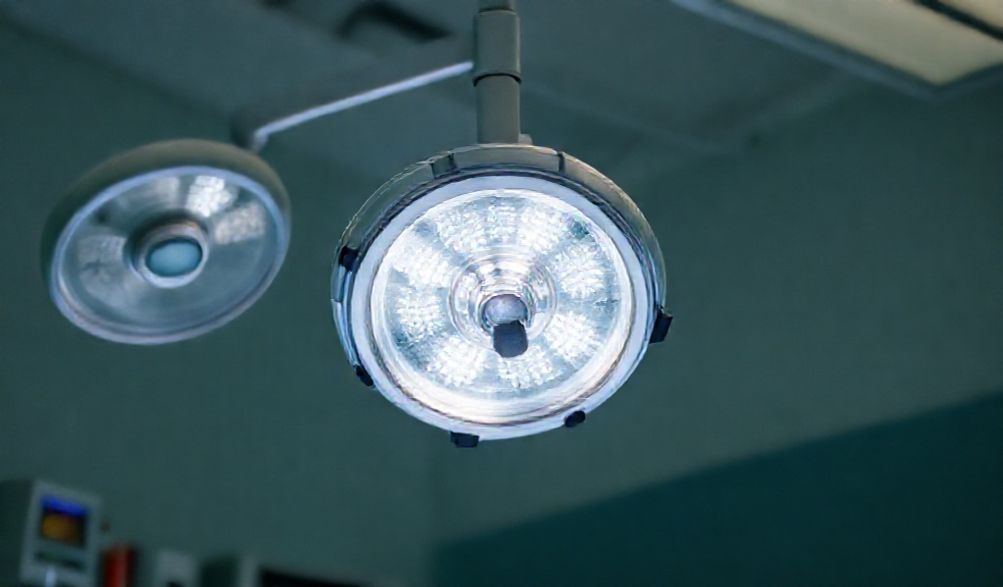
Surgery Lights: A Comprehensive Guide to Types, Features, and Selection for Optimal Outcomes
Introduction
Imagine a surgeon performing a delicate microvascular anastomosis, reconnecting blood vessels less than a millimeter in diameter. The success of this procedure, and indeed nearly every surgical intervention, hinges on a factor so fundamental it’s often taken for granted: light. From the era of sunlight and candlelit operating theaters to the focused beams of early electric lamps, the evolution of surgical illumination mirrors the advancement of surgery itself. Today, modern surgery lights are sophisticated medical devices, engineered to a standard that directly impacts patient outcomes, surgical precision, and team well-being.
This guide is compiled from insights into the rigorous demands of surgical environments and the meticulous processes behind medical equipment specification. Our analysis is grounded in adherence to international medical device standards, such as la IEC 60601-2-41 for safety and DIN 5035 for photometric requirements, and is aligned with principles from clinical engineering. We reference the authoritative guidelines of institutions like the Association of periOperative Registered Nurses (AORN) and the World Health Organization’s (WHO) surgical safety protocols, which explicitly emphasize the critical role of optimal illumination. Our commitment is to provide an objective, feature-based comparison to empower informed decision-making, focusing on key considerations rather than brand promotion.
This comprehensive guide will illuminate the advanced technology behind modern surgery lights, detail their profound impact on surgical precision and team ergonomics, and provide a structured, practical framework for their evaluation and selection.
The Critical Role of Illumination in Modern Surgery
A surgery light does far more than simply “light up” the operative field. It is a precision tool designed to meet the exacting visual demands of the surgical team, transforming their ability to see, interpret, and act.
Beyond Basic Visibility: Enhancing Precision and Safety
The primary goal is to create an optimal visual environment that minimizes cognitive load and maximizes accuracy.
* Depth Perception: High-quality surgical lighting provides homogeneous illumination that eliminates flatness, allowing surgeons to accurately perceive the three-dimensional anatomy of the surgical cavity. This is crucial for judging distances during dissection, suturing, and implant placement.
* Color Rendition: Accurate tissue differentiation is vital. Surgeons must reliably distinguish between arterial blood (bright red), venous blood (darker red), fatty tissue (yellow), nerves (white/pearly), and various organ tissues. Poor color rendering can lead to misinterpretation.
* Reduction of Visual Fatigue: Long procedures under inconsistent or glaring light cause pupil constriction and dilation cycles, leading to eye strain, headaches, and decreased concentration. A stable, shadow-reduced light field minimizes this fatigue, helping to maintain peak performance throughout an operation.
Impact on Surgical Team Performance and Well-being
The ergonomics of the surgery light directly affect the physical well-being of the entire team.
* Ergonomics and Strain Reduction: A light that is difficult to position or that creates harsh shadows forces surgeons and assistants into awkward, static postures as they crane to see into the wound. Over time, this contributes to neck, shoulder, and back strain. Intuitive, effortless maneuverability is therefore an ergonomic necessity.
* Mitigation of Shadow Interference: Traditional single-point lights cast the surgeon’s head and hands as deep, obstructive shadows. Modern systems are designed specifically to penetrate and fill these shadows, ensuring a clear view regardless of the angle or number of hands in the field. This reduces the physical and mental strain of constantly repositioning to find light.
Core Technologies and Types of Surgical Lights
Understanding the core technology and physical form of a surgery light is the first step in selection.
LED vs. Halógena: Una Comparación Tecnológica
The shift from halogen to LED represents the most significant technological leap in surgical lighting in decades.
-
LED (Light Emitting Diode): The current industry standard.
- Efficiency & Heat: Extremely energy-efficient, converting most energy into light with minimal waste heat. This dramatically reduces thermal radiation onto the surgical site, lowering the risk of tissue desiccation and improving patient comfort.
- Vida Útil: Offers an exceptionally long service life, typically 30,000 to 50,000 hours. This translates to over a decade of regular use without a bulb change.
- Integración: While the initial purchase price may be higher, the savings in energy consumption, negligible maintenance, and elimination of frequent bulb replacements result in a significantly lower TCO over 5-10 years.
- Rendimiento: Provides instant, full-intensity light with excellent color stability over the diode’s entire lifespan.
-
Halógena: Largely considered legacy technology.
- Heat Emission: Operates at very high temperatures, with over 90% of energy emitted as infrared (heat) radiation, which can be detrimental to exposed tissues.
- Vida Útil: Much shorter, typically 1,000 to 2,000 hours, necessitating frequent, costly bulb changes and associated sterilization downtime.
- TCO: Lower initial cost is offset by high ongoing costs for bulbs, energy, and cooling requirements to manage OR heat load.
Verdict: For new purchases or upgrades, LED technology is the unequivocal choice for its clinical, operational, and economic benefits.
Common Surgical Light Configurations
- Single Dome Lights: A single light head, often ceiling-mounted on a multi-jointed arm. Ideal for standard operating rooms dedicated to a wide range of general surgery, orthopedic, or gynecological procedures. They offer excellent flexibility and are a cost-effective solution for many settings.
- Multi-Dome/Ceiling Mounted Systems: Feature two or more light heads mounted on a single central column or independent arms. This is the gold standard for major complex procedures (e.g., cardiac, neuro, transplant). The multiple heads provide overlapping fields of light for superior shadow reduction and depth of field, and offer redundancy—if one light fails, the other can provide adequate illumination.
- Wall-Mounted and Mobile Lights: Wall-mounted lights save ceiling space and are useful in minor procedure rooms or where ceiling infrastructure is limited. Mobile (floor-standing) surgery lights offer ultimate flexibility for emergency rooms, trauma bays, labor & delivery rooms, or as supplemental lighting in main ORs.
Key Performance Features to Evaluate
When comparing models, these technical specifications and design features separate adequate lighting from exceptional lighting.
Métricas de Calidad de Iluminación
- Lux (lx): The measure of illuminance, or light intensity, on the surgical field. While extremely high lux values (e.g., 160,000+ lx) are marketed, what matters more is homogeneous intensity across the entire field. A consistent 40,000 – 100,000 lx is often sufficient for most procedures if it is evenly distributed.
- Temperatura de Color: Measured in Kelvin (K), this describes the “warmth” or “coolness” of the white light. Surgical lights typically range from 3500K (warm, yellowish) to 5000K (cool, bluish). 4000K – 4500K is widely considered the ideal “daylight white,” providing a neutral tone that reduces eye strain and offers good contrast.
- Índice de Reproducción Cromática (IRC): Arguably the most critical metric. CRI measures a light source’s ability to reveal the true colors of objects compared to natural light. For surgery, a CRI of ≥90 is essential, and ≥95 is ideal. A high CRI is non-negotiable for accurately distinguishing subtle tissue variations, such as identifying ischemic bowel or differentiating between tumor margins and healthy tissue.
Design and Functionality Features
- Reducción de Sombras: Achieved through two primary methods: 1) Multiple point sources (from a multi-dome design or a single dome with several LED clusters) whose beams intersect to fill in shadows, and 2) Advanced diffusion optics that scatter light to create a soft, homogeneous field. Look for terms like “deep cavity illumination” or “patented shadow management.”
- Depth of Field: The ability to maintain focused light intensity even at the base of a deep wound (e.g., in spinal or pelvic surgery). A good surgery light will have a deep depth of field, meaning the light diameter and intensity change minimally as the head is raised or lowered.
- Maneuverability & Sterility: The light must be effortlessly positioned. Features to seek include:
- Perfect Balance Systems: Allow the heavy light head to be moved with a fingertip touch and stay securely in position.
- Mangos Estériles: Designed for single-use sterile sleeves, allowing the circulating nurse or surgeon to adjust the light without breaking the sterile field.
- Alcance y Articulación: Ensure the light’s arms provide sufficient coverage over the entire OR table from its mounting point.
A Step-by-Step Guide to Selecting the Right Surgery Light
Seleccionar una surgery light is a strategic process that aligns technology with clinical and operational reality.
Assessing Your Clinical Requirements
Begin by answering these key questions:
* Mezcla de Procedimientos: What types of surgeries are most frequently performed? (e.g., deep-cavity laparoscopy, surface-level plastics, microsurgery).
* OR Team Feedback: What are the common complaints about current lighting from surgeons and nurses?
* Physical Environment: What are the room dimensions, ceiling height, and table location? Is there existing infrastructure (tracks, columns)?
* Future-Proofing: Are new surgical specialties (e.g., robotics) planned? Does the light need to integrate with other systems?
Budgeting and Total Cost of Ownership (TCO)
Move beyond the sticker price. A comprehensive budget should include:
1. Precio de Compra: Of the light(s) and mounting system.
2. Instalación: Costs for certified installers, potential structural reinforcements, and electrical work.
3. Operational Costs: Projected energy consumption (LEDs use ~70% less power than halogen).
4. Costos de Mantenimiento: Annual service contracts and the cost/labor of bulb replacements (virtually $0 for LED over 10 years vs. significant recurring cost for halogen).
5. Downtime Costs: The revenue lost when an OR is closed for bulb changes or repairs.
Compliance and Safety Standards Checklist
Ensure any considered model meets these non-negotiable requirements:
* Regulatory Certification: FDA 510(k) clearance (USA), CE Marking (Europe), or other regional medical device approvals.
* Safety Standards: El cumplimiento de la la IEC 60601-2-41 (particular requirements for surgical lights).
* Gestión de Calidad: Manufactured under a certified la ISO 13485. quality system.
* Critical Safety Feature: A backup battery system that automatically deploys in a power failure, providing at least 60 minutes of illumination for safe procedure termination.
Instalación, Mantenimiento y Mejores Prácticas
Professional Installation Considerations
Ceiling-mounted systems are heavy and complex. Installation debe be performed by the manufacturer’s certified technicians or authorized medical equipment planners. They will ensure:
* Integridad Estructural: The ceiling can support the dynamic and static loads.
* Seguridad Eléctrica: Proper grounding and circuit protection.
* Optimal Positioning: The light is placed for maximum coverage and workflow efficiency.
Protocolo de Mantenimiento Rutinario
- Diariamente: Limpieza de las superficies externas y las asas estériles con desinfectantes de grado hospitalario no abrasivos para mantener el control de infecciones. Nunca rocíe el producto de limpieza directamente sobre la cabeza de la lámpara.
- Mantenimiento Programado: Siga el programa del fabricante, típicamente un servicio profesional anual. Esto incluye verificar el equilibrio mecánico, calibrar la intensidad de la luz y los sensores de color, limpiar la óptica interna y verificar la función de la batería de respaldo.
Solución de Problemas Comunes
- Parpadeo/Atenuación: Suele ser señal de una fuente de alimentación o driver defectuoso (en LEDs) o del fin de la vida útil de la bombilla (en halógenas). Primero verifique las conexiones, luego contacte al soporte técnico.
- Movimiento Duro o Deriva: Indica que el mecanismo de equilibrio necesita recalibración o que los cojinetes del brazo requieren lubricación. No lo fuerce; programe un servicio.
- Deriva de Color o Intensidad: Los LEDs son estables, pero los sensores pueden fallar. Se requiere recalibración por parte de un técnico.
- Regla General: Para cualquier falla electrónica o mecánica, documente el problema y contacte al soporte del fabricante. No intente reparaciones internas.
Sección de Preguntas Frecuentes
P1: ¿Cuál es la vida útil típica de una luz quirúrgica LED en comparación con una halógena?
R: Una lámpara quirúrgica LED típicamente tiene una vida útil de 30,000 to 50,000 hours. En contraste, una bombilla halógena dura 1,000 to 2,000 hours. Esto significa que una luz LED puede funcionar durante más de una década sin necesidad de un cambio de “bombilla”, mientras que una luz halógena requiere reemplazo varias veces al año bajo uso intensivo.
P2: ¿Qué tan importante es el Índice de Reproducción Cromática (IRC) y qué valor debo buscar?
R: El IRC es de importancia crítica para un diagnóstico visual preciso durante la cirugía. Un IRC alto garantiza que los tejidos, la sangre y los órganos aparezcan en sus colores verdaderos. Debe buscar un IRC mínimo de 90, siendo 95 o superior el objetivo ideal para discernir las variaciones más sutiles en la viabilidad y morfología del tejido.
P3: ¿Se pueden integrar las luces de quirófano con otros sistemas del quirófano?
R: Sí, muchas surgery lights modernas ofrecen capacidades de integración. Pueden conectarse con sistemas de video quirúrgico para proporcionar iluminación óptima para las cámaras, interfaz con paneles de control del quirófano para ajustes centralizados y admitir protocolos de conectividad como ORi™ (Integración de Quirófano). Es esencial verificar la compatibilidad de integración específica con su infraestructura de quirófano existente durante el proceso de selección.
P4: ¿Cuáles son los factores más críticos para minimizar la fatiga ocular del cirujano durante procedimientos largos?
R: Los factores clave son: 1) Un campo de luz homogéneo sin puntos calientes o áreas oscuras, 2) Una excelente reducción superior de sombras profundidad de campo para evitar el ajuste constante de la pupila, 3) Deslumbramiento mínimo por instrumentos o superficies reflectantes, y 4) Una temperatura de color (4000-4500K).
P4: ¿Con qué frecuencia debe recibir servicio profesional una luz quirúrgica?
R: apropiada y neutra que imite la luz del día. Adhiérase al programa recomendado por el fabricante, que es típicamente. una vez al año.
Conclusión
Elegir una lámpara frontal médica surgery light . Este servicio debe incluir controles mecánicos, eléctricos y ópticos. Sin embargo, si nota cualquier problema de rendimiento—como atenuación, cambio de color o movimiento duro—contacte al soporte técnico para una verificación preventiva de inmediato.
La selección de una lámpara quirúrgica es mucho más que una simple compra de equipo; es una inversión estratégica a largo plazo en la seguridad del paciente, la precisión quirúrgica y el bienestar y eficiencia de su equipo de quirófano. La decisión requiere un equilibrio cuidadoso entre tecnología avanzada (priorizando LED con alto IRC), diseño ergonómico para reducción de sombras y maniobrabilidad, y una evaluación realista de sus necesidades clínicas específicas y entorno físico. Consulte siempre con su equipo de ingeniería clínica e insista en una demostración en vivo en un entorno de quirófano simulado antes de finalizar cualquier compra.
Su Próximo Paso: Descargue una lista de verificación de especificaciones detalladas para comparar modelos sistemáticamente, o contacte a un planificador certificado de equipos médicos para realizar una evaluación profesional de su diseño de quirófano específico y los requisitos de flujo de trabajo.
p>