
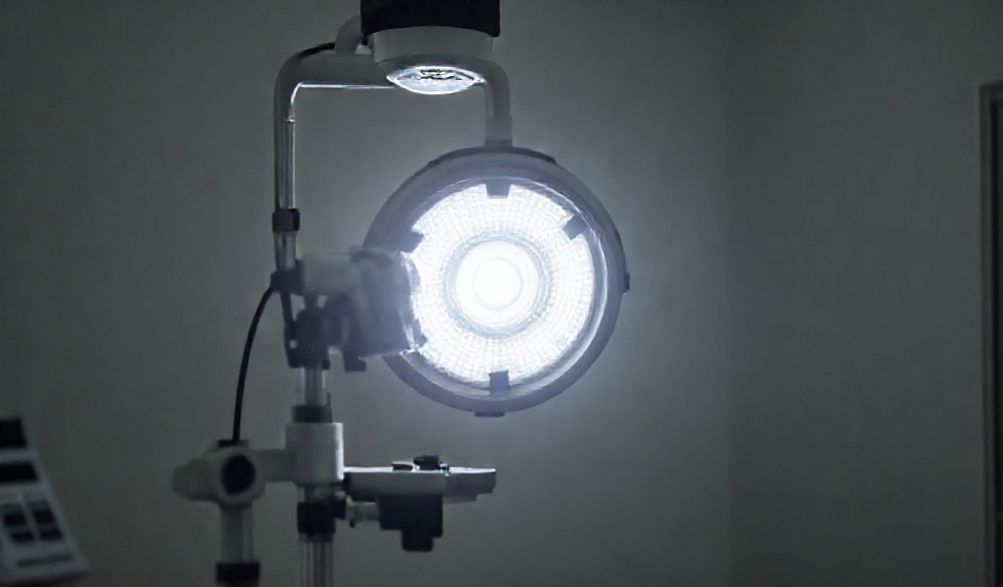
A Comprehensive Guide to Examination Lights: Illuminating Precision in Medical and Dental Care
Introduction
In the high-stakes environments of an operating room, the focused space of a dental clinic, or the critical evaluation in a medical exam room, clarity is not a luxury—it is an absolute necessity. The margin for error is often microscopic, and the ability to see fine details, differentiate subtle tissue shades, and work with precision is paramount. The unsung hero ensuring this level of visual acuity is the examination light. Far more sophisticated than a simple lamp, it is a precision-engineered medical instrument designed to deliver optimal, shadow-reduced illumination, minimize practitioner eye strain, and directly enhance patient safety and outcomes.
This guide serves as your authoritative resource on examination lights. We will move beyond basic functionality to explore the core principles that make them indispensable, dissect the various types for specific applications, delve into the critical technologies that define their performance, and provide a practical framework for selection and maintenance. Understanding this essential tool is a fundamental step for any healthcare provider, facility manager, or procurement specialist committed to upholding the highest standards of clinical efficacy and patient care.
1. Understanding Examination Lights: Core Principles and Importance
At its heart, an examination light is about enabling human expertise. It bridges the gap between the practitioner’s skill and the physical reality of the procedure, transforming a potentially obscured field into one of brilliant clarity.
1.1 What is an Examination Light? Defining the Tool
An examination light is a specialized medical device engineered to project high-intensity, color-accurate, and shadow-minimized light onto a specific, localized area such as a surgical site, oral cavity, or wound. This definition immediately sets it apart from general ambient room lighting. While overhead room lights provide overall visibility, they create diffuse shadows, cause glare on reflective surfaces, and lack the intensity needed for deep-cavity or highly detailed work. An examination light, in contrast, is a focused tool. It is designed to be positioned close to the field, with optical systems that channel light efficiently and features that allow the clinician to control the beam’s size, shape, and intensity to match the task at hand.
1.2 The Critical Role in Clinical Accuracy and Safety
The link between proper lighting and clinical outcomes is direct and well-established. Inadequate or poor-quality illumination is not merely an inconvenience; it is a tangible risk factor.
- Diagnostic Accuracy: A low Color Rendering Index (CRI) can make healthy tissue appear ischemic or mask the subtle blue tinge of a vein. Shadows can hide a small lesion, a fine crack in a tooth, or the early signs of infection. Accurate diagnosis begins with accurate visualization.
- Procedural Precision: In surgery, the ability to distinguish between the fascia, a nerve, and a blood vessel is critical. In dentistry, preparing a margin for a crown requires absolute clarity. Poor lighting increases the likelihood of iatrogenic injury, incomplete excision, or improper restoration.
- Practitioner Well-being: Eye strain, headaches, and premature visual fatigue are common consequences of struggling to see under suboptimal light. This not only affects the clinician’s comfort but can also lead to decreased concentration and increased error rates over long procedures.
- Patient Safety: Beyond enabling precision, lighting directly impacts safety. Excessive heat from an outdated halogen light poses a burn risk to exposed tissue. Inadequate lighting in an emergency setting can delay critical interventions.
1.3 Key Industries and Applications
The need for precision illumination spans the healthcare spectrum:
* Medical & Surgical: This is the most demanding domain. Major overhead surgical lights dominate operating rooms for cardiothoracic, orthopedic, and neurological procedures. Minor surgical lights on stands are used in procedure rooms for dermatology, biopsies, and wound care. Examination lights are also vital in emergency departments, labor & delivery suites, and standard patient exam rooms.
* Dental: The oral cavity is a deep, shadow-prone space. Dental overhead lights with multi-jointed arms are ubiquitous, providing shadow-free illumination for restorative work, hygiene, and oral surgery. Specialized curing lights for polymerizing composites and surgical microscopes with integrated coaxial illumination are also key subtypes.
* Veterinary Medicine: Veterinary ORs and exam rooms require the same level of illumination as their human counterparts, with lights often designed to accommodate different table heights and animal sizes.
* Aesthetics & Dermatology: Procedures like laser treatments, injectables, and skin lesion removal demand precise visualization of skin texture and vascularity, making high-CRI examination lights essential.
2. Types of Examination Lights and Their Specific Uses
Choosing the right light begins with understanding the categories available. Each type is optimized for a specific set of clinical challenges.
2.1 Overhead Surgical Lights (Major & Minor)
These are the workhorses of the operating room.
* Major Surgical Lights: Large, ceiling-mounted systems often with multiple LED heads (e.g., a central module with several satellite heads). They provide a deep, wide field of illumination with exceptional shadow control—if a surgeon’s head blocks one light source, the others fill in seamlessly. Key features include a high depth of field (staying in focus even when moved closer or farther from the site), sterile handles, and camera/video integration capabilities.
* Minor Surgical Lights: More compact and mobile, these are often mounted on a floor stand or a wall boom. They are ideal for minor ORs, procedure rooms, and clinics where versatility and lower cost are important, but high-quality illumination is still required.
2.2 Dental Examination Lights
Designed for the unique challenges of the oral cavity. They typically feature a compact, lightweight head mounted on a highly maneuverable arm with several friction or gas-spring joints. The light pattern is engineered to illuminate the mouth without casting shadows from the dentist’s hands or instruments. Many modern dental lights integrate LED rings for shadow reduction, built-in cameras for documentation, and even motion sensors for hands-free operation.
2.3 Diagnostic and Procedure Lights
This broad category includes lights for general examination. They are commonly wall-mounted on a swing arm or placed on a mobile floor stand. Prioritizing flexibility and ease of use, they offer good intensity control and a wide range of motion to cover patients on an exam table or in a bed. They are the standard in family practice, pediatrics, urgent care, and hospital wards.
2.4 Headlights and Loupe Lights
For maximum mobility and precision, personal illumination systems are unmatched. A surgical headlight consists of a lightweight headband with a bright LED light source, often powered by a belt-mounted battery. Loupe lights are small LEDs attached directly to the frames of surgical or dental magnification loupes. These systems provide brilliant, shadow-free light that moves exactly with the clinician’s gaze, making them indispensable in fields like otolaryngology (ENT), neurosurgery, plastic surgery, and endodontics.
2.5 Specialized Lights: Endoscopy, Colposcopy, etc.
Here, the light is an integrated component of a larger diagnostic system. Endoscope light sources generate intense cold light that is transmitted via a fiberoptic cable to illuminate internal body cavities. Colposcope lights are built into the binocular microscope used for examining the cervix, providing focused, adjustable illumination. These devices highlight how illumination is tailored to the specific optical and access requirements of the procedure.
3. Key Features and Technology: What to Look For
Understanding these specifications is crucial for making an informed comparison and investment.
3.1 Light Source Technology: LED vs. Halogen
This is the most significant technological shift in recent decades.
* LED (Light Emitting Diode): The Modern Standard.
* Advantages: Operates cool, eliminating patient burn risk and surgeon discomfort. Extremely long lifespan (50,000+ hours), translating to a decade or more of use. Highly energy-efficient. Provides instant, full-intensity light with no warm-up. Offers superior and consistent Color Rendering Index (CRI).
* Disadvantages: Higher initial purchase price (offset by long-term savings).
* Halogen: The Legacy Technology.
* Disadvantages: Emits significant infrared radiation (heat). Bulbs have a short lifespan (1,000-2,000 hours), requiring frequent, costly replacements. Less energy-efficient. Light output and color temperature degrade over the bulb’s life. Requires a brief warm-up period.
3.2 Color Rendering Index (CRI) and Color Temperature
- Color Rendering Index (CRI): Measured on a scale of 0-100, CRI indicates how accurately a light source reveals the true colors of objects compared to natural sunlight. For clinical work, a CRI of 90+ is essential, and 95+ is the gold standard for surgery. A low CRI can make it impossible to distinguish between cyanosis and healthy tissue color, or between different layers of fascia.
- Color Temperature: Measured in Kelvins (K), this describes the “warmth” or “coolness” of the light’s appearance. “Daylight white” in the range of 4000K to 5000K is generally preferred in medical settings. It provides a neutral, alert quality of light that supports accurate color discrimination without the yellow tint of warmer light (3000K) or the harsh, bluish cast of very cool light (6000K+).
3.3 Intensity, Focus, and Shadow Management
- Intensity: Measured in lux (illuminance at the surface) or lumens (total light output). Lights should be dimmable to adjust for different procedures and clinician preference. A surgical light may deliver 40,000 to 160,000+ lux at the center of its field.
- Focus & Field Diameter: The ability to adjust from a wide, diffuse field for a large incision to a small, intense spot for deep-cavity work is key.
- Shadow Management: True shadow reduction is achieved through multiple point sources (individual LEDs or reflectors) arranged so that the shadow cast by an object from one source is filled with light from the others. The design and number of these sources are central to a light’s performance.
3.4 Ergonomics and Maneuverability
A light that is difficult to position is a light that won’t be used optimally. Look for:
* Reach and Articulation: Arms should have enough joints and length to position the light head anywhere over the patient without obstructing the clinician.
* Balance and Tension: The arm should stay firmly in place once positioned, without “drifting” or requiring excessive force to move. Gas spring or magnetic systems are common.
* Sterilizable Controls: Handles must be designed for easy cleaning and disinfection. Touchless control via foot pedals or motion sensors is a premium feature that enhances aseptic technique.
3.5 Safety and Compliance Standards
Medical devices must comply with stringent regulations. Key standards include:
* IEC 60601-1: The international standard for the basic safety and essential performance of medical electrical equipment.
* ISO 9680: Specific standard for dental operating lights.
* Certifications: Look for marks like CE (European Conformity) and clearance from regulatory bodies like the FDA (U.S. Food and Drug Administration).
* Thermal Management: Especially for lights used near patients, there are limits on the allowable surface temperature to prevent burns.
4. How to Choose the Right Examination Light: A Step-by-Step Guide
4.1 Assessing Your Clinical Needs and Environment
Start by asking:
* Primary Use: Is this for major abdominal surgery, general dental exams, or dermatology procedures? The required CRI, intensity, and shadow control vary dramatically.
* Environment: Is it a fixed, dedicated OR or a multi-purpose exam room? What are the ceiling height and structural limitations? Is portability needed?
* Users: Who will be using it? Consider the height and preferences of different clinicians.
4.2 Setting a Realistic Budget: Initial Cost vs. Total Cost of Ownership
The sticker price is only part of the story. For a halogen light, factor in the cost and labor of replacing bulbs 2-4 times per year. For LEDs, the upfront cost is higher, but the Total Cost of Ownership (TCO) is typically lower due to negligible energy costs, no bulb replacements, and minimal downtime over a 10+ year lifespan.
4.3 Evaluating Key Specifications Against Your Needs
Create a checklist based on your needs assessment:
* CRI: ≥95 for surgery, ≥90 for general exam.
* Color Temperature: ~4500K (adjustable is a bonus).
* Intensity: Ensure it meets the lux requirements for your deepest/hardest-to-illuminate procedures.
* Field Diameter: Does it offer a suitable range (e.g., 10cm – 25cm)?
* Reach & Articulation: Can it cover your entire workspace?
* Sterilization: Do the handles and controls meet your facility’s infection control protocols?
4.4 Considering Integration and Future-Proofing
Think about compatibility. Does the light mount fit your existing ceiling track or column? Can it integrate with a video recording system for teaching or documentation? Choosing a system from a manufacturer with a good upgrade path can protect your investment.
5. Best Practices for Operation, Maintenance, and Sterilization
Proper care ensures performance, safety, and longevity.
5.1 Daily Use and Positioning for Optimal Illumination
Position the light at a 30-45 degree angle from the clinician’s line of sight. This minimizes glare reflected into their eyes from wet surfaces or instruments. Center the light on the field and adjust the focus to cover the entire area of interest without spilling onto the patient’s face.
5.2 Routine Cleaning and Disinfection Protocols
- Handles & Arms: These are high-touch surfaces. Clean and disinfect them after every procedure or patient contact using a hospital-grade disinfectant approved by the manufacturer. Avoid abrasive cleaners or excessive moisture near joints and electrical components.
- Light Head/Glass Diffuser: Wipe gently with a soft, lint-free cloth dampened with a mild detergent or approved disinfectant. Never spray liquid directly onto the light head. Harsh chemicals can damage anti-reflective coatings or discolor plastic components.
5.3 Periodic Inspection and Preventive Maintenance
Schedule formal maintenance at least annually, or per the manufacturer’s schedule. This should include:
* Checking and adjusting arm tension and balance.
* Inspecting all cables, housings, and joints for wear or damage.
* Verifying light output intensity and color temperature with a meter (if available).
* Testing all controls and safety features.
5.4 Troubleshooting Common Issues
- Flickering or No Power: Check power connections, fuses, and internal ballasts/drivers. This often requires a service technician.
- Stiff or Drifting Arm: Usually requires adjustment of the gas spring or friction brake mechanism (refer to manual or technician).
- Reduced Brightness: For LEDs, this could indicate aging/dimming over extreme time, but more commonly it’s a dirty light diffuser. Clean it thoroughly. For halogen, simply replace the bulb.
- Overheating: Ensure vents are not blocked. For halogen lights, this is normal; for LEDs, it indicates a potential failure and should be serviced.
FAQ: Frequently Asked Questions About Examination Lights
Q1: Why are LED examination lights better than halogen ones?
A: LED lights are superior due to their cooler operation (reducing patient burn risk and practitioner discomfort), vastly longer lifespan (50,000+ hours vs. 1,000-2,000 for halogen), lower energy consumption, and consistent, high-quality light output with excellent color accuracy (CRI) that does not degrade over time.
Q2: What does “shadow reduction” actually mean in a surgical light?
A: True shadow reduction is achieved by using multiple light sources (LED points) from slightly different angles. When a surgeon’s hand or instrument blocks one point, the others fill in the shadow, ensuring the surgical field remains consistently and uniformly illuminated.
Q3: How often should I clean and maintain my examination light?
A: Cleaning: High-touch surfaces (handles, arms) should be disinfected after every patient/procedure following facility protocol. The light head’s exterior should be cleaned daily with a soft, damp cloth and approved disinfectant. Maintenance: A formal inspection and preventive maintenance check by qualified personnel should be performed at least annually, or as recommended by the manufacturer.
Q4: Can I use a standard “daylight” LED bulb in a medical light fixture?
A: No, this is not advised and may be unsafe. medical examination lights are regulated devices. Their proprietary LED modules are engineered for specific heat management, electrical safety (isolation from patient contact), optical precision, and consistent CRI. Using a non-medical-grade bulb can compromise performance, safety, and regulatory compliance.
Q5: What is a good Color Rendering Index (CRI) for a surgical light?
A: For general examination, a CRI of 90+ is recommended. For critical surgical applications where differentiating between subtle tissue shades is vital (e.g., organ surgery), a CRI of 95 or higher is considered the optimal standard to ensure the truest color representation.
Conclusion
The selection and proper use of an examination light is a critical decision that resonates through every aspect of clinical care. It is an investment that pays dividends in diagnostic confidence, procedural precision, practitioner endurance, and ultimate patient safety. By moving beyond viewing it as mere “equipment” and understanding it as a core enabling technology—prioritizing modern LED systems, demanding high CRI and effective shadow management, and committing to rigorous maintenance—healthcare providers empower themselves and their teams. In medicine and dentistry, the goal is not just to see, but to perceive with absolute clarity. The right examination light is the foundational tool that makes this possible, ensuring every procedure is performed under the best possible illumination, safeguarding the well-being of both patient and practitioner.
p>