
Clinical Lighting in Hospitals: Enhancing Patient Outcomes & Healthcare Efficiency
In the high-stakes environment of a hospital, every detail matters. From advanced imaging equipment to sterile surgical instruments, technology is harnessed to promote healing. Yet, one of the most pervasive and powerful tools is often overlooked: light. Far beyond the basic necessity of visibility, lighting in healthcare settings is a critical environmental factor that directly influences human biology, performance, and psychology. Modern normes d'éclairage is no longer just about illuminating a room; it is a sophisticated, evidence-based therapeutic instrument that impacts patient recovery rates, staff accuracy and well-being, safety protocols, and overall operational efficiency. This comprehensive guide is designed for healthcare administrators, facility managers, clinical staff, and designers, synthesizing insights from peer-reviewed studies, lighting engineering standards, and healthcare design best practices to explore the transformative power of intentional normes d'éclairage.
The Science Behind Clinical Lighting: More Than Just Illumination
To appreciate the value of advanced normes d'éclairage, one must first understand the profound ways light interacts with the human body and mind. It is a fundamental biological signal, not merely a visual aid.
Circadian Rhythms and Human Centric Lighting (HCL)
At the core of modern normes d'éclairage design is an understanding of circadian rhythms—our internal, roughly 24-hour biological clock that regulates sleep-wake cycles, hormone release (like melatonin and cortisol), body temperature, and other vital functions. This rhythm is primarily synchronized by light entering our eyes.
- The Biological Mechanism: Specialized photoreceptors in the retina, distinct from those used for vision, are exquisitely sensitive to short-wavelength (blue) light. Exposure to bright, blue-rich light during the day suppresses melatonin (the sleep hormone) and promotes alertness and elevated mood. Conversely, dim, blue-depleted light in the evening allows melatonin to rise, preparing the body for rest.
- What is Human Centric Lighting (HCL)? HCL is an approach that uses artificial lighting to mimic the dynamic spectral and intensity changes of natural daylight. A true HCL system can automatically adjust its color temperature (from cool, energizing white to warm, relaxing white) and intensity throughout the day to support natural circadian entrainment.
- Evidence in Healthcare: Studies have demonstrated tangible benefits. For example, research on ICU and Alzheimer’s patients has shown that exposure to circadian-effective lighting can lead to more consolidated sleep, reduced agitation, and alleviation of depressive symptoms. For staff working long, irregular shifts, HCL can help mitigate circadian disruption, improving alertness and reducing fatigue.
Visual Performance for Medical Staff
Healthcare professionals perform visually demanding tasks where precision is paramount. Inadequate normes d'éclairage can lead to eye strain, headaches, and—most critically—increased risk of error.
- Task-Based Requirements: Lighting needs vary dramatically by location. Reading a patient chart requires about 300 lux, while an intricate surgical procedure may demand over 100,000 lux of shadow-free illumination. Clinical lighting standards specify appropriate illuminance levels for every area.
- Critical Metrics:
- Illuminance (lux): The amount of light falling on a surface. Sufficient levels are crucial for accuracy.
- Indice de Rendu des Couleurs (IRC) : A measure of a light source’s ability to reveal the true colors of objects. A high CRI (90+) is essential in areas like dermatology, post-op observation (assessing skin pallor or cyanosis), and pathology.
- Contrôle de l'éblouissement : Uncontrolled brightness causes visual discomfort and disability. Proper normes d'éclairage design uses indirect techniques, baffles, and appropriate luminaire placement to minimize glare, especially for bedridden patients and staff at computer stations.
- The Safety Link: Optimal visual conditions enable staff to work more efficiently and with greater confidence, directly contributing to patient safety by reducing misreads, medication errors, and procedural mistakes.
Psychological and Behavioral Effects
Lighting profoundly shapes our emotional experience of a space. In a hospital, where stress and anxiety are high, this psychological impact is a key therapeutic consideration.
- Mood and Anxiety: Harsh, flickering, or overly cool fluorescent lighting can increase perceived stress and anxiety in patients and visitors. Softer, warmer, and dimmable lighting in patient rooms can create a more calming, residential, and less institutional atmosphere.
- Spatial Orientation and Wayfinding: Poorly lit, uniform corridors can be disorienting. Strategic normes d'éclairage can be used to guide movement, highlight destinations (like nurse stations or exits), and create visual landmarks, reducing confusion and stress for patients and visitors navigating a complex facility.
- Perception of Care: A well-lit, comfortable environment subconsciously communicates competence, cleanliness, and attentiveness, enhancing the overall patient experience and perception of care quality.
Key Applications of Specialized Clinical Lighting
The principles of normes d'éclairage are applied differently across the diverse zones of a hospital, each with unique functional and human needs.
Patient Room Lighting Systems
The patient room is a sanctuary for healing, requiring a layered lighting approach that balances clinical function with patient comfort and control.
- Layered Design:
- Ambient/General Lighting: Provides overall, low-glare illumination, often indirect.
- Task Lighting: Dedicated, focused light for reading or writing, controllable by the patient.
- Examination Lighting: A high-output, high-CRI light for clinical assessments, typically controlled by staff.
- Night Lighting: Very low-level, warm-toned lighting for safe navigation without disrupting sleep.
- Patient Autonomy: Giving patients control over their ambient light intensity and, where possible, color temperature empowers them and can improve their sense of well-being and sleep quality.
Surgical & Procedure Lighting
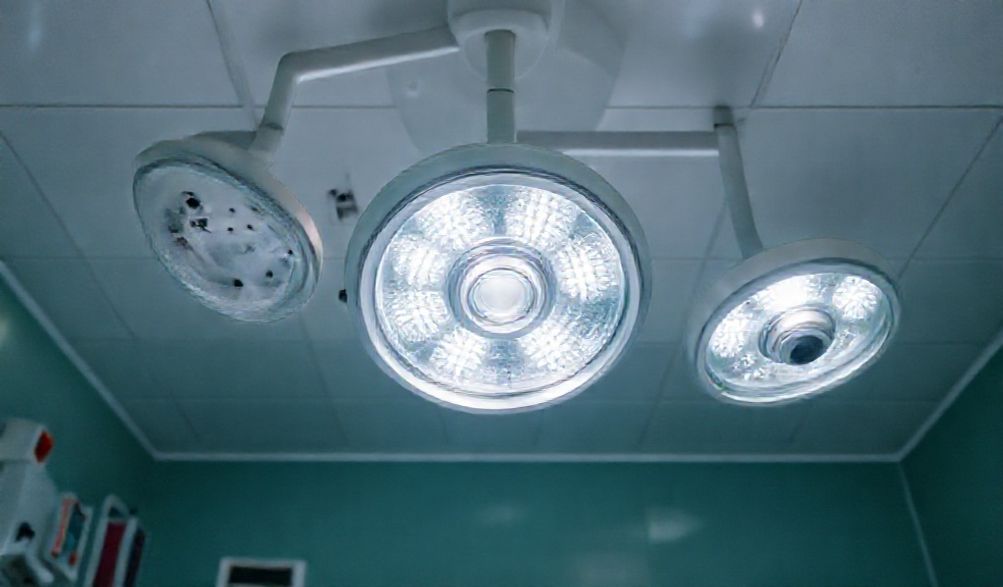
The operating theater demands the pinnacle of normes d'éclairage technology. Surgical luminaires are highly engineered tools.
- Technical Imperatives: The primary goals are extreme shadow reduction and deep-cavity illumination. This is achieved through multiple light sources (LED arrays) and sophisticated optics. Luminaries must be easily maneuverable, maintain sterile fields, and be made of cleanable materials.
- The LED Advantage: LED technology has revolutionized surgical lighting. LEDs provide brilliant, color-accurate light with minimal radiant heat (reducing tissue drying and surgeon discomfort), exceptional energy efficiency, and long lifespans, reducing maintenance interruptions in critical areas.
Diagnostic and Examination Areas
Accuracy in diagnosis hinges on visual clarity, making lighting specifications here non-negotiable.
- Radiology Viewing Rooms: Require extremely consistent, low-ambient, DICOM-standardized lighting to ensure radiologists can perceive subtle contrasts in medical images without external visual interference.
- Specialty Examinations: In dermatology or wound care, high-CRI (>90) lighting is essential for accurate assessment of skin tone, rash morphology, and tissue viability. Ophthalmology suites require adjustable, glare-free systems for patient comfort during exams.
Common and Public Areas
Clinical lighting principles extend to all spaces, impacting efficiency and experience.
- Wayfinding: Lighting can be used architecturally to define pathways, highlight information desks, and create a intuitive flow through lobbies and corridors, reducing anxiety for visitors.
- Staff Support Areas: Lighting in nurse stations should support alertness and charting accuracy. Conversely, break rooms and on-call rooms can benefit from warmer, dimmable lighting to promote genuine relaxation and recovery for staff during breaks.
Implementing a Clinical Lighting Strategy: A Practical Guide
Transitioning to an advanced normes d'éclairage system requires careful planning grounded in core principles and smart technology choices.
Core Design Principles and Standards
A successful strategy is built on a foundation of established guidelines and holistic principles.
- Relevant Standards: Design should adhere to guidelines from the Illuminating Engineering Society (IES), International Electrotechnical Commission (IEC), and local healthcare facility codes, which specify minimum requirements for illuminance, glare, and emergency lighting.
- Guiding Principles:
- Flexibilité : Lighting should adapt to different tasks, times of day, and occupant needs.
- Hygiene: Fixtures must support infection control protocols.
- Sécurité : Ensure safe navigation and eliminate hazards (e.g., flicker, overheating).
- Efficacité : Maximize energy performance and sustainability.
Technology Choices: LED, Tunable White, and Controls
The technological backbone of modern normes d'éclairage is a combination of advanced light sources and intelligent controls.
- LEDs: The universal choice due to their high efficacy (lumens per watt), long lifespan (50,000+ hours), durability, and instant-on capability. Their digital nature makes them ideal for integration with control systems.
- Tunable White Systems: These LED systems can automatically or manually vary their correlated color temperature (CCT), typically from 2700K (warm) to 6500K (cool daylight), to deliver prescribed HCL sequences that support circadian health for patients and staff.
- Smart Sensors & Controls: Occupancy/vacancy sensors turn lights off in unoccupied rooms. Daylight harvesting sensors dim electric lights near windows when sufficient natural light is present. Centralized control systems allow for facility-wide scheduling and monitoring, unlocking significant energy savings.
Cost-Benefit Analysis and ROI
While the upfront cost of a sophisticated normes d'éclairage system is higher than a conventional one, the total value proposition is compelling.
- Tangible ROI:
- Energy Savings: LED systems typically reduce lighting energy use by 50-70%. Smart controls can add another 10-20% in savings.
- Maintenance Reduction: The long lifespan of LEDs drastically reduces labor and material costs for bulb replacements, especially in high-ceiling or critical care areas.
- Intangible & Clinical ROI: This is where the true value shines: the potential for improved patient sleep and mood may contribute to shorter lengths of stay. Enhanced staff visual comfort can reduce errors and improve retention. A better environment elevates the hospital’s reputation. These factors, though harder to quantify, represent a profound return on investment.
Addressing Common Challenges and Considerations
Anticipating and planning for challenges is a mark of experienced implementation.
Infection Control and Cleanability
In a hospital, every surface is a potential infection vector. Clinical lighting fixtures must be designed accordingly.
- Design Standards: Luminaires should be fully sealed (IP-rated where appropriate), with smooth, seamless surfaces that lack crevices, lips, or grilles where pathogens and dust can accumulate.
- Material Compatibility: All materials must withstand frequent cleaning with harsh, hospital-grade disinfectants without corroding, discoloring, or degrading.
Retrofit vs. New Construction
- Retrofit: Upgrading an existing facility is common. Key challenges include working within existing electrical infrastructure, ensuring new fixtures fit old mounting points, and meticulously planning phased installations to avoid disrupting clinical operations. The focus is often on immediate energy savings and improved light quality.
- New Construction: Offers the ideal opportunity to integrate normes d'éclairage holistically from the start, embedding controls into the building management system and designing architecture in concert with lighting for optimal effect.
Formation du personnel et gestion du changement
La technologie seule échoue sans adoption appropriée. Le personnel doit comprendre le “ pourquoi ” et le “ comment ”.”
- Au-delà de l'interrupteur : La formation doit expliquer l'intention clinique derrière les systèmes d'éclairage modulables — par exemple, “ Ce mode diurne vise à aider les patients à rester vigilants ; le mode soirée favorise leur cycle de sommeil. ”
- Formation pratique : Veillez à ce que le personnel clinique et technique soit à l'aise avec les nouvelles interfaces de contrôle, qu'il s'agisse de panneaux simples au chevet ou de tableaux de bord avancés au poste de soins.
- Recueillir les retours : Impliquez les utilisateurs finaux tôt dans le processus de conception et après l'installation pour affiner les réglages et garantir que le système répond aux besoins réels.
Foire Aux Questions (FAQ)
Q1 : Quelle est la différence entre l'éclairage hospitalier standard et l'éclairage clinique ?
R : L'éclairage standard se concentre principalement sur la visibilité de base et le respect des exigences réglementaires minimales. Clinical lighting L'éclairage clinique est un système holistique et fondé sur des preuves, conçu pour soutenir activement la biologie humaine, permettre des tâches médicales précises, améliorer le bien-être et la récupération des patients, et accroître l'efficacité opérationnelle et la sécurité.
Q2 : Un meilleur éclairage peut-il vraiment aider les patients à guérir plus vite ?
R : Un nombre croissant de recherches indique que oui. Bien que l'éclairage ne soit pas un traitement direct, il crée un environnement plus thérapeutique. En soutenant des rythmes circadiens sains, en réduisant l'anxiété et la dépression, et en améliorant la qualité du sommeil, un éclairage clinique optimisé normes d'éclairage supprime les barrières physiologiques et psychologiques à la guérison, ce qui peut contribuer à de meilleurs résultats et potentiellement à des temps de récupération plus courts.
Q3 : L'éclairage modulable “ circadien ” est-il simplement une tendance, ou est-il médicalement prouvé ?
R : Il s'agit d'une application scientifiquement fondée. L'impact du spectre lumineux et du timing sur la physiologie circadienne est bien documenté dans la littérature scientifique évaluée par les pairs. Bien que la recherche sur des résultats de santé spécifiques en milieu hospitalier se poursuive, les effets biologiques fondamentaux sont prouvés, ce qui en fait une intervention non pharmacologique valide pour améliorer les schémas de sommeil, d'humeur et de vigilance.
Q4 : Quelle est l'importance des économies d'énergie avec un système d'éclairage clinique LED moderne ?
R : Très significative. Le simple remplacement des systèmes traditionnels fluorescents ou halogènes par des LED réduit généralement la consommation d'énergie pour l'éclairage de 50 à 70 %. Lorsque cela est combiné à des capteurs intelligents (de présence et de lumière naturelle) et à des contrôles centralisés, les économies totales peuvent être encore plus importantes, offrant un retour sur investissement rapide et des avantages financiers et environnementaux durables substantiels.
Q5 : Qui devrait être impliqué dans la planification d'un projet d'éclairage hospitalier ?
R : Une équipe multidisciplinaire est cruciale pour le succès. Elle doit inclure les responsables et ingénieurs des installations, des représentants du personnel clinique (infirmiers, chirurgiens, thérapeutes), les praticiens du contrôle des infections, les administrateurs de l'hôpital, les architectes et des concepteurs d'éclairage spécialisés en santé. Cela garantit que le système répond aux besoins cliniques, aux protocoles opérationnels et aux paramètres financiers.
Conclusion
Clinical lighting L'éclairage clinique a évolué d'une simple commodité à une composante vitale de l'écosystème de santé. Il est simultanément un outil clinique qui soutient la physiologie des patients, une aide à la performance qui améliore la précision et le bien-être du personnel, un facteur de confort qui réduit l'anxiété, et un système intelligent qui améliore l'efficacité opérationnelle et la durabilité. Pour les dirigeants de la santé, investir dans un éclairage clinique avancé normes d'éclairage doit être considéré non pas comme une simple mise à niveau des installations, mais comme un investissement stratégique dans la mission fondamentale de l'institution : fournir des soins exceptionnels aux patients. En exploitant la puissance de la lumière, les hôpitaux peuvent créer des environnements qui guérissent véritablement, soutiennent ceux qui y travaillent et ouvrent la voie à un standard plus élevé de prestation de soins. Pour des projets spécifiques, il est toujours recommandé de consulter des concepteurs d'éclairage de santé certifiés et de se référer aux dernières normes de l'industrie.
p>