
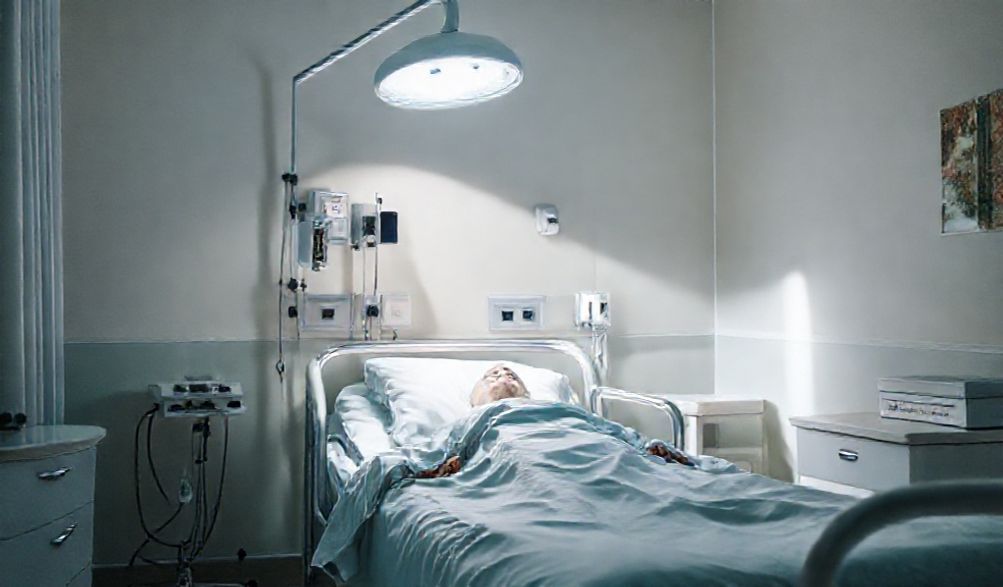
The Ultimate Guide to Patient Bed Lights: Safety, Comfort, and Healing
In the intricate ecosystem of a healthcare environment, attention is rightly lavished on high-tech scanners, advanced monitors, and life-saving medications. Yet, there is one humble, ever-present piece of equipment whose impact is profound and multifaceted: the patient bed light. Far more than a simple source of illumination, modern patient bed lighting is a critical tool engineered at the intersection of clinical necessity, équipement de protection chirurgicale, and human-centered design. It is a silent guardian against falls, a partner in clinical precision, and a subtle architect of the healing environment.
This comprehensive guide delves into the vital role of patient bed lights, moving beyond basic specifications to explore how the right lighting solution actively contributes to better outcomes. Drawing on principles of evidence-based design and clinical expertise, we will illuminate how these devices support everyone in the care continuum—from the nurse performing a delicate procedure to the patient seeking comfort in the middle of the night. Whether you are a facility manager specifying equipment, a clinician advocating for better tools, or a patient or family member preparing for a care journey, understanding the power of purposeful lighting is a step toward fostering safety, efficiency, and well-being.
Why Patient Bed Lighting is a Critical Healthcare Component
To view a patient bed light as merely a lamp is to misunderstand its fundamental purpose. In clinical settings, lighting is a foundational element of care infrastructure, as crucial as a clean floor or a functional bed. Its design and implementation speak directly to a facility’s commitment to safety, operational excellence, and holistic patient recovery.
Beyond Illumination: Safety and Fall Prevention
Patient falls are among the most common and serious adverse events in healthcare settings, often leading to extended hospital stays, increased costs, and significant patient harm. Disorientation, especially during nighttime trips to the bathroom, is a primary culprit. Here, specialized bed lighting plays a direct, preventative role.
A well-designed patient bed light includes a dedicated, low-level nightlight or downward-casting floor path illuminator. This feature provides enough soft, targeted light for a patient to orient themselves, see the floor, and navigate safely to the bathroom without switching on a bright, glaring main light that would fully wake them (and potentially a roommate). This preserves sleep architecture while mitigating a major risk. Studies in environmental design consistently link optimized nighttime lighting to reduced fall rates, making it a non-negotiable feature for patient safety protocols.
Supporting Clinical Accuracy and Staff Work
For healthcare staff, every visual assessment is a data point guiding care. The quality of light directly impacts the quality of that data. Imagine a nurse assessing a wound for signs of infection, a phlebotomist locating a vein, or a doctor checking for subtle changes in skin color (jaundice, cyanosis). Under poor, yellowed, or shadow-filled light, critical details can be missed.
Modern medical bed lights are engineered for clinical accuracy. They provide bright, even, and color-true illumination that minimizes shadows across the patient’s body. This is not a luxury; it is essential for procedural precision, accurate wound staging, safe medication administration, and correct documentation. In essence, it is a tool that empowers staff to perform at their best, reducing errors and enhancing the quality of hands-on care.
The Role of Lighting in Patient Psychology and Healing
The impact of light extends deep into human biology and psychology. Light is the primary regulator of our circadian rhythms—the internal 24-hour clock governing sleep-wake cycles, hormone release, and overall physiology. The sterile, often perpetually bright environment of traditional hospitals can severely disrupt these rhythms, leading to poor sleep, increased confusion (like sundowning in elderly patients), and higher stress levels.
Progressive patient bed lighting counteracts this. By offering patients control over their immediate environment—through dimmable, adjustable lights with different color temperatures—they can create a more natural cycle. Warm, dim light in the evening signals the body to wind down and prepare for sleep, supporting better rest, which is intrinsically linked to healing. Furthermore, the ability to control one’s environment reduces feelings of helplessness and anxiety, contributing to a calmer, more positive mental state that is conducive to recovery. This aligns with the principles of “healing environments,” where the physical setting is actively designed to support the patient’s psychological and physiological well-being.
Key Features to Look for in a Modern Patient Bed Light
Selecting a patient bed light requires a checklist that balances clinical demands with human factors. Here are the evidence-based features that separate a standard lamp from a true medical-grade device.
Adjustability and Ergonomic Design
A static light is of limited use in a dynamic care setting. The ideal fixture features fully articulating arms with multi-directional heads, allowing the light to be precisely positioned exactly where it’s needed—whether for a patient reading a book, a nurse examining a foot, or a doctor reviewing a chart. This adjustability must be paired with intuitive, easy-to-use controls. Buttons or touch sensors should be large, logically arranged, and operable with minimal force, accommodating patients with limited dexterity or strength. The design should allow one-handed operation by staff wearing gloves.
Light Quality and Technical Specifications
This is where technical specs translate directly into care quality.
- Color Temperature (CCT): Measured in Kelvin (K), this describes the “warmth” or “coolness” of light. A light with adjustable CCT is ideal. Cool white light (5000K-6500K) is excellent for clinical tasks requiring alertness and visual acuity (e.g., wound care, procedures). Warm white light (2700K-3500K) is soothing and ideal for ambient, relaxing illumination in the evening to support circadian rhythms.
- Indice de Rendu des Couleurs (IRC) : This is a critical, non-negotiable metric for healthcare. CRI measures a light’s ability to reveal the true colors of objects compared to natural light. A high CRI (90+ is ideal, 80+ is minimum) is essential for accurately assessing skin tones, wound bed coloration, bruising, and rashes. Low-CRI lighting can mask critical clinical signs.
- Brightness Control: Full-range dimmability is vital. The light should be capable of providing brilliant, shadow-free illumination for an examination and then be dimmed to a soft glow for a nighttime check or patient comfort, all without flickering.
Safety, Hygiene, and Durability Standards
Healthcare environments demand equipment built to the highest standards of safety and resilience.
- Contrôle des infections : The fixture must have a sealed, seamless design with no crevices where pathogens can hide. It should be made of cleanable, non-porous materials that can withstand frequent wiping with hospital-grade disinfectants. An IP (Ingress Protection) rating indicating resistance to dust and liquids is a good sign.
- Physical Safety: LED technology is standard, largely because it remains cool to the touch, eliminating burn risks associated with old halogen or incandescent bulbs. The housing should be robust, with strong joints and arms that can withstand repeated adjustment and occasional impact.
- Sécurité électrique : It must be certified to relevant medical electrical safety standards (like UL/CSA in North America, IEC internationally), ensuring protection against shocks and faults.
Integrated Functionality and Smart Features
The best patient bed lights are multi-functional systems:
- Dual/Triple Light Sources: Separate, independently controlled lights for reading (focused, personal), examination (broad, clinical), and ambient/night lighting (indirect, soft).
- Smart Controls: Touch-sensitive controls, memory settings for preferred light scenes, and integrated nightlights that activate automatically at low levels.
- Connectivity: Potential for integration with nurse call systems (e.g., the light flashes when the call button is pressed) or broader room automation systems for a synchronized care environment.
Choosing the Right Patient Bed Light for Different Settings
The optimal light varies significantly depending on the care context. Here’s how to tailor the choice.
Acute Care Hospitals and ICU Settings
Here, performance and integration are paramount. Lights must deliver exceptionally bright, high-CRI, shadow-reduced illumination for complex procedures at the bedside. Durability is key to withstand the intense, round-the-clock use. Articulation needs to be superb to maneuver around IV poles, monitors, and other equipment. Integration capabilities with the bed and nurse call system are highly valuable for streamlined workflows in fast-paced environments.
Long-Term Care and Senior Living Facilities
The focus shifts strongly to safety, simplicity, and comfort. Fall prevention is the top priority, making an excellent, automatic nightlight mode the most important feature. Controls must be extremely intuitive, with large icons and simple operation for residents with cognitive or visual impairments. Warm, ambient lighting that feels residential and non-institutional helps create a calming, homelike atmosphere. Durability remains important due to long-term use.
Home Healthcare and Private Use
This setting balances clinical utility with residential aesthetics and ease of installation. User-friendliness for both the patient and family caregivers is crucial. The light should be energy-efficient and easy to mount or integrate into a home bed setup. Features like a good reading light and a gentle nightlight are highly valued. While high CRI is beneficial for caregivers managing wounds, the design should not feel overly “medical” to support a healing mental state in the home.
Installation, Maintenance et Bonnes Pratiques
Proper implementation ensures your investment delivers its full benefits safely and sustainably.
Optimal Placement and Installation Considerations
Installation should be performed by a qualified electrician in compliance with all local codes and healthcare facility standards. Key considerations include:
- Mounting Height & Reach: The light should be mounted so its fully extended arm can comfortably illuminate the entire patient zone (from head to mid-torso) when positioned for reading or examination, and also cast light onto the immediate floor area for safe ambulation.
- Accessibilité : Ensure controls are within easy reach of a reclined patient without straining.
- Sécurité : Le support de fixation doit être absolument fixé au mur ou au lit, capable de supporter le poids de la lampe sans affaissement ni desserrage au fil du temps.
Protocoles de Nettoyage et de Maintenance de Routine
Un protocole clair est essentiel pour le contrôle des infections et la longévité.
- Nettoyage Quotidien/Par Patient : Essuyez l'ensemble de l'appareil, en particulier le panneau de commande et les poignées, avec un chiffon doux humidifié avec un désinfectant hospitalier approuvé. Évitez les nettoyants abrasifs ou de pulvériser du liquide directement sur l'appareil.
- Inspection Périodique : Mensuellement, vérifiez la tension des bras articulés, la solidité de tous les joints et du support de fixation, ainsi que le fonctionnement de tous les interrupteurs et variateurs. Recherchez toute fissure ou dommage sur le boîtier.
- Sécurité électrique : Dans le cadre de la maintenance préventive à l'échelle de l'établissement, faites vérifier périodiquement les connexions électriques et la mise à la terre par le personnel technique.
Former le Personnel et les Patients à une Utilisation Efficace
Un outil puissant n'est bon que par la personne qui l'utilise. Incluez les fonctionnalités de la lampe de lit dans l'intégration du nouveau personnel. Montrez comment utiliser les différents modes d'éclairage pour des tâches spécifiques : lumière d'examen vive pour les évaluations, lumière de lecture pour l'autonomie du patient, et veilleuse pour les rondes de sécurité. Pour les patients, une simple présentation de 30 secondes lors de l'admission — “ Voici votre lampe ; ce bouton est pour la lecture, celui-ci l'assombrit, et cette lumière douce reste allumée la nuit pour la sécurité ” — les responsabilise et réduit les appels à l'aide. Cela transforme la lampe d'un simple équipement en un élément de leur environnement de soins personnel.
Foire Aux Questions (FAQ)
Q1 : Quelle est la caractéristique la plus importante d'une lampe de lit pour la sécurité du patient ?
R : Un mode veilleuse dédié à faible intensité ou un éclairage de cheminement au sol est crucial. Il fournit suffisamment de lumière d'orientation pour prévenir les chutes sans perturber le sommeil, répondant ainsi à la préoccupation de sécurité principale liée à la déambulation nocturne.
Q2 : Toutes les lampes de lit de qualité médicale sont-elles désormais fabriquées avec des LED ?
R : Pratiquement tous les appareils modernes utilisent la technologie LED. Les LED sont préférées pour leur fonctionnement à froid (éliminant les risques de brûlure), leur longue durée de vie, leur efficacité énergétique et leurs excellentes capacités de rendu des couleurs, essentielles pour la précision clinique.
Q3 : En quoi l'éclairage de lit médical diffère-t-il d'une lampe de lecture ordinaire ?
R : Les lampes de lit médicales sont construites selon des normes bien plus élevées. Elles sont conçues pour le contrôle des infections (boîtiers faciles à nettoyer et étanches), la précision clinique (IRC élevé), la durabilité physique, et des caractéristiques de sécurité spécifiques comme des surfaces froides au toucher et une fixation sécurisée, que les lampes ordinaires n'ont pas.
Q4 : Un bon éclairage peut-il vraiment affecter le temps de récupération d'un patient ?
R : Oui, de manière significative. La recherche en conception fondée sur des preuves montre que les environnements qui soutiennent les rythmes circadiens et le sommeil — largement contrôlés par l'exposition à la lumière — peuvent réduire le stress du patient, améliorer la qualité du sommeil et influencer positivement la perception de la douleur, tous ces facteurs contribuant à une récupération plus efficace.
Q5 : Qui est généralement responsable du choix et de l'installation de ces lampes dans un établissement ?
R : Il s'agit généralement d'une décision collaborative impliquant le personnel clinique (infirmiers, médecins qui fournissent des informations sur les besoins fonctionnels), la gestion/technique de l'établissement (pour l'installation et les spécifications de maintenance) et les équipes de contrôle des infections. L'approvisionnement suit les normes et codes établis de l'établissement.
Conclusion
Le choix d'une lampe de lit pour patient est un choix profond, qui résonne à travers le calme d'un service de nuit et l'urgence d'une procédure clinique. C'est un investissement qui rapporte en statistiques de sécurité mesurables, en précision des soins dispensés, et dans le confort intangible d'une personne en voie de guérison. En priorisant une conception intelligente — lumière ajustable et de haute qualité, sécurité inébranlable, hygiène rigoureuse et contrôle utilisateur empathique — nous faisons plus qu'éclairer une pièce. Nous créons des environnements qui protègent, responsabilisent et favorisent le bien-être. Dans le parcours vers la guérison, chaque détail compte, et la bonne lumière peut effectivement être un guide. Consultez toujours les professionnels cliniques et techniques de l'établissement pour vous assurer que tout produit sélectionné répond aux normes réglementaires et de sécurité spécifiques requises pour son utilisation prévue.
p>