
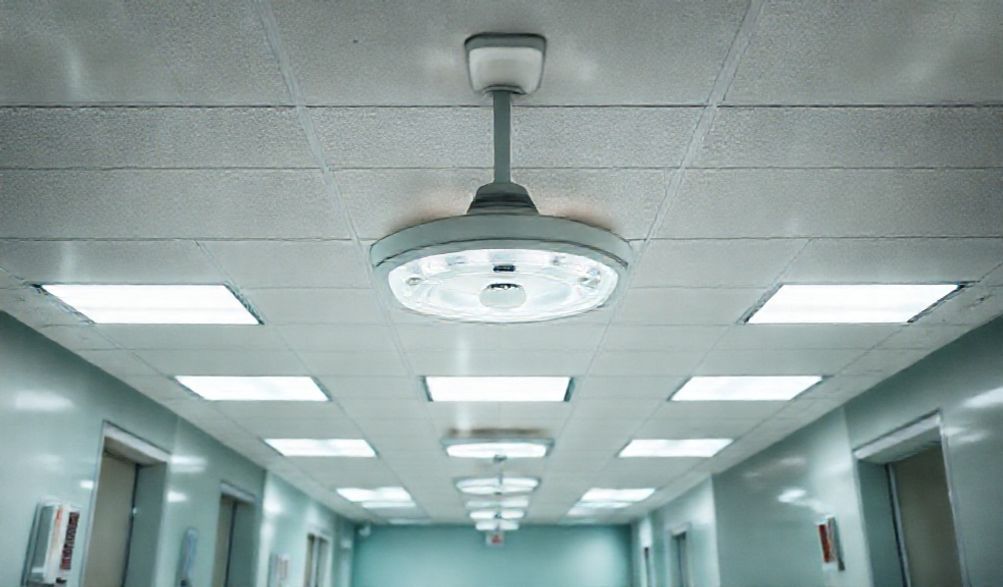
The Complete Guide to Hospital Lighting Fixtures: Enhancing Care, Safety, and Healing
Introduction
When we consider the tools that drive positive healthcare outcomes, our minds typically turn to advanced pharmaceuticals, cutting-edge surgical robots, or sophisticated diagnostic imaging. Rarely do we think of the humble light fixture. Yet, what if one of the most powerful, pervasive, and underappreciated tools in a hospital isn’t a drug or a scalpel, but light itself? The illumination within a healthcare facility does far more than simply allow us to see; it is an active, environmental intervention that profoundly influences biological, psychological, and operational realities.
This comprehensive guide moves beyond the concept of basic illumination to explore hospital lighting fixtures as critical medical infrastructure. We will examine their vital, multifaceted impact on patient recovery rates, clinical staff performance and well-being, infection control protocols, and overall facility management. Our goal is to provide authoritative, experience-based information to help hospital administrators, architects, interior designers, and facility managers make informed, strategic decisions that align with the core mission of healing.
A Note on Expertise & Trust: The insights within this guide are synthesized from established industry standards, evidence-based design research, and real-world best practices in modern healthcare environments. We reference foundational guidelines from organizations like the Illuminating Engineering Society (IES), the WELL Building Standard, and the Facility Guidelines Institute (FGI). This post is framed as an educational resource for professionals, utilizing precise terminology while prioritizing clarity. Our objective is to inform and empower, not to promote any specific brand, with safety, compliance, and patient-centered care as the unwavering priorities.
Why Hospital Lighting is More Than Just Illumination
In a hospital, light is a therapeutic agent, a diagnostic tool, a safety system, and a hygiene component all in one. Understanding these roles is the first step in specifying the right fixtures.
Impact on Patient Healing and Circadian Rhythms
The human body is governed by circadian rhythms—24-hour biological cycles regulated by an internal “master clock” in the brain. The primary cue that synchronizes this clock is light, specifically the intensity and color temperature (blue content) of light entering our eyes.
- The Science: Exposure to bright, cool-white light (with higher blue wavelengths) during the day suppresses melatonin, promoting alertness and stable mood. Conversely, warm, dim light in the evening allows melatonin to rise, facilitating restful sleep.
- The Hospital Challenge: Traditional, static hospital lighting often works against this biology. Patients confined to beds may experience constant, flat illumination or darkness interrupted by clinical checks, leading to circadian disruption. This is linked to increased rates of delirium, poorer sleep quality, longer hospital stays, and slower recovery.
- The Fixture Solution: Tunable white lighting systems are designed to mimic the natural daylight cycle. Using LED technology, these fixtures can automatically adjust their correlated color temperature (CCT) and intensity throughout the day—from energizing 5000K light in the morning to a calming 2700K at night. This “circadian entrainment” is a non-pharmacological intervention proven to reduce agitation, improve sleep patterns, and contribute to better overall patient outcomes.
Supporting Clinical Accuracy and Staff Well-being
Lighting is a critical partner to clinical staff, directly affecting diagnostic accuracy, procedural precision, and their own long-term health.
- Color Rendering for Diagnosis: In examination rooms, emergency departments, and nurses’ stations, accurate color perception is paramount. A rash, pallor, cyanosis (bluish skin), or the subtle color of tissue during surgery must be seen truthfully. Fixtures with a high Color Rendering Index (CRI >90, with R9 >50 for strong red rendering) are essential. Low-CRI lighting can distort colors, leading to misdiagnosis or missed cues.
- Task Lighting for Precision: Surgical suites, procedure rooms, and bedside examination areas require intense, shadow-reduced, and focusable light. Surgical luminaires and high-quality exam lights must provide exceptional illumination depth, be easily positionable, and often be sterilizable. For nurses documenting charts or pharmacists preparing medications, task-specific lighting reduces eye strain and errors.
- Mitigating Staff Fatigue: Healthcare workers endure long, irregular shifts. Lighting that minimizes glare, flicker, and visual discomfort can reduce headaches, eye strain, and mental fatigue, contributing to a safer, more supportive work environment.
Safety, Navigation, and Infection Control
Lighting forms the backbone of a hospital’s physical safety and hygiene strategy.
- Safety & Egress: Code-compliant emergency egress lighting is non-negotiable. This includes exit signs, pathway lighting, and backup systems that activate during a power failure to guide safe evacuation. Subtle, low-level night lighting in patient rooms and corridors ensures safe navigation for patients and staff without disrupting sleep.
- Infection Control: This is where fixture design becomes as important as light output. In patient rooms, ICUs, and operating rooms, fixtures must have:
- Sealed, Seamless Enclosures: To prevent the accumulation of dust, microbes, and moisture.
- Smooth, Non-Porous Materials: That can withstand daily or terminal cleaning with harsh, hospital-grade disinfectants without degrading.
- Minimal Horizontal Surfaces: To avoid dust collection.
- Proper placement to eliminate dark corners and shadows where contaminants can hide.
Key Types of Hospital Lighting Fixtures and Their Applications
The diverse functions of a hospital demand an equally diverse lighting toolkit. Here’s a breakdown of key fixture types and where they are essential.
Patient Room Lighting Systems
The patient room requires a layered lighting approach to serve multiple users and functions simultaneously.
- Overhead Ambient Lighting: Provides general, non-glare illumination. Indirect lighting (bouncing light off the ceiling) is often preferred for its soft, shadow-free quality that reduces patient discomfort. Direct downlights must be carefully shielded to control glare for a supine patient.
- Patient-Controlled Reading Lights: A patient-centric amenity. These should be individually dimmable, have a warm color temperature, and be positioned to provide ample light for reading without spilling onto a resting roommate.
- Examination Lights: These are high-CRI, bright, and focusable lights for clinical assessments. They can be integrated into a headwall system or overbed ceiling track, or be mobile on a flexible arm.
- Night Lights: Ultra-low-output (often < 5 lux) fixtures, typically wall-mounted near the floor, that provide just enough orientation light for safe patient movement to the bathroom without triggering full wakefulness.
Surgical and Procedure Lighting
This category demands the highest level of performance and reliability.
- Surgical Luminaires (Operating Lights): These are highly specialized fixtures engineered for deep-cavity illumination. Key features include:
- Shadow Reduction: Achieved through multiple light sources or large-diameter reflectors.
- High Intensity & Depth: To illuminate deep within a surgical site.
- Color Temperature & CRI: Typically a very neutral white (~4000K) with CRI >90 for true tissue color.
- Sterilization Compatibility: The entire fixture, or its critical handles and surfaces, must tolerate repeated cleaning and sterilization.
- Lighting for LDRPs, Endoscopy, & Minor Procedure Rooms: While less intense than main OR lights, fixtures here still require excellent color rendering, flexibility, and cleanability. Integrated ceiling-mounted systems are common.
Corridor, Utility, and Specialized Area Lighting
- Corridor Lighting: Must be durable, vandal-resistant, and provide even, shadow-free illumination to support wayfinding and safety. In staff corridors, lighting levels may be higher to support task-oriented movement.
- Wet-Location Fixtures: In washrooms, decontamination rooms, and other wet areas, fixtures must have a high IP (Ingress Protection) Rating (e.g., IP65 or higher) to be sealed against dust and water jets.
- UVGI Fixtures: Ultraviolet Germicidal Irradiation is a specialized application. Upper-room air disinfection fixtures use UV-C light to inactivate airborne pathogens like tuberculosis and influenza. Surface disinfection robots or fixtures are used to sanitize empty rooms or equipment. These require extreme caution in design and use to prevent human exposure to UV-C light.
Critical Factors in Selecting Hospital Lighting Fixtures
Choosing the right fixture involves navigating a complex matrix of technical, regulatory, and human factors.
Compliance with Codes and Standards
Hospital lighting is one of the most heavily regulated building systems. Non-compliance is not an option.
- Life Safety: NFPA 101 Life Safety Code dictates requirements for emergency lighting, exit signs, and illumination of means of egress.
- Healthcare Facility Design: The Facility Guidelines Institute (FGI) Guidelines provide minimum standards for illumination levels (in footcandles or lux) in every type of hospital space, from patient rooms to pharmacies.
- Medical Equipment Safety: IEC 60601 standards apply to lighting that is considered “medical electrical equipment,” such as surgical lights and some examination lights.
- Accessibility: The Americans with Disabilities Act (ADA) governs the location, height, and operability of light switches and controls.
- Energy Efficiency: ASHRAE 90.1 and the International Energy Conservation Code (IECC) set limits on lighting power density, making high-efficiency LED technology the standard.
Technical Specifications to Scrutinize
Look beyond the catalog picture. The datasheet tells the real story.
- Light Quality:
- CRI (Color Rendering Index): Aim for >90 for clinical areas, >80 for general areas.
- CCT (Correlated Color Temperature): Selectable or tunable based on the space’s function (e.g., 3500K for general ambient, 4000K+ for tasks).
- Flicker: Specify flicker-free drivers (<5% is a common benchmark). Flicker can cause headaches and is harmful in environments with sensitive medical imaging equipment.
- Glare Control: Check the UGR (Unified Glare Rating). A lower UGR (e.g., UGR<19) indicates better glare control, crucial for patient comfort.
- Durability & Maintenance:
- IP Rating: Defines protection against solids and liquids (e.g., IP44 for general use, IP65 for wet areas).
- Mean Time Between Failures (MTBF): A reliability metric for LED drivers and electronics.
- Cleanability: Does the housing have gaskets? Are the materials chemical-resistant? Is relamping or servicing possible without compromising the sealed environment?
- Integration Capabilities: Modern fixtures are nodes on a network.
- Ensure compatibility with lighting control systems (e.g., 0-10V dimming, DALI).
- Consider future integration with a Building Management System (BMS) for energy monitoring and centralized control.
The Human-Centric Lighting (HCL) Approach
HCL is the intentional application of light to support human health, well-being, and performance. In hospitals, it’s the synthesis of all the above principles into an automated, responsive system.
- Automated Circadian Tuning: The system automatically shifts light intensity and CCT on a 24-hour schedule aligned with natural daylight.
- User Overrides: Staff and patients must have the ability to temporarily override presets for exams, procedures, or personal preference.
- Scene Presets: One-touch buttons for standardized settings like “Day” (bright, cool), “Night” (dim, warm), “Exam” (high-intensity, high-CRI), and “Cleaning” (100% output).
Implementation, Maintenance, and the Future
Specifying the right fixture is only half the battle; proper implementation and upkeep are crucial for long-term success.
Best Practices for Installation and Commissioning
- Engage Clinical Stakeholders Early: Nurses, doctors, and environmental services staff provide invaluable feedback on fixture placement, control logic, and usability. A fixture perfectly placed by an architect might cast a shadow where a nurse needs to see an IV line.
- Commission Dynamic Systems: A tunable white or HCL system must be meticulously commissioned. This is the process of programming and fine-tuning the automated schedules and scenes to ensure they meet the clinical and patient wellness goals established in the design phase. Don’t just install it and hope it works.
Creating a Sustainable Maintenance Protocol
Lighting is a long-term asset that requires care.
- Cleaning Schedule: Include light fixtures in the environmental services cleaning protocol. Use only approved cleaners that won’t damage lenses or finishes.
- Photometric Testing: Plan for periodic checks (e.g., every 2-3 years) to measure light levels in key areas. Luminaires depreciate over time, and light levels may fall below FGI or task requirements.
- Staff Training: Ensure facilities and clinical staff understand how to use control systems, change basic settings, and report failures. A sophisticated system is useless if no one knows how to operate it.
Emerging Trends in Healthcare Lighting
The future of hospital lighting is intelligent and interconnected.
- Li-Fi (Light Fidelity): Using modulated LED light to transmit data. In hospitals, this could provide ultra-secure, high-speed internet in sensitive areas like ORs and enable precise real-time location services for equipment tracking.
- IoT & Building Analytics: Each fixture becomes a sensor node, reporting its status, energy use, and even ambient conditions back to a central analytics platform for predictive maintenance and operational insights.
- Biophilic Lighting Design: Going beyond simple color tuning to create dynamic light patterns that mimic clouds passing over the sun, dappled forest light, or other natural phenomena to further reduce patient stress and support mental well-being.
Frequently Asked Questions (FAQ)
Q1: What is the most important factor when choosing lighting for a patient room?
A: Prioritizing patient well-being through circadian-friendly, tunable lighting that allows control over light intensity and color temperature to support natural sleep/wake cycles, combined with high-quality, high-CRI task lighting for clinical procedures. The system must be simple for both the patient and the clinician to use.
Q2: Are LED fixtures the best choice for hospitals?
A: Yes, modern, high-quality LEDs are the unequivocal standard. They offer superior energy efficiency, exceptionally long lifespan (reducing maintenance disruptions), excellent color rendering, and full dimmability. The critical caveat is they must be specified to be flicker-free and have appropriate thermal management to ensure longevity and performance.
Q3: How does lighting contribute to infection control?
A: Primarily through fixture design and material selection. Fixtures must have sealed, smooth housings with no cracks, crevices, or porous materials where pathogens can reside. All surfaces must withstand frequent, aggressive cleaning with hospital-grade disinfectants without corroding or degrading. Proper, even illumination also minimizes shadows where contaminants can be overlooked during cleaning.
Q4: What are the key lighting standards for a hospital renovation project?
A: You must concurrently consult the Facility Guidelines Institute (FGI) Guidelines for illumination levels, NFPA 101 Life Safety Code for egress and emergency lighting, and all applicable state and local building codes. Lighting must also meet ADA standards for switch/control accessibility and will need to comply with current energy conservation codes like IECC or ASHRAE 90.1.
Conclusion
Hospital lighting has evolved from a utilitarian necessity to a recognized component of the care delivery system. The selection of hospital lighting fixtures is a long-term strategic investment that directly influences patient health outcomes, clinical staff effectiveness, facility safety, and operational efficiency. The right lighting creates an environment that is not only functional and compliant but actively promotes healing and well-being.
While this guide provides a robust framework for understanding the complexities of healthcare lighting, every project—from a single department renovation to a new hospital tower—is unique. We strongly recommend engaging a multidisciplinary team for any significant project. This team should include a professional lighting designer (preferably with an LC certification and IES affiliation) and, critically, a clinical planning team with first-hand experience in healthcare workflows. Their combined expertise is essential to translate these principles into a successful, compliant, and truly healing-centric lighting design.
We encourage you to look at your current facility’s lighting with a new perspective. Audit it not just for brightness or energy use, but for how it contributes to—or detracts from—your fundamental mission of healing.
p>