
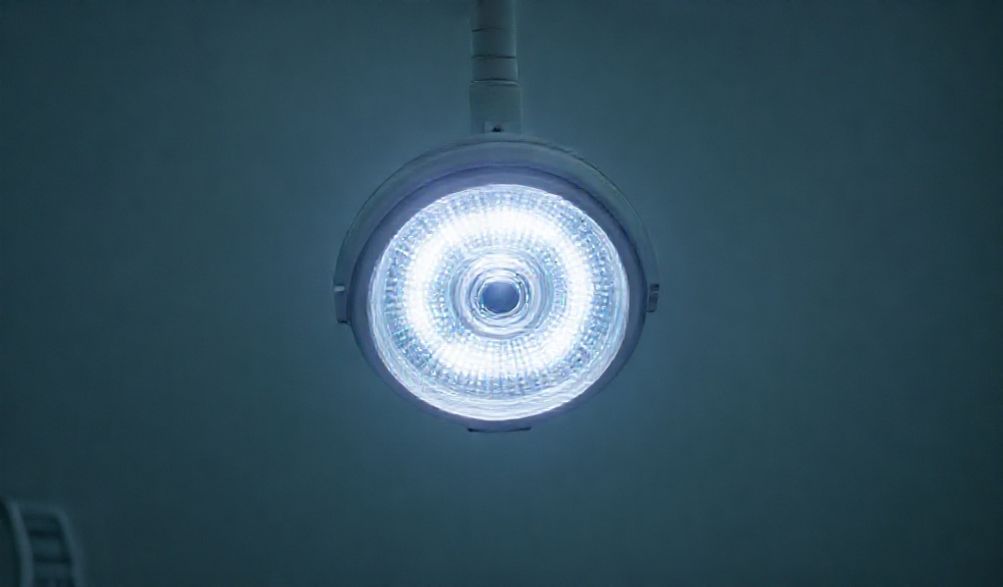
LED Exam Lights: The Complete Guide to Modern Medical Lighting
In the precise world of healthcare, where a millimeter can be the difference between a clear diagnosis and a missed detail, the tools of the trade are paramount. While we invest heavily in advanced imaging and diagnostic software, one of the most fundamental tools often gets overlooked: the exam light. For decades, the warm, often harsh glow of halogen lights was the standard. Yet, just as medicine has evolved, so too has lighting technology. Outdated, inefficient lighting doesn’t just strain the eyes of practitioners; it can subtly compromise diagnostic accuracy, patient comfort, and a clinic’s operational budget.
This guide marks a decisive shift from the old to the new. We are moving from the energy-intensive, heat-producing halogen bulbs to the crisp, efficient, and intelligent world of LED (Light Emitting Diode) exam lighting. This isn’t merely a bulb swap; it’s a comprehensive upgrade to clinical capability.
The purpose of this article is to serve as your definitive, expert-driven resource. Built on the principles of Experience, Expertise, Authoritativeness, and Trustworthiness (E-E-A-T), we aim to equip medical professionals, clinic managers, hospital procurement officers, and healthcare facility planners with the knowledge needed to make confident, informed decisions. We will illuminate the undeniable benefits of LED technology, dissect the key features that matter, provide a structured framework for selection, and outline best practices for implementation. Consider this your roadmap to a brighter, more efficient future in patient care.
Why LED Technology is Revolutionizing Medical Exams
The transition to LED in medical settings is more than a trend; it’s a revolution backed by tangible advancements in physics and engineering. LED exam lights address the core shortcomings of their predecessors while introducing benefits that directly enhance clinical outcomes and operational efficiency.
Unmatched Brightness & Optimal Color Temperature
The primary job of an exam light is to reveal truth—to illuminate tissue, cavities, and surfaces with such clarity that nothing is left to interpretation. LED technology excels here through two critical metrics: intensity and color accuracy.
- Lumens and Lux: The Measure of True Brightness. Forget watts as a measure of brightness (that’s for energy consumption). For exam lights, we care about lux—the amount of light (lumens) falling on a specific area (square meter). Modern high-performance LED exam lights can deliver 40,000 to 100,000+ lux at a defined focal distance. This intense, focused illumination penetrates deep cavities without creating “hot spots” or dim peripheries, providing consistent visibility that halogen lights struggle to maintain over their lifespan.
- Color Rendering Index (CRI) and Temperature: Seeing What’s Really There. Accurate color perception is non-negotiable. A bruise, a subtle erythema, a shift in tissue pallor—these are critical diagnostic clues. CRI measures a light source’s ability to reveal the true colors of an object compared to natural sunlight (which has a CRI of 100). Medical-grade LED lights boast a CRI of 90 or higher, ensuring that the shades of red, blue, and yellow you see are faithful to reality.
Furthermore, the Correlated Color Temperature (CCT), measured in Kelvins (K), is optimized. The ideal range for medical examination is 4500K to 5500K, often called “neutral” or “daylight white.” This spectrum provides high visual acuity without the yellowish tint of warmer lights (which can mask jaundice) or the bluish harshness of cooler lights (which can cause eye strain). It’s the perfect balance for differentiating tissue types and vascular structures.
Enhanced Energy Efficiency & Significant Cost Savings
The operational argument for LED is overwhelmingly persuasive. Halogen lights are essentially high-wattage space heaters that happen to produce light; they convert over 80% of their energy into waste heat. LEDs operate on a completely different principle, producing light with minimal heat generation.
- Direct Energy Comparison: A typical halogen exam light may consume 250 to 500 watts. A comparable LED exam light delivering the same or greater illumination uses 30 to 70 watts. This represents an immediate 80-90% reduction in energy consumption per fixture.
- The Ripple Effect of Savings: The savings multiply. Lower energy draw means reduced electricity bills. The drastic reduction in radiant heat lowers the cooling load on your clinic’s HVAC system, leading to further energy savings. When projected over the 50,000+ hour lifespan of an LED, the total cost of ownership plummets, freeing up budget for other critical needs.
Superior Longevity and Reduced Maintenance
Downtime in an exam room is lost revenue and disrupted patient flow. Traditional halogen bulbs have a lifespan of 1,000 to 2,000 hours, necessitating frequent, disruptive changes. The bulb is not the only failure point; the intense heat also degrades reflectors and wiring over time.
LEDs redefine durability. A high-quality medical LED light engine is rated for 50,000 to 100,000 hours of operation. In a typical clinical setting (8 hours a day, 5 days a week), this translates to 15 to 30 years of service life. This eliminates:
* The cost and inventory of replacement bulbs.
* The staff time and labor required for frequent changes.
* The clinical interruption and room downtime associated with bulb failure.
The light simply becomes a reliable, set-and-forget component of your clinical infrastructure.
Key Features to Evaluate When Choosing an LED Exam Light
Not all LED exam lights are created equal. Beyond the core technology, specific design features determine how effectively the light integrates into your workflow and environment.
Adjustability and Ergonomic Design
A light that can’t be positioned perfectly is a hindrance. Ergonomic design is paramount for clinician comfort and procedural efficiency.
- Articulation and Reach: Evaluate the light’s range of motion. How many joints (links) does it have? A light with multiple, smooth-moving joints allows for precise positioning over any part of the patient, from a dental oral cavity to a surgical site on the torso, without needing to reposition the patient or the clinician. Look for a wide horizontal reach and sufficient vertical adjustment.
- Balance and Control: The light should stay where you put it. Counterbalanced arms or sophisticated spring mechanisms ensure the light head remains stable in any position without drifting. Controls should be intuitive and accessible—often via a handle-mounted switch or a touch-sensitive control panel—allowing for single-handed operation.
- Shadow Reduction: Advanced designs incorporate larger, optimized reflectors or multiple LED arrays to fill shadows cast by the clinician’s head or hands, providing more uniform illumination of the target area.
Thermal Management and Patient Comfort
The cool operation of LEDs is a major clinical benefit, not just an engineering spec.
- Minimal Radiant Heat: Halogen lights emit significant infrared radiation, which can cause patient discomfort, dry out exposed tissues (like mucous membranes or open wounds), and even pose a minor burn risk during prolonged, close-proximity procedures. LED exam lights direct almost all their energy into visible light, producing negligible radiant heat at the beam’s center. This enhances patient comfort and safety dramatically.
- Improved Procedure Environment: For both patient and clinician, a cooler light source makes for a more comfortable exam room atmosphere, especially in smaller or poorly ventilated spaces.
Durability, Hygiene, and Safety Standards
A medical device must be built to withstand the rigors of a clinical environment and adhere to the highest safety protocols.
- Build Quality and Materials: The housing should be constructed from medical-grade, robust materials like aluminum or high-quality polymers. Optics (lenses and reflectors) should be hermetically sealed to prevent dust and fluid ingress, which can degrade light output and become a hygiene concern.
- Ease of Cleaning and IP Ratings: Surfaces must be smooth, non-porous, and resistant to common hospital disinfectants. Look for lights with high Ingress Protection (IP) ratings (e.g., IPX4 or higher for splash resistance). A design with minimal seams and crevices simplifies and ensures effective infection control.
- Regulatory Compliance: This is non-negotiable. The device must comply with relevant medical safety standards, such as IEC 60601-1 (the international standard for medical electrical equipment) and be listed or approved by bodies like the FDA (U.S.) or CE (Europe). This ensures electrical safety, electromagnetic compatibility (no interference with other devices), and overall performance reliability.
How to Select the Right LED Exam Light for Your Practice
Choosing the perfect light requires aligning technology with your specific clinical needs, physical space, and financial parameters.
Assessing Your Clinical Specialty’s Needs
A “one-size-fits-all” approach doesn’t work. Consider your primary use cases:
- Primary Care / General Practice: Versatility is key. A light with good general illumination for full-body exams, coupled with a bright, focused spot for otoscopic or dermatologic inspection.
- Dentistry: Requires intense, shadow-free illumination into the deep, confined oral cavity. Lights often have smaller, focused spot sizes and may integrate with dental chairs or delivery systems.
- Dermatology: Exceptional color accuracy (CRI >95) and the ability to eliminate shadows for assessing skin lesions is critical. Some dermatology lights offer cross-polarization to reduce surface glare and reveal sub-surface detail.
- Minor Surgery / Procedure Rooms: Need very high intensity (lux), excellent depth of field, and often a larger field of illumination. Durability and ease of sterilization are paramount.
- ENT / Ophthalmology: Often require highly specialized lights integrated into headlamps or slit lamps, though overhead LED lights provide crucial ambient or supplementary lighting.
Mounting Options and Installation Considerations
How and where the light is installed determines its utility and flexibility.
- Ceiling-Mounted: The most common and space-efficient. Offers the greatest range of motion and keeps floors clear. Requires professional installation into a structural ceiling.
- Wall-Mounted: A good alternative where ceiling mounting isn’t possible. May have a slightly more limited range but is very stable.
- Floor-Standing: Offers ultimate portability and flexibility, ideal for multi-purpose rooms or clinics in rented spaces. Choose models with a stable, heavy base.
- Track Systems: Multiple lights can be installed on a single ceiling track, allowing for flexible positioning and sharing between adjacent bays or operating tables.
Action Step: Conduct a “lighting audit.” Map out your room dimensions, table/chair positions, and workflow. Consider future changes to ensure your chosen mounting solution offers adequate flexibility.
Budgeting: Total Cost of Ownership (TCO) Analysis
Move beyond the sticker price. The true cost of a medical light is spread over its entire service life.
- Initial Purchase Price: The upfront cost of the light and installation.
- Operational Costs: The electricity it will consume over 10+ years. (Use the wattage difference vs. halogen for a dramatic savings projection).
- Maintenance Costs: Factor in the cost and labor of bulb replacements (zero for LED vs. 25+ halogen changes) and any potential servicing.
- ROI Framework: Create a simple 5-10 year model:
Total Cost of Ownership = Purchase Price + (Energy Cost/Year x Years) + (Maintenance Cost/Year x Years)
While the LED light may have a higher initial cost, its TCO will almost always be significantly lower than a halogen equivalent within just a few years, delivering a clear and compelling Return on Investment (ROI).
Best Practices for Implementation and Maintenance
To maximize your investment, proper use and care are essential.
Optimal Positioning and Usage Techniques
- Minimize Glare: Position the light head so the primary beam is aimed at the target area from an angle, rather than directly in line with the clinician’s view, to reduce reflective glare off instruments or moist tissue.
- Eliminate Shadows: Use the light’s articulation to position it as close to your line of sight as possible. For critical work, consider using a secondary light source (like a headlight) to fill in shadows from the primary overhead light.
- Deep Cavity Illumination: Get the light as close as safely possible to the opening. The intensity (lux) follows the inverse-square law—doubling the distance quarters the light on the target.
Routine Cleaning and Performance Checks
- Cleaning Protocol: Follow the manufacturer’s instructions. Typically, use a soft cloth dampened with a mild, non-abrasive disinfectant approved for medical equipment. Avoid spraying directly onto the light head; spray the cloth instead. Ensure the light is off and cool before cleaning.
- Performance Checks: Periodically, compare the light’s output and color against a known reference or a new light of the same model. A noticeable yellowing or dimming could indicate aging of components or dust buildup on the optics.
Integrating with Other Clinic Technologies
Modern LED lights can be part of a smarter clinical ecosystem.
* Some models offer integration with surgical video systems, allowing the same optimal light to be used for both the procedure and high-quality recording.
* Consider how the new light’s color temperature and output work with other lighting in the room (ambient, cabinet) to create a cohesive, visually comfortable environment for staff and patients.
Frequently Asked Questions (FAQ) About LED Exam Lights
Q: Are LED exam lights really bright enough for detailed procedures?
A: Absolutely. In fact, they are often brighter. Modern LEDs produce more focused, usable lumens per watt than halogen. The high lux ratings (40,000+) ensure exceptional detail recognition for even the most delicate procedures.
Q: What is the typical lifespan, and what happens when an LED fails?
A: Lifespan is typically 50,000-100,000 hours. It’s important to note that high-quality medical LED lights use an array of multiple diodes. They are designed so that the gradual dimming of individual diodes over an extremely long period is virtually imperceptible, and a single diode failure does not cause a total blackout, ensuring clinical safety.
Q: Can I retrofit my existing exam light fixture with an LED bulb?
A: Retrofit bulbs are available, but caution is advised. The existing fixture’s electrical system and heat dissipation (heat sink) were designed for halogen. An LED retrofit may not manage heat properly, leading to premature failure, or may not align with the reflector optics, producing poor light quality. Always consult the original fixture manufacturer first.
Q: Do LED lights cause any interference with other medical equipment?
A: Quality LED medical lights are designed with strict Electromagnetic Compatibility (EMC) in mind, as required by the IEC 60601-1-2 standard. When you choose a certified medical device from a reputable manufacturer, the risk of interference with monitors, ECG, or other sensitive equipment is effectively eliminated.
Q: How do I properly dispose of an old LED medical light?
A: Do not dispose of it with regular trash. Follow local regulations for electronic waste (e-waste) and medical equipment disposal. Many responsible manufacturers offer product take-back or recycling programs. Contact your vendor or a certified e-waste recycler for guidance.
Conclusion
The evidence is clear: LED exam lights represent a transformative upgrade for modern healthcare settings. They deliver superior clinical visibility through optimal brightness and color accuracy, directly supporting diagnostic precision. They generate substantial operational savings through dramatic energy efficiency and near-elimination of maintenance. They enhance the patient experience with cool, comfortable light and contribute to a safer clinical environment.
When making this critical decision, remember the principles of E-E-A-T. Choose products from reputable manufacturers that provide transparent technical specifications, valid safety certifications (FDA, IEC 60601-1), and professional installation and support. View this not as a simple expense, but as a strategic, long-term investment in the quality of your care and the efficiency of your practice.
Your Next Step: Begin by conducting a lighting audit in your own practice. Identify the rooms and procedures most hampered by outdated lighting. Then, reach out to certified medical equipment vendors to request demonstrations or specification sheets. For larger projects or new builds, consider consulting with a medical equipment planner who can integrate optimal lighting into your overall clinical design. The path to a brighter future for your patients and your practice is clearly illuminated.
p>