
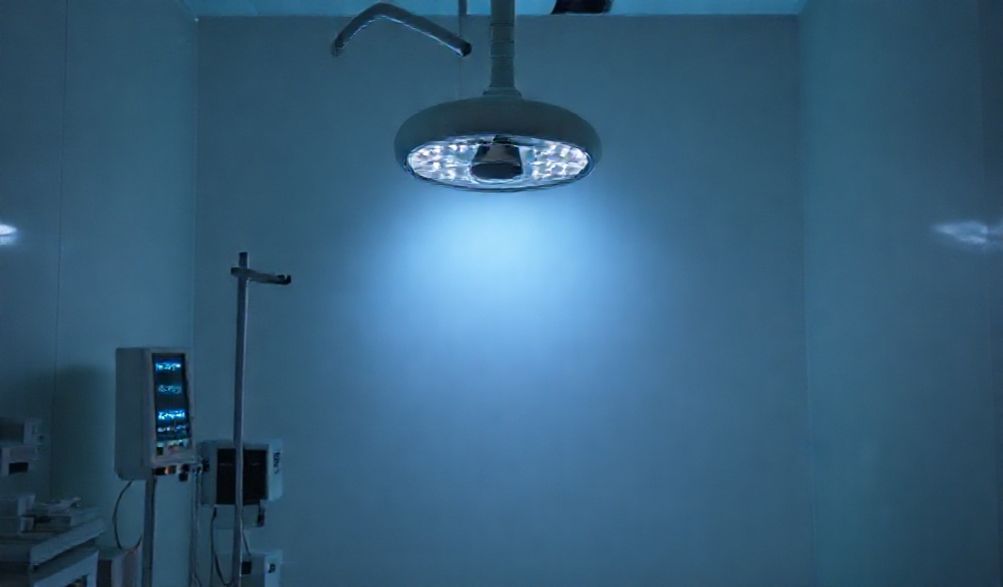
MedLED Headlights: The Complete Guide to Medical-Grade Illumination
Imagine this: you’re midway through a delicate surgical procedure or a complex dental restoration. The success of the operation hinges on your ability to see minute details—a subtle tissue margin, a tiny fissure in a tooth, the precise shade of a composite. But the light is casting a shadow, its color is distorting the true hue of the field, and the heat radiating from the source is becoming uncomfortable for both you and the patient. In these critical moments, inadequate lighting isn’t just an inconvenience; it’s a barrier to accuracy, safety, and optimal outcomes.
In medical and dental settings, lighting transcends mere utility. It is a fundamental diagnostic and operative tool. The quality of illumination directly impacts diagnostic accuracy, procedural precision, practitioner endurance, and patient comfort. For decades, professionals relied on halogen and incandescent systems, but a revolution in technology has set a new standard: MedLED headlights.
This guide is dedicated to MedLED headlights—specialized, hands-free LED illumination systems engineered explicitly for the rigorous demands of healthcare. Synthesizing insights from medical device manufacturers, clinical ergonomic studies, and practitioner testimonials, this pillar page serves as a comprehensive, trustworthy resource. We will explore what MedLED headlights are, delve into their transformative benefits, provide a framework for choosing the right system, and outline best practices for their use, empowering you to make an informed decision for your practice.
What Are MedLED Headlights?
At first glance, a MedLED headlight might resemble a sophisticated headlamp, but it is a precision-engineered medical device. It represents the convergence of advanced optics, ergonomic design, and solid-state lighting technology, creating a personal, portable sun for the clinical professional.
Beyond a Flashlight: The Anatomy of a MedLED System
A typical MedLED system comprises several key components working in harmony:
- The Light Source: The core is a high-performance Light Emitting Diode (LED) module. Modern LEDs used in medical devices are chosen for their intensity, color accuracy, and longevity.
- The Mounting System: This is usually an adjustable, padded headband or a clip that attaches to prescription glasses or surgical loupes. The goal is secure, balanced, and comfortable positioning.
- The Delivery System: Light travels from the source to the target via one of two primary methods:
- Fiber Optic Cable: A flexible, fluid-filled cable transmits light from a remote “light box” containing the LED and power system to a small emitter on the headband. This keeps the headpiece very lightweight.
- Direct/Integrated LED: The LED module and a small battery are housed directly on the headpiece, connected by a short wire. This offers ultimate mobility and eliminates a separate control box.
- The Power Source: This can be a rechargeable lithium-ion battery pack (worn on a belt or in a pocket) or a plug-in wall adapter for continuous, corded use.
A critical distinction lies in the configuration: Through-the-Lens (TTL) systems have the light source mounted directly on the loupes, ensuring the beam is perfectly coaxial with your line of sight, virtually eliminating shadows. External systems mount beside or above the loupes, offering flexibility but potentially creating slight parallax.
A Brief Evolution: From Halogen to LED in Medicine
To appreciate MedLED, one must understand what it replaced. For years, halogen bulbs were the standard. They were bright but deeply flawed:
* Intense Heat: They generated significant infrared radiation, causing discomfort for the clinician (a “hot head”) and potentially desiccating or damaging patient tissue.
* Poor Color Quality: Their light was often yellowish, distorting the true color of tissues, restorative materials, and blood, which is critical for accurate diagnosis.
* Short Lifespan & High Cost: Halogen bulbs had a life of just 50-100 hours, requiring frequent, costly replacements and creating downtime.
The advent of Light Emitting Diode (LED) technology marked a paradigm shift. LEDs offered:
* Cool Light: They produce minimal infrared heat, enhancing comfort for practitioner and patient.
* Superior Color Rendering: LEDs can be tuned to emit a pure, daylight-white light that reveals true colors.
* Exceptional Efficiency & Longevity: LEDs use a fraction of the energy and can last 50,000 hours or more, making them the undisputed, reliable standard—MedLED.
Primary Applications and Specialties
MedLED headlights are versatile tools used across numerous fields where precision vision is paramount:
* Dentistry: Ubiquitous in restorative work, endodontics, oral surgery, periodontics, and hygiene for plaque detection and intraoral exams.
* Surgery: Essential in general surgery, ENT, plastic/reconstructive surgery, neurosurgery, and ophthalmology for illuminating deep cavities and fine structures.
* Veterinary Medicine: Used in small and large animal surgeries and examinations.
* Aesthetics & Dermatology: Employed for detailed skin analysis, laser procedures, and injectable treatments.
Key Benefits and Features of MedLED Headlights
The transition to MedLED is driven by a suite of compelling advantages that enhance both clinical outcomes and professional quality of life.
Unmatched Visual Clarity and Color Accuracy
This is the foremost benefit. MedLED systems are engineered for diagnostic-grade vision.
* High CRI (Color Rendering Index): A CRI above 90 (where 100 is perfect sunlight) is standard for medical LEDs. This high CRI is non-negotiable for distinguishing between healthy and inflamed tissue, identifying subtle caries, matching composite shades perfectly, or navigating delicate vascular structures. Poor CRI can lead to diagnostic errors.
* Adjustable Intensity: With a simple dial or button, practitioners can adjust the light output from a lower level for examinations to a powerful beam for deep cavity illumination or hemostasis. This control prevents eye strain and adapts to every procedural step.
Enhanced Practitioner Comfort and Ergonomics
Physical strain is a significant occupational hazard in healthcare. MedLED headlights directly address this.
* Lightweight Design: Modern systems, especially fiber-optic models, place minimal weight on the head (often under 50 grams for the headpiece), drastically reducing neck and shoulder fatigue over long clinical days.
* Cool Operation: The absence of radiant heat eliminates the “hot spot” on the forehead and prevents patient tissue from drying out during long procedures.
* Hands-Free & Postural Benefits: By delivering bright light exactly where you look, these systems allow for a more neutral head and neck posture. You no longer need to crane your neck to align with a fixed overhead light, reducing musculoskeletal strain.
Durability, Efficiency, and Cost-Effectiveness
While the initial investment is higher than old halogen systems, the total cost of ownership and return on investment are superior.
* Extraordinary Lifespan: An LED module rated for 50,000 hours will typically last for over a decade of daily clinical use, compared to replacing halogen bulbs monthly or quarterly.
* Energy Efficiency: LEDs consume up to 80% less power than halogen systems to produce the same or greater light output, lowering utility costs.
* Long-Term Value: The elimination of frequent bulb purchases, reduced energy bills, and avoidance of procedure delays translate into significant long-term savings and a reliable, always-ready tool.
How to Choose the Right MedLED Headlight System
Selecting a MedLED system is a personal and clinical decision. The right choice depends on your specialty, workflow, and physical preferences.
Assessing Your Clinical Needs and Specialty
Start by defining your primary use cases:
* Dentists doing deep preps or surgery will need a high-intensity, focused spot beam (e.g., 40,000+ lux at working distance) to see into deep cavities.
* A hygienist or general dentist performing exams may prioritize a wider, flood-style beam with excellent color rendering for full-arch visibility.
* A surgeon might need a system with extreme depth of field and the ability to maintain focus in a deep wound.
* Consider if you need cordless freedom for mobility or if a corded system with unlimited runtime is preferable.
Critical Technical Specifications to Compare
When evaluating models, pay close attention to these specs:
Light Output & Beam Pattern
- Lumens: Measures total light emitted. More lumens generally mean a brighter light, but beam focus is crucial.
- Lux/Irradiance: Measures light intensity at a specific distance (e.g., 20cm). This is often more meaningful than lumens. A higher lux number means a brighter spot at your working field.
- Beam Pattern: A focused spot provides high intensity for deep work. A flood offers wider coverage for examinations. Some systems offer adjustable or hybrid patterns.
Color Quality
- CRI: Insist on CRI >90. This is critical for accurate color discrimination.
- CCT (Correlated Color Temperature): Measured in Kelvin (K). 5500K-6000K is considered “daylight white,” providing a neutral, bright light that reduces eye strain and offers true color perception.
Power & Runtime
- Battery Type: Lithium-ion (Li-ion) is standard for its high energy density and lack of memory effect.
- Runtime: Check the manufacturer’s rating for runtime at high power. A range of 2-8 hours on high is common. Does the system offer a quick-swap battery or a backup for long procedures?
Comfort and Usability Considerations
- Fit & Weight: The headband should be easily adjustable, well-padded, and balanced. Try it on with your loupes if possible.
- Ease of Cleaning: Can the headpiece and cable be easily wiped down with disinfectant wipes? What are the manufacturer’s cleaning instructions?
- Warranty & Support: A strong warranty (often 3-5 years on the LED) reflects manufacturer confidence. Reliable customer service and technical support are invaluable.
Best Practices for Using and Maintaining Your MedLED
To ensure peak performance, longevity, and safety, proper handling and maintenance are essential.
Optimal Setup and Daily Use Tips
- Balance the Headband: Adjust the straps so the headpiece sits securely without being tight. The weight should be distributed evenly to avoid pressure points.
- Position for Shadow Reduction: For TTL systems, the light is automatically aligned. For external mounts, position the emitter to minimize shadows from your hands or instruments. The goal is to have the beam centered on your direct line of sight.
- Adjust Intensity: Start at a lower setting and increase only as needed for the task. Using excessive brightness can cause reflective glare and contribute to eye fatigue.
Cleaning, Disinfection, and Sterilization Protocols
This is a critical point for patient safety and device integrity. Always defer to the Manufacturer’s Specific Instructions (MFI) provided with your device.
* General Guideline: Most headbands and cables can be cleaned with a soft cloth dampened with a mild disinfectant (e.g., isopropyl alcohol wipes at the recommended concentration). Avoid harsh chemicals or submerging components unless explicitly stated as safe in the MFI.
* Never autoclave or chemically sterilize components unless the manufacturer’s labeling explicitly states they are designed for such processes. Doing so will damage the device and void the warranty.
Battery Care and Long-Term Storage
- Maximizing Lifespan: For Li-ion batteries, avoid fully depleting them regularly. It’s better to recharge after use. If storing the system for an extended period, store the battery at a ~50% charge in a cool, dry place.
- Storage: Coil fiber optic cables loosely—never in tight bends—to prevent internal damage. Store the entire system in its protective case.
Frequently Asked Questions (FAQ) About MedLED Headlights
Q: Are MedLED headlights really worth the investment compared to my old light?
A: Absolutely. The return on investment is clear: drastic reduction in ongoing bulb and energy costs, enhanced diagnostic and procedural accuracy leading to better patient outcomes, and significantly improved practitioner comfort which reduces fatigue and can extend a career. The long-term benefits far outweigh the initial cost.
Q: Can I use a regular LED headlamp from an outdoor store for medical procedures?
A: We strongly advise against it. Consumer headlamps lack the high CRI (>90) necessary for accurate color discrimination. Their beam is not medically focused, they lack the necessary intensity control, and crucially, they are not designed to be properly disinfected according to medical infection control protocols. Most importantly, they are not certified as medical devices. MedLED headlights are regulated tools designed for patient safety.
Q: How long does the battery typically last on a single charge?
A: Runtime varies significantly by model and the intensity setting used. Most professional cordless systems offer between 2 to 8 hours of continuous use on the highest setting. Always check the manufacturer’s specifications and consider purchasing a backup battery if you perform long procedures.
Q: Is the light from MedLED systems safe for patient eyes?
A: When used correctly—directed at the operative field—the light is safe. However, you should never intentionally shine the high-intensity beam directly into a patient’s eyes (or your own) for any prolonged period, as it can cause discomfort or temporary visual disturbances. Some systems incorporate UV/IR filters and beam diffusers for added safety.
Q: Where can I get my MedLED headlight serviced or repaired?
A: Always contact the authorized manufacturer or dealer from whom you purchased the equipment. They provide genuine replacement parts and factory-certified service, ensuring your device continues to meet its original performance and safety specifications. Using unauthorized repair services can compromise the device and void your warranty.
Conclusion
MedLED headlights are far more than a simple upgrade; they represent a fundamental advancement in clinical tooling. By delivering cool, color-accurate, and intensely bright light exactly where a professional looks, they enhance precision, improve ergonomics, and boost overall practice efficiency. The move from halogen to LED is not just a change in technology, but a commitment to higher standards of care and professional well-being.
When selecting your system, let your specific clinical needs be your guide. Prioritize the technical specifications—CRI, lux, beam pattern—that match your daily tasks, and never compromise on comfort and support. Remember, you are investing in a critical piece of medical equipment. Choosing a quality, purpose-built system from a reputable manufacturer and adhering to its care protocols is an investment in patient safety, diagnostic confidence, and your own physical health.
Take the next step: consult with knowledgeable medical equipment specialists, request hands-on demos from trusted brands, and experience the transformative clarity of MedLED illumination for yourself. See the difference it can make in your work.
p>