
The Ultimate Guide to Patient Bed Lights: Safety, Comfort, and Healing
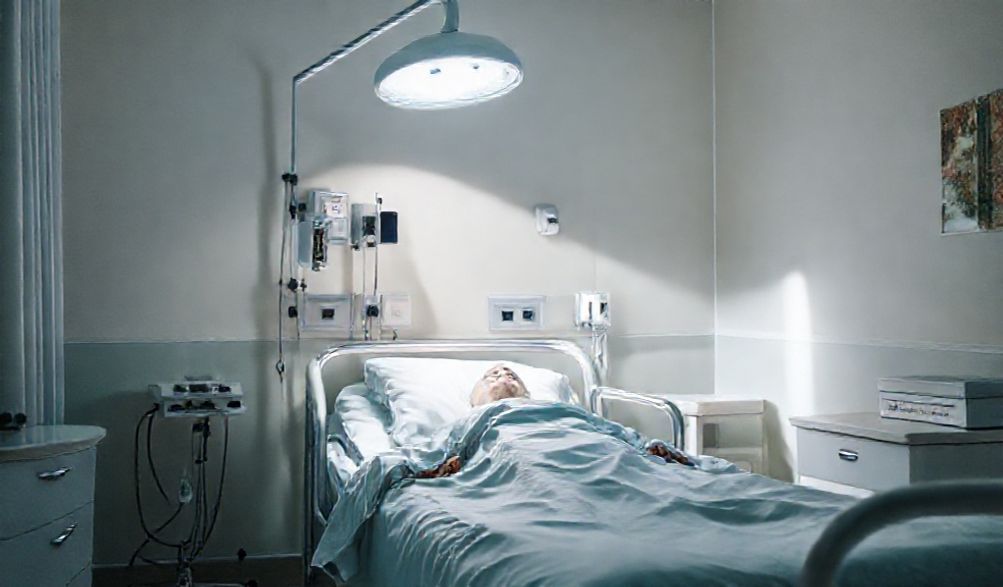
In the intricate ecosystem of a healthcare environment, attention is rightly lavished on high-tech scanners, advanced monitors, and life-saving medications. Yet, there is one humble, ever-present piece of equipment whose impact is profound and multifaceted: the patient bed light. Far more than a simple source of illumination, modern patient bed lighting is a critical tool engineered at the intersection of clinical necessity, patient safety, and human-centered design. It is a silent guardian against falls, a partner in clinical precision, and a subtle architect of the healing environment.
This comprehensive guide delves into the vital role of patient bed lights, moving beyond basic specifications to explore how the right lighting solution actively contributes to better outcomes. Drawing on principles of evidence-based design and clinical expertise, we will illuminate how these devices support everyone in the care continuum—from the nurse performing a delicate procedure to the patient seeking comfort in the middle of the night. Whether you are a facility manager specifying equipment, a clinician advocating for better tools, or a patient or family member preparing for a care journey, understanding the power of purposeful lighting is a step toward fostering safety, efficiency, and well-being.
Why Patient Bed Lighting is a Critical Healthcare Component
To view a patient bed light as merely a lamp is to misunderstand its fundamental purpose. In clinical settings, lighting is a foundational element of care infrastructure, as crucial as a clean floor or a functional bed. Its design and implementation speak directly to a facility’s commitment to safety, operational excellence, and holistic patient recovery.
Beyond Illumination: Safety and Fall Prevention
Patient falls are among the most common and serious adverse events in healthcare settings, often leading to extended hospital stays, increased costs, and significant patient harm. Disorientation, especially during nighttime trips to the bathroom, is a primary culprit. Here, specialized bed lighting plays a direct, preventative role.
A well-designed patient bed light includes a dedicated, low-level nightlight or downward-casting floor path illuminator. This feature provides enough soft, targeted light for a patient to orient themselves, see the floor, and navigate safely to the bathroom without switching on a bright, glaring main light that would fully wake them (and potentially a roommate). This preserves sleep architecture while mitigating a major risk. Studies in environmental design consistently link optimized nighttime lighting to reduced fall rates, making it a non-negotiable feature for patient safety protocols.
Supporting Clinical Accuracy and Staff Work
For healthcare staff, every visual assessment is a data point guiding care. The quality of light directly impacts the quality of that data. Imagine a nurse assessing a wound for signs of infection, a phlebotomist locating a vein, or a doctor checking for subtle changes in skin color (jaundice, cyanosis). Under poor, yellowed, or shadow-filled light, critical details can be missed.
Modern medical bed lights are engineered for clinical accuracy. They provide bright, even, and color-true illumination that minimizes shadows across the patient’s body. This is not a luxury; it is essential for procedural precision, accurate wound staging, safe medication administration, and correct documentation. In essence, it is a tool that empowers staff to perform at their best, reducing errors and enhancing the quality of hands-on care.
The Role of Lighting in Patient Psychology and Healing
The impact of light extends deep into human biology and psychology. Light is the primary regulator of our circadian rhythms—the internal 24-hour clock governing sleep-wake cycles, hormone release, and overall physiology. The sterile, often perpetually bright environment of traditional hospitals can severely disrupt these rhythms, leading to poor sleep, increased confusion (like sundowning in elderly patients), and higher stress levels.
Progressive patient bed lighting counteracts this. By offering patients control over their immediate environment—through dimmable, adjustable lights with different color temperatures—they can create a more natural cycle. Warm, dim light in the evening signals the body to wind down and prepare for sleep, supporting better rest, which is intrinsically linked to healing. Furthermore, the ability to control one’s environment reduces feelings of helplessness and anxiety, contributing to a calmer, more positive mental state that is conducive to recovery. This aligns with the principles of “healing environments,” where the physical setting is actively designed to support the patient’s psychological and physiological well-being.
Key Features to Look for in a Modern Patient Bed Light
Selecting a patient bed light requires a checklist that balances clinical demands with human factors. Here are the evidence-based features that separate a standard lamp from a true medical-grade device.
Adjustability and Ergonomic Design
A static light is of limited use in a dynamic care setting. The ideal fixture features fully articulating arms with multi-directional heads, allowing the light to be precisely positioned exactly where it’s needed—whether for a patient reading a book, a nurse examining a foot, or a doctor reviewing a chart. This adjustability must be paired with intuitive, easy-to-use controls. Buttons or touch sensors should be large, logically arranged, and operable with minimal force, accommodating patients with limited dexterity or strength. The design should allow one-handed operation by staff wearing gloves.
Light Quality and Technical Specifications
This is where technical specs translate directly into care quality.
- Color Temperature (CCT): Measured in Kelvin (K), this describes the “warmth” or “coolness” of light. A light with adjustable CCT is ideal. Cool white light (5000K-6500K) is excellent for clinical tasks requiring alertness and visual acuity (e.g., wound care, procedures). Warm white light (2700K-3500K) is soothing and ideal for ambient, relaxing illumination in the evening to support circadian rhythms.
- Color Rendering Index (CRI): This is a critical, non-negotiable metric for healthcare. CRI measures a light’s ability to reveal the true colors of objects compared to natural light. A high CRI (90+ is ideal, 80+ is minimum) is essential for accurately assessing skin tones, wound bed coloration, bruising, and rashes. Low-CRI lighting can mask critical clinical signs.
- Brightness Control: Full-range dimmability is vital. The light should be capable of providing brilliant, shadow-free illumination for an examination and then be dimmed to a soft glow for a nighttime check or patient comfort, all without flickering.
Safety, Hygiene, and Durability Standards
Healthcare environments demand equipment built to the highest standards of safety and resilience.
- Infection Control: The fixture must have a sealed, seamless design with no crevices where pathogens can hide. It should be made of cleanable, non-porous materials that can withstand frequent wiping with hospital-grade disinfectants. An IP (Ingress Protection) rating indicating resistance to dust and liquids is a good sign.
- Physical Safety: LED technology is standard, largely because it remains cool to the touch, eliminating burn risks associated with old halogen or incandescent bulbs. The housing should be robust, with strong joints and arms that can withstand repeated adjustment and occasional impact.
- Electrical Safety: It must be certified to relevant medical electrical safety standards (like UL/CSA in North America, IEC internationally), ensuring protection against shocks and faults.
Integrated Functionality and Smart Features
The best patient bed lights are multi-functional systems:
- Dual/Triple Light Sources: Separate, independently controlled lights for reading (focused, personal), examination (broad, clinical), and ambient/night lighting (indirect, soft).
- Smart Controls: Touch-sensitive controls, memory settings for preferred light scenes, and integrated nightlights that activate automatically at low levels.
- Connectivity: Potential for integration with nurse call systems (e.g., the light flashes when the call button is pressed) or broader room automation systems for a synchronized care environment.
Choosing the Right Patient Bed Light for Different Settings
The optimal light varies significantly depending on the care context. Here’s how to tailor the choice.
Acute Care Hospitals and ICU Settings
Here, performance and integration are paramount. Lights must deliver exceptionally bright, high-CRI, shadow-reduced illumination for complex procedures at the bedside. Durability is key to withstand the intense, round-the-clock use. Articulation needs to be superb to maneuver around IV poles, monitors, and other equipment. Integration capabilities with the bed and nurse call system are highly valuable for streamlined workflows in fast-paced environments.
Long-Term Care and Senior Living Facilities
The focus shifts strongly to safety, simplicity, and comfort. Fall prevention is the top priority, making an excellent, automatic nightlight mode the most important feature. Controls must be extremely intuitive, with large icons and simple operation for residents with cognitive or visual impairments. Warm, ambient lighting that feels residential and non-institutional helps create a calming, homelike atmosphere. Durability remains important due to long-term use.
Home Healthcare and Private Use
This setting balances clinical utility with residential aesthetics and ease of installation. User-friendliness for both the patient and family caregivers is crucial. The light should be energy-efficient and easy to mount or integrate into a home bed setup. Features like a good reading light and a gentle nightlight are highly valued. While high CRI is beneficial for caregivers managing wounds, the design should not feel overly “medical” to support a healing mental state in the home.
Installation, Maintenance, and Best Practices
Proper implementation ensures your investment delivers its full benefits safely and sustainably.
Optimal Placement and Installation Considerations
Installation should be performed by a qualified electrician in compliance with all local codes and healthcare facility standards. Key considerations include:
- Mounting Height & Reach: The light should be mounted so its fully extended arm can comfortably illuminate the entire patient zone (from head to mid-torso) when positioned for reading or examination, and also cast light onto the immediate floor area for safe ambulation.
- Accessibility: Ensure controls are within easy reach of a reclined patient without straining.
- Security: The mount must be absolutely secure to the wall or bed, capable of supporting the light’s weight without sagging or loosening over time.
Routine Cleaning and Maintenance Protocols
A clear protocol is essential for infection control and longevity.
- Daily/Per-Patient Cleaning: Wipe down the entire unit, especially the control panel and handles, with a soft cloth dampened with an approved hospital disinfectant. Avoid abrasive cleaners or spraying liquid directly onto the fixture.
- Periodic Inspection: Monthly, check the tension in the articulating arms, the security of all joints and the mount, and the functionality of all switches and dimmers. Look for any cracks or damage to the housing.
- Electrical Safety: As part of facility-wide preventative maintenance, have the electrical connections and grounding checked periodically by engineering staff.
Training Staff and Patients on Effective Use
A powerful tool is only as good as the person using it. Include the bed light’s features in new staff orientation. Demonstrate how to use the different light modes for specific tasks: bright exam light for assessments, reading light for patient autonomy, and nightlight for safety rounds. For patients, a simple, 30-second orientation during admission—“This is your light; this button is for reading, this one dims it, and this gentle light stays on at night for safety”—empowers them and reduces calls for assistance. It turns the light from a piece of equipment into a part of their personal care environment.
Frequently Asked Questions (FAQ)
Q1: What is the most important feature in a patient bed light for safety?
A: A dedicated, low-level nightlight mode or floor path illuminator is crucial. It provides enough orientation light to prevent falls without disrupting sleep, addressing the primary safety concern of nighttime ambulation.
Q2: Are all medical-grade bed lights made with LEDs now?
A: Virtually all modern units use LED technology. LEDs are preferred for their cool operation (eliminating burn risks), long lifespan, energy efficiency, and excellent color rendering capabilities, which are essential for clinical accuracy.
Q3: How does patient bed lighting differ from a regular reading lamp?
A: Medical bed lights are built to much higher standards. They are designed for infection control (easy-to-clean, sealed housings), clinical accuracy (high CRI), physical durability, and specific safety features like cool-touch surfaces and secure mounting that ordinary lamps lack.
Q4: Can good lighting really affect a patient’s recovery time?
A: Yes, significantly. Research in evidence-based design shows that environments supporting circadian rhythms and sleep—largely controlled by light exposure—can reduce patient stress, improve sleep quality, and positively influence perceived pain levels, all of which contribute to a more efficient recovery.
Q5: Who is typically responsible for choosing and installing these lights in a facility?
A: This is usually a collaborative decision involving clinical staff (nurses, doctors who provide input on functional needs), facility management/engineering (for installation and maintenance specs), and infection control teams. Procurement follows established facility standards and codes.
Conclusion
The choice of a patient bed light is a profound one, resonating through the quiet of a night shift and the urgency of a clinical procedure. It is an investment that pays dividends in measurable safety statistics, in the precision of care delivered, and in the intangible comfort of a healing human being. By prioritizing intelligent design—adjustable, high-quality light, unwavering safety, rigorous hygiene, and empathetic user control—we do more than illuminate a room. We create environments that protect, empower, and nurture. In the journey toward recovery, every detail matters, and the right light can indeed be a guiding one. Always consult with clinical and facility engineering professionals to ensure any selected product meets the specific regulatory and safety standards required for its intended use.
p>