
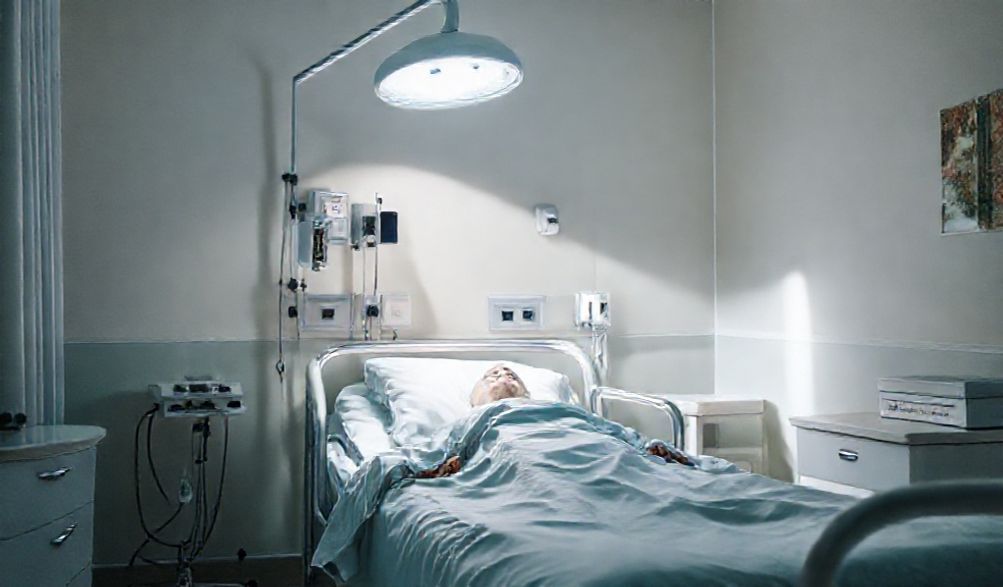
The Ultimate Guide to Patient Bed Lights: Enhancing Safety, Comfort, and Care
Imagine the scene: it’s 2 AM on a hospital ward. A nurse enters a patient’s room to check vitals. Fumbling for the switch, she floods the space with the harsh glare of an overhead fluorescent, startling the patient from a fragile sleep. Across the hall, an elderly patient hesitates to get up, disoriented in the dark, increasing their risk of a fall. In a home care setting, a family caregiver strains their eyes trying to read a medication label in the poor light of a bedside lamp.
These common scenarios highlight a critical, yet frequently underestimated, component of the healing environment: the patient bed light. Far more than a simple convenience, specialized patient bed lighting is a foundational element of patient-centered care, intersecting directly with safety, clinical outcomes, and human dignity. Whether you are a healthcare administrator sourcing equipment for a new wing, a nurse manager seeking to improve your unit’s functionality, or a caregiver setting up a safe space at home, understanding this tool is essential.
This guide serves as your comprehensive resource. We will move beyond the basics to explore the why behind effective bed lighting, drawing on clinical insights, ergonomic principles, and stringent safety standards. We’ll dissect the key features that matter, compare the different types available, and provide actionable advice for implementation. Our goal is to empower you to make informed decisions that enhance the well-being of patients and the efficiency of those who care for them.
Why Patient Bed Lighting is a Cornerstone of Quality Care
In the complex ecosystem of healthcare, lighting is often relegated to a facilities management concern. However, a well-designed patient bed light operates at the crucial intersection of environmental design and clinical practice. It is a silent partner in care, impacting outcomes in three profound ways.
Supporting Patient Safety and Reducing Risks
Patient safety is the non-negotiable priority, and lighting plays a surprisingly direct role. First and foremost, it is a primary tool in fall prevention. A dedicated, patient-controlled bed light provides a safe, low-glare source of illumination for nighttime trips to the bathroom, eliminating the need to navigate a dark room or search for a switch. This simple access to light can significantly reduce disorientation and the risk of a serious fall.
Second, proper lighting is vital for error reduction. During nighttime medication passes or IV checks, staff need clear, shadow-free light to accurately read labels, identify medications, and observe drip rates. Inadequate lighting increases the risk of human error. Furthermore, accurate visual assessment of a patient’s condition—monitoring skin tone for jaundice or cyanosis, inspecting a wound for signs of infection, or checking for pressure injuries—is entirely dependent on high-quality, color-accurate illumination. A poor light can mask critical details.
Promoting Healing and Patient Well-being
The healing process extends beyond medical interventions; it requires an environment that supports psychological and physiological recovery. Lighting is a powerful modulator of circadian rhythms. Exposure to bright, blue-rich light during the day and warm, dim light at night helps regulate the sleep-wake cycle, which is often disrupted in healthcare settings. A bed light with adjustable color temperature and brightness allows staff to provide alerting light during daytime hours and circadian-supportive light at night, promoting better sleep quality—a key component of healing.
Moreover, the patient experience is deeply affected by environmental control. Being subjected to uncontrollable, harsh overhead lighting can increase anxiety, stress, and a sense of vulnerability. A personal patient bed light empowers individuals, giving them autonomy over their immediate environment. The ability to create a pool of soft, personal light for reading or relaxation, without illuminating the entire room, fosters a sense of calm and normalcy, contributing directly to emotional well-being.
Empowering Healthcare Staff Efficiency
The well-being of caregivers is intrinsically linked to the quality of care they can provide. For nurses and aides, a patient bed light is a essential task light. Procedures like inserting a catheter, dressing a wound, or starting an IV line require precise, focused illumination. An articulating light that can be positioned directly over the worksite reduces eye strain, minimizes shadows, and improves procedural accuracy and speed.
This efficiency extends to routine tasks like charting at the bedside or reading monitor screens. Instead of relying on awkward body positions to catch light from a distant source, staff can quickly adjust a dedicated light to the perfect angle. This reduces physical fatigue over long shifts and allows professionals to focus their energy on the patient, not on battling poor visibility.
Key Features to Consider When Choosing a Patient Bed Light
Not all bed lights are created equal. Selecting the right one requires a careful evaluation of features that impact performance, safety, and usability. Here are the critical categories to assess.
Lighting Quality and Adjustability
The technical specifications of the light itself are paramount.
* Color Temperature: Measured in Kelvins (K), this describes how “warm” (yellow/amber, 2700K-3000K) or “cool” (blue/white, 4000K-5000K) the light appears. Cool white light (5000K) is excellent for staff tasks requiring high visual acuity and alertness. Warm white light (3000K) is calming for patients and supportive of nighttime routines. The best solutions offer adjustable color temperature to serve both needs.
* Brightness and Dimmability: A wide range of brightness levels is essential. It should be bright enough for a detailed wound assessment but capable of dimming to a very low, soft glow for nighttime checks without fully waking the patient. Smooth, continuous dimming is a premium feature.
* Beam Focus & CRI: Can the light provide both wide ambient illumination for general room lighting and a focused task beam? Look for adjustable beam angles. The Color Rendering Index (CRI) is a scale (0-100) that measures how accurately a light source reveals the true colors of objects. A high CRI (90+) is crucial for clinical assessments where accurate color perception is vital.
Design, Durability, and Ease of Cleaning
Healthcare environments demand robust and hygienic products.
* Materials and Construction: The housing should be made of high-impact, medical-grade plastics or metals that can withstand frequent adjustment and potential impact. Antimicrobial coatings on high-touch surfaces (like control panels) can help inhibit the growth of bacteria.
* Cleanability: The design must support rigorous and frequent disinfection. Seamless, unibody designs without cracks, crevices, or porous materials are essential. The fixture should be able to withstand wiping with hospital-grade disinfectants without degrading.
User-Centric Controls and Accessibility
If the controls are confusing or out of reach, the best light is rendered useless.
* Control Panel Placement: Many bed lights feature dual controls: a primary panel for staff (often with full functionality) and a simplified patient-side control within easy reach of the bed. This often includes basic on/off and dimming.
* Intuitive Interface: Controls should be simple, with tactile or backlit buttons. For patients with limited dexterity or strength, large buttons or touch-sensitive panels are preferable. Advanced options include touch-free sensors (wave to turn on) or integration with the nurse call system, allowing the light to be activated from the nurse’s station.
* Safety: Controls should be designed to prevent accidental activation (e.g., by bedding) and should have a clear, intuitive layout.
Compliance and Safety Standards
This is the non-negotiable foundation. Medical equipment must meet stringent safety requirements.
* Electrical Safety: The fixture must be UL 60601-1 or IEC 60601-1 listed. This certifies it as medical electrical equipment, meaning it has been tested for critical safety features like leakage current, electrical isolation, and mechanical safety in a medical environment. A standard UL/ETL listing for household appliances is not sufficient.
* Ingress Protection (IP Rating): An IP rating indicates protection against solids and liquids. For bed lights, especially in areas where spills are possible, a rating like IP44 (splash-resistant) provides an important safety margin.
* Infection Control Certifications: Some manufacturers design products to meet specific infection control risk assessments (ICRA) or guidelines from bodies like the CDC.
Comparing Types of Patient Bed Lights
The ideal light depends heavily on the care setting and primary use case. Here’s a breakdown of the most common types.
Integrated Overbed Lights
These are fixed fixtures, typically mounted to the wall (headwall) or ceiling directly above the bed.
* Pros: Permanent, stable, and usually quite powerful. They are often part of a coordinated headwall system that integrates medical gases, electrical outlets, and data ports, creating a clean, uncluttered look. Ideal for general room and task lighting.
* Cons: Lack flexibility. The lighting zone is fixed, which can be problematic if the bed is moved or if a procedure needs light in a specific, off-center location. Installation is more complex and costly.
* Ideal For: General inpatient hospital rooms, especially where bed placement is standardized.
Modular/Articulating Arm Lights
This category features lights mounted on multi-jointed, adjustable arms, either attached to the wall, bed frame, or a floor stand.
* Pros: Unmatched flexibility and adjustability. The light can be extended, retracted, rotated, and tilted to provide precise, shadow-free illumination exactly where it’s needed—on a wound, an IV site, or a chart. This is the gold standard for task-oriented care.
* Cons: The moving joints and arms can be bulky and may require more maintenance over time. They can also be easier to accidentally bump out of position.
* Ideal For: ICU beds, procedural areas, patient rooms where versatile task lighting is a priority, and long-term care settings.
Portable and Clip-On Bed Lights
These are standalone, plug-in or battery-operated units.
* Pros: Highly flexible and cost-effective. They require no installation and can be moved from room to room or bed to bed. Excellent for supplementing existing lighting. Perfect for the home care market.
* Cons: Generally less powerful and robust than fixed options. Battery-powered models require charging management. They can create cord management issues and may not have medical-grade safety certifications.
* Ideal For: Home healthcare, hospice care, supplemental lighting in facilities, and temporary setups.
Installation, Placement, and Best Practices
Proper implementation is as important as the product selection.
Optimal Positioning for Patient and Staff
The goal is to illuminate the patient zone without causing glare.
* Mounting Height & Angle: For overbed or wall-mounted lights, the center of the light should typically be positioned 6 to 7 feet above the floor and angled to primarily illuminate the torso and bed area. The patient, when reclining, should not see the light source directly to avoid glare.
* Patient Control: The patient-side control must be within the patient’s “reach envelope” without straining—typically mounted on the bed rail or on a dedicated cord within 15 inches of the patient’s hand.
Electrical and Integration Considerations
Work with facility engineering or a qualified electrician.
* Wiring: Ensure power is supplied according to local electrical codes and the manufacturer’s specifications for medical-grade outlets.
* Integration: If integrating with a nurse call system, coordinate early with the system vendor to ensure compatibility of wiring and communication protocols.
Creating a Lighting Protocol for Care
Technology is only effective with proper use. Establish simple guidelines for staff:
* “Lowest Necessary Light”: Encourage using the minimum brightness needed for a task, especially during nighttime rounds.
* Patient Autonomy: Always ensure the patient control is functional and demonstrate its use to the patient upon admission.
* Routine Check: Include light functionality (all settings, patient control) in daily or shift-change safety checks of the patient room.
Addressing Specialized Needs and Environments
One size does not fit all. Lighting solutions should adapt to the patient population.
Lights for ICU and Critical Care
Here, lighting needs are dichotomous: intense, brilliant light for emergencies and complex procedures, and extremely subtle, non-disruptive light for constant monitoring of sedated patients. Lights with high maximum output (5000K+), exceptional CRI, and ultra-smooth dimming down to a faint glow are essential. Articulating arms are almost mandatory for procedural flexibility.
Solutions for Dementia and Memory Care
The priority is reducing agitation and supporting orientation. Glare is the enemy. Indirect lighting that bounces off walls or ceilings creates a soft, even ambient glow without harsh shadows or bright points that can be confusing or frightening. Warm color temperatures (2700K) are calming. Simple, intuitive controls are critical.
Pediatric Patient Bed Lighting
For children, the light can be a tool for comfort and engagement. Softer, warmer general lighting is important. Features like changeable color LEDs (e.g., a soft, projected starfield or a choice of colors) can provide distraction, create a sense of fun, and give a child a measure of control in an intimidating environment. Durability and safety (no small, removable parts) remain paramount.
FAQ Section
What is the ideal color temperature for a patient bed light?
There is no single ideal. For optimal care, a light with adjustable color temperature is best. Staff can use a cooler white (4000K-5000K) for tasks requiring high visual acuity, while patients can select a warmer white (2700K-3000K) for relaxation and sleep support.
How can bed lights help prevent patient falls?
A dedicated, patient-controlled bed light provides a safe, immediate source of pathway illumination for nighttime bathroom trips. It eliminates the disorientation of waking in total darkness or the hazard of fumbling for a distant switch, allowing the patient to navigate safely without turning on jarring overhead lights.
Are there specific lights recommended for home care use?
Yes. Look for plug-in modular or clip-on lights with simple, intuitive controls (large buttons, touch dimming). Energy-efficient LED bulbs are a must. Prioritize models with a stable base or secure clip, a flexible gooseneck for positioning, and a warm, dimmable light. While full medical certification may not be required, choose products from reputable manufacturers.
What maintenance do patient bed lights require?
Routine maintenance includes: 1) Daily/terminal cleaning: Wiping down all surfaces, especially controls, with a facility-approved disinfectant. 2) Functional checks: Ensuring all brightness levels, colors, and mechanical arms work smoothly. 3) Physical inspection: Checking for loose housings, damaged cords, or flickering LEDs. 4) Long-term: Following manufacturer guidelines for LED module replacement (often lasting 50,000+ hours).
How do I ensure the bed light I choose is medically certified?
Look for the regulatory marks on the product and its packaging. The key marking is UL 60601-1 (for the US/Canada) or IEC 60601-1 (international standard). Always purchase from reputable medical equipment suppliers or direct from manufacturers specializing in healthcare lighting, not general consumer electronics retailers.
Conclusion
The patient bed light is a powerful testament to the idea that the smallest details in healthcare environments have outsized impacts. It is not merely a fixture but a vital tool—one that bridges clinical necessity with human compassion. It safeguards the patient from falls and supports the clinician in delivering accurate care. It respects the patient’s need for restful sleep and empowers them with a sense of control. It reduces staff fatigue and enhances procedural precision.
When evaluating this critical piece of equipment, let the core principles guide you: safety certification is non-negotiable, adjustability is key to versatility, and durability ensures long-term value. Most importantly, let the needs of the specific patient and caregiver inform your choice. Investing in thoughtful, high-quality patient bed lighting is not an expenditure on hardware; it is a direct investment in the quality of the healing journey, fostering an environment where safety, comfort, and excellent care can truly flourish.
p>