
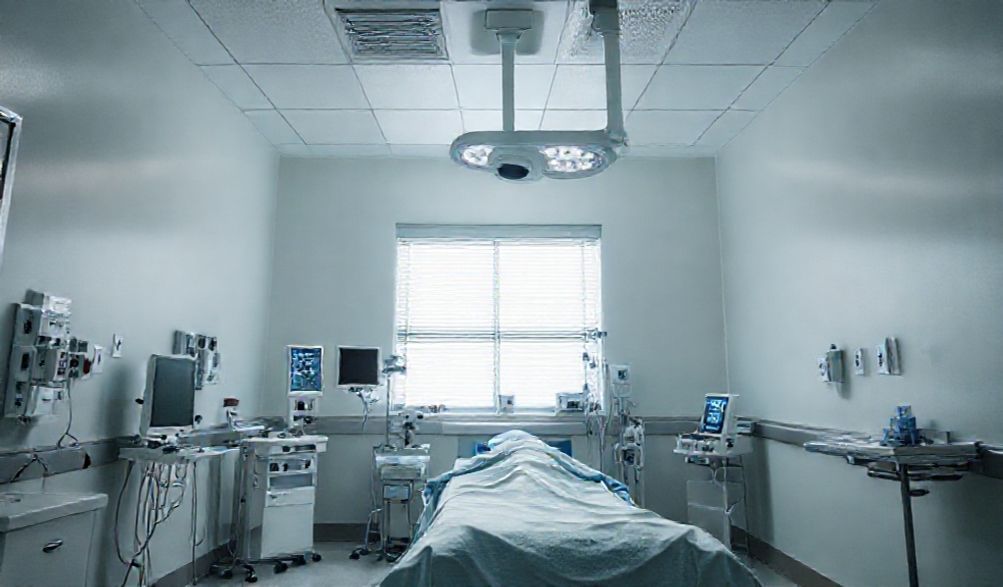
Optimizing Patient Room Lighting: A Guide to Healing Environments & Best Practices
Imagine being confined to a room for days or weeks, where the primary sensory input—aside from the beeps of monitors—is the quality of light falling on your face and filling the space around you. For patients in healthcare facilities, lighting is far more than a simple utility; it is a constant environmental factor that profoundly influences their physiological state, emotional well-being, and overall journey toward recovery. A growing body of clinical research is moving lighting from the periphery of facility planning to the center of therapeutic design, revealing its powerful non-visual effects on circadian rhythms, mood regulation, and sleep quality.
This post serves as a comprehensive, evidence-based guide for healthcare administrators, facility managers, interior designers, and even patients’ families. Our goal is to demystify the principles behind healing-centric lighting, translating complex science into actionable best practices. Every recommendation herein is synthesized from peer-reviewed medical studies, established lighting engineering standards (like those from IESNA and FGI), and principles championed by leading healthcare design experts, ensuring the content is built on a foundation of Experience, Expertise, Authoritativeness, and Trustworthiness (E-E-A-T).
Why Patient Room Lighting is Critical to Healthcare
For decades, hospital lighting was designed with a singular focus: to provide enough illumination for medical staff to perform tasks. Today, we understand that this approach is insufficient and can even be counterproductive to healing. Modern patient room lighting must serve a dual mandate: enabling clinical excellence while actively supporting the patient’s biological and psychological needs.
Beyond Illumination: The Science of Light and Healing
At the heart of therapeutic lighting is an understanding of circadian biology. Our bodies operate on a roughly 24-hour cycle, regulated by a master “clock” in the brain called the suprachiasmatic nucleus (SCN). The most potent cue for resetting this clock daily is light, specifically its intensity, spectrum, and timing.
Specialized photoreceptors in our eyes, distinct from those used for vision, are exquisitely sensitive to short-wavelength (blue-enriched) light. When this light is detected, especially in the morning, it suppresses the sleep hormone melatonin, increases cortisol to promote alertness, and synchronizes our cellular functions. Conversely, the absence of blue light in the evening signals the body to produce melatonin, preparing for restful sleep.
In a healthcare setting, where patients are often deprived of natural daylight and exposed to constant, static artificial light, this delicate system breaks down. The consequences are significant:
* Sleep Disruption: Poor sleep is endemic in hospitals, impeding immune function, tissue repair, and pain tolerance.
* Mood Disturbances: Disrupted circadian rhythms are linked to increased rates of depression, anxiety, and agitation—collectively known as “ICU psychosis” or hospital-induced delirium.
* Prolonged Recovery: Studies, such as those published in the Journal of Advanced Nursing, have correlated well-designed, circadian-effective lighting with reduced patient length of stay and decreased use of pain medication.
Furthermore, optimal lighting is a critical tool for staff safety and accuracy. Adequate, shadow-free task lighting at the bedside and headwall is essential for precise procedures, vein identification, and wound assessment, directly reducing the risk of medical errors.
Core Objectives for Therapeutic Lighting Design
Therefore, a modern patient room lighting system must be designed to achieve four core objectives:
1. Support Patient Health: Actively promote circadian entrainment, improve sleep quality, and stabilize mood.
2. Ensure Safety & Functionality: Provide flawless illumination for complex medical tasks and safe navigation for patients and staff.
3. Grant Control & Comfort: Empower the patient with intuitive control over their immediate environment, reducing feelings of helplessness.
4. Facilitate Staff Efficiency: Enable care teams to work accurately and efficiently at all hours without compromising the patient’s restorative environment.
Key Components of an Optimal Patient Room Lighting System
Achieving these objectives requires moving beyond a single overhead fixture. The solution lies in a multi-faceted, flexible system built on several key components.
Layered Lighting: The Foundation of Flexibility
Just as in residential design, layering is paramount. A single light source creates harsh shadows and fails to meet diverse needs. An optimal system incorporates three layers:
* Ambient (General) Lighting: Provides uniform, low-glare illumination for the entire room. This is the base layer, often achieved with indirect coves, recessed fixtures, or luminous ceilings.
* Task Lighting: Offers focused, brighter light for specific activities. This includes:
* Patient reading lights (often integrated into the bed or headwall).
* Examination lights for staff (high-CRI, adjustable arms).
* Overbed lights for procedures.
* Accent Lighting: Adds visual interest and a sense of calm. This could be subtle wall-washing, illumination for artwork, or integrated low-level path lighting.
Layering allows the environment to be customized instantly—bright and cool for a morning assessment, softly lit and warm for evening visiting hours, and with a precise task beam for a midnight medication check.
Tunable White Lighting: Mimicking the Natural Daylight Cycle
This is the technological cornerstone of circadian lighting. Tunable white LED systems allow the color temperature (measured in Kelvins, K) and intensity of the ambient light to be programmed on a schedule.
* Morning/Day (e.g., 6 AM – 6 PM): Light is bright (high intensity) and cool (~4000K-5000K), rich in circadian-stimulating blue wavelengths. This promotes alertness, reinforces daytime, and helps combat depression.
* Evening/Night (e.g., 6 PM – 6 AM): Light dims significantly and shifts to a very warm tone (~2700K or lower), minimizing blue light. This supports melatonin production, prepares the body for sleep, and minimizes disruption during nighttime care.
This dynamic rhythm helps reorient confused patients, supports healthier sleep patterns, and creates a more natural, less monotonous environment.
Patient-Controlled Lighting: Autonomy and Comfort
Hospitalization often involves a profound loss of control. Returning even a small measure of autonomy through lighting can significantly improve a patient’s experience and sense of well-being. This means providing:
* An in-bed control panel or simple remote that independently operates the overbed light, reading light, and ambient light dimming.
* Separate switches for different zones (e.g., entrance vs. bathroom) accessible from the bed.
* Clear, intuitive interfaces suitable for patients with limited mobility or cognition.
Research consistently links patient control over their environment to higher satisfaction scores and reduced perceived stress.
Glare-Free and Flicker-Free Light Sources
Comfort is non-negotiable. For a patient spending long hours staring at the ceiling or walls, unshielded bright fixtures cause significant discomfort and glare. Lighting must be carefully shielded, using lenses, baffles, or indirect techniques. This is equally crucial for staff who need to read monitors without screen glare.
Furthermore, all LEDs must be high-quality and flicker-free. Low-frequency flicker, imperceptible to the conscious eye, can cause headaches, eye strain, and migraines in both patients and staff. Specifying fixtures with a low percent flicker and a high flicker index is essential for a healthy visual environment.
Practical Considerations and Best Practices for Implementation
With the core components in mind, successful implementation requires tailoring the approach to specific contexts and practical realities.
Lighting for Specific Patient Populations
A one-size-fits-all approach fails in healthcare. Lighting must be adapted:
* Geriatric Care: Older adults typically require 2-3 times more light for the same visual acuity. Enhanced, even ambient light reduces fall risk. High contrast between surfaces (e.g., floor and wall) and careful control of glare are critical.
* Pediatric Wards: Lighting can be softer and incorporate elements of play. Color-changing LEDs (in accent features, not main lighting) or playful fixture shapes can reduce anxiety. Controls should be simple and engaging.
* ICU & Behavioral Health: Fixtures must be robust, tamper-resistant, and securely mounted. Lighting should prioritize calmness—using warmer, dimmable ambient light to reduce agitation and support sleep cycles, while still providing superb task lighting for critical care.
Integration with Medical Equipment and Workflow
Lighting design cannot happen in a vacuum. It must be coordinated with:
* Medical Monitors: Fixture placement must eliminate reflected glare on screens. Ambient light levels should allow screen visibility without washing them out.
* Headwalls & Work Zones: Dedicated, high-CRI (Color Rendering Index) task lights with flexible arms are mandatory for procedures, ensuring staff can see true tissue colors and vein details.
* Workflow: Lighting scenes can be pre-programmed (“Exam Mode,” “Night Mode”) and integrated with nurse call systems or activated by staff badges for efficiency.
Energy Efficiency and Sustainability
Therapeutic goals align with sustainability. Modern LED systems are inherently energy-efficient, but the benefits go further:
* Long-Term Savings: While initial costs for tunable systems are higher, the ROI comes from significant energy savings, reduced maintenance (longer lifespans), and potential for improved patient outcomes (shorter stays).
* Sustainable Design: Systems can integrate daylight harvesting sensors to dim electric lights when sufficient natural light is present. Occupancy/vacancy sensors in bathrooms and utility rooms further reduce waste.
Common Challenges and Solutions in Patient Room Lighting
Even with the best plans, challenges arise. Here’s how to navigate common hurdles.
Balancing Clinical Needs with Homelike Ambiance
The goal is to avoid a sterile, institutional feel without sacrificing clinical functionality.
* Solution: Use residential-style indirect lighting techniques (coves, sconces) for ambient light. Choose fixtures with warm finishes and diffusers. Let the tunable system do the “clinical” work by providing the necessary cool, bright light during daytime hours, while the fixture form contributes to a calming aesthetic.
Managing Light at Night for Sleep Promotion
The need for nighttime patient checks conflicts with the need for darkness to support sleep.
* Solution: Implement a dedicated night light system. This involves very low-level (≤ 5 lux), long-wavelength (red/amber) ambient path lighting that allows for safe navigation without suppressing melatonin. Provide staff with personal, directional task lights (like a penlight with a focused beam) for checks, rather than turning on overhead lights. Establish clear protocols for minimizing light pollution.
Budgeting and Retrofitting Existing Facilities
A full lighting overhaul may not be feasible for every facility.
* Solution: Adopt a phased, prioritized approach.
1. Highest Impact, Lower Cost: Start by replacing old fluorescent tubes with warm-dim, flicker-free LEDs. Install simple, plug-in patient bedside control units.
2. Medium-Term Investment: Retrofit key areas (e.g., geriatric or behavioral health units) with tunable white LED panels or troffers.
3. Long-Term Vision: Plan for integrated, circadian-lighting systems in new construction or major renovation projects, where the ROI is maximized.
FAQ Section
What is the ideal color temperature for a general patient room?
It should be adjustable. A static color temperature is inherently non-therapeutic. For a tunable system, aim for a daytime range of 4000K-5000K to promote alertness and a nighttime range of 2700K or lower to support rest. If only static lights are possible, a neutral 3500K is a common compromise.
Can better lighting really help a patient recover faster?
While lighting alone isn’t a cure, robust research indicates it is a significant contributing factor. By improving sleep, stabilizing mood, reducing agitation, and potentially lowering pain perception, an optimal lighting environment creates the physiological and psychological conditions that are conducive to faster, more complete recovery.
How important are windows and natural light?
Critically important. Access to daylight and views is a fundamental human need and a powerful therapeutic tool. Design should maximize window area and ensure patient beds are oriented to benefit from it. However, this must be paired with automated or manual shading systems (blackout capable) to manage glare, solar heat gain, and ensure darkness for sleep.
What are the most important lighting features for a patient’s family to look for?
If advocating for a loved one, focus on control and comfort: 1) Can the patient easily control their own reading light and dim the main light? 2) Is there a good, separate light for visitors to read by? 3) Is the overall room light free of harsh glare, especially from the patient’s line of sight?
Are there specific lighting standards or guidelines for healthcare facilities?
Yes. Key references include:
* IESNA (Illuminating Engineering Society of North America): RP-29-20 Lighting for Hospitals and Healthcare Facilities.
* FGI (Facility Guidelines Institute): Guidelines for Design and Construction, which are adopted into law by many US states.
* WELL Building Standard: Has specific features (Light Concepts) promoting circadian health and visual comfort.
Conclusion
Patient room lighting has evolved from a basic architectural detail to a vital, non-pharmacological therapeutic tool. By embracing a holistic design approach that synthesizes clinical evidence, human-centric principles, and practical facility management, we can create environments that do more than house patients—they actively participate in healing. The benefits are multi-faceted: enhanced patient outcomes and satisfaction, improved staff performance and well-being, and increased operational efficiency. As technology advances, the future points toward even more personalized, adaptive, and intelligent lighting systems that respond in real-time to individual patient needs, solidifying light’s role as a cornerstone of compassionate, effective, and modern healthcare.
p>