
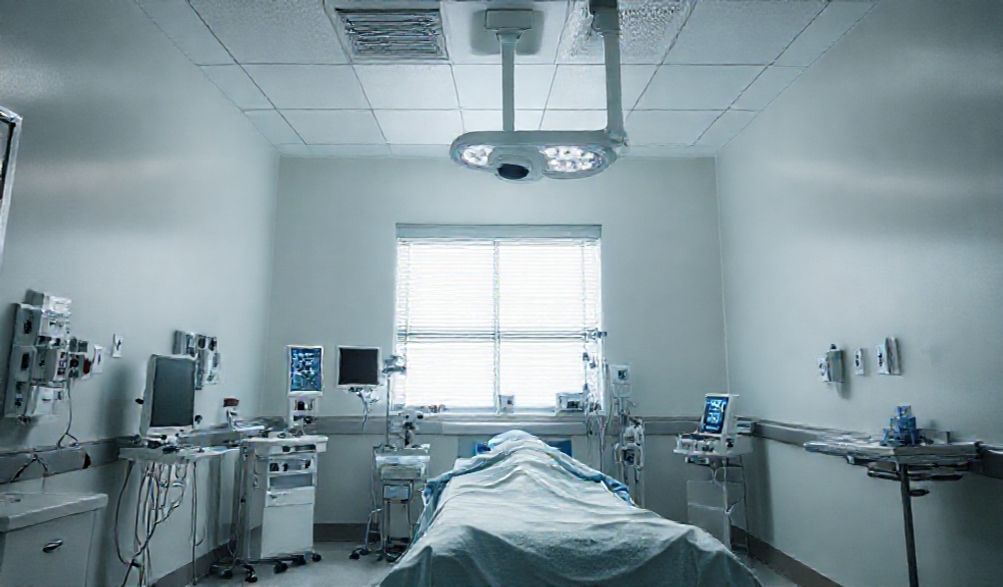
Optimizing Patient Room Lighting: A Guide to Healing Environments & Best Practices
Imagine a tool so powerful it can reduce patient stress by up to 36%, improve sleep quality, and even accelerate the healing process—all without a single pill or procedure. This tool isn’t a new piece of advanced medical equipment; it’s the thoughtful application of patient room lighting. For too long, hospital lighting has been an afterthought, relegated to providing mere functional visibility. Yet, a growing body of clinical evidence reveals that light is a potent biological force, deeply intertwined with our health.
This comprehensive guide moves beyond simple illumination to explore how patient room lighting is a cornerstone of therapeutic design, directly impacting patient safety, psychological well-being, and physiological recovery. Synthesizing insights from clinical research, healthcare design principles, and practical implementation strategies, we will provide a roadmap for patients, families, and healthcare facility managers alike. We’ll delve into the science of how light affects the body, break down the essential components of an effective lighting system, outline current best practices and standards, and glimpse into the innovative future of healing-centric light.
The Science of Light: How Lighting Influences Patient Health & Recovery
To appreciate the importance of lighting design, we must first understand light as a fundamental regulator of human biology. It’s not just about seeing; it’s about signaling.
Regulating Circadian Rhythms
Our bodies operate on a 24-hour internal clock known as the circadian rhythm, which governs sleep-wake cycles, hormone release, digestion, and even cell regeneration. The primary cue that synchronizes this clock is light, specifically its intensity and color temperature (measured in Kelvins, or K).
Bright, cool-white light (with higher Kelvin values, like 5000K, which mimics midday sun) suppresses the production of melatonin, the sleep hormone, promoting alertness and cognitive function. Conversely, warm, dim light (around 2700K, like sunset) allows melatonin to rise, preparing the body for rest. In a hospital, where patients are often isolated from natural daylight cycles and exposed to constant artificial light, this rhythm can easily become disrupted. This dysregulation is a key contributor to hospital-acquired delirium, sleep disturbances, and a longer recovery period. Optimized patient room lighting actively works to reinforce a healthy circadian cycle, anchoring patients to a normal day/night pattern.
Impact on Mood and Psychological Well-being
The psychological impact of light is profound. Exposure to natural daylight has been consistently linked to reduced symptoms of depression and anxiety—principles well-understood in treating Seasonal Affective Disorder (SAD). For a patient confined to a room, access to a window with a view and daylight can significantly lower stress and improve mood.
Furthermore, studies suggest that well-designed lighting can reduce the perception of pain. Environments that feel calm, comfortable, and connected to the outside world help lower cortisol (the stress hormone) levels. A critical, often overlooked aspect is control. The simple ability for a patient to adjust their own lighting—to create a personal sanctuary—reduces feelings of helplessness and contributes significantly to their overall psychological comfort and satisfaction.
Supporting Visual Acuity for Safety and Tasks
While the biological and psychological effects are paramount, the fundamental task of illumination cannot be ignored. Appropriate light levels (measured in lux) are a critical safety and functional issue.
- For Clinical Staff: Medical professionals require high-quality, shadow-free, and color-accurate light to perform examinations, insert IVs, and assess patient condition (e.g., skin tone, wound healing). A high Color Rendering Index (CRI) is essential here.
- Для пациентов: Adequate task lighting allows patients to read medication labels, see their meal tray clearly, or engage in recreational activities, promoting independence.
- For Mobility: Safe navigation, especially at night, depends on carefully placed low-level ambient or night lighting to prevent falls—a major risk in healthcare settings. The lighting must provide clear visual cues without creating disabling glare.
Key Components of an Effective Patient Room Lighting System
An optimal patient room doesn’t rely on a single overhead fixture. Instead, it employs a layered approach, where each type of light serves a distinct purpose, creating a flexible and responsive environment.
Ambient (General) Lighting
This is the base layer, providing uniform, shadow-free illumination for general room orientation and safe movement. The goal is to avoid the harsh, institutional feel of traditional fluorescent troffers. Modern best practices favor indirect lighting—where light is bounced off ceilings or walls—to create a soft, diffuse glow that minimizes glare on screens and glossy surfaces, which is especially important for patients lying in bed looking upwards.
Task Lighting
This is focused light for specific activities.
* Overbed Lights: These are the workhorses of the patient room. Mounted on a wall or ceiling track, they feature adjustable arms to direct high-quality light exactly where it’s needed, whether for a nurse performing a procedure or a patient reading. They should offer high CRI and excellent dimming capability.
* Reading Lights: Often integrated into the bed rail or headwall, these are smaller, personal lights dedicated to the patient. Easy, intuitive control is key, allowing the patient to adjust it without disturbing a roommate or calling for assistance.
Examination Lighting
This is a specialized, high-intensity fixture designed for clinical procedures. It is often a separate, medically graded light (sometimes integrated into an overbed unit) that provides extremely bright, focused, and color-accurate illumination for tasks like wound dressing or minor surgeries at the bedside.
Patient-Control Systems
Autonomy is therapeutic. A modern lighting system must put control at the patient’s fingertips. This can be achieved through:
* Bedside Control Panels: Integrated into the nurse call system or bed rail.
* Remote Controls: Simple, dedicated remotes for lighting and shades.
* Smartphone/Tablet Integration: In more advanced setups, allowing control via a familiar device.
This system should allow independent control of ambient light levels, task lights, and window shades, empowering the patient to tailor their environment to their immediate needs and comfort.
Design Principles & Best Practices for Implementation
Translating science and components into a real-world environment requires adherence to key design principles.
Prioritizing Natural Light
Whenever possible, the design should maximize access to natural daylight and outdoor views. Studies show rooms with windows lead to shorter post-operative stays, reduced pain medication usage, and improved patient satisfaction. Design strategies include thoughtful window placement, the use of light shelves to bounce daylight deeper into the room, and automated shading systems that manage glare and solar heat gain while preserving the view and connection to the outdoors.
Layering Light for Flexibility
A one-size-fits-all lighting level is ineffective. The room must adapt to a 24/7 cycle of needs: a bright, alert environment for morning rounds and therapy; a calm, medium light for afternoon visitors; and a dark, restful setting for sleep. The layered system—combining ambient, task, and exam lighting—provides this essential flexibility, allowing the environment to be reconfigured for any activity or time of day.
Choosing the Right Technology: LED Advantages
Modern LED technology is the unequivocal choice for healthcare. Its benefits are perfectly aligned with patient room needs:
* Energy Efficiency & Longevity: Reduces operational costs and maintenance.
* Spectral Control: LEDs can be manufactured to produce a full spectrum of light, including tunable white options.
* Dimmability: Smooth, flicker-free dimming is essential for creating restful environments and maintaining circadian regulation.
* Low Heat Emission: Increases patient comfort and safety near the bed.
Safety and Accessibility Considerations
All design choices must be filtered through the lens of safety and universal access.
* Nightlights: Automated, low-level nightlights (often under 10 lux) should provide safe pathway illumination without disrupting sleep.
* Glare-Free Design: All fixtures should be positioned and shielded to prevent direct glare into a patient’s eyes, particularly from the supine position.
* Интуитивное управление: Interfaces must be simple, with large buttons, high contrast, and tactile feedback to accommodate patients with limited vision, dexterity, or cognitive capacity.
Innovations and Future Trends in Healthcare Lighting
The frontier of patient room lighting is moving from static illumination to dynamic, interactive therapy.
Human-Centric Lighting (HCL) / Tunable White Systems
This is the most significant trend. HCL systems automatically adjust the intensity and color temperature of the ambient light throughout the day to mimic the natural solar cycle. The room might start with a vibrant, cool-white “sunrise” simulation, transition to bright, neutral light for daytime, and gradually shift to warm, dim light in the evening. These systems actively and continuously support circadian rhythm regulation, treating light as a non-pharmacological intervention.
Integration with Building Management & IoT
Lighting is becoming a node in the smart hospital network. Integrated systems can:
* Link with nurse call systems, flashing the room light when a call is placed.
* Use occupancy sensors to turn lights on/off for efficiency.
* Provide data on room utilization and patient movement patterns.
* Interface with electronic health records (EHR) to potentially trigger lighting scenes based on a patient’s care plan or diagnosis.
Biophilic Design and Lighting
Biophilia is the human instinct to connect with nature. Lighting can support this by mimicking natural patterns. Think of dynamic projections that simulate the gentle movement of leaves (dappled light), or sunrise alarms that use light instead of sound. These elements have been shown to reduce anxiety, lower blood pressure, and promote a profound sense of calm.
Frequently Asked Questions (FAQ) About Patient Room Lighting
What is the ideal color temperature for a patient room?
There is no single ideal temperature; it should change with the time of day. For promoting daytime alertness and activity, a cooler white in the range of 4000K to 5000K is beneficial. For evening, winding down, and preparing for sleep, a warm white between 2700K and 3000K is recommended. The most advanced solution is a “tunable white” system that automatically adjusts this throughout the day.
How can lighting help reduce patient confusion or agitation?
Consistency and clear circadian signaling are key. By creating a bright, day-like environment during daytime hours and a distinctly dark environment at night, lighting helps anchor a patient’s internal clock. This reinforcement of a normal diurnal cycle is one of the most effective non-drug interventions for reducing “sundowning” and episodes of hospital-associated delirium, especially in older patients.
Are there specific lighting standards for hospital rooms?
Yes. Guidelines are published by authoritative bodies like the Illuminating Engineering Society (IES) in their Справочнике по освещению and the Facility Guidelines Institute (FGI) in their Руководства по проектированию и строительству. These provide recommended minimum light levels (in lux or footcandles) for different zones (e.g., general ambient, reading at bedside, examination). Adherence to these standards is typically required for new construction and major renovations.
What should families look for in a patient’s room lighting to aid comfort?
Families can be advocates for a better environment. Look for and encourage the use of:
1. A patient-controlled task light at the bedside for reading.
2. The ability to dim or turn off harsh overhead ambient lights.
3. The absence of direct, glaring light in the patient’s line of sight when lying down.
4. Access to a window. Open blinds during the day to let in natural light and provide a view, and ensure they can be closed for privacy and darkness at night.
Заключение
Patient room lighting has evolved from a utilitarian necessity to a powerful, non-pharmacological tool integral to the healing process. As we’ve explored, it directly influences our circadian biology, shapes our psychological state, and ensures clinical safety. The goal is no longer just to illuminate a room, but to create a holistic, adaptable environment that puts patient biology, autonomy, and comfort at the center of the design.
Optimal lighting is not achieved with a single switch but through a thoughtfully layered and flexible system. It requires collaboration between clinicians, designers, facility managers, and technology experts.
- For Patients & Families: You have a right to a healing environment. Don’t hesitate to ask about lighting controls, open those blinds to harness natural light, and use personal task lights to create your own comfortable space.
- For Healthcare Administrators & Designers: View lighting not as a line-item cost, but as a strategic investment in patient outcomes, staff efficiency, and facility sustainability. Prioritize it in your capital planning.
As research continues to unveil the profound connections between light and health, the future promises even more personalized and integrated solutions. Lighting is poised to become a standard, prescriptive element of patient care plans—a form of essential medicine delivered through the very environment we heal in.
p>