
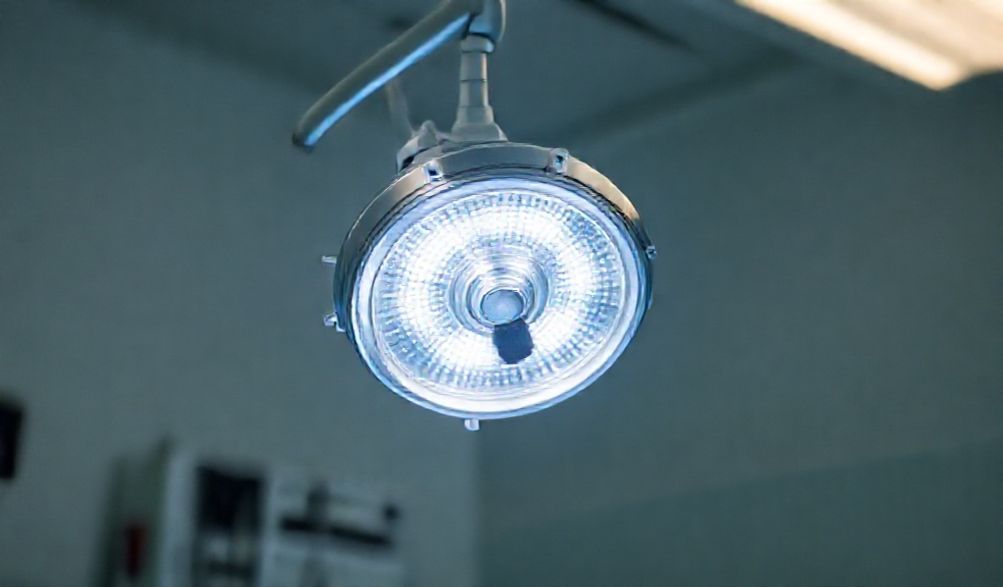
Portable Surgical Lights: A Comprehensive Guide to Mobile, High-Quality Illumination
In the high-stakes environment of surgery, every detail matters. From the skill of the surgeon to the sterility of the instruments, success hinges on a confluence of factors working in perfect harmony. Among these, one element is so fundamental that its importance can be overlooked until it’s absent: light. Proper surgical illumination is not merely about seeing the surgical field; it’s about perceiving depth, differentiating subtle tissue variations, and maintaining visual acuity for hours—all without causing thermal damage or operator fatigue.
The traditional paradigm of the fixed, ceiling-mounted хирургический светильник in a dedicated operating room is being challenged. Modern healthcare demands portability, flexibility, and adaptability. Whether responding to a mass casualty event, performing a procedure in a rural clinic, or increasing throughput in an ambulatory surgery center, the need for high-quality illumination that can move to the point of care is greater than ever.
This article serves as an authoritative, expert-driven resource for medical professionals, clinical engineers, procurement officers, and healthcare administrators. We will delve into the technology behind portable surgical lights, explore their critical applications, and provide a detailed framework for selecting the right system. Our focus remains steadfast on the highest standards of medical utility, safety, and performance, ensuring you can make an informed decision that enhances both patient outcomes and operational efficiency.
The Critical Importance of Surgical Lighting
Before understanding the portable iteration, one must appreciate the non-negotiable requirements of any surgical light. It is a precision tool, and its performance is measured against several rigorous criteria:
- Shadow Reduction & Depth of Illumination: A quality system minimizes obstructive shadows cast by the surgeon’s head and hands, while providing deep-cavity illumination that reveals anatomical structures clearly.
- Color Accuracy (Color Rendering Index – CRI): The light must render tissue colors as they naturally appear. A high CRI (≥90) is essential for accurately differentiating between arteries, veins, nerves, and various tissue states (ischemic, healthy, etc.).
- Intensity & Adjustability: The light must deliver sufficient luminance (measured in lux) for the procedure at hand, with smooth, intuitive dimming controls to adapt to different surgical stages and surgeon preference.
- Minimal Heat Emission: Traditional halogen and older lights produced significant radiant heat, which could desiccate tissue and increase patient risk. Modern standards demand cool illumination.
The direct impact is profound. Inadequate lighting leads to surgeon eye strain and fatigue, increases procedural duration, and elevates the risk of error. It is, therefore, a patient safety issue. This understanding underscores the growing need for solutions that deliver this caliber of illumination beyond the confines of the traditional, fixed operating room.
What Are Portable Surgical Lights? Core Technology & Evolution
Portable surgical lights are self-contained, mobile units engineered to provide high-intensity, sterile illumination wherever it is needed. They integrate the light source, power supply, and positioning apparatus into a single system on a stable stand or boom, capable of being wheeled or carried to the surgical site.
The evolution from bulky, hot, and short-lived bulbs to today’s sleek units is a story of technological advancement, most notably the rise of LED technology.
LED Technology: The Modern Standard
Light Emitting Diode (LED) technology has become the unequivocal standard for portable surgical lights, and for compelling reasons:
- Cool Light Operation: LEDs emit very little infrared radiation, directing energy almost exclusively as visible light. This eliminates the risk of tissue thermal damage and improves surgeon comfort.
- Исключительный срок службы: LED engines can last for tens of thousands of hours—often the entire lifespan of the device—eliminating the cost and downtime associated with bulb replacements.
- Энергоэффективность: LEDs consume a fraction of the power required by halogen or metal halide bulbs. This efficiency is the cornerstone of viable battery-powered operation.
- Superior Color Rendering: Advanced LED systems can achieve a Color Rendering Index (CRI) of 95 or higher, providing exceptional tissue differentiation that rivals or surpasses daylight.
Key Components of a Portable System
Understanding the anatomy of a portable surgical light is key to evaluation:
- Light Head/Engine: The core containing the LED array, optics (lenses and reflectors to shape the beam), and heat sink.
- Boom or Stand: The articulating arm(s) and vertical column that provide positioning flexibility. Look for smooth, gas-spring-assisted movement and the ability to hold position without drift.
- Power Source: Typically a rechargeable lithium-ion battery pack. Specifications for runtime (e.g., 4+ hours at full intensity), recharge time, and the availability of hot-swappable batteries are critical.
- Control Interface: User controls for on/off, intensity adjustment, and sometimes light field diameter. These should be intuitive, accessible, and easily cleanable.
- Sterilization Capabilities: The housing must be completely sealed (no vents or crevices) to withstand rigorous wiping with hospital-grade disinfectants without compromising the electronics.
Primary Applications & Use Cases
The versatility of portable surgical lights makes them indispensable across a wide spectrum of healthcare delivery models. Their real-world utility is a testament to their design.
Emergency & Trauma Situations
In chaotic or resource-constrained emergency settings, rapid deployment of adequate lighting is lifesaving. Portable lights are essential in field hospitals, at accident sites for immediate life-saving interventions, and in busy emergency department trauma bays where fixed lighting may be inadequate or obstructed.
Low-Resource & Remote Medicine
This is where portable lights truly shine. They are the primary light source for:
* Military Medicine: Forward surgical teams and combat support hospitals.
* Rural & Remote Clinics: Facilities without the infrastructure for fixed ORs.
* Humanitarian Missions: Disaster response and medical charity work in developing regions.
* Veterinary Surgery: In both field and clinical settings for animal care.
Supplemental & Specialized Surgical Lighting
Even in well-equipped facilities, portable lights add crucial capability:
* In-Office Minor Procedures: Dermatology, plastic surgery, or wound care clinics.
* Dental Surgery: Providing focused, shadow-free illumination in the oral cavity.
* Endoscopy Suites: As an overhead light for the procedure room.
* Backup in Main ORs: An immediate solution if a primary ceiling light fails.
Increasing Surgical Suite Flexibility
Healthcare facilities are optimizing space and workflow. Portable lights enable:
* Multi-Purpose Rooms: Converting a standard procedure room into a minor OR as needed.
* Outpatient Surgery Centers: Maximizing utilization of operating rooms without the capital expense of multiple fixed lights per room.
* Teaching & Visualization: Providing ideal light for observers or recording equipment.
How to Choose the Right Portable Surgical Light: Expert Buying Guide
Selecting a portable surgical light is a significant investment in clinical capability. This guide provides a framework for evaluation, prioritizing the factors that matter most in practice.
Key Performance Specifications to Evaluate
- Luminance (Lux) and Depth of Illumination: Lux measures light intensity at the surface. For minor surgery, 40,000 – 100,000 lux at the center of the field is common. More important is depth of illumination—how well the light penetrates into a cavity while maintaining intensity and color quality. Request demonstration data from the manufacturer.
- Индекс цветопередачи (CRI): This is non-negotiable for surgical use. Aim for a CRI of 90 or higher. A CRI ≥95 is ideal for the most demanding tissue differentiation.
- Light Field Diameter & Adjustability: Can the light spot be focused from a small, intense circle (for deep cavity work) to a wide, diffuse field (for superficial procedures)? Adjustable field diameter is a mark of a versatile system.
- Battery Life & Power Options: Runtime must exceed your longest anticipated procedure, with a safety margin. Look for 3-8 hours of runtime at high intensity. Understand recharge times and whether the unit can operate while plugged in. Redundant battery systems or “battery hot-swap” capabilities are premium features for uninterrupted use.
Design & Usability Factors
- Maneuverability & Stability: The unit must be easy to move yet rock-solid when positioned. Check the weight, wheel quality (and locking brakes), and the counterbalance of the arm. The light head should move effortlessly and stay precisely where placed.
- Sterilization & Cleanability: The entire external surface must be seamless and impervious to fluids. Confirm the IP (Ingress Protection) rating—an IP54 rating or higher indicates protection against dust and water splashes from any direction, suitable for OR cleaning protocols.
- Thermal Management: Ensure the design dissipates any generated heat away from the light head’s front surface and the surgical field, usually via rear-mounted heat sinks.
Safety, Compliance, and Certification
This is the most critical section, speaking directly to the principles of E-E-A-T (Experience, Expertise, Authoritativeness, and Trustworthiness). A medical device is only as good as its regulatory pedigree.
- FDA Clearance (or Regional Equivalent): In the United States, a portable surgical light intended for operative procedures is a Class II medical device requiring 510(k) clearance from the Food and Drug Administration. In the European Union and other markets, look for the (для Европы) и подтверждённое соответствие under the Medical Device Regulation (MDR).
- Quality Management System: The device should be manufactured under a certified Quality Management System, most commonly ISO 13485.. This is a benchmark for consistent design, production, and post-market surveillance.
- Electrical Safety Standards: Compliance with standards like IEC 60601-1 (general safety) and IEC 60601-2-41 (particular requirements for surgical lights) is mandatory.
Never compromise on certification. Always request and verify the regulatory documentation from the supplier.
Advantages and Limitations: A Balanced Professional View
A clear-eyed assessment ensures realistic expectations.
Major Advantages
- Unmatched Flexibility & Mobility: The core benefit. Light goes where the patient is, adapting to any room layout or emergency scenario.
- Rapid Deployment: Can be set up and ready for use in minutes.
- Cost-Effective Capacity Expansion: Adds surgical capability without the structural cost and disruption of installing fixed ceiling lights.
- Lower Total Cost of Ownership: LED longevity and energy efficiency reduce ongoing maintenance and utility costs significantly.
Considerations and Limitations
- Intensity Comparison: While excellent, the maximum light output of a single portable head may not equal that of a large, multi-head ceiling system designed for major open surgery.
- Управление аккумулятором: Requires a disciplined charging routine and awareness of remaining battery life to avoid mid-procedure failure.
- Physical Footprint: Штатив и основание занимают площадь пола, что необходимо учитывать при планировке переполненных операционных.
- Дополнительное оборудование: Это ещё одно устройство, требующее планового технического обслуживания, очистки и хранения.
Техническое обслуживание, уход и рекомендуемые практики
Для обеспечения долговечности, безопасности и оптимальной производительности следуйте этим экспертным рекомендациям:
- Регулярная очистка: После каждого использования протирайте все внешние поверхности мягкой тканью с использованием совместимого с материалами устройства больничного неабразивного дезинфицирующего средства. Никогда не распыляйте жидкость непосредственно на светильник; сначала нанесите средство на ткань.
- Уход за аккумулятором: Следуйте инструкциям производителя по зарядке. Для литий-ионных аккумуляторов избегайте постоянной разрядки до 0% или длительного поддержания заряда на уровне 100%. Если светильник будет храниться, поддерживайте заряд около 50%.
- Регулярный осмотр: Периодически проверяйте шарнирные рычаги на плавность движения и наличие признаков износа или выхода из строя газовой пружины. Проверяйте шнуры питания и разъёмы на наличие повреждений.
- Соблюдение рекомендаций производителя: Строго придерживайтесь рекомендованных интервалов обслуживания и процедур, изложенных в руководстве пользователя. Используйте только одобренные аксессуары и запасные части.
Раздел Часто задаваемых вопросов (ЧАВО)
В: Может ли портативный хирургический светильник действительно заменить стационарный потолочный свет в основной операционной?
О: Для многих процедур, особенно малых и средних операций, высококачественный портативный светильник может служить основным источником освещения. Однако для наиболее сложных операций на глубоких полостях (например, крупных кардиоторакальных или нейрохирургических) большие многоголовые стационарные системы по-прежнему могут обеспечивать превосходное бестеневое освещение на очень широком и глубоком поле. Портативные светильники идеальны в качестве основного освещения в специализированных малых операционных и незаменимы в качестве дополнительного или резервного освещения в основных операционных.
В: Как долго обычно работают аккумуляторы и что происходит при отключении электроэнергии?
О: Высококачественные профессиональные модели обеспечивают от 2 до 8 часов работы на полной мощности в зависимости от установленной интенсивности. Лучшие устройства оснащены интеллектуальной системой управления аккумулятором с чёткими индикаторами уровня заряда. Многие могут работать непосредственно от сети переменного тока, а при отключении электроэнергии в учреждении они автоматически переключаются на питание от аккумулятора. Некоторые продвинутые модели имеют двойные, горячезаменяемые аккумуляторные блоки для действительно непрерывной работы.
В: Легко ли стерилизовать портативные хирургические светильники для асептических условий?
О: Да, модели, предназначенные для хирургического использования, имеют полностью герметичные, гладкие корпуса без трещин или швов, где могут скапливаться загрязнения. Они рассчитаны на многократную обработку стандартными дезинфицирующими средствами для операционных, такими как перекись водорода или четвертичные аммониевые соединения. Ручка светильника, как правило, является единственным компонентом, требующим стерильного чехла. Всегда проверяйте степень защиты IP и конкретные инструкции производителя по очистке.
В: Какой типичный диапазон стоимости профессионального портативного хирургического светильника?
О: Стоимость значительно варьируется в зависимости от производительности, функций и бренда, примерно от 3 000 до более 25 000 долларов США.. Надёжный, клинически эффективный светильник для малой операционной часто находится в диапазоне 8 000 – 15 000 долларов США. Это инвестиция, где производительность, надёжность, сертификаты безопасности и сервисная поддержка должны быть приоритетнее, чем самая низкая первоначальная стоимость.
Заключение
Портативные хирургические светильники эволюционировали из узкоспециализированного резервного варианта в фундаментальный инструмент для современного, адаптивного и устойчивого оказания медицинской помощи. Они позволяют клиницистам обеспечивать хирургическую помощь высокого стандарта практически в любых условиях — от современных больниц до удалённых полевых клиник.
Решение о приобретении зависит от тщательного баланса технических характеристик (люкс, CRI, время работы), практической удобности использования (маневренность, стерилизуемость) и безусловного соответствия нормативным требованиям (FDA, CE, ISO 13485).. Поскольку светодиодные технологии продолжают развиваться, предлагая всё лучшую производительность в более компактных и эффективных конструкциях, роль портативного освещения будет только расширяться.
Мы призываем всех читателей выйти за рамки технических характеристик на бумаге. Проконсультируйтесь с клиническими инженерами, привлеките хирургов и персонал, которые будут ежедневно использовать светильник, и, по возможности, организуйте практическое тестирование с надёжным поставщиком медицинского оборудования. Увидеть качество света на имитационной ткани и почувствовать лёгкость позиционирования — это последние, решающие шаги в выборе портативного хирургического светильника, который будет освещать путь к лучшим результатам лечения пациентов на долгие годы вперед.
p>