
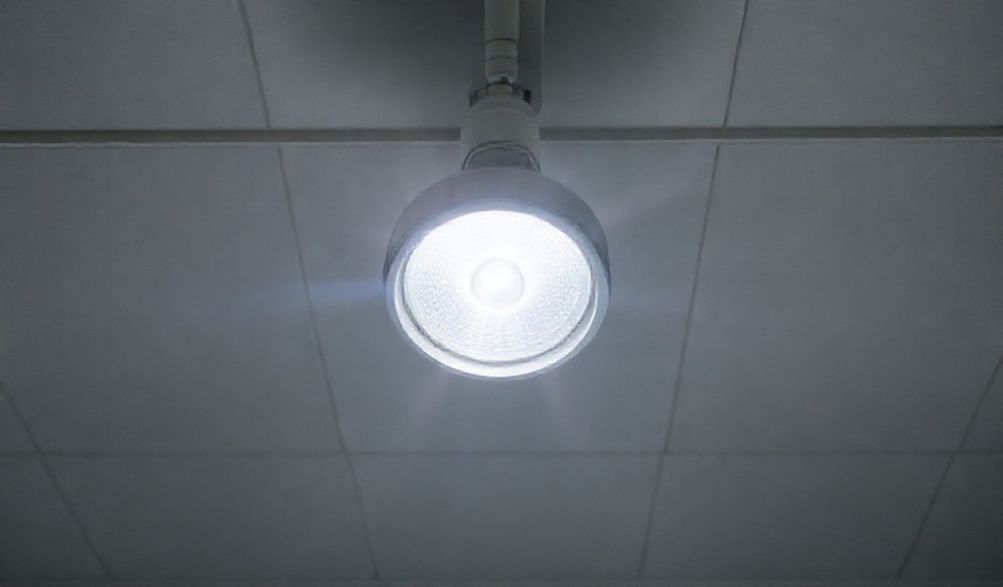
Operating Lights: A Comprehensive Guide to Surgical Illumination Technology
In the high-stakes environment of a modern operating room, where millimeter precision can define the line between success and complication, every piece of technology is scrutinized for its contribution to patient outcomes. While robotic arms and advanced imaging systems often capture the spotlight, one foundational technology operates in plain sight, yet its importance cannot be overstated: the surgical operating light. More than just a “lamp,” a modern operating light is a sophisticated optical instrument, a critical, non-negotiable component of medical infrastructure that directly impacts procedural accuracy, surgeon well-being, and patient safety.
This comprehensive guide is authored by a team with over 15 years of experience in medical device technology and operating room design. We draw upon peer-reviewed clinical studies, manufacturer engineering specifications, and firsthand expertise to demystify the technology, selection criteria, and best practices for operating room illumination. Whether you are a hospital administrator overseeing a capital purchase, a clinical engineer managing OR assets, or a medical professional advocating for better tools, this evidence-based resource will illuminate how advanced lighting systems are fundamental to precision, ergonomics, and improved surgical outcomes.
The Critical Role of Operating Lights in Surgical Outcomes
The correlation between lighting quality and surgical performance is not anecdotal; it is a clinically established fact. Optimal illumination is a prerequisite for the visual acuity required to differentiate subtle tissue variations, identify delicate nerve and vascular structures, and control bleeding. Subpar lighting, conversely, is a silent contributor to visual strain, increased error rates, and prolonged procedure times. This section establishes the direct link between the quality of an operating light and tangible clinical results.
Enhancing Visual Acuity and Reducing Surgical Error
The primary mission of any surgical light is to render the surgical site with impeccable clarity. This is achieved through a combination of key technical parameters:
- Lumen Output & Illuminance (Lux): Simply put, this is the raw amount of light delivered to the field. While more light isn’t always better (excessive light can cause glare and tissue drying), insufficient light is a definitive hazard. Studies in fields like neurosurgery and microsurgery have demonstrated that adequate illuminance (often 40,000 to 160,000 lux at the center of the field) is crucial for distinguishing between white matter and grey matter or identifying fine suture materials.
- Color Temperature (Kelvin): Measured in Kelvins (K), this describes the “warmth” or “coolness” of the light. Modern LED operating lights often offer adjustable color temperatures. A cooler, bluer-white light (e.g., 4500K-5000K) enhances contrast and is often preferred for superficial procedures and orthopedic surgery, making bone and tissue differentiation clearer. A warmer light (e.g., 4000K) can reduce glare in deep cavities and may be perceived as less harsh during long procedures.
- Индекс цветопередачи (CRI): This is arguably one of the most critical yet overlooked specs. A CRI close to 100 (the maximum, representing sunlight) means the light source accurately reproduces the true colors of tissues. A high CRI is essential for correctly identifying tissue states—differentiating between ischemic, oxygenated, or infected tissue, or accurately assessing bile, blood, and organ color. Poor CRI can lead to misdiagnosis of tissue viability during surgery.
Mitigating Surgeon Fatigue: Ergonomic and Physiological Benefits
A major surgery can last many hours, during which a surgeon’s visual system is under constant, intense demand. The operating light plays a significant role in either exacerbating or alleviating the physiological strain that leads to fatigue.
- Glare Control & Homogeneity: Harsh shadows and bright “hotspots” surrounded by darker areas force the surgeon’s pupils and ocular muscles to constantly adjust, leading to significant visual strain and headache. Advanced optical systems are designed to produce a homogenous, uniformly bright field that eliminates this constant re-focusing.
- Cognitive Load Reduction: When lighting is optimal—free of shadow, with perfect color rendition and no glare—the surgeon can focus cognitive resources entirely on the procedure. Poor lighting adds a subconscious layer of visual “problem-solving,” increasing mental fatigue and potentially slowing decision-making.
- Thermal Management: Traditional halogen lights emitted significant infrared (IR) radiation, heating the surgical site and the surgeon’s head and hands. Modern LED operating lights produce minimal IR, keeping the field cooler, which is better for tissue and improves surgeon comfort during long, delicate operations.
Key Technical Specifications and Features of Modern Operating Lights
Navigating the specifications of an operating light requires moving beyond marketing terms to understand the measurable parameters that define performance. Here is a deep dive into the core technical data.
Understanding Lumens, Lux, and Color Temperature (Kelvin)
- Lumens: A measure of the total quantity of visible light emitted by the source. Think of it as the “water flow” from a pipe.
- Lux: A measure of illuminance, or how much of that light actually falls on a surface (lumens per square meter). This is the crucial metric for surgeons, as it defines the brightness at the surgical site. A light might have high lumen output, but poor optics can fail to deliver those lumens effectively as lux to the field.
- Color Temperature (Kelvin): As described, this defines the light’s hue. The ideal range is not one-size-fits-all. For deep-cavity work (e.g., pelvic, thoracic), a mid-range 4000-4500K may offer better comfort. For surface-level, high-contrast needs (e.g., dermatology, plastic surgery), 5000K+ may be preferred. The best systems offer adjustable color temperature to suit the specialty.
Shadow Management: Multi-Source Systems and Depth of Illumination
The concept of “shadow-free” lighting is a cornerstone of modern design. It is achieved through optical engineering, not magic.
- Multi-Source Configuration: A typical modern operating light has a central main head surrounded by several satellite LED modules (often 4-8+). These sources are positioned at calculated angles so that their light paths converge at the focal point.
- How It Works: When a surgeon’s hand or instrument blocks one light source, creating a shadow, the other sources from different angles immediately fill that shadow in. The result is not a complete absence of shadow (a physical impossibility), but a drastic reduction in its contrast and density, creating a uniformly illuminated cavity.
- Depth of Illumination: This is a critical specification that indicates how effectively the light maintains its intensity and color quality as it penetrates deep into a cavity (e.g., during a prostatectomy or liver surgery). A high depth of illumination means the light remains bright and true-colored even 20-30cm into a wound, a key factor for versatility across surgical specialties.
Advanced Features: LED Technology, Sterile Handles, and Camera Integration
- LED Technology: Light Emitting Diodes have revolutionized surgical lighting. They offer exceptional longevity (50,000+ hours), instant on/off with no warm-up, minimal heat emission, and consistent color output over their lifespan. Their efficiency also translates to significant energy savings.
- Sterile Handles & Touchless Control: To maintain the sterile field, lights must be adjustable by the surgical team. Modern systems offer handles that can be covered with sterile sleeves or, increasingly, touchless control via sterile infrared foot pedals or voice-activated systems integrated into the OR suite.
- Camera Integration: For documentation, teaching, and telemedicine, many operating lights have built-in or seamlessly integrated 4K/HD cameras. These provide a true-to-life, high-resolution view of the procedure without requiring bulky external cameras that can obstruct movement or the light path.
How to Select the Right Operating Light: A Buyer’s Framework
Выбор operating light is a significant capital investment. This framework provides actionable, experience-based guidance for a thorough evaluation.
Assessing Clinical Needs by Surgical Specialty
A “universal” light must be versatile, but different specialties have nuanced priorities.
| Surgical Specialty | Key Lighting Priorities | Recommended Specifications Focus |
| :— | :— | :— |
| General & Abdominal | Deep cavity illumination, excellent shadow reduction, high CRI for tissue differentiation. | Very high Depth of Illumination, multi-source shadow control, CRI >95. |
| Cardiac & Thoracic | Deep, narrow field illumination; minimal heat to avoid tissue drying; compatibility with other large equipment. | High central lux, excellent depth, low IR/heat output, long boom reach. |
| Orthopedic & Spine | High contrast for bone/tissue, broad field for large incisions, often cooler color temperature. | High lux (100k+), adjustable cool color temp (5000K+), large field diameter. |
| Minimally Invasive/Robotic | Primary light source may be the endoscope, but overhead light is vital for port placement, instrument exchange, and open conversion. | Excellent homogeneity, sterile handle access, integration with OR control systems. |
| Neurosurgery & Plastics | Extreme precision, high magnification work, true color rendition for microvascular procedures. | Highest CRI (Ra >97), flawless homogeneity, adjustable focus/spot size. |
Total Cost of Ownership: Beyond the Initial Purchase Price
The sticker price is just the beginning. A full financial analysis must consider:
- Потребление энергии: LED systems consume 50-70% less power than equivalent halogen or metal halide systems, leading to substantial annual savings.
- Bulb/LED Module Replacement: Halogen bulbs last 1,000-2,000 hours and require frequent, costly changes. LED modules last for decades under normal use, virtually eliminating this cost and the associated OR downtime for replacement.
- Maintenance & Service Contracts: Review reliability data (Mean Time Between Failures – MTBF) from technical manuals. A more robust, well-engineered system may have a higher upfront cost but lower long-term service expenses.
- Прочность: Consider the build quality of arms and joints. Systems designed for frequent, easy movement with high-cycle components will last longer and require less repair.
Compliance and Safety Standards (IEC 60601-2-41)
This is non-negotiable. The international standard IEC 60601-2-41 specifies the safety and essential performance requirements for surgical luminaires. Compliance ensures:
* Электробезопасность: Protection against shock in the wet OR environment.
* Механическая безопасность: Secure ceiling mounts and arms that can withstand load and movement.
* Performance Safety: Defined limits on maximum temperature to prevent patient burns and requirements for light field homogeneity and color rendering.
* Risk Management: A formalized process for identifying and mitigating potential hazards.
Always verify that any system under consideration carries full certification to this standard.
Установка, техническое обслуживание и передовые практики
Optimal performance depends on correct installation and disciplined upkeep, guided by clinical engineering protocols.
Optimal Positioning and Ceiling Mount Considerations
- OR Layout Planning: The light should be positioned to serve the primary surgical table position without interfering with other ceiling-mounted equipment (anesthesia booms, imaging systems). Consider a track-mounted system for multi-table rooms or rooms used for varied procedure types.
- Mounting Height & Boom Reach: The mount must allow the light head to be positioned directly over the surgical site from a comfortable working distance (typically 1m to 1.5m above the field). Ensure the boom has sufficient reach and articulation to cover the entire table and accommodate different surgeon heights and preferences.
Routine Cleaning, Disinfection, and Preventative Maintenance
- Follow the IFU: The manufacturer’s Instructions for Use (IFU) are the legal guide for cleaning and disinfection. Typically, external surfaces are cleaned daily with hospital-grade disinfectants. Sterile handles are covered with single-use sleeves.
- Preventative Maintenance: Scheduled checks by clinical engineering should include: verifying light output (lux) and color metrics with a photometer, checking the balance and smooth movement of all arms and joints, inspecting cables for wear, and cleaning internal air filters (if present) to prevent overheating.
- Безопасность, гигиена и юридические аспекты Any maintenance involving the internal electrical components or the ceiling mount must be performed by qualified technicians with the power disconnected.
Раздел Часто задаваемых вопросов (ЧАВО)
Q1: What is the typical lifespan of an LED operating light compared to traditional halogen?
О: Based on manufacturer reliability reports, high-quality LED modules typically offer 50,000 to 60,000 hours of use. This significantly outperforms halogen bulbs, which may last only 1,000-2,000 hours. This translates to decades of use versus frequent, costly bulb changes, resulting in substantially lower long-term maintenance costs and reduced OR downtime.
Q2: How does “shadow-free” lighting actually work?
О: True “shadow-free” illumination is achieved through precise optical engineering. Multiple light sources (from an array of LEDs) are positioned at slightly different angles and focused to converge on the same surgical field. When an instrument or hand creates a shadow from one light source, the other sources immediately fill that shadow in from their different angles. This dramatically reduces the shadow’s contrast and density, creating a uniformly illuminated cavity essential for deep and complex procedures.
Q3: Can operating lights be integrated with a hospital’s digital infrastructure?
О: Yes, increasingly so. Modern systems often offer integration capabilities via standard protocols. They can interface with centralized OR control panels for lighting presets, connect to surgical video recorders for documentation, and link to facility management systems for automated usage tracking, energy monitoring, and predictive maintenance alerts. These features are detailed in the device’s technical communication manuals.
В: Какой фактор является самым важным при выборе светильника для новой операционной?
О: While a balance of specifications is key, Глубина освещения is paramount for a versatile, general-purpose OR. This specification indicates how effectively the light penetrates deep cavities (e.g., in pelvic, abdominal, or thoracic surgery) without a significant loss of intensity or a shift in color quality. A high depth-of-illumination rating ensures the system remains effective across the broadest possible range of procedures, making it a sound long-term investment.
Заключение
Selecting and maintaining an operating room light is a strategic decision with direct clinical, ergonomic, and financial implications. It is an investment in the foundational tool of surgery: human vision. By moving beyond basic brightness to prioritize core technical specifications—such as depth of illumination, color rendering index (CRI), and sophisticated shadow control—and rigorously aligning them with the specific needs of surgical specialties, healthcare facilities can procure a system that actively enhances precision, reduces staff fatigue, and promotes patient safety for a decade or more.
This guide, built on engineering expertise and clinical evidence, serves as a foundational resource for making that informed decision. Remember, the final evaluation should be a collaborative effort. Always consult directly with clinical engineers for technical validation and, crucially, involve the surgical staff who will use the light daily. Request hands-on demonstrations in a showroom or, ideally, a clinical setting, using anatomical models to evaluate the system’s performance in simulated real-world conditions before finalizing any procurement.
p>