
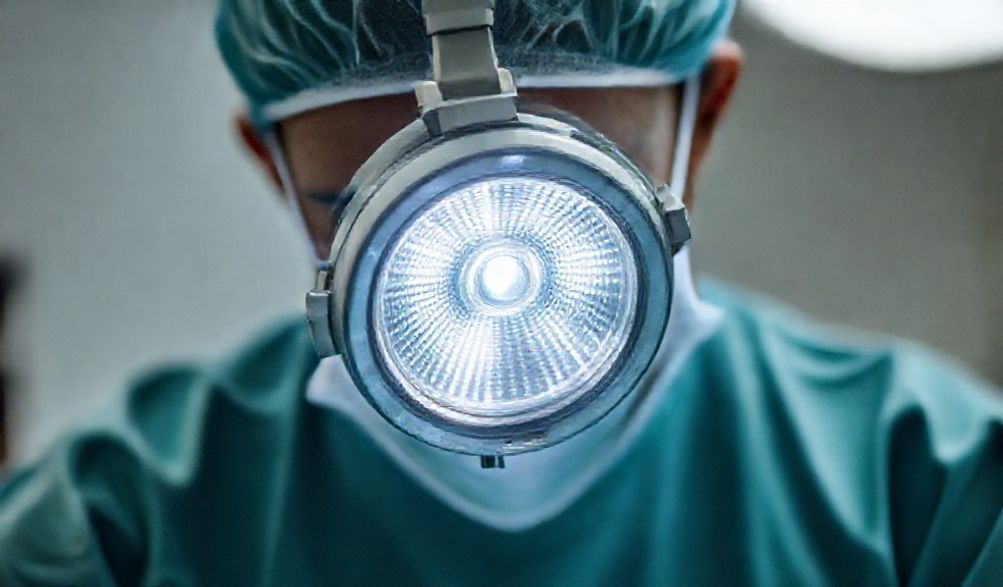
The Essential Guide to Surgeon Headlights: Enhancing Precision, Safety, and Outcomes
In the high-stakes theater of surgery, where millimeters matter and anatomy holds its secrets, one fundamental principle reigns supreme: you can only operate on what you can see. Visualization is the cornerstone of surgical success. A moment of shadow, a poorly illuminated cavity, or an inability to distinguish subtle tissue variations can be the difference between a routine procedure and a critical complication. While advancements in imaging, robotics, and instrumentation capture headlines, there remains a humble, yet profoundly critical, tool that directly addresses this primary challenge: the surgeon headlight.
Often relegated to a simple accessory, the modern surgical headlight is a sophisticated piece of optical engineering. It is not merely “a light on the head”; it is an extension of the surgeon’s vision, a personal sun that illuminates the surgical field with clarity, consistency, and control. This guide is crafted from a deep understanding of surgical workflows and equipment ergonomics, serving as a comprehensive resource for surgeons, surgical residents, first assists, and procurement specialists. We commit to providing a detailed, evidence-based, and balanced overview—covering the technical specifications, clinical benefits, and practical considerations of modern systems—without commercial bias. Our goal is to empower you with the knowledge to select and utilize the right surgeon headlight technology, thereby optimizing your surgical field illumination, reducing physical strain, and enhancing procedural accuracy and patient safety.
Why Optimal Illumination is Non-Negotiable in Surgery
Before dissecting the components of a headlight system, it’s crucial to understand why this tool is so indispensable. Optimal illumination is not a luxury; it is a prerequisite for safe and effective surgery.
The Clinical Impact of Superior Visualization
The human eye performs remarkably under optimal lighting conditions. In surgery, precise lighting directly translates to:
* Enhanced Tissue Differentiation: The ability to discern subtle differences in color, texture, and vascularity between tissue types (e.g., nerve, artery, tumor margin, fascia) is paramount. Proper illumination with high color accuracy makes these distinctions clear.
* Superior Depth Perception: Shadows and uneven lighting flatten the surgical field. A bright, coaxial light source (one that shines along the surgeon’s line of sight) restores three-dimensional perception, crucial for navigating deep cavities or performing delicate dissections.
* Identification of Critical Structures: From the common bile duct to a small facial nerve branch, seeing these structures before encountering them is the first rule of avoiding iatrogenic injury.
This superior visualization has a direct, measurable impact: it can lead to reduced operative time (less time spent searching or clarifying anatomy) and a significant increase in surgical accuracy.
Ergonomics and Surgeon Well-being
The physical toll of surgery is well-documented. Poor lighting is a major, often overlooked, contributor to surgeon fatigue and injury. When the overhead OR light is misaligned or obstructed, surgeons unconsciously compensate by:
* Craning their necks into awkward, static positions.
* Squinting and straining their ocular muscles.
* Adopting poor overall posture to “chase” the light.
Over years and thousands of procedures, these micro-strains accumulate, contributing to debilitating musculoskeletal disorders. A properly fitted, balanced surgeon headlight delivers light exactly where the surgeon is looking, allowing for a neutral head and neck posture. This ergonomic benefit is an investment in a surgeon’s long-term career health and stamina.
Patient Safety and Surgical Outcomes
Ultimately, every technical and ergonomic advantage converges on a single point: improved patient outcomes. Consistent, high-quality illumination is directly linked to key safety metrics:
* Reduced Risk of Iatrogenic Injury: Clear visualization minimizes accidental nicks, cuts, or thermal damage to vital structures.
* Lower Complication Rates: From reducing bleed rates to ensuring complete excision of pathological tissue, better sight leads to better technique.
* Improved Precision in Delicate Procedures: In microsurgery, neurosurgery, ophthalmology, and plastic surgery, the headlight is not an accessory; it is the primary light source, enabling work at a scale where hand tremors are measured in microns.
Anatomy of a Modern Surgical Headlight System
A contemporary surgeon headlight is a system of integrated components, each playing a vital role. Understanding this anatomy is key to making an informed choice.
Light Source Technology: LED vs. Halogen
This is the heart of the system, and the industry has decisively shifted.
* LED (Light Emitting Diode): The modern standard. LEDs offer a cool operating temperature (preventing patient tissue drying and surgeon discomfort), an exceptionally long lifespan (often 50,000+ hours), intense brightness with high efficiency, and minimal power draw. They provide a consistent, white light ideal for surgery.
* Halogen: The traditional source. Halogen bulbs produce a warm light and are lower in upfront cost. However, they generate significant heat, have a short lifespan (requiring frequent, costly replacements), and are less energy-efficient, draining batteries faster.
The Verdict: For any new purchase, LED is the unequivocal recommendation. The total cost of ownership, performance, and safety benefits overwhelmingly favor LED technology.
The Light Generator: Battery Packs vs. Wall Outlets
This is the power decision, balancing freedom against runtime.
* Cordless (Battery Packs): Offers complete freedom of movement. The rechargeable battery pack is typically worn on a belt or waistband. Modern lithium-ion batteries provide ample runtime (6-10+ hours) for most surgical days. The key advantage is the elimination of a tether, which can be snagged or limit mobility.
* Corded (Wall Outlet): Draws power directly from an outlet in the OR. This provides unlimited runtime and eliminates battery management. However, the cord can be restrictive and presents a potential trip hazard or contamination risk if it falls.
The choice often comes down to procedural needs and personal preference. Many surgeons prefer cordless for its liberating feel.
Optics and Light Delivery: Fiber Optic Cables vs. Emitter Tips
This is how light travels from the source to the field.
* Fiber Optic Cable: A flexible bundle of thousands of glass or plastic fibers that transmits light from the generator to the headpiece with minimal loss of intensity or quality. The cable must be handled with care to avoid kinks or breaks, which can darken the beam.
* The Emitter (Light Tip): This is the final optical element, mounted on the headpiece. It focuses and shapes the light beam. A critical feature is adjustable spot size, allowing the surgeon to change from a wide, flood illumination for a larger field to a tight, focused spot for deep cavity or micro work.
The Headpiece: Comfort, Balance, and Adjustability
This is the interface between the technology and the surgeon. A poorly designed headpiece can ruin an otherwise excellent system.
* Comfort & Fit: Look for padded headbands with moisture-wicking material, multiple points of adjustment, and secure, non-slip grip. Weight distribution is key—a well-balanced system feels lighter.
* Adjustability: The emitter should easily tilt and swivel to align perfectly with your line of sight. Quick-release mechanisms are valuable for donning and doffing.
* Compatibility: The headpiece must integrate seamlessly with your surgical loupes and protective eyewear. Most use universal clips or specific adapters for major loupe brands.
Key Features to Consider When Choosing a Surgeon Headlight
Beyond the basic anatomy, these performance characteristics should guide your evaluation.
Brightness and Lumen Output
Brightness is measured in lumens (total light output). More clinically relevant is lux (light intensity per unit area on the surgical field).
* A general surgery or orthopedic procedure may be well-served by 20,000-30,000 lux.
* Deep cavity work (spine, ENT, cranial) or high-magnification microsurgery often requires 40,000 to over 100,000 lux to overcome light loss in depth and through optical scopes. Variable brightness control is essential.
Field of View and Spot Size Adjustability
The ability to dynamically change the beam pattern is a game-changer. During initial exposure, a wide field illuminates the entire area. As you focus on a specific structure or deep hole, a narrow, concentrated spot eliminates peripheral glare and delivers maximum intensity exactly where you need it. This adjustability should be easy and tool-free.
Color Temperature and Color Rendering Index (CRI)
- Color Temperature (measured in Kelvin, K) describes the “warmth” or “coolness” of white light. A neutral to cool white (4500K-5500K) is generally preferred for its bright, daylight-like quality.
- Color Rendering Index (CRI) is arguably more important. It measures a light’s ability to reveal the true colors of objects compared to natural light. A high CRI (90+) is critical for accurate tissue discrimination, allowing you to see the subtle difference between ischemic and healthy tissue or a nerve sheath and surrounding fat.
Ergonomics: Weight, Balance, and Heat Management
Comfort during a 6-hour case is non-negotiable. Evaluate:
* Total System Weight: Lighter is generally better, but balance is more important than absolute weight.
* Weight Distribution: Does the headpiece feel front-heavy, or is the weight borne by the crown and back of the head? Battery packs on the waist help counterbalance.
* Heat Management: LED systems should produce negligible heat at the emitter. Ensure the headband material is breathable.
A Step-by-Step Guide to Selecting Your System
-
Assess Your Surgical Specialty and Common Procedures.
- Deep Cavity/High-Magnification (Neuro, Spine, ENT, Micro): Prioritize maximum brightness (high lux), adjustable spot size, and a system compatible with your loupes and/or microscope.
- General, Orthopedic, Plastic Surgery: Look for a versatile system with good brightness, a wide-to-spot adjustable beam, and superior comfort for longer cases.
- Dental/Oral Surgery: Consider smaller, lightweight systems often with a dedicated dental headband.
-
Try Before Buying: The Imperative of a Hands-On Demo.
You wouldn’t buy loupes without looking through them. Apply the same rule to headlights. Wear the system for an extended period. Adjust the focus and angle. Mimic your surgical posture. Does it stay in place? Is the control intuitive? This step is invaluable. -
Budgeting: Initial Cost vs. Total Cost of Ownership.
While an LED system has a higher upfront cost, calculate the long-term savings: no halogen bulbs to replace ($100s per year), longer battery lifespan, and minimal downtime. Factor in warranty length and service contract costs. The cheapest option is often the most expensive over five years. -
Ensure Compatibility with Existing Equipment.
Verify that the headlight mount will attach securely to your specific model of surgical loupes. If you use a camera for documentation, check if the system offers a beam-splitter or camera mount option.
Best Practices for Use, Maintenance, and Safety
To protect your investment and ensure peak performance, follow these protocols.
Proper Fitting and Calibration
- Adjust the headband so it is snug but not constricting, with the weight primarily on the crown.
- Position the emitter tip approximately 2-3 inches from your forehead, aligned with your dominant eye or between your eyes.
- Tilt and focus the beam on a target to create a sharp, even circle of light where you typically work.
Routine Cleaning and Disinfection Protocol
STRICTLY FOLLOW MANUFACTURER INSTRUCTIONS FOR USE (IFU). General guidelines:
* Headband & Cables: Wipe down with a hospital-grade low-level disinfectant (e.g., CaviWipes). Do not immerse or autoclave.
* Emitter/Light Tip: This is the only component typically designed for sterilization. It may be autoclavable (check temperature/pressure limits) or require chemical sterilization. Always detach it from the cable before processing.
Battery Care and Storage
- For lithium-ion batteries, avoid fully depleting them. Charge when the indicator shows low.
- Store batteries at room temperature. If storing long-term, maintain a ~50% charge.
- Have a fully charged backup battery available for long or back-to-back cases.
Safety Checks and Troubleshooting
Pre-Procedure Checklist:
* Battery charged/connected?
* Brightness set correctly?
* Beam focused and aligned?
* Cable connections secure?
Common Issues:
* Dim Light: Check battery charge. Inspect fiber optic cable for kinks or breaks.
* Flickering: Ensure all connections (cable to battery, cable to headpiece) are fully seated.
* Loose Headpiece: Re-tension the headband and check all adjustment points.
Frequently Asked Questions (FAQ)
Q1: What is the typical battery life for a cordless LED surgical headlight?
A: Most modern systems offer 6-10 hours on a medium-to-high brightness setting on a single charge. Always check the manufacturer’s specifications and have a backup battery for full-day lists.
Q2: Can I sterilize my entire surgical headlight?
A: No. Typically, only the light tip/emitter is designed for sterilization (autoclave or chemical). The headband, cable, and battery pack are non-sterile and must be cleaned with appropriate low-level disinfectants. Never deviate from the manufacturer’s IFU.
Q3: How do I know what brightness (lumens/lux) I need?
A: Your surgical specialty is the best guide. For deep cavity or high-magnification work, 40,000+ lux is often recommended. The most reliable method is a hands-on demo, comparing different intensities in a simulated environment.
Q4: Are surgeon headlights compatible with all surgical loupes?
A: Most are designed for compatibility, but you must verify. Systems use universal T-bar/L-bar clips or specific brand adapters (e.g., for Designs for Vision, Orascoptic, Heine). Check before purchasing.
Q5: What is the warranty period for a quality surgical headlight system?
A: Reputable manufacturers typically offer a 2-3 year comprehensive warranty on the entire system, with longer warranties (e.g., 5-10 years) specifically on the LED light source due to its longevity.
Conclusion
A surgeon headlight is far more than a piece of equipment; it is a critical investment in a surgeon’s most vital asset—their vision. It directly enhances capability, preserves ergonomic health, and elevates the standard of patient care. The decision points are clear: embrace modern LED technology for its performance and reliability; prioritize ergonomic fit and balance for all-day comfort; demand adjustable brightness and spot size for procedural versatility; and commit to proper maintenance for safety and longevity.
Informed selection requires moving beyond specifications on a page. It necessitates hands-on evaluation and a clear-eyed consideration of your long-term clinical needs. We encourage you to consult with reputable medical equipment providers, schedule comprehensive demonstrations, and ultimately choose a system that offers proven reliability, unparalleled comfort, and the clearest, most precise visualization for the exacting art and science of your surgical practice.
p>