
The Ultimate Guide to Surgeon Lights: Illuminating Precision in the Operating Room
Imagine a master painter working in near darkness, or a watchmaker trying to assemble a delicate mechanism by candlelight. The result would be, at best, flawed. Now, translate that scenario to an operating room, where a millimeter’s precision can be the difference between life and death. What if a surgeon’s most vital tool isn’t the scalpel in their hand, but the quality of the light that allows them to see the surgical field with absolute clarity?
The consequences of inadequate surgical lighting are not merely inconvenient; they are clinically significant. Eye strain and fatigue can impair a surgeon’s focus and dexterity over long procedures. Suboptimal illumination can lead to difficulty distinguishing subtle tissue variations, potentially resulting in procedural errors, extended operation times, and increased risk for the patient. In the high-stakes environment of modern surgery, visibility is synonymous with safety and success.
This is where the sophisticated technology of modern surgeon lights—also known as surgical lights or operating lights—comes into play. Far from being simple “overhead lamps,” these are engineered medical devices designed to deliver shadow-free, intense, and color-accurate illumination, becoming a true lifeline for surgical teams.
The purpose of this comprehensive guide is to shed light (pun intended) on this critical piece of operating room infrastructure. Designed as an expert-driven resource for surgeons, hospital procurement teams, clinical engineers, and medical students, we will delve into the core technology, essential features, selection criteria, and best practices surrounding surgical lighting. Our aim is to provide knowledge based on established industry standards, clinical requirements, and engineering principles, empowering you to make informed decisions for your operating theater.
What Are Surgeon Lights? Core Technology and Evolution
Definition and Primary Function
At its core, a surgeon light is a specialized medical device whose primary function is to provide optimal visualization of the surgical site. This optimal illumination is defined by several key characteristics: it must be shadow-free to prevent obscuring critical anatomy, of high intensity to penetrate deep into cavities, and possess excellent color rendering to allow for accurate tissue differentiation. It is a tool designed to work in harmony with the surgeon’s skill, extending their visual capability.
A Brief History: From Sunlight to LED
The quest for perfect surgical light has evolved dramatically. Early surgeons were dependent on natural sunlight, positioning operating tables near windows. The advent of artificial lighting brought incandescent and later halogen lamps, which offered greater control but came with significant drawbacks—intense heat output, high energy consumption, and relatively short bulb lifespans that could fail mid-procedure.
The revolutionary shift occurred with the widespread adoption of Light Emitting Diode (LED) technology. LEDs represented a paradigm shift: they are incredibly energy-efficient, generate minimal radiant heat (reducing tissue desiccation and surgeon discomfort), and have lifespans measured in decades of typical use. This transition has allowed for more advanced, reliable, and controllable lighting systems than ever before.
Key Components of a Surgical Light System
A modern surgical lighting system is an integrated assembly of several key components:
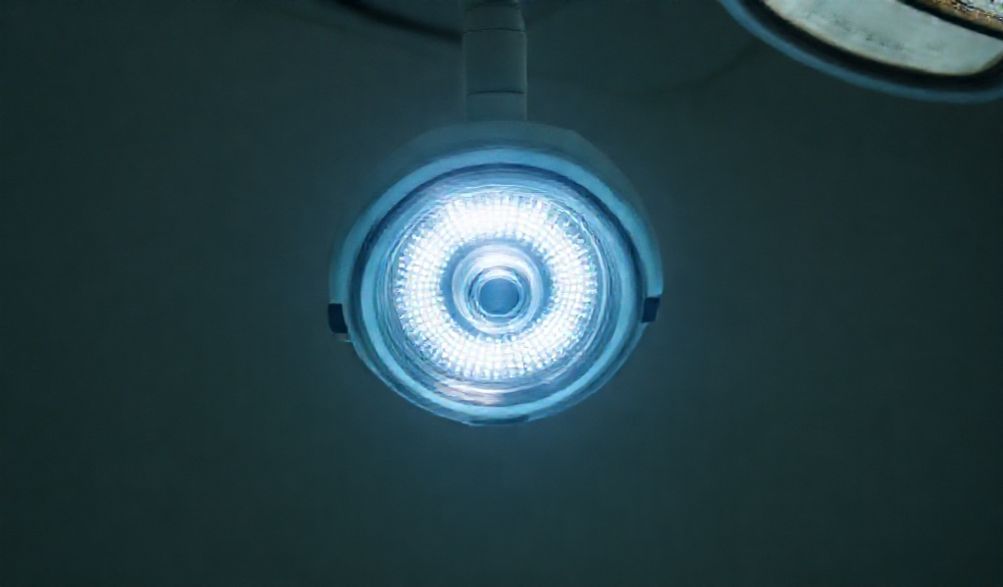
* The Light Head: This is the most visible part, containing an array of multiple LED modules. The specific arrangement and optics of these modules are what create the shadow-reducing effect.
* The Suspension System: Typically a series of balanced arms or a cantilever system, this allows for effortless, sterile positioning of the light head. It must offer smooth, stable movement and remain precisely where placed, without drift.
* The Control Panel: Interfaces can be manual (handles, buttons on the light head) or touchless (infrared sensors, voice control). They allow adjustment of intensity, color temperature (on some models), and focus.
* Additional Integrations: Many contemporary systems may include integrated high-definition cameras for documentation and teaching, or connectivity ports for other devices.
Critical Features of High-Performance Surgical Lights
When evaluating surgeon lights, several technical specifications are non-negotiable. Understanding these features is key to assessing performance.
Shadow Reduction & Depth of Illumination
True “shadow-free” illumination is achieved through clever optical engineering. By using a multipoint light source—often dozens of small LEDs arranged in a specific pattern—the system ensures that if a shadow is cast by the surgeon’s head or hands from one LED, the surrounding LEDs immediately fill it in from a slightly different angle. This is often enhanced by parallel optical paths and parabolic reflectors.
Closely related is Depth of Illumination. This refers to the light’s ability to provide consistent, high-quality illumination not just on the surface, but deep within a surgical cavity (e.g., during abdominal or pelvic surgery). A light with excellent depth of illumination maintains intensity and homogeneity even when focused 20-30 centimeters into the body.
Color Temperature & Color Rendering Index (CRI)
- Color Temperature is measured in Kelvin (K) and describes the hue of “white” light. A range of 4000K to 5000K is standard in surgery, as it mimics natural daylight. This neutral white reduces color distortion and is less fatiguing to the eyes over long periods than warmer (yellower) or cooler (bluer) light.
- Color Rendering Index (CRI) is arguably even more critical. Measured on a scale up to 100, it indicates how accurately a light source reveals the true colors of objects compared to natural light. A CRI of 90 or higher is essential in the OR. It allows surgeons to confidently distinguish between arterial and venous blood, identify subtle changes in tissue viability, and accurately assess organ states. A low CRI can make tissues appear washed out or misleadingly colored.
Luminance & Homogeneity
Luminance refers to the intensity of light, measured in lux (lumens per square meter). Different procedures require different levels; major open surgeries may need 40,000 to 160,000 lux at the center of the field. However, more light isn’t always better. Homogeneity—the evenness of light distribution across the entire illuminated field—is vital. A “hot spot” of extreme intensity in the center with dim edges is problematic. High-performance lights provide a large, uniformly bright field that minimizes dazzling glare and visual strain.
Ergonomics and Sterility
The best light is useless if it’s difficult to position. Ergonomics covers the smooth, fluid movement of the suspension arm, allowing for easy, one-handed adjustment by a sterile team member. Heat management is a major advantage of LEDs; they direct very little infrared radiation downward, keeping the surgical site and the surgical team cooler. Finally, sterility is maintained through design: light heads feature seamless, smooth surfaces with minimal crevices, made of materials that can withstand repeated cleaning and disinfection with harsh hospital-grade chemicals.
Types of Surgical Lighting Systems
Not all operating rooms or procedures require the same lighting solution. The main categories include:
Ceiling-Mounted Surgical Lights
These are the workhorses of the main operating theater. They are permanently installed and offer the highest performance.
* Single-Head Lights: Common for smaller ORs or specialized rooms.
* Dual-Head Lights: The most common configuration, offering redundancy (if one head fails) and the ability to combine light from two angles for ultimate shadow control.
* Multi-Head/Cluster Lights: Used in complex specialties like cardiac or transplant surgery, where multiple surgeons need illumination from different angles.
Surgical Headlights
These are portable, personal systems worn on the surgeon’s head. They provide a highly mobile, focused beam of light that is always aligned with the surgeon’s line of sight. They are indispensable for:
* Minimally invasive procedures (like ENT or spine surgery).
* Dentistry and oral surgery.
* Procedures where large ceiling lights would obstruct the surgical team or equipment.
Specialized Lights for Specific Procedures
- Endoscopy/Laparoscopy Lights: The light source is separate, generating intense light that is channeled through a fiberoptic cable into the body via the scope.
- Dental Operating Lights: Compact, often chair-mounted lights designed to illuminate the oral cavity without shadow from the dentist.
- Examination Lights: Used in minor procedure rooms, emergency departments, or for pre-operative assessments. They are less powerful but highly maneuverable.
How to Choose the Right Surgical Light: A Buyer’s Guide
Selecting a surgeon light is a significant capital investment. A structured evaluation process is crucial.
Assessing Clinical Needs
Start with the surgical specialty. A neurosurgery suite, where deep, narrow cavities are common, will prioritize depth of illumination and perhaps a specific color temperature to enhance contrast on neural tissue. An orthopedic room, with large open incisions, might prioritize a very large, homogeneous light field. Involve the surgeons and nurses who will use the light daily in hands-on demonstrations.
Evaluating OR Infrastructure
A technical assessment of the operating room is mandatory:
* Ceiling Height & Weight Capacity: Ensure the room can physically accommodate the chosen suspension system.
* Power & Data Requirements: Verify electrical supply and consider future needs for networked “smart” lights.
* Integration: Will the light be mounted on a fixed ceiling point, or on a multi-purpose equipment boom? Does it need to coexist with large imaging systems like C-arms?
Budgeting: Initial Cost vs. Total Cost of Ownership
While the initial purchase price is important, the Total Cost of Ownership (TCO) over 10-15 years is a more meaningful metric. Factor in:
* LED Lifespan (50,000-100,000 hours): Eliminates bulb replacement costs and downtime.
* Energy Efficiency: LEDs consume up to 80% less power than halogen systems.
* Maintenance & Service Contracts: Reliable performance depends on scheduled preventive maintenance.
Compliance and Certification
This is non-negotiable. Any surgical light must carry the appropriate regulatory clearances (like FDA clearance in the US or a CE mark in Europe). Crucially, it must comply with the international safety and performance standard for surgical lights: ISO 60601-2-41. This standard defines requirements for light output, heat dissipation, mechanical safety, and electrical safety. Always request and verify certification documents.
Maintenance, Safety, and Best Practices
To ensure longevity and safety, a rigorous maintenance protocol is essential.
Routine Cleaning and Disinfection Protocols
Always follow the manufacturer’s specific instructions for use (IFU). Generally, light heads should be cleaned daily and after every procedure with hospital-approved disinfectants. Use soft cloths to avoid scratching optical surfaces. Never spray liquid directly onto the light; spray the cloth first to prevent moisture ingress into electrical components.
Scheduled Preventive Maintenance
This should be performed annually or per manufacturer schedule by qualified clinical engineering staff or certified technicians. PM checks include:
* Verifying balance and brake function of the suspension arms.
* Checking for smooth, drift-free movement.
* Measuring light output (lux) and color temperature to ensure specifications are still met.
* Inspecting cables, connectors, and controls for wear.
Common Issues and Troubleshooting
Staff should be trained to recognize and report issues, not attempt repairs.
* Flickering or Dim Light: Could indicate a failing LED module or power supply. Report for service.
* Stiff or Drifting Movement: The balance mechanism or bearings may need adjustment.
* Unresponsive Controls: Check for simple issues like a disabled touch sensor, then report.
* Visible Damage or Compromised Sterility Surface: Take the light out of service immediately.
FAQ Section
Q: What is the typical lifespan of an LED surgical light?
A: High-quality LED modules are rated for 50,000 to 100,000 hours of operation. Under typical OR use (10-20 hours per week), this translates to 20-30 years or more, making them a remarkably durable investment with minimal replacement part costs.
Q: How is “shadow-free” illumination actually achieved?
A: It’s an optical illusion created by design. By using dozens of small light sources (LEDs) arranged in a ring or pattern and projecting their light along parallel, overlapping optical paths, shadows are dramatically reduced. When an object blocks the light from one LED, the adjacent LEDs immediately fill the shadowed area from a slightly different angle, effectively eliminating it from the surgeon’s critical field of view.
Q: Can surgical lights be connected to a hospital’s IT network?
A: Yes, many modern “smart” surgical lights offer this capability. Network connectivity can enable remote monitoring of usage and performance, predictive maintenance alerts, integration with OR scheduling systems to automatically configure light presets for different procedures, and centralized control from a nursing station.
Q: What is the most important factor when choosing a light for a new operating room?
A: There is no single most important factor; it requires a balanced needs analysis. The paramount consideration is clinical need (what the surgeons require to perform safely and effectively). This must then be balanced against technical performance (light quality specs), ergonomic usability, infrastructure compatibility, and long-term operational costs. Crucially, clinical staff must be involved in the evaluation process.
Q: Are there specific lights for outpatient or ambulatory surgery centers (ASCs)?
A: Absolutely. Manufacturers offer lines specifically designed for the ASC environment. These lights often feature a more compact design for smaller rooms, faster and simpler positioning for quick turnover between cases, and a cost-optimized profile that still delivers high-performance LED technology and essential safety certifications.
Conclusion
Surgeon lights are far more than simple utilities; they are a foundational, technology-driven component of patient safety and surgical success. They are the enabling technology that allows a surgeon’s skill, knowledge, and judgment to be applied with precision. From the shadow-free field to the color-accurate illumination of delicate tissues, every feature is engineered with a singular goal: to provide the visual clarity necessary for optimal outcomes.
Looking ahead, the future of surgical lighting is intelligent and integrated. We are moving toward adaptive lighting systems that can automatically adjust intensity and color spectrum to optimize visualization for both the human eye and 4K/3D surgical camera systems. Tighter integration with surgical navigation and robotics will further streamline the OR workflow. The surgical light is evolving from an isolated device into a connected node in a data-driven, smart operating room environment.
When it comes time to select or upgrade your surgical lighting, we urge a principled approach. Consult closely with your clinical engineering and biomedical teams. Request live demonstrations from reputable manufacturers in a setting that mimics your OR. Most importantly, prioritize evidence-based technical specifications and long-term value over price alone. This is not just an equipment purchase; it is a critical investment in the quality of care, the efficiency of your team, and the safety of every patient on the table.
p>