
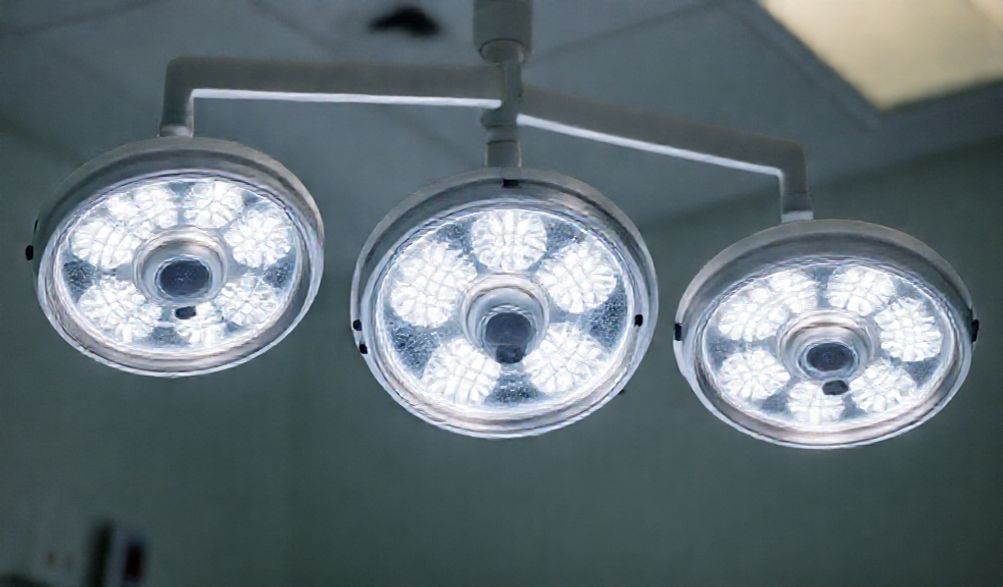
Surgical Lights for Sale: A Comprehensive Buyer’s Guide for Medical Facilities
In the high-stakes environment of the operating room, where millimeters can define success, one element is foundational to every procedure: light. Optimal surgical illumination is not merely a utility; it is a critical component of patient safety, surgical precision, and team performance. A surgeon’s ability to differentiate a delicate nerve from surrounding tissue, to control microvascular bleeding, or to navigate a deep cavity is profoundly dependent on the quality of light falling on the surgical field. Consequently, the decision to purchase new surgical lights represents a significant capital investment in clinical excellence, one that will impact outcomes, workflow, and operational costs for a decade or more.
Navigating the market for surgical lights for sale can be a complex endeavor, filled with technical jargon and competing claims. This guide is designed to cut through the noise. Compiled with insights from industry standards (such as AAMI ST91 and IEC 60601-2-41), clinical requirements, and procurement best practices, our aim is to empower hospital administrators, OR managers, and procurement specialists. We move beyond a simple product listing to provide a structured framework for evaluation, translating clinical needs into actionable technical specifications. You will learn not just what to buy, but how to think about the purchase to ensure a value-driven decision that serves your facility for years to come.
We will explore the fundamental principles of surgical illumination, break down the different types of lights available, provide a detailed checklist of key features, and outline a step-by-step purchasing process. By the end, you will be equipped with the knowledge to lead a confident and informed procurement initiative.
Understanding Surgical Lighting: More Than Just Brightness
Choosing a surgical light based on “brightness” alone is like buying a car based solely on horsepower. While intensity is crucial, it is the nuanced interplay of several optical and ergonomic factors that defines truly exceptional—and safe—surgical lighting.
The Critical Role of Surgical Lights in Modern Medicine
The primary function of a surgical light is to enable visualization, but its impact is multidimensional:
* Surgical Precision: Enhanced visualization reduces ambiguity, allowing for more accurate dissections, suturing, and implant placement. This directly correlates with improved patient outcomes and reduced operative times.
* Team Performance & Safety: High-quality light significantly reduces eye strain and mental fatigue for the entire surgical team. A well-illuminated field with minimal glare allows for prolonged concentration, decreasing the risk of human error.
* Infection Control: Modern lights are designed with seamless, smooth surfaces and minimal crevices that can harbor pathogens. Their ability to be thoroughly and repeatedly disinfected is a non-negotiable feature in maintaining a sterile surgical environment.
Core Technical Principles of Effective Surgical Illumination
To evaluate lights effectively, you must understand the language of illumination.
Illuminance (Lux) and Depth of Field
- Illuminance is the measure of light intensity hitting a surface, expressed in lux. While a common benchmark is 40,000 to 160,000 lux at one meter, the key is homogeneous illuminance—consistent intensity across the entire light field. A “hot spot” in the center with dim edges is problematic.
- Depth of Field refers to the light’s ability to maintain focus and intensity inside deep cavities (e.g., in pelvic or thoracic surgery). A light with poor depth of field will require constant refocusing and repositioning, disrupting surgical flow.
Color Temperature & Rendering (CRI)
- Color Temperature, measured in Kelvins (K), describes the hue of “white” light. “Cool” white (4000K-5000K) is often preferred in surgery for its bright, alert quality, while “warmer” light (around 3500K) can sometimes improve contrast in vascular tissue.
- Color Rendering Index (CRI) is arguably more critical. Measured on a scale of 0-100, it indicates how accurately a light source reveals the true colors of objects compared to natural daylight. A CRI >90 is essential in surgery. It allows the team to reliably distinguish between arterial blood (bright red), venous blood (dark red), fatty tissue (yellow), and various organ tissues, which is vital for safe dissection and hemostasis.
Shadow Management & Homogeneity
Obstructive shadows from surgeons’ heads and hands are a major hindrance. Modern lights manage this through:
* Multi-point Source Design: Instead of a single bulb, lights use an array of many small LEDs (often hundreds) arranged in a specific pattern.
* Shadow Reduction: When a surgeon’s hand blocks some LEDs, the remaining unblocked LEDs from different angles fill in the shadow, dramatically reducing its density. This creates a homogeneous, shadow-controlled field that moves with the surgical team.
Types of Surgical Lights for Sale: Matching Technology to Need
The market offers solutions tailored to different settings, budgets, and surgical specialties. Understanding these categories is the first step in narrowing your search.
LED Surgical Lights: The Modern Standard
Halogen and fluorescent systems are largely obsolete. Light Emitting Diode (LED) technology is now the undisputed standard, and for compelling reasons:
* Energy Efficiency & Longevity: LEDs consume significantly less power and have a rated lifespan of 50,000 hours or more, drastically reducing energy and replacement bulb costs.
* Minimal Heat Radiation: Unlike halogen lights, LEDs emit very little infrared heat. This reduces the risk of tissue desiccation at the surgical site and improves comfort for the surgical team.
* Performance: They offer instant on/off, maintain a consistent color temperature over their lifespan, and allow for precise optical design for superior shadow management.
Ceiling-Mounted vs. Floor-Stand Models
The choice between fixed and mobile systems is fundamental to your OR design and workflow.
Ceiling-Mounted Surgical Lights
Ideal for dedicated, permanent operating rooms.
* Benefits: Maximizes sterile field integrity (no floor stands to contaminate), saves crucial floor space, offers superior stability, and allows for clean integration with other ceiling-mounted services like booms and displays.
* Considerations: Requires structural assessment for installation and is a fixed asset for that room.
Mobile Floor-Stand Lights
Provide essential flexibility for various care settings.
* Benefits: Perfect for multi-purpose procedure rooms, minor ORs, outpatient surgery centers, labor & delivery, or as essential backup lighting in main ORs. They can be moved where needed.
* Considerations: Takes up floor space, has a cable or power cord to manage, and the base can pose a challenge to maintaining a sterile field.
Specialized Surgical Lighting Solutions
Beyond general surgery, specific disciplines have unique requirements:
* Neurosurgery & Spine: Often require lights with exceptionally deep cavity illumination and sometimes dual independent light heads for multiple approach angles.
* ENT & Ophthalmology: Typically use smaller, highly maneuverable lights (often ceiling-mounted on a micro-drape) that can be positioned extremely close to the operative site without obstructing the surgeon.
* Endoscopy: While the endoscope provides internal light, overhead lights are still needed for external incisions and instrument handling. Compatibility with monitor glare is a key factor.
Key Features to Evaluate When Buying Surgical Lights
With the types of lights in mind, use this checklist to compare specific models and brands. Look beyond marketing claims to verified specifications.
Performance Specifications Checklist
Request test reports from the manufacturer to validate these metrics:
* Central & Peripheral Illuminance: Ensure high, homogeneous lux levels across the entire field diameter (e.g., 40,000 lux center, 30,000 lux at 60% field radius).
* Light Field Diameter: Should be easily adjustable (e.g., from 15cm to 30cm at 1m distance) to suit different procedure types from open surgery to microsurgery.
* Certifications: The light must carry relevant medical device certifications (e.g., FDA 510(k), CE Mark, ISO 13485) ensuring it meets safety and performance standards.
Ergonomics and Usability
If the light is difficult or frustrating to use, clinical staff will not use it to its full potential.
* Sterilization & Cleanability: The entire external surface, especially the light head, must be completely seamless, with no screws, gaps, or textured areas. It should withstand harsh hospital-grade disinfectants.
* Handle Design: Handles must be sterilizable (autoclavable or disposable sheath-compatible) and intuitively designed for precise, single-handed positioning. Some offer “fingertip” touch controls for intensity and field size.
* Range of Motion: Evaluate the articulation of the arms—reach, rotation, and ease of movement. Can it easily position over a patient in both supine and lateral positions? Is the movement smooth and free of “droop”?
Durability, Service, and Total Cost of Ownership (TCO)
The purchase price is just the entry point. A holistic view of TCO prevents future budgetary surprises.
* Build Quality: Inspect the materials and feel of the movement. Is it solid and precise, or loose and plastic? The light will endure daily manipulation and cleaning for over a decade.
* Warranty & Service: What is included in the warranty (parts, labor, travel)? What is the typical response time for a service engineer? Is there a local or regional service network?
* Replacement Parts: Inquire about the long-term cost and availability of critical wear items: LED modules, power supplies, handles, and sterile drapes. A low upfront cost can be negated by exorbitant part prices later.
* TCO Calculation: Factor in: Purchase Price + Installation + Expected Energy Savings + Cost of Replacement Parts over 10 years + Service Contract Costs.
The Purchasing Process: A Step-by-Step Guide
A structured, collaborative approach is the surest path to a successful investment.
Step 1: Conduct a Needs Assessment for Your Facility
Do not make this decision in a vacuum. Form a cross-functional team including:
* Surgeons from key specialties (General, Ortho, Neuro, etc.)
* OR Nurses and Scrub Techs
* Biomedical/Clinical Engineering
* Infection Prevention & Control
* Facilities Management (for structural/electrical requirements)
Document: Types and volumes of procedures, physical OR dimensions and layout, ceiling height/type, and specific workflow challenges with current lights.
Step 2: Research Reputable Manufacturers and Suppliers
Look for established companies with a track record in healthcare. Evaluate their Authoritativeness (clinical partnerships, peer-reviewed research, contribution to standards) and Trustworthiness (company history, financial stability, customer testimonials). A supplier should act as a consultant, not just a salesperson.
Step 3: Request Demonstrations and Trial Evaluations
A brochure cannot replace hands-on experience. Insist on an in-situ evaluation.
* Schedule demonstrations in a mock OR or, ideally, a non-active OR.
* Have your surgical team run through a simulated procedure (e.g., with a chicken breast or synthetic model) to test shadow control, depth of field, and ease of positioning.
* Test the sterilization routine with your EVS staff.
Step 4: Analyze Quotes and Finalize the Decision
Create a standardized comparison matrix. Line up each vendor’s proposal against your documented needs and the feature checklist.
* Clarify what is included: Is installation, user training, and initial sterile handles/drapes part of the quote?
* Negotiate service terms and extended warranty options.
* Ensure the final selection is a consensus-driven decision that has addressed the requirements of all key stakeholders.
Frequently Asked Questions (FAQ) About Surgical Lights
Q1: What is the typical lifespan of an LED surgical light, and what fails first?
A: The LED modules themselves are typically rated for 50,000 to 100,000 hours—translating to 15+ years of normal use. The components that often require service first are the mechanical parts (bearings in the arms), the power supply units, or the control electronics. This highlights the importance of serviceability and part availability.
Q2: Can we retrofit our old surgical light with a new LED head?
A: Some manufacturers offer “LED upgrade kits” for their older models. However, this is not a universal solution. A qualified biomedical engineer must evaluate the structural integrity of the existing arms, the compatibility of power and control systems, and—most critically—ensure that the retrofitted light will still meet all current electrical safety and performance certifications. A new ceiling mount is often recommended.
Q3: How important are proprietary sterile handles versus universal ones?
A: Proprietary handles are often ergonomically optimized for that specific light, with integrated controls. However, they can lock you into a single supplier and may be more expensive. Universal handles offer flexibility and potentially lower cost but may not offer the same seamless integration or feel. Evaluate the long-term cost and supply chain security of the handle system.
Q4: What are the most common mistakes facilities make when purchasing surgical lights?
A: The top pitfalls are: 1) Choosing based on price alone, ignoring TCO and performance. 2) Failing to involve surgeons and nurses in the evaluation, leading to poor adoption. 3) Overlooking service logistics—a great light is useless if it takes weeks to get a technician. 4) Underestimating the clinical importance of high CRI and effective shadow reduction, settling for inferior light quality.
Conclusion
Selecting the right surgical lights is a strategic decision that resonates through every layer of your facility’s clinical and operational fabric. It is an investment in precision that enhances patient safety, a tool that preserves the well-being and efficiency of your surgical staff, and a capital asset with a long-term financial impact.
This guide has provided the framework to move forward with confidence. The cornerstone of a successful purchase remains thorough research, hands-on clinical validation, and a partnership with a reputable, experienced supplier who understands the gravity of your work in the OR.
Ready to illuminate your path forward? Use this guide as the foundation for your next procurement committee meeting. For a detailed, printable specification checklist to compare vendors, or to schedule a live, clinical-focused demonstration tailored to your specific surgical specialties, contact our team of specialists today. Let’s ensure your next investment in light is a beacon for excellence in care.
p>