
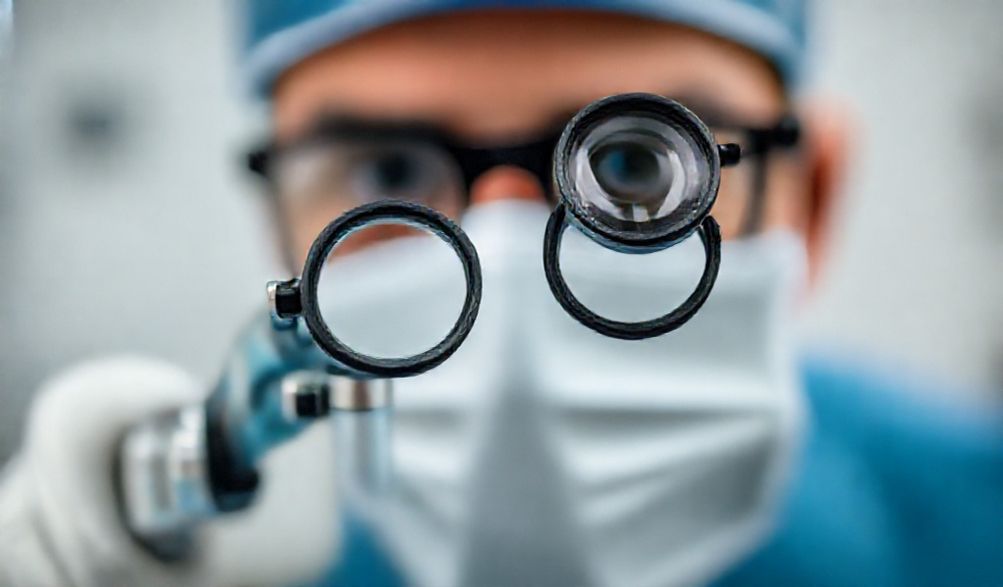
Surgical Loupes Price Guide: A Surgeon’s 2024 Cost & Value Analysis
You’ve felt it at the end of a long case: that familiar ache creeping up your neck and shoulders. Or perhaps you’re leaning in just a little too close, straining for a clearer view of the surgical field. Maybe your current loupes are simply outdated, and you know the technology—and your outcomes—could be better. As you consider an upgrade or your first purchase, one question inevitably surfaces: How much should I expect to pay?
The price tag on surgical loupes can be startling, ranging from a few hundred to several thousand dollars. It’s a significant investment, and the sheer range can be confusing. Is a $5,000 system really ten times “better” than a $500 one? This guide is designed to demystify that cost. We’ll move beyond the sticker shock to break down what you’re truly paying for—from the physics of the optics to the ergonomics that protect your body. Our goal is to transform your purchase from a simple expense into a strategic, value-driven investment in your surgical precision and career longevity.
This analysis is built on a foundation of Experience, Expertise, Authoritativeness, and Trustworthiness (E-E-A-T), synthesizing current manufacturer specifications, insights from seasoned surgical instrument specialists, and a clear-eyed look at long-term professional value over mere upfront cost.
The core thesis is simple: The price of surgical loupes is not just a number; it’s a direct reflection of optical quality, custom ergonomic design, and durability that tangibly impacts your surgical outcomes, your physical well-being, and the longevity of your career.
What Determines the Price of Surgical Loupes? (The Value Breakdown)
To understand the price, you must understand the components of value. You’re not buying a commodity; you’re commissioning a custom optical tool. The cost is a sum of its sophisticated parts.
Optical System & Magnification Level
This is the heart of the system and the primary cost driver.
- Galilean vs. Prismatic (Keplerian) Designs: This is the fundamental split. Galilean systems use a simpler arrangement of lenses. They are lighter, more compact, and less expensive, but they typically max out at around 3.5x magnification and have a narrower field of view and shorter depth of field. Prismatic systems use a more complex series of prisms to fold the light path. They are the premium option, capable of higher magnifications (4.5x and beyond) with a dramatically wider, flatter, and more immersive field of view. This superior optical engineering comes at a higher cost.
- Magnification Power: As magnification increases, so does optical complexity and the precision required in manufacturing. A jump from 2.5x to 3.5x, and again to 4.5x or 5.5x, involves progressively more advanced lens systems to maintain clarity and light transmission, which increases price.
- Lens Quality & Coatings: Not all glass is created equal. Premium lenses offer exceptional clarity with minimal distortion. Coatings are critical: anti-reflective coatings maximize light transmission and reduce glare; anti-fog coatings are essential for maintaining visibility; and scratch-resistant coatings protect your investment. Each added layer of performance adds to the cost.
Customization & Ergonomics
A loupe that doesn’t fit is worse than useless—it’s harmful. The price includes the expertise and manufacturing required to make them uniquely yours.
- Precision Measurements: The single most important process is the accurate measurement of your Working Distance (the space from your eye to the surgical field) and Declination Angle (how far down your eyes naturally look through the lenses). An improper measurement leads to poor posture. This bespoke service, often done by a trained representative, is factored into the cost of quality systems.
- Frame Options: Prices escalate with customization. Generic, adjustable frames are the most affordable. Custom-fit frames, molded or adjusted to your facial anatomy, offer superior stability and comfort at a higher tier. Through-the-Lens (TTL) designs, where the optical barrels are permanently fixed to the lens in the optimal position, represent the pinnacle of custom integration and command a premium.
- Comfort Engineering: Weight distribution is key. Systems with counterweights, padded temple tips, adjustable nose bridges, and lightweight composite materials are engineered for all-day comfort. This ergonomic R&D and the use of advanced materials add value and cost.
Integrated Technology & Add-Ons
Modern loupes are often the hub of a digital surgical ecosystem.
- Integrated Surgical Headlights: Adding a light source is a significant price jump. Factors include the type (older halogen vs. modern, cool-running LED), brightness (measured in lux or lumens), color temperature (affecting tissue differentiation), and battery life/type. A premium, coaxial LED headlight that perfectly aligns with your line of sight is a major investment.
- Camera & Video Capabilities: The ability to mount a high-definition camera or video system for documentation, teaching, or telemedicine requires reinforced frames, specific mounting points, and sometimes optical path splitting. This integration adds complexity and cost.
- Digital Integration: The frontier now includes wireless connectivity to monitors, image overlay systems, and compatibility with surgical software platforms. This “smart loupe” technology carries a substantial premium.
Surgical Loupes Price Ranges: What to Expect in 2024
Use this as a general guide. Final pricing is highly individualized and requires a professional consultation. All prices are in USD.
Entry-Level / Basic Galilean Systems
- Typical Price Range: $800 – $1,800
- Best For: Students, first-time buyers, or professionals in fields requiring lower magnification (e.g., some general dentistry, veterinary procedures, introductory surgical training).
- What’s Typically Included: Basic Galilean optics (2.5x-3.5x), a standard, adjustable frame, and a fundamental working distance measurement. An integrated headlight is usually an extra-cost add-on.
Mid-Range / Advanced Prismatic Systems
- Typical Price Range: $2,000 – $4,500
- Best For: The majority of practicing surgeons, dentists, and specialists (e.g., periodontists, oral surgeons, orthopedic surgeons) who require higher magnification, a wider field of view, and robust ergonomics for daily use.
- What’s Typically Included: High-quality prismatic (Keplerian) optics (3.5x-4.5x), a better degree of frame customization (often TTL), a professional fitting session, and frequently a bundled basic or mid-tier LED headlight.
High-End / Fully Integrated Systems
- Typical Price Range: $4,500 – $12,000+
- Best For: Microsurgeons (e.g., neuro, ophthalmic, plastic/reconstructive), specialists requiring ultra-high magnification (5.5x+), and early adopters seeking the absolute best optics and fully integrated digital operating rooms.
- What’s Typically Included: Top-tier expanded-field prismatic optics, full custom ergonomics (TTL with custom frames), a premium coaxial or dual-point LED headlight system, camera/video mounting integration, and potentially wireless streaming capabilities.
The Hidden Costs (and Savings) of Owning Surgical Loupes
The initial purchase price is only part of the financial picture. A true value analysis considers the total cost of ownership.
Upfront vs. Long-Term Cost
Think in terms of cost-per-procedure. A $4,000 loupe used over 2,000 procedures in 8 years costs $2 per procedure. A cheaper, uncomfortable $1,500 loupe you stop using after a year offers zero value. Durability and warranty are direct value indicators. A reputable brand offering a 5-year or lifetime warranty on optics is betting on its quality and saving you future repair costs.
Essential Accessories & Recurring Costs
Budget for the ecosystem:
* Headlight Power: Rechargeable battery packs have a finite lifespan (2-3 years). Replacement costs can be $100-$300 each.
* Light Source: While LEDs last tens of thousands of hours, they are not immortal. Replacement LED modules or bulbs are an eventual cost.
* Maintenance: Professional cleaning, re-tensioning of frames, and lens re-coating services (every few years for heavy users) incur fees. A dropped loupe can mean a costly optical realignment or repair.
* Prescription Inserts: If you wear glasses, custom prescription lens inserts are an additional, necessary cost for optimal vision.
The True Cost of a Poor Fit: Avoiding Injury
This is the most critical hidden cost, and it’s not just financial. Poorly fitted loupes are a primary contributor to work-related musculoskeletal disorders (MSDs) among surgeons and dentists. Chronic neck and back pain, cervical strain, and even early career attrition can result from constantly compensating for an improper declination angle or working distance.
The potential “cost” here includes pain, reduced surgical performance, missed work, and the expense of physical therapy or treatment. In this light, the investment in a comprehensive, professional fitting session—which is often “free” with purchase from a quality provider—is arguably the most valuable part of the transaction, acting as insurance against career-limiting injury.
How to Get the Best Value for Your Investment
Value isn’t about finding the cheapest option; it’s about maximizing the return on your investment. Here’s how to be a savvy buyer.
Prioritize a Professional In-Person Fitting (Non-Negotiable)
A perfect price online is a liability if the fit is wrong. Insist on a live fitting. A skilled fitter will assess your natural posture, discuss your most common procedures, measure your interpupillary distance, and meticulously determine your working distance and declination angle while you simulate a working position. This service is the cornerstone of value.
Ask the Right Questions Before You Buy
Come to your consultation prepared. Ask:
* “What is the exact warranty coverage? What is excluded?”
* “What is the repair process, average turnaround time, and typical cost for common issues like frame repair or optical misalignment?”
* “Can this system be upgraded in the future (e.g., adding a higher magnification lens or a new headlight) without replacing the entire unit?”
* “What training and ongoing support do you provide?”
Evaluate Financing, Bundles, and Professional Discounts
- Financing: Many manufacturers and third-party vendors offer low- or no-interest financing plans, making a premium system more accessible by spreading the cost over time.
- Bundles: Purchasing a loupe, headlight, and camera mount together as a package almost always offers a better value than buying each component à la carte.
- Discounts: Inquire aggressively about student/resident programs, institutional purchase agreements (for hospitals or group practices), and loyalty discounts if you’re upgrading from the same brand.
Frequently Asked Questions (FAQ)
Q: Can I buy cheap surgical loupes online?
A: You can, but it carries high risk. The critical lack of professional fitting can lead to physical strain and subpar optics that cause eye fatigue. You are investing in a primary tool for your profession and your body’s health. Expert fitting is not an optional extra; it’s a requirement for safety and performance.
Q: Are more expensive loupes always better?
A: Not “better” in a universal sense, but “more capable” for specific tasks. A $10,000 microsurgery system is over-engineered and uncomfortable for a general dentist doing exams. The best loupes are the ones that perfectly match your specific clinical needs, magnification requirements, and physical ergonomics—not necessarily the most expensive ones.
Q: How long do surgical loupes typically last?
A: With proper care, the core optical system of a quality pair can last 7-15 years or more. The frames, hinges, and light sources are more likely to need maintenance or replacement within that timeframe. Durability is a key reason to invest in a reputable brand.
Q: Does insurance cover the cost of surgical loupes?
A: It varies. They are rarely covered by health insurance. However, they are almost always considered a tax-deductible professional tool or business expense. Some professional liability or business equipment policies may offer allowances. Always consult with your accountant and insurance provider for guidance specific to your situation.
Q: What is the single most important factor beyond price?
A: Fit and Comfort. This cannot be overstated. A perfectly fitted mid-range loupe will provide infinitely more value—in terms of surgical outcomes, focus, and physical preservation—than an ill-fitting premium loupe that sits in a drawer. Comfort directly translates to precision, endurance, and career longevity.
Conclusion
Navigating the world of surgical loupes prices requires looking beyond the initial number. As we’ve explored, that price is a composite of advanced optical engineering, life-altering ergonomic customization, and durable construction designed to serve you for a decade or more. It is an investment not in a device, but in your clinical capability, your surgical outcomes, and your own physical well-being.
Therefore, the final recommendation is clear: Start your journey with a clinical needs assessment and a commitment to a professional fitting session. Let your procedure requirements and anatomical needs guide you to the appropriate tier of technology, rather than fixating on a budget first. The right partner—a knowledgeable, certified loupes provider—is as important as the product they offer.
Take the next step with your newfound knowledge. Schedule a consultation with a certified loupes provider to discuss your specific procedures and get an accurate, personalized quote. Your neck, your eyes, your patients, and your future self will thank you for making a value-driven investment in the tool that defines your view of excellence.
p>