
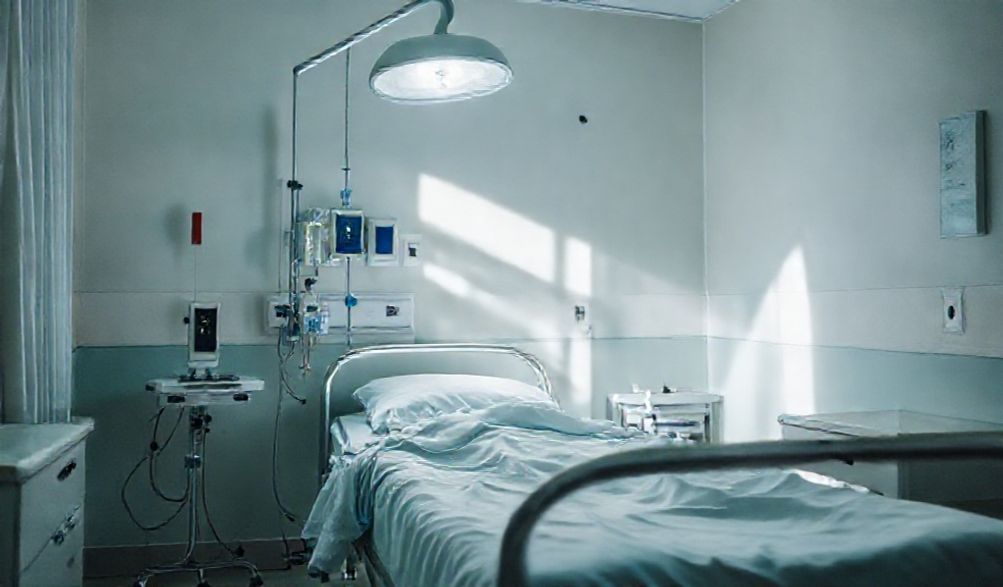
Hospital Bed Lights: A Comprehensive Guide to Safety, Features, and Selection
In the intricate ecosystem of a healthcare facility, every detail matters. From advanced imaging systems to the humble handrail, each element is designed with a singular purpose: to promote healing, ensure safety, and support clinical excellence. Often overlooked in this high-stakes environment is a piece of equipment that sits at the very heart of patient care—the hospital bed light. Far more than a simple fixture to banish darkness, the modern hospital bed light is a sophisticated clinical tool, a psychological aid, and a critical component of staff workflow. Its impact resonates through patient recovery rates, caregiver accuracy, and overall room safety.
This guide is designed to be the definitive resource for those responsible for specifying, procuring, and utilizing these vital assets. Whether you are a healthcare facility manager optimizing a new wing, a procurement specialist evaluating vendor bids, a nurse manager advocating for better tools, or a home caregiver seeking safe solutions, understanding the nuances of hospital bed lighting is essential. We will move beyond basic specifications to explore the clinical evidence behind lighting choices, break down the technical features that matter most, and provide a practical framework for selection and maintenance, all grounded in the highest standards of safety and patient-centered care.
The Critical Role of Lighting in Patient Care and Recovery
Light is a fundamental biological regulator. In a hospital setting, where patients are at their most vulnerable, the quality, quantity, and character of light can significantly influence health outcomes. The right lighting does more than illuminate; it heals, protects, and empowers.
Impact on Patient Well-being and Circadian Rhythms
The human body operates on a 24-hour circadian rhythm, governed largely by exposure to light and darkness. Hospital environments, with their 24/7 activity and often static, harsh lighting, can severely disrupt this natural cycle. This disruption is linked to increased rates of delirium, sleep deprivation, longer hospital stays, and poorer pain management.
Modern hospital bed lights address this directly through adjustable color temperature and intensity. Mimicking the natural progression of daylight, these lights can provide cooler, brighter light (5000K-6500K) during daytime hours to promote alertness and mood, then gradually shift to warmer, dimmer tones (2700K-3000K) in the evening to stimulate melatonin production and prepare the body for rest. This “human-centric” or “circadian” lighting strategy is not a luxury; it’s a non-pharmacological intervention that supports mental health, stabilizes sleep patterns, and can contribute to a faster, more comfortable recovery.
Enhancing Medical Staff Accuracy and Efficiency
For clinicians, every visual detail is a data point. A successful IV insertion, accurate wound assessment, or subtle detection of a change in skin color (cyanosis, jaundice, pallor) depends on clear, true-to-life illumination. This is where technical lighting specifications become clinical imperatives.
- High Color Rendering Index (CRI): A CRI of 90+ (on a scale of 0-100) is considered essential for clinical tasks. A high CRI ensures that colors are rendered accurately. A lower CRI can make it difficult to distinguish between shades of red in a wound bed or detect the subtle blue of venous blood, potentially leading to assessment errors.
- Shadow Reduction & Uniformity: Effective bed lights are engineered to minimize harsh shadows cast by the caregiver’s head and hands. This is achieved through thoughtful optical design, often using diffusers or multiple LED points to create even, “shadow-free” illumination over the patient’s torso—the primary examination zone.
- Focused Task Lighting: The ability to direct a concentrated beam of light onto a specific small area (like a suture site) without flooding the entire room and disturbing the patient is a key feature that enhances procedural precision and efficiency.
Safety and Fall Prevention
Patient mobility is encouraged for recovery, but navigating an unfamiliar room at night poses a significant fall risk—a major concern in healthcare. Integrated, low-glare night lights built into the bed light or its base provide a solution. These dedicated, ultra-dim LEDs (often with a warm color temperature) cast a soft glow on the floor, illuminating a safe pathway from the bed to the bathroom without triggering a full “awakening” light response in the patient or their roommate. This simple feature is a profound enhancement to patient autonomy and safety.
Key Features and Technical Specifications to Evaluate
Selecting a hospital bed light requires a discerning eye for specifications that translate into real-world performance and durability. Here are the core metrics and features to scrutinize.
Lighting Quality & Performance Metrics
- Luminous Flux (Lumens): This measures the total quantity of visible light emitted. For a general examination area over a bed, look for lights offering a range of 500 to 3000+ lumens, allowing for both gentle ambient light and bright task lighting.
- Color Temperature (Kelvin – K): Adjustability is key. A range from 2700K (warm white) to 5000K (cool daylight) allows staff to match the light to the task and supports patient circadian rhythms.
- Color Rendering Index (CRI): As noted, insist on a CRI of 90 or higher for any light used in patient assessment or procedures.
- Dimming: Smooth, continuous dimming from 100% down to 1% or less is essential for patient comfort and creating a restful environment. Ensure the dimming mechanism is flicker-free to prevent headaches and eye strain.
Mechanical Design and Durability
A hospital light must withstand a demanding environment: frequent adjustments, constant cleaning with harsh chemicals, and potential impacts.
- Articulation & Reach: The light arm should have a wide range of motion (multiple pivot points) and sufficient length to position the light head directly over the patient, regardless of bed height or position. Look for counterbalanced arms that stay securely in place once set.
- Materials: Housing should be made of medical-grade polymers that are chemical-resistant and non-yellowing, or stainless steel for high-touch areas. All surfaces must be seamless and easy to clean.
- Ease of Cleaning: The design should have no crevices, seams, or textured surfaces where pathogens can hide. A smooth, monolithic design is ideal for rapid disinfection.
Compliance and Safety Standards
This is non-negotiable. Hospital bed lights are medical electrical equipment and must comply with stringent international safety standards.
- Electrical Safety: Certification to UL 60601-1 (U.S.) and/or IEC 60601-1 (International) is mandatory. This ensures protection against electric shock, mechanical hazards, and excessive radiation.
- IP Rating: The Ingress Protection rating indicates resistance to solids and liquids. For lights in patient rooms, an IP44 rating (protection from splashing water from any direction) is often sufficient. For areas with more aggressive cleaning or moisture, a higher rating like IP54 may be required.
- FDA Registration: In the United States, manufacturers of these devices must list them with the FDA, providing another layer of regulatory oversight.
Types of Hospital Bed Lights and Their Applications
The “one-size-fits-all” approach doesn’t work in healthcare lighting. Different settings demand different solutions.
Integrated Bed-Mounted Lights
These are the most common type, physically attached to the headboard or footboard of the patient bed.
* Pros: Space-saving, always in the correct position relative to the patient, and typically wired directly into the bed’s electrical system or a nearby column. They are cost-effective for standard inpatient rooms.
* Cons: They move with the bed, which can be a limitation in tight spaces. If the bed is replaced, the light often is too.
* Best For: General medical-surgical rooms, postpartum suites, and standard patient rooms.
Wall-Mounted or Ceiling-Mounted Examination Lights
These are fixed to the wall or ceiling but feature a long, highly articulated arm to position the light over the bed.
* Pros: Extremely stable, offer a very wide range of motion, and are independent of the bed itself. Higher-end models can rival surgical lights in intensity and color quality.
* Cons: Require more complex installation and careful planning regarding bed placement. Generally a higher upfront cost.
* Best For: Critical care settings (ICUs, CCUs), step-down units, emergency department bays, and any room where complex procedures are routinely performed at the bedside.
Portable and Task-Specific Examination Lights
These supplement the primary bed light.
* Handheld Penlights: For neurological checks (pupil response) and examining small areas.
* Clip-On or Gooseneck Lights: Can be attached to bed rails or IV poles to provide highly localized, direct light for procedures like central line dressing changes.
* Best For: Providing targeted, supplemental illumination across all care settings.
A Step-by-Step Guide to Selecting the Right Bed Light
Making an informed decision requires a structured evaluation that balances clinical needs, practical constraints, and long-term value.
Assessing Clinical Needs and Room Layout
Start by consulting the end-users—the clinical staff. Ask:
1. What are the most common procedures performed at the bedside? (Wound care, IV starts, physical assessments?)
2. What is the typical room configuration? Private vs. shared? Where are the beds positioned?
3. What are the pain points with current lighting? (Glare, shadows, insufficient brightness, difficult to clean?)
The answers will dictate the required light output, CRI, and articulation needs.
Budgeting and Total Cost of Ownership (TCO)
The cheapest upfront option is rarely the most economical. Consider:
* Longevity: LED lights with a rated lifespan of 50,000 to 100,000 hours will last for years, eliminating frequent bulb replacements.
* Energy Efficiency: LEDs consume significantly less power than halogen or fluorescent predecessors, reducing operational costs.
* Durability & Maintenance: A well-built light that withstands cleaning and use will have lower repair and replacement costs over a 10-year period than a cheaper, less robust model.
Vendor Selection and Installation Considerations
- Reputation & Support: Choose manufacturers with a proven track record in healthcare. Evaluate their warranty terms and the responsiveness of their technical support.
- Installation: Plan for professional installation by electricians certified in hospital environments. Proper installation is critical for safety, compliance (NEC codes), and ensuring the light functions as intended. Verify if the vendor provides installation services or certified partners.
Installation, Maintenance, and Best Practices
Proper stewardship of this equipment ensures it performs safely and effectively for its entire lifespan.
Professional Installation for Safety and Compliance
Never treat installation as an afterthought. Hospital-grade electrical work must meet National Electrical Code (NEC) requirements for healthcare facilities, which include specific rules for grounding and emergency power systems. A certified installer will ensure the light is securely mounted, correctly wired, and integrated with any room control systems.
Routine Cleaning and Disinfection Protocols
Follow the manufacturer’s Instructions for Use (IFU) precisely. General best practices include:
* Use hospital-grade, EPA-registered disinfectants compatible with the light’s materials.
* Apply disinfectant with a soft, non-abrasive cloth. Avoid spray bottles that can force moisture into seams or electrical components.
* Clean the light head, arm, and all controls regularly as part of the terminal cleaning process for a patient room.
Troubleshooting Common Issues
- Flickering: Usually indicates a failing LED driver or a loose connection. Contact facility engineering.
- Stiff or Drooping Arm: The gas spring or counterbalance mechanism may be failing. This is a repair for the vendor or a qualified technician.
- Switch/Control Failure: Do not attempt to repair electrical components. Isolate the light and report it to biomedical engineering or the vendor.
FAQ Section
What is the typical lifespan of an LED hospital bed light?
Modern LED fixtures are rated for 50,000 to 100,000 hours of use. However, lifespan can be affected by usage cycles (constant on/off), environmental factors like heat, and the quality of the internal components like the LED driver. Proper thermal management in the design is key to achieving the rated life.
Can hospital bed lights be used in home care settings?
Yes, but with important considerations. While the high quality and adjustability are beneficial, the full medical-grade certifications (UL 60601-1) and complex installation of institutional models may be overkill. Many manufacturers offer “home care” versions of their lights that are easier to install (plug-in) and maintain while still offering excellent clinical-grade light quality and durability.
How do I clean a hospital bed light without damaging it?
Always refer to the manufacturer’s IFU first. The universal rules are: 1) Use the mildest effective disinfectant, 2) Apply with a soft cloth—don’t spray directly onto the fixture, 3) Ensure the light is cool and powered off before cleaning, and 4) Never use abrasive pads or harsh solvents like acetone.
Are there smart or connected hospital bed lights?
Yes, this is a growing trend. “Smart” features can include integration with the nurse call system (automatically turning on when a call is placed), programmable circadian rhythm cycles that adjust automatically, touchless activation via motion sensors, and connectivity to building management systems for energy savings. When evaluating these, consider data security, network infrastructure needs, and whether the complexity adds tangible clinical value for your facility.
Conclusion
Selecting a hospital bed light is a decision that carries weight far beyond simple illumination. It is an investment in patient healing, staff capability, and facility safety. By prioritizing clinical needs—supported by an understanding of circadian science, color accuracy, and ergonomic design—and insisting on rigorous safety certifications and durable construction, you procure more than a fixture; you integrate a vital tool for care.
Let this guide serve as your benchmark. Use it to ask informed questions of vendors, to evaluate specifications with a clinical eye, and to champion solutions that truly meet the needs of both patients and caregivers. Always involve nursing staff and facilities engineers in the final selection process. As healthcare continues to evolve, lighting will increasingly become an intelligent, integrated, and deeply patient-centric element of the healing environment, and the choices we make today lay the foundation for that future.
p>