
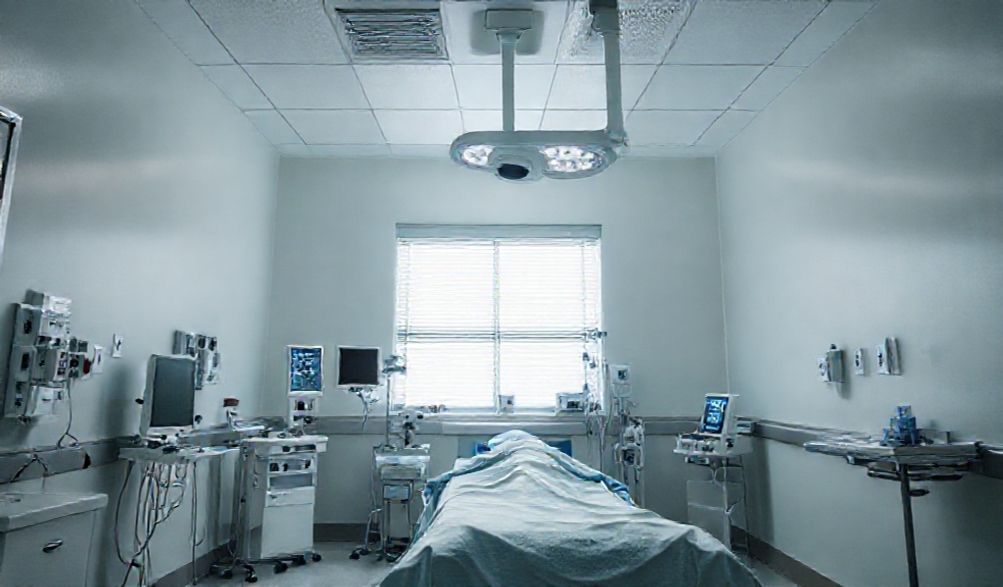
The Complete Guide to Patient Room Lighting: Enhancing Healing, Comfort, and Safety
Introduction
Hospitalization is a profoundly stressful experience. Amidst the clinical routines, unfamiliar sounds, and emotional turbulence, the physical environment itself can either exacerbate anxiety or become a sanctuary for recovery. Often overlooked in this environment is one of the most fundamental elements of our daily existence: light. We instinctively seek sunlight for warmth and dim the lights for rest, yet in healthcare settings, lighting is frequently reduced to a simple, functional afterthought—harsh, static, and patient-antagonistic.
This is a critical oversight. Light is not merely for vision; it is a potent biological and psychological signal. The right lighting can soothe anxiety, reinforce natural sleep-wake cycles, reduce pain perception, and even shorten recovery time. The wrong lighting can contribute to delirium, depression, sleep disruption, and a pervasive sense of helplessness.
This comprehensive guide moves beyond the basic switch. We will explore patient room lighting from its foundational science to its practical application, synthesizing expertise from clinical research, healthcare design standards, and patient-lived experience. Our goal is to provide authoritative, actionable advice for patients, families, and caregivers, empowering you to advocate for and implement lighting solutions that actively support the healing journey. We will cover the compelling science of how light affects the body and mind, break down the essential layers of effective lighting design, offer key considerations for safety and control, and answer common practical questions. Consider this your roadmap to transforming light from a utility into a therapeutic tool.
The Science of Light and Healing: More Than Just Illumination
In the realm of evidence-based design (EBD)—a field dedicated to creating healthcare environments that improve outcomes—light is recognized as a primary environmental intervention. Its impact is not subjective; it is physiological, wired into our very biology.
Circadian Rhythms and Hospital Recovery
At the core of light’s power is its role as the primary zeitgeber (time-giver) for our circadian system—the internal 24-hour clock regulating sleep, hormone release, body temperature, and metabolism. Specialized cells in our eyes detect light, particularly blue-wavelength light, and send signals to the brain’s suprachiasmatic nucleus (SCN), the master clock.
In a hospital, this delicate system is under siege. Patients are exposed to irregular light patterns: bright overhead lights at night for checks, dim rooms during the day, and a lack of strong, bright light in the morning. This circadian disruption has documented consequences:
* Sleep Fragmentation: Disrupted melatonin production leads to poor sleep quality, which is essential for tissue repair and immune function.
* Mood Disturbances: Linked to increased rates of depression and anxiety in hospitalized patients.
* Impaired Immune Function: Circadian rhythms regulate immune responses; their disruption can slow healing.
* Increased Pain Perception: Fatigue and poor sleep lower pain thresholds.
* Delirium: Studies, including those published in JAMA Internal Medicine, have strongly associated circadian disruption with a higher incidence of hospital-acquired delirium, especially in older adults.
Conversely, circadian-effective lighting—mimicking the dynamic pattern of natural daylight—has been shown to reduce agitation, improve sleep efficiency, and even correlate with shorter lengths of stay. It helps anchor a patient’s biological reality in a disorienting environment.
Psychological and Physiological Effects
Beyond circadian rhythms, light exerts direct psychological and physiological effects:
* Mood Regulation: Bright light therapy is a first-line treatment for Seasonal Affective Disorder (SAD). The same principle applies in a patient room. Adequate, bright light during daytime hours can combat the low mood and fatigue common during illness.
* Reducing Strain and Anxiety: Glare from windows or uncovered fixtures causes visual strain, headaches, and can trigger or worsen anxiety. Soft, diffused lighting feels safer and more calming.
* Wayfinding and Orientation: For patients, especially the elderly or those with cognitive impairments, consistent and adequate lighting is crucial for spatial orientation. It helps them identify the bathroom door, see the call button, and navigate their room safely, reducing fear and confusion.
Essential Layers of Patient Room Lighting Design
Applying this science requires moving beyond a single overhead fixture. Thoughtful lighting design employs multiple layers, each serving a distinct purpose. This layered approach is standard in modern healthcare design for good reason.
Ambient (General) Lighting: The Foundation
This is the base layer that provides overall illumination for safety and general movement. The goal is even, shadow-reduced light that avoids a cave-like or, conversely, a starkly clinical feel.
* Quality over Intensity: It should be diffuse and indirect where possible. Uplighting that washes the ceiling or wall-mounted sconces that bounce light off surfaces prevent glare for bed-bound patients staring at the ceiling.
* Color Temperature Dynamics: During daytime hours, cooler color temperatures (3500K-5000K) promote alertness and align with circadian cues. In the evening, the ambient light should shift to warmer tones (2700K-3000K) to signal the body to wind down.
* Non-Negotiable Dimmability: The ability to finely tune the brightness of ambient light is essential for accommodating patient preference, time of day, and specific activities.
Task Lighting: For Precision and Personal Control
This layer serves specific activities and is the most tangible point of patient interaction.
* Patient-Centric Task Lights: A bedside reading light should be independently controlled by the patient. Look for features like a long, adjustable arm, a focused beam that doesn’t disturb a roommate, and simple controls (large buttons, touch sensors, or a remote).
* Clinician-Centric Task Lights: Examination lights are medical tools. They require a high Color Rendering Index (CRI >90) to ensure clinicians see true tissue colors for accurate assessment. They must be positionable and bright without generating excessive heat.
* Separation of Functions: A patient trying to read should not have to blast the room with an exam light. Dedicated fixtures for each task are ideal.
Accent and Therapeutic Lighting
This layer addresses emotional well-being and advanced therapeutic goals.
* Humanizing the Space: A small, warm decorative lamp or a directed light on a piece of art can soften the sterile environment, making a room feel more personal and less institutional.
* Circadian Lighting Systems: The pinnacle of therapeutic design, these automated systems change intensity and color temperature throughout the day, simulating a natural sunrise, bright midday, warm afternoon, and sunset. They are powerful tools for regulating sleep-wake cycles.
* Virtual Windows: For interior rooms, LED panels that display slowly changing natural scenes (e.g., a meadow, clouds) can provide a psychological connection to the outdoors and a focal point for relaxation.
* Colored Light Therapies: Note: These should only be used under specific medical direction. Certain wavelengths (like blue for jaundice in newborns, or red for some tissue healing) have clinical applications, but are not for general use.
Key Considerations for Choosing and Using Patient Room Lights
Whether you’re in a hospital or setting up a room at home, practical, safety-first principles must guide all decisions.
Safety and Accessibility are Paramount
In a care environment, every detail must be vetted for risk.
* Electrical & Physical Safety: In hospitals, lights must be UL-listed for medical use. For home, ensure quality fixtures. Surfaces should remain cool to the touch. All fixtures must be securely mounted. Cords must be managed against walls or under carpets with proper covers to eliminate tripping hazards—a major concern.
* Accessible Controls: Control is useless if it can’t be operated. Switches should be large paddles or touch-sensitive. Consider voice-activated controls (via smart home systems) or bedside remotes for patients with limited dexterity, arthritis, or weakness. The call button should always be independently and brilliantly illuminated.
Patient-Centric Features and Control
Restoring a sense of autonomy is a powerful part of healing. Lighting control is a key avenue for this.
* The Power of Choice: Allowing a patient to dim their own light or turn on a reading lamp without calling a nurse reduces feelings of helplessness and increases comfort.
* Lighting “Scenes”: Advanced systems offer presets: “Reading” (bright, focused), “Sleep” (very dim, warm nightlight), “Exam” (bright, high-CRI overhead), and “Relax” (low, warm ambient). This simplifies control.
* Nighttime Safety Lighting: Complete darkness is dangerous. Low-level, warm-colored path lighting (e.g., from under the bed or baseboard guides) should illuminate the route to the bathroom without disrupting sleep cycles. Red-spectrum nightlights are less melatonin-suppressive.
Navigating the Hospital vs. Home Care Setting
Your agency and options differ by setting.
* For Inpatient Rooms: You are an advocate. Ask questions: “Is the lighting dimmable? Can I control the main light from the bed? Do you have blackout curtains? Is there a reading light I can use independently?” Expressing needs can often lead to simple solutions, like repositioning the bed or providing a different lamp.
* For Home Care/Home Hospice: You have more flexibility. Adapt existing lighting:
* Install plug-in dimmer switches for table and floor lamps.
* Use smart bulbs (like Philips Hue or similar) in existing fixtures to program color temperature changes and dimming schedules.
* Add adjustable-arm floor lamps for targeted task light.
* Ensure nightlights are in all necessary pathways.
* Use timers to automate a “sunrise” wake-up signal.
Frequently Asked Questions (FAQ)
Q1: What is the best color temperature for a patient’s room?
A: It’s dynamic. For promoting daytime alertness and supporting circadian rhythms, aim for cooler white light (3500K-5000K). For evening relaxation and sleep preparation, switch to warmer, dimmer light (2700K-3000K). The ideal solution is dimmable lighting that can adjust color temperature.
Q2: How can I reduce glare from windows or overhead lights for a bedridden patient?
A: Use adjustable window treatments—blackout curtains with a filtering sheer layer. Employ indirect lighting that bounces off walls/ceilings. Apply anti-glare film to windows. Reposition the patient’s bed so their line of sight isn’t directly facing a bright window or fixture. A simple visor or hat can also provide personal shade.
Q3: Are there specific lights recommended for patients with dementia or Alzheimer’s?
A: Yes. The goals are consistency and reduced confusion. Provide clear, even ambient lighting to minimize harsh shadows that can be misinterpreted. Automated circadian lighting can help stabilize erratic sleep-wake cycles. Night lights in the room and hallway are essential to prevent falls and disorientation during nighttime wandering. Absolutely avoid any strobe or flickering lights.
Q4: What should I look for in a bedside lamp for a home recovery room?
A: Prioritize: 1) Easy-to-use switch (large paddle, touch base, or remote), 2) Adjustable neck/arm for directing light exactly where it’s needed, 3) A stable, weighted base to prevent accidental knocks, 4) Dimmability, and 5) A translucent shade that diffuses light softly to prevent glare.
Q5: How does lighting affect medical staff and care quality?
A: Profoundly. Proper task lighting with high CRI is critical for staff accuracy during procedures, wound assessment, and medication administration, preventing errors. Well-designed ambient lighting reduces eye strain and fatigue during long shifts, which supports sustained focus, vigilance, and ultimately, higher-quality, safer patient care.
Conclusion
Patient room lighting is far more than a convenience; it is a multi-functional clinical tool that intersects with biology, psychology, and safety. From regulating the essential circadian rhythms that govern healing to providing the simple dignity of reading a book without disturbance, its impact is both profound and practical.
We encourage you to view lighting as a valid and important component of any care plan. Whether you are a patient, a family member, or a caregiver, you now have the knowledge to assess the lighting environment critically. Communicate your needs and preferences. Ask informed questions. Make thoughtful adjustments.
Investing in human-centric lighting design is not an aesthetic luxury. It is a demonstrable investment in a more dignified, comfortable, and effective healing environment—one where the very light in the room works in harmony with medicine to support the journey back to health.
Call to Action: Take a moment to assess the lighting in your own or a loved one’s care room using the principles in this guide. Identify one change—whether it’s adding a dimmer, repositioning a lamp, or simply having a conversation with a care manager—that could make a meaningful difference today.
p>