
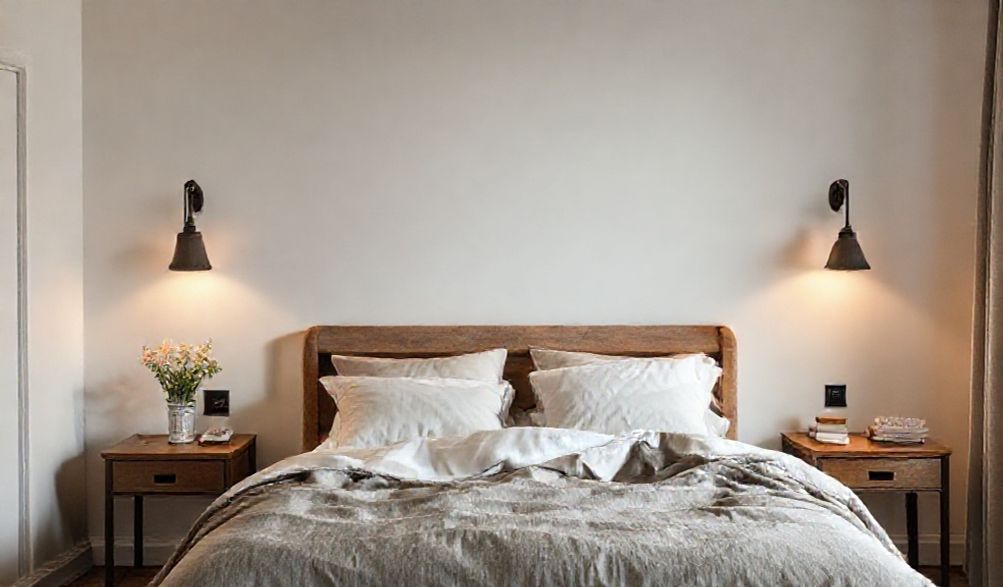
Over Bed Light Fixtures: A Complete Guide to Style, Function, and Safety
Your bedroom is more than just a place to sleep; it’s a sanctuary for rest, relaxation, and recharging. Achieving that perfect atmosphere hinges on many elements, but perhaps none is as transformative as lighting. While ambient overhead lights and table lamps have their place, there’s a design hero that elegantly solves multiple bedroom dilemmas: the over bed light fixture.
Whether you struggle with a cluttered nightstand, squint to read in poor light, or feel your bedroom lacks a defining style element, the right fixture mounted above or beside your bed can be the solution. This comprehensive guide is designed to navigate you through the world of over bed lighting. We’ll balance essential practical advice—from installation safety to bulb selection—with abundant design inspiration, helping you choose between a sleek pendant, a versatile sconce, modern track lighting, or a dazzling mini-chandelier. Our foremost priority is to ensure your journey to a beautifully lit bedroom is not only stylish but also safe and perfectly suited to your needs.
Why Choose an Over Bed Light Fixture? Key Benefits
Moving your primary light source off the nightstand and onto the wall or ceiling above your bed isn’t just a trend; it’s a strategic design decision with tangible benefits. Understanding these advantages is the first step in making an informed choice.
Maximizing Space and Decluttering Surfaces
Nightstands often become catch-alls for phones, water glasses, books, and medications. Adding a bulky table lamp into the mix can leave you with precious little real estate for the essentials. An over bed light fixture, whether a wall sconce or a pendant, liberates that surface area entirely. This is a game-changer for small bedrooms, fostering a sense of airiness and order. It also aligns perfectly with minimalist and modern design philosophies, where clean lines and uncluttered spaces are paramount. Imagine the simplicity of a floating shelf nightstand or a slender console, unencumbered by lamp bases.
Optimal Task Lighting for Reading and Relaxation
The primary function of bedroom lighting is often task-oriented: reading a novel, jotting in a journal, or simply winding down. Relying on a distant ceiling light casts shadows and forces your eyes to strain. An over bed fixture provides direct, focused illumination exactly where you need it. Positioned correctly, it delivers a cone of light onto your book or lap without disturbing a sleeping partner (especially with individual sconces). This targeted approach reduces eye fatigue and creates a cozy, intimate pool of light that’s ideal for pre-sleep rituals, making your bedtime routine more comfortable and intentional.
Defining Your Bedroom’s Style Focal Point
A light fixture is like jewelry for your room; it can elevate the entire space and set the design tone. The bed is naturally the focal point of any bedroom, and the lighting you choose above it accentuates this. A pair of vintage brass sconces whispers classic elegance, while a bold, geometric pendant shouts modern edge. A woven rattan shade brings organic texture, and a crystal-encrusted mini-chandelier introduces a touch of glamour. Your choice of over bed lighting becomes a definitive style statement, anchoring the room’s aesthetic and providing a conversation piece that reflects your personal taste.
Types of Over Bed Light Fixtures: Finding Your Perfect Match
The category of “over bed lighting” encompasses several distinct styles, each with its own installation requirements, visual weight, and functional strengths. Let’s explore the most popular options to help you find your perfect match.
Wall Sconces: The Versatile Classic
Wall sconces are arguably the most popular and practical choice for bedside lighting. They offer incredible versatility:
* Plug-in vs. Hardwired: Plug-in sconces are a renter’s or DIYer’s dream, requiring no electrical work—simply mount them near an outlet and manage the cord tastefully. Hardwired sconces offer a cleaner, permanent look but require professional installation.
* Styles: Swing-arm sconces are ideal for readers, allowing you to direct light precisely. Fixed sconces provide ambient glow, while up/downlight sconces cast light both toward the ceiling (for soft ambiance) and downward (for task).
* Application: They are perfect for symmetrical placement flanking the headboard, creating a balanced, traditional look. They work with virtually any headboard style, from tall and tufted to low-profile and modern.
Pendant Lights: Making a Statement
For those looking to make a bold design declaration, pendant lights are a compelling choice. They drop down from the ceiling, drawing the eye and adding vertical interest.
* Configurations: A single, large pendant centered over a nightstand or the bed itself makes a dramatic impact. Two smaller pendants, one over each nightstand, offer symmetry with a contemporary twist. Clusters of mini-pendants can create an artistic, sculptural effect.
* Considerations: Ceiling height is critical. You need ample clearance (typically at least 7 feet from the floor to the bottom of the fixture) to avoid feeling cramped. The scale of the pendant should relate to the size of your bed—a large king bed can handle a more substantial fixture than a twin.
* Innovative Use: In very tight spaces, some designers forgo nightstands altogether, using a pendant light on each side of the bed with a small wall-mounted shelf below for essentials.
Track and Monorail Lighting: Flexible and Modern
If your style leans contemporary, industrial, or minimalist, track and monorail systems offer unparalleled flexibility.
* Functionality: These systems feature adjustable spotlights that can be aimed exactly where needed—one on your book, one on a piece of wall art. You can often add, subtract, or reposition the heads along the track.
* Aesthetic: They provide a clean, architectural line. A single track can be mounted above the bed lengthwise, or two shorter tracks can be installed over each nightstand. This look is excellent in lofts, modern homes, or bedrooms with interesting ceiling details you wish to highlight.
Ceiling-Mounted Fixtures and Mini-Chandeliers
For a central, dramatic focal point directly over the bed, consider a flush-mount, semi-flush-mount, or mini-chandelier.
* Impact: This approach treats the bed area as a distinct zone within the bedroom. A beautiful ceiling fixture centered over the mattress creates a sense of ceremony and grandeur.
* Scale & Proportion: The key here is ensuring the fixture is proportionate to your bed and room size. A too-small fixture will look lost, while one that’s too large will feel overwhelming. As a general rule, the fixture’s diameter should feel substantial but not exceed the width of your bed.
Critical Installation and Safety Guidelines
This section is non-negotiable. Beautiful lighting means nothing if it’s not installed safely and ergonomically. Prioritizing safety is the cornerstone of trustworthy advice.
Height and Placement Best Practices
Correct placement ensures both functionality and visual harmony.
* Wall Sconces: For reading in bed, the bottom of the sconce shade should be roughly at eye level when you’re seated against your headboard. This typically translates to mounting the fixture 60-70 inches from the finished floor, or 20-30 inches above the top of the mattress. They are usually placed 28-36 inches apart, centered over each nightstand or flanking the headboard.
* Pendants & Ceiling Fixtures: Ensure there is at least 7 feet of clearance from the floor to the bottom of the fixture to avoid head bumps. Over a nightstand, the bottom of the pendant should hang 12-20 inches above the table surface. Centered over the bed, it should hang high enough to not obstruct views or feel imposing.
Electrical Safety and Professional Help
This cannot be overstated: for any hardwired installation, hire a licensed and insured electrician.
* Why Professionals Matter: A qualified electrician will ensure the circuit can handle the load, that wiring is up to current electrical codes, and that all connections are made securely within an approved junction box. This prevents fire hazards and ensures your safety.
* DIY Options: If you’re not ready for hardwiring, high-quality plug-in sconces are a fantastic and safe alternative. Use cord covers or raceways to neatly run wires down the wall to the outlet, or choose designs with attractive, intentional cords that become part of the decor.
Choosing the Right Bulbs and Light Quality
The fixture is the body; the bulb is the soul. Selecting the right bulb is crucial for comfort.
* Brightness (Lumens): For task-oriented reading light, aim for 400-800 lumens per fixture. For ambient glow, 200-400 lumens may suffice.
* Color Temperature (Kelvin): This is critical for bedroom mood. Avoid cool, blue-toned daylight bulbs (5000K+). Always opt for warm white bulbs in the 2700K to 3000K range. This mimics the cozy, calming light of sunset or incandescent bulbs.
* Dimmable LEDs: Investing in dimmable LED bulbs and compatible dimmer switches is the ultimate upgrade. It allows you to transition from bright task lighting for reading to a soft, romantic glow for relaxing. LEDs are also energy-efficient and long-lasting.
Designing with Over Bed Lights: Style and Integration
With safety and function addressed, let’s focus on making your lighting choice cohesive and beautiful.
Creating Balance and Symmetry
Our brains are often soothed by symmetry in a bedroom.
* The Rule of Two: Using two matching sconces or two matching pendants is a timeless, fail-safe approach that creates instant balance and order.
* Intentional Asymmetry: For a more dynamic, curated look, asymmetry can work beautifully. Try pairing a swing-arm sconce on one side with a sleek pendant on the other, or use two different but complementary sconce styles. The key is to ensure they share a common design element, like finish or material, to tie the look together.
Coordinating with Existing Bedroom Lighting
Think in layers for a professionally designed feel.
* The Three Layers:
1. Ambient: General, overall illumination (often from a central ceiling fixture or recessed lights).
2. Task: Focused light for specific activities (your over bed lights).
3. Accent: Decorative light to highlight features (a picture light over art, LED strips on a shelf).
* Cohesive Finishes: While everything doesn’t need to match perfectly, your over bed fixtures should converse with other metal finishes in the room. For example, if your door handles are brushed nickel, consider lights in a similar finish. Mixing metals is possible, but it’s often best to let one finish dominate (e.g., 70% brass, 30% black).
Material and Finish Selection Guide
The finish of your fixture heavily influences the room’s mood.
* Warm Metals (Brass, Gold, Copper): Add warmth, luxury, and a touch of vintage or glam appeal. They pair wonderfully with rich colors, warm woods, and textured fabrics.
* Cool Metals (Chrome, Nickel, Black): Convey a modern, sleek, or industrial vibe. Black is particularly dramatic and grounding, while polished chrome feels crisp and contemporary.
* Natural Materials (Wood, Rattan, Ceramic): Introduce organic texture and soften the space. These work excellently in Scandinavian, Japandi, or Bohemian-inspired bedrooms.
* Pro Tip: Look at your bed frame hardware (the feet, headboard details) and other elements like faucets or curtain rods. Choosing a light fixture finish that echoes one of these elements creates a thoughtful, pulled-together look.
Frequently Asked Questions (FAQ) About Over Bed Lighting
Q: How high should wall sconces be mounted above the bed?
A: The ideal height is typically 60-70 inches from the floor to the base of the fixture, or 20-30 inches above the top of your mattress. The goal is to have the bottom of the lampshade at or slightly above eye level when you are seated upright in bed.
Q: Can I install an over-bed light fixture myself?
A: Plug-in sconces are designed for DIY installation—just ensure you have a nearby outlet and a plan for cord management. For any hardwired fixture (sconces, pendants, ceiling mounts), we strongly recommend hiring a qualified electrician. This ensures the installation meets local electrical codes and, most importantly, is safe.
Q: What size pendant light is right over my bed?
A: A good rule of thumb is that the fixture’s diameter (in inches) should be roughly half the width of your bed (in feet). For example, a queen bed is about 5 feet wide, so a pendant 25-30 inches in diameter would be proportionate. Always consider the visual weight and scale of your room as well.
Q: How do I get enough light without a bright overhead?
A: Layer your lighting! Pair your over-bed task lights with other sources: a floor lamp in a corner for ambient fill, a small table lamp on a dresser, or even discreet LED tape lighting under the bed frame or on top of a wardrobe. Using dimmers on all sources gives you total control over the brightness and mood.
Conclusion
Choosing the perfect over bed light fixture is a rewarding intersection of personal expression, practical problem-solving, and unwavering commitment to safety. It’s about defining your need—be it saving space, achieving perfect reading light, or creating a style statement—and selecting a type that fulfills it within the context of your unique space. Remember the key steps: prioritize safe, professional installation for hardwired options, select warm and dimmable bulbs for ultimate comfort, and don’t be afraid to layer your lighting for a truly luxurious effect.
View this choice not merely as purchasing a light, but as investing in the daily ritual of rest and the overall aesthetic of your personal sanctuary. With thoughtful planning, the right fixture will not only illuminate your pages but also elevate your entire bedroom, creating a haven of comfort and style for years to come. Now, go forth and enjoy your beautifully, and safely, illuminated retreat.
p>