
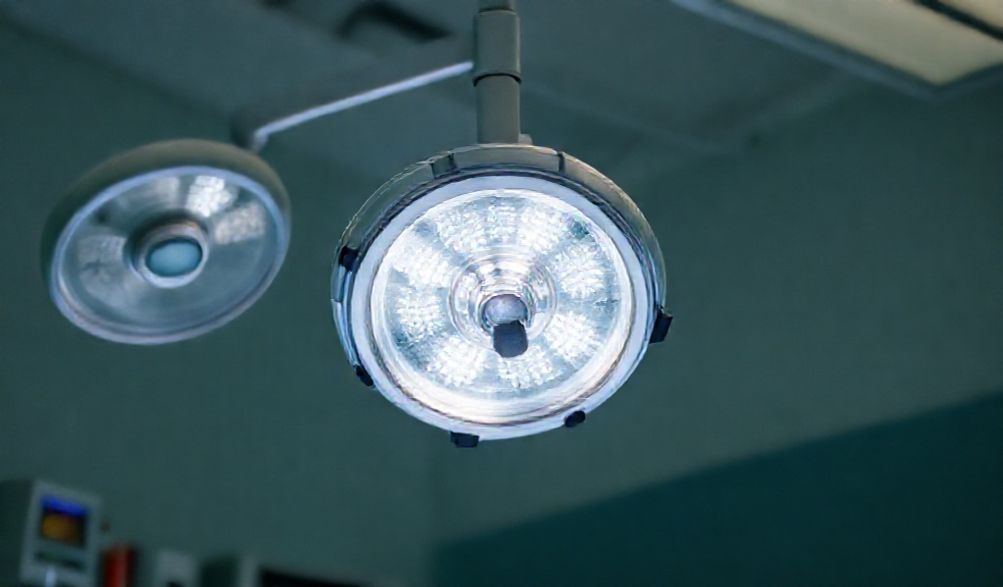
Surgery Lights: A Comprehensive Guide to Types, Features, and Selection for Optimal Outcomes
Introduction
Imagine a surgeon performing a delicate microvascular anastomosis, reconnecting blood vessels less than a millimeter in diameter. The success of this procedure, and indeed nearly every surgical intervention, hinges on a factor so fundamental it’s often taken for granted: light. From the era of sunlight and candlelit operating theaters to the focused beams of early electric lamps, the evolution of surgical illumination mirrors the advancement of surgery itself. Today, modern surgery lights are sophisticated medical devices, engineered to a standard that directly impacts patient outcomes, surgical precision, and team well-being.
This guide is compiled from insights into the rigorous demands of surgical environments and the meticulous processes behind medical equipment specification. Our analysis is grounded in adherence to international medical device standards, such as IEC 60601-2-41 for safety and DIN 5035 for photometric requirements, and is aligned with principles from clinical engineering. We reference the authoritative guidelines of institutions like the Association of periOperative Registered Nurses (AORN) and the World Health Organization’s (WHO) surgical safety protocols, which explicitly emphasize the critical role of optimal illumination. Our commitment is to provide an objective, feature-based comparison to empower informed decision-making, focusing on key considerations rather than brand promotion.
This comprehensive guide will illuminate the advanced technology behind modern surgery lights, detail their profound impact on surgical precision and team ergonomics, and provide a structured, practical framework for their evaluation and selection.
The Critical Role of Illumination in Modern Surgery
A surgery light does far more than simply “light up” the operative field. It is a precision tool designed to meet the exacting visual demands of the surgical team, transforming their ability to see, interpret, and act.
Beyond Basic Visibility: Enhancing Precision and Safety
The primary goal is to create an optimal visual environment that minimizes cognitive load and maximizes accuracy.
* Depth Perception: High-quality surgical lighting provides homogeneous illumination that eliminates flatness, allowing surgeons to accurately perceive the three-dimensional anatomy of the surgical cavity. This is crucial for judging distances during dissection, suturing, and implant placement.
* Color Rendition: Accurate tissue differentiation is vital. Surgeons must reliably distinguish between arterial blood (bright red), venous blood (darker red), fatty tissue (yellow), nerves (white/pearly), and various organ tissues. Poor color rendering can lead to misinterpretation.
* Reduction of Visual Fatigue: Long procedures under inconsistent or glaring light cause pupil constriction and dilation cycles, leading to eye strain, headaches, and decreased concentration. A stable, shadow-reduced light field minimizes this fatigue, helping to maintain peak performance throughout an operation.
Impact on Surgical Team Performance and Well-being
The ergonomics of the surgery light directly affect the physical well-being of the entire team.
* Ergonomics and Strain Reduction: A light that is difficult to position or that creates harsh shadows forces surgeons and assistants into awkward, static postures as they crane to see into the wound. Over time, this contributes to neck, shoulder, and back strain. Intuitive, effortless maneuverability is therefore an ergonomic necessity.
* Mitigation of Shadow Interference: Traditional single-point lights cast the surgeon’s head and hands as deep, obstructive shadows. Modern systems are designed specifically to penetrate and fill these shadows, ensuring a clear view regardless of the angle or number of hands in the field. This reduces the physical and mental strain of constantly repositioning to find light.
Core Technologies and Types of Surgical Lights
Understanding the core technology and physical form of a surgery light is the first step in selection.
LED vs. Halogen: A Technology Comparison
The shift from halogen to LED represents the most significant technological leap in surgical lighting in decades.
-
LED (Light Emitting Diode): The current industry standard.
- Efficiency & Heat: Extremely energy-efficient, converting most energy into light with minimal waste heat. This dramatically reduces thermal radiation onto the surgical site, lowering the risk of tissue desiccation and improving patient comfort.
- Lifespan: Offers an exceptionally long service life, typically 30,000 to 50,000 hours. This translates to over a decade of regular use without a bulb change.
- Total Cost of Ownership (TCO): While the initial purchase price may be higher, the savings in energy consumption, negligible maintenance, and elimination of frequent bulb replacements result in a significantly lower TCO over 5-10 years.
- Performance: Provides instant, full-intensity light with excellent color stability over the diode’s entire lifespan.
-
Halogen: Largely considered legacy technology.
- Heat Emission: Operates at very high temperatures, with over 90% of energy emitted as infrared (heat) radiation, which can be detrimental to exposed tissues.
- Lifespan: Much shorter, typically 1,000 to 2,000 hours, necessitating frequent, costly bulb changes and associated sterilization downtime.
- TCO: Lower initial cost is offset by high ongoing costs for bulbs, energy, and cooling requirements to manage OR heat load.
Verdict: For new purchases or upgrades, LED technology is the unequivocal choice for its clinical, operational, and economic benefits.
Common Surgical Light Configurations
- Single Dome Lights: A single light head, often ceiling-mounted on a multi-jointed arm. Ideal for standard operating rooms dedicated to a wide range of general surgery, orthopedic, or gynecological procedures. They offer excellent flexibility and are a cost-effective solution for many settings.
- Multi-Dome/Ceiling Mounted Systems: Feature two or more light heads mounted on a single central column or independent arms. This is the gold standard for major complex procedures (e.g., cardiac, neuro, transplant). The multiple heads provide overlapping fields of light for superior shadow reduction and depth of field, and offer redundancy—if one light fails, the other can provide adequate illumination.
- Wall-Mounted and Mobile Lights: Wall-mounted lights save ceiling space and are useful in minor procedure rooms or where ceiling infrastructure is limited. Mobile (floor-standing) surgery lights offer ultimate flexibility for emergency rooms, trauma bays, labor & delivery rooms, or as supplemental lighting in main ORs.
Key Performance Features to Evaluate
When comparing models, these technical specifications and design features separate adequate lighting from exceptional lighting.
Illumination Quality Metrics
- Lux (lx): The measure of illuminance, or light intensity, on the surgical field. While extremely high lux values (e.g., 160,000+ lx) are marketed, what matters more is homogeneous intensity across the entire field. A consistent 40,000 – 100,000 lx is often sufficient for most procedures if it is evenly distributed.
- Color Temperature: Measured in Kelvin (K), this describes the “warmth” or “coolness” of the white light. Surgical lights typically range from 3500K (warm, yellowish) to 5000K (cool, bluish). 4000K – 4500K is widely considered the ideal “daylight white,” providing a neutral tone that reduces eye strain and offers good contrast.
- Color Rendering Index (CRI): Arguably the most critical metric. CRI measures a light source’s ability to reveal the true colors of objects compared to natural light. For surgery, a CRI of ≥90 is essential, and ≥95 is ideal. A high CRI is non-negotiable for accurately distinguishing subtle tissue variations, such as identifying ischemic bowel or differentiating between tumor margins and healthy tissue.
Design and Functionality Features
- Shadow Reduction: Achieved through two primary methods: 1) Multiple point sources (from a multi-dome design or a single dome with several LED clusters) whose beams intersect to fill in shadows, and 2) Advanced diffusion optics that scatter light to create a soft, homogeneous field. Look for terms like “deep cavity illumination” or “patented shadow management.”
- Depth of Field: The ability to maintain focused light intensity even at the base of a deep wound (e.g., in spinal or pelvic surgery). A good surgery light will have a deep depth of field, meaning the light diameter and intensity change minimally as the head is raised or lowered.
- Maneuverability & Sterility: The light must be effortlessly positioned. Features to seek include:
- Perfect Balance Systems: Allow the heavy light head to be moved with a fingertip touch and stay securely in position.
- Sterile Handles: Designed for single-use sterile sleeves, allowing the circulating nurse or surgeon to adjust the light without breaking the sterile field.
- Reach and Articulation: Ensure the light’s arms provide sufficient coverage over the entire OR table from its mounting point.
A Step-by-Step Guide to Selecting the Right Surgery Light
Selecting a surgery light is a strategic process that aligns technology with clinical and operational reality.
Assessing Your Clinical Requirements
Begin by answering these key questions:
* Procedure Mix: What types of surgeries are most frequently performed? (e.g., deep-cavity laparoscopy, surface-level plastics, microsurgery).
* OR Team Feedback: What are the common complaints about current lighting from surgeons and nurses?
* Physical Environment: What are the room dimensions, ceiling height, and table location? Is there existing infrastructure (tracks, columns)?
* Future-Proofing: Are new surgical specialties (e.g., robotics) planned? Does the light need to integrate with other systems?
Budgeting and Total Cost of Ownership (TCO)
Move beyond the sticker price. A comprehensive budget should include:
1. Purchase Price: Of the light(s) and mounting system.
2. Installation: Costs for certified installers, potential structural reinforcements, and electrical work.
3. Operational Costs: Projected energy consumption (LEDs use ~70% less power than halogen).
4. Maintenance Costs: Annual service contracts and the cost/labor of bulb replacements (virtually $0 for LED over 10 years vs. significant recurring cost for halogen).
5. Downtime Costs: The revenue lost when an OR is closed for bulb changes or repairs.
Compliance and Safety Standards Checklist
Ensure any considered model meets these non-negotiable requirements:
* Regulatory Certification: FDA 510(k) clearance (USA), CE Marking (Europe), or other regional medical device approvals.
* Safety Standards: Compliance with IEC 60601-2-41 (particular requirements for surgical lights).
* Quality Management: Manufactured under a certified ISO 13485 quality system.
* Critical Safety Feature: A backup battery system that automatically deploys in a power failure, providing at least 60 minutes of illumination for safe procedure termination.
Installation, Maintenance, and Best Practices
Professional Installation Considerations
Ceiling-mounted systems are heavy and complex. Installation must be performed by the manufacturer’s certified technicians or authorized medical equipment planners. They will ensure:
* Structural Integrity: The ceiling can support the dynamic and static loads.
* Electrical Safety: Proper grounding and circuit protection.
* Optimal Positioning: The light is placed for maximum coverage and workflow efficiency.
Routine Maintenance Protocol
- Daily: Cleaning of the external surfaces and sterile handles with hospital-grade, non-abrasive disinfectants to maintain infection control. Never spray cleaner directly onto the light head.
- Scheduled Servicing: Follow the manufacturer’s schedule, typically an annual professional service. This includes checking mechanical balance, calibrating light intensity and color sensors, cleaning internal optics, and verifying backup battery function.
Troubleshooting Common Issues
- Flickering/Dimming: Often a sign of a failing power supply or driver (in LEDs) or the end of bulb life (in halogen). Check connections first, then contact technical support.
- Stiff Movement or Drift: Indicates the balance mechanism needs recalibration or the arm bearings require lubrication. Do not force it; schedule service.
- Color or Intensity Drift: LEDs are stable, but sensors can fail. Recalibration by a technician is required.
- General Rule: For any electronic or mechanical fault, document the issue and contact the manufacturer’s support. Do not attempt internal repairs.
FAQ Section
Q1: What is the typical lifespan of an LED surgical light compared to a halogen one?
A: An LED surgical light typically has a lifespan of 30,000 to 50,000 hours. In contrast, a halogen bulb lasts 1,000 to 2,000 hours. This means an LED light may operate for over a decade without needing a “bulb” change, while a halogen light requires replacement several times a year under heavy use.
Q2: How important is the Color Rendering Index (CRI), and what value should I look for?
A: The CRI is critically important for accurate visual diagnosis during surgery. A high CRI ensures tissues, blood, and organs appear in their true colors. You should look for a minimum CRI of 90, with 95 or higher being the ideal target for discerning the most subtle variations in tissue viability and morphology.
Q3: Can surgery lights be integrated with other operating room systems?
A: Yes, many modern surgery lights offer integration capabilities. They can connect with surgical video systems to provide optimal lighting for cameras, interface with OR control panels for centralized adjustment, and support connectivity protocols like ORi™ (Operating Room Integration). It is essential to verify specific integration compatibility with your existing OR infrastructure during the selection process.
Q4: What are the most critical factors for minimizing surgeon eye strain during long procedures?
A: The key factors are: 1) A homogeneous light field with no hot spots or dark areas, 2) Excellent shadow reduction to prevent constant pupil adjustment, 3) Minimal glare from reflective instruments or surfaces, and 4) An appropriate, neutral color temperature (4000-4500K) that mimics daylight.
Q5: How often should a surgical light be professionally serviced?
A: Adhere to the manufacturer’s recommended schedule, which is typically once per year. This service should include mechanical, electrical, and optical checks. However, if you notice any performance issues—such as dimming, color shift, or stiff movement—contact technical support for a pre-emptive check immediately.
Conclusion
Choosing a surgery light is far more than a simple equipment purchase; it is a strategic, long-term investment in patient safety, surgical precision, and the well-being and efficiency of your operating room team. The decision requires a careful balance of advanced technology (prioritizing LED with high CRI), ergonomic design for shadow reduction and maneuverability, and a clear-eyed assessment of your specific clinical needs and physical environment.
This guide has been structured to provide a trustworthy foundation for this decision, rooted in established international standards and practical operational realities. We reinforce the importance of moving beyond brochures and engaging in hands-on evaluation. Always consult with your clinical engineering team and insist on a live demonstration in a simulated OR setting before finalizing any purchase.
Your Next Step: Download a detailed specification checklist to systematically compare models, or contact a certified medical equipment planner to conduct a professional assessment of your specific OR layout and workflow requirements.
p>